Ginger is a common spice in many kitchens, but when you’re sharing your meals with your dog, it’s natural to wonder if it’s safe for them too. Many pet owners don’t realize that while small amounts of ginger can be beneficial, too much can cause stomach upset or other issues. Understanding how to use ginger properly can help you make informed choices about your dog’s diet and even find natural ways to support their health.
I’ve seen dogs perk up when given tiny bits of ginger-infused treats, especially those with sensitive stomachs. It’s one of those natural remedies that can make a real difference when used correctly.
Key Things to Understand
- Digestive support: Ginger contains compounds that can support digestion and reduce nausea in dogs
- Safe amounts: Small amounts are generally safe, but too much may cause vomiting or diarrhea
- Forms of ginger: Fresh, dried, or powdered ginger can be used, but amounts should be carefully measured
- Dosage caution: Ginger should never be given in large doses or as a concentrated extract
- Sensitivity check: Some dogs may be sensitive to ginger, so introduce it slowly and watch for reactions
- Vet consultation: Always consult your vet before adding new foods to your dog’s diet
What to Look For
Watch for signs that your dog tolerates ginger well, like normal energy levels and no digestive upset after eating small amounts. If your dog seems lethargic or develops loose stools, it’s a clear sign they may not be handling it well. Pay attention to how they react the first few times you offer ginger: some dogs take to it right away, while others need time to adjust.
I once gave my neighbor’s dog a tiny piece of ginger cookie by mistake, and while it didn’t cause any issues, it made me realize how easy it is to overlook ingredients in human food. Always double-check what’s in anything you share with your pet.
Daily Care Habits
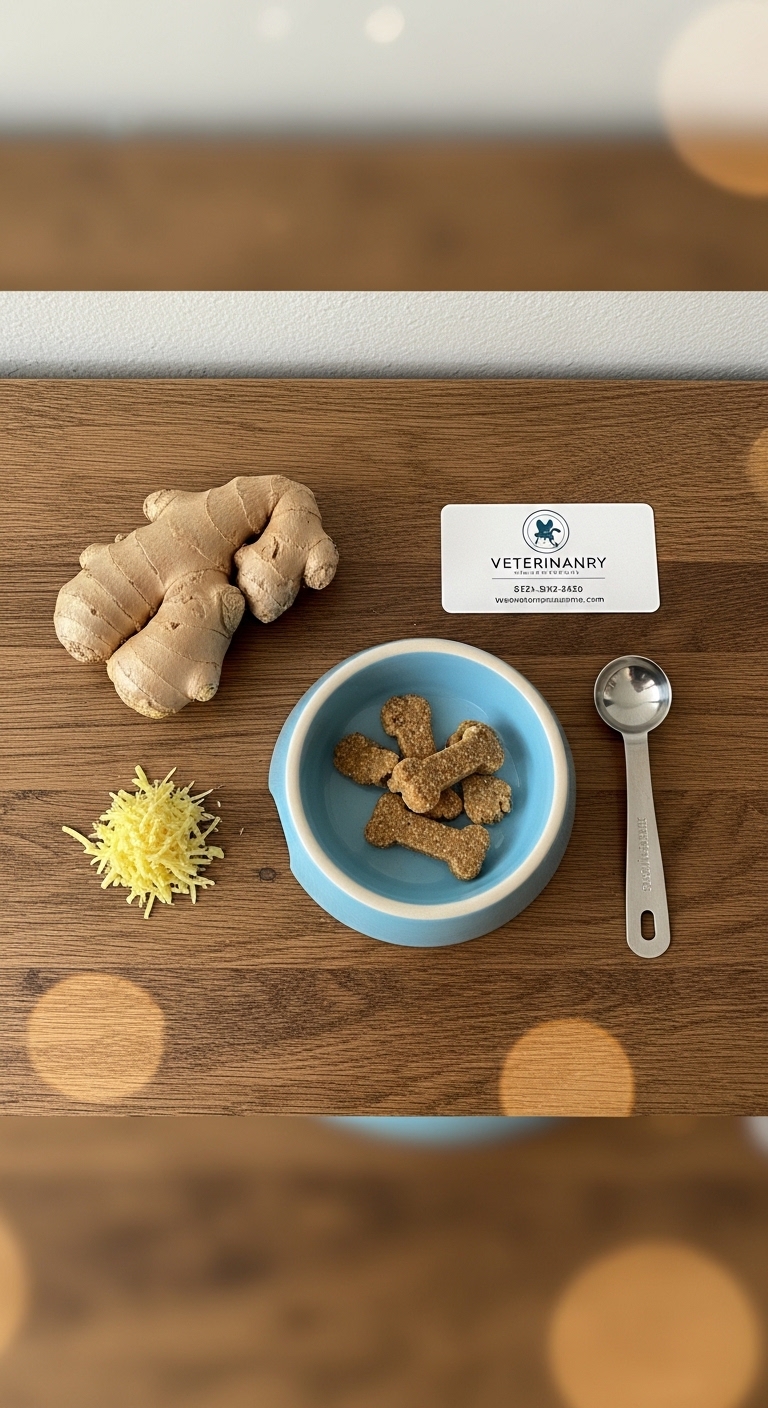
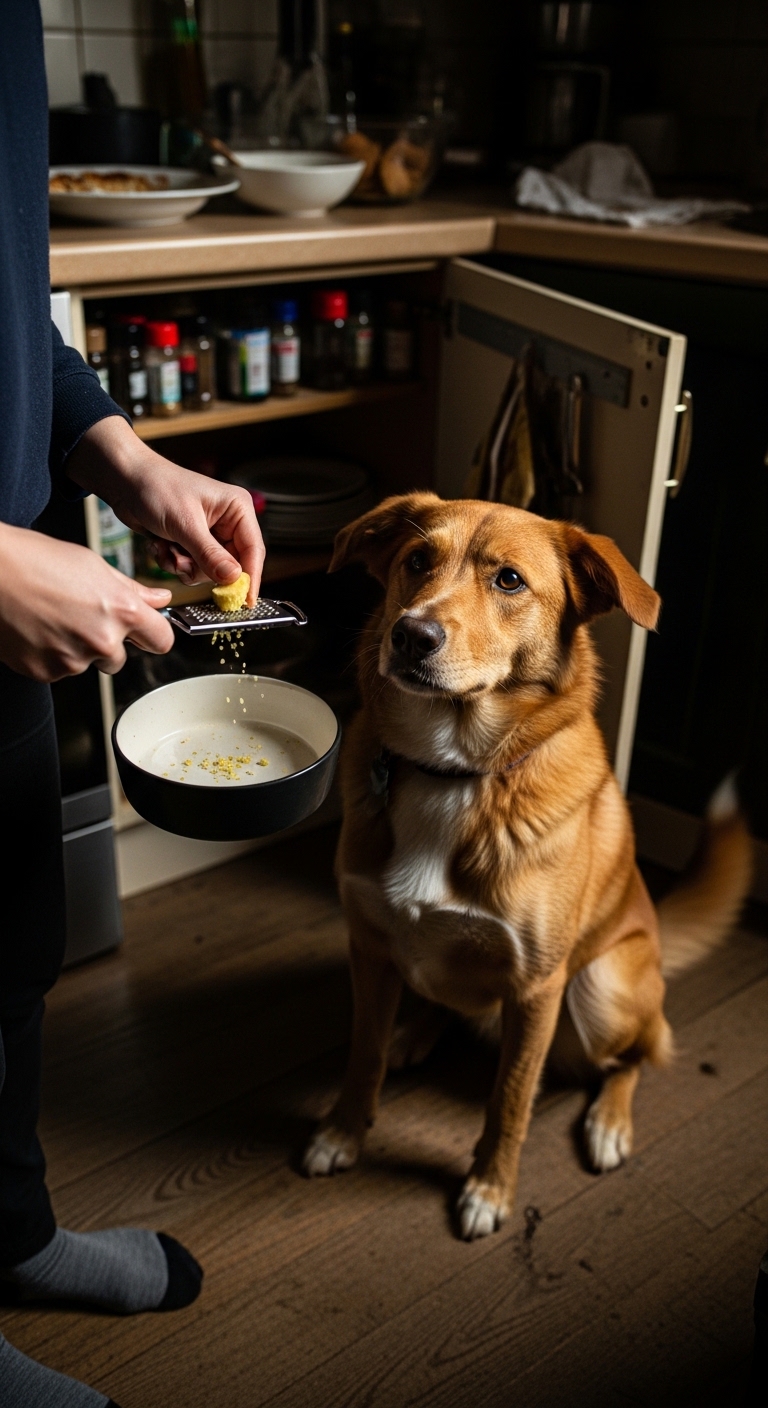
If you’re using ginger to help with your dog’s digestion, start with a very small amount: think a pinch of powdered ginger or a tiny sliver of fresh ginger the size of a pea. Mix it into their regular food once or twice a week to see how they respond. Over time, you can adjust the frequency based on their tolerance.
Choosing the Right Product
When buying ginger for your dog, opt for organic options when possible to avoid pesticides. Powdered ginger is convenient and easy to measure, but fresh ginger can be more appealing to picky eaters. Avoid ginger supplements made for humans, as they may contain additives that aren’t safe for pets.
Safety and Comfort
Ginger is generally safe, but it’s not suitable for every dog. Puppies, pregnant dogs, or those with bleeding disorders should avoid it. If your dog is on medication, ginger could interact with certain drugs, so a quick vet check is always a good idea before introducing it.
Ginger can be a helpful addition to your dog’s diet when used thoughtfully. Always prioritize safety and moderation for the best results.
Frequently Asked Questions
- → Is ginger safe for all dogs?
Most dogs tolerate small amounts of ginger well, but puppies, pregnant dogs, or those with bleeding disorders should avoid it. Dogs with diabetes or heart conditions may need vet approval due to ginger’s blood-thinning effects.
- → How much ginger can I give my dog?
Start with 1/4 teaspoon of fresh grated ginger per 20 lbs of body weight, up to 2-3 times weekly. Larger dogs can handle slightly more, but always introduce ginger gradually to avoid digestive upset.
- → Can ginger help with my dog’s nausea?
Yes! Ginger is known to ease motion sickness and stomach upset in dogs. A small piece of fresh ginger or ginger-infused treats may help during car rides or after meals.
- → What are signs of ginger toxicity in dogs?
Watch for vomiting, diarrhea, lethargy, or excessive drooling. These symptoms may indicate an adverse reaction. Discontinue use immediately and contact your vet if symptoms persist.
- → Can I give my dog ginger supplements?
Only if recommended by your vet. Human ginger supplements may contain additives harmful to dogs. Stick to fresh ginger or vet-approved pet-safe products in tiny doses.
- → Is powdered ginger safe for dogs?
Powdered ginger is more concentrated and may irritate your dog’s stomach. Use fresh ginger whenever possible, and avoid gingerbread or baked goods containing ginger.