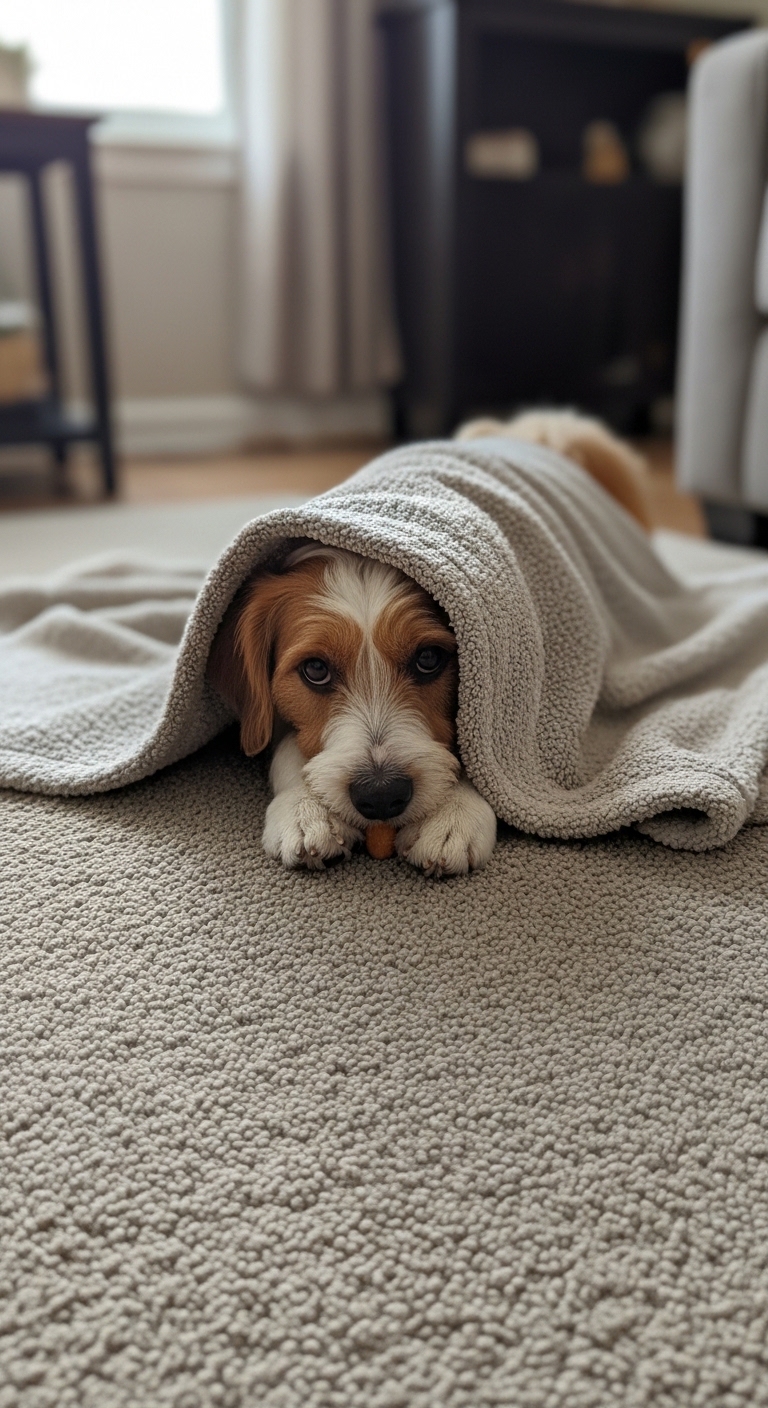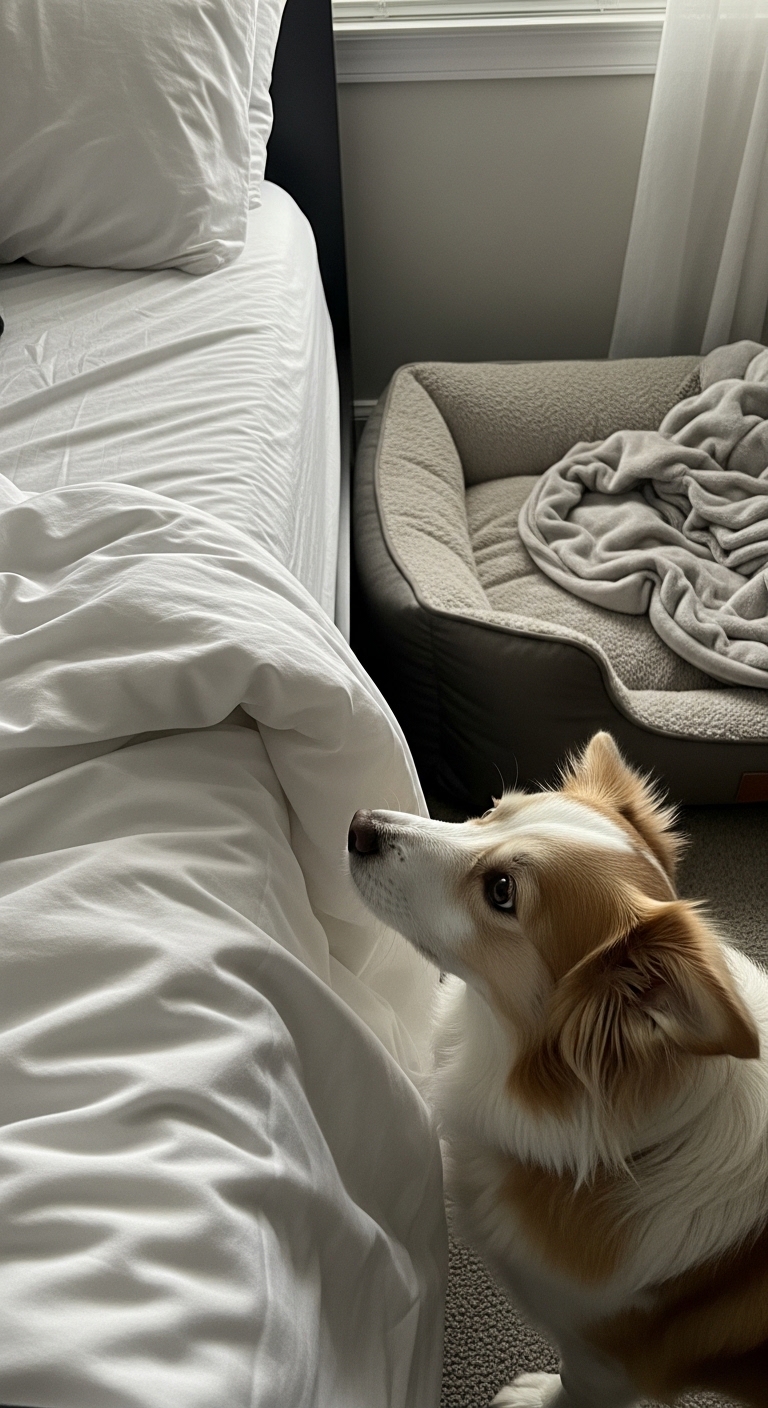
Why dogs shake their ears isn’t just a quirky habit: it’s a window into their comfort, health, and even their mood. You’ve probably seen your dog tilt their head or flick their ears suddenly, and while it might look random, those little movements often mean something important. Whether it’s relief from an itch, a reaction to something in their environment, or a sign of discomfort, understanding why dogs shake their ears can help you spot issues early and keep them feeling their best.
I’ve noticed that dogs with floppy ears, like Cocker Spaniels or Basset Hounds, seem to shake their ears more often: probably because their ears trap moisture and debris. It’s one of those things that makes me check their ears more regularly, just to be safe.
Key Things to Understand
- Normal vs. concerning shakes: Dogs shake their ears for many reasons, and not all of them are cause for concern. Some shakes are just a way to clear dirt or water after a swim or a walk in the rain. Others might signal an allergy, especially if the shaking is paired with scratching or redness.
- Ear infections: These are a big reason for shaking, often caused by trapped moisture, wax buildup, or even foreign objects like grass seeds.
- Breed susceptibility: Breeds with long or hairy ears are more prone to these issues because their ears don’t get as much airflow. Regular ear checks can catch problems early, before they turn into painful infections.
What to Look For
Pay attention to how often your dog shakes their ears and what else is happening when they do. If it’s just a quick flick every now and then, it’s likely nothing to worry about. But if you notice frequent shaking paired with scratching, head tilting, or a foul odor coming from their ears, those are red flags. Also watch for discharge, redness, or swelling around the ear flap or canal. Sometimes dogs shake their heads because they’re trying to dislodge something stuck in their ear, like a tick or a piece of debris. If your dog suddenly starts shaking their ears more than usual after being outside, it’s worth inspecting their ears carefully. Another clue is if they avoid you touching their head or flinch when you’re near their ears: this could mean they’re in pain.
I once had a friend whose dog kept shaking his head for days before they realized he had a grass seed lodged deep in his ear. By the time they got to the vet, the seed had caused a nasty infection. It’s one of those things that seems minor at first but can turn into a big problem if ignored. Another thing to remember is that dogs with allergies often shake their ears more because the itching drives them crazy. If you notice your dog shaking their ears more during certain seasons, it might be worth talking to your vet about allergy testing or dietary changes.
Daily care habits
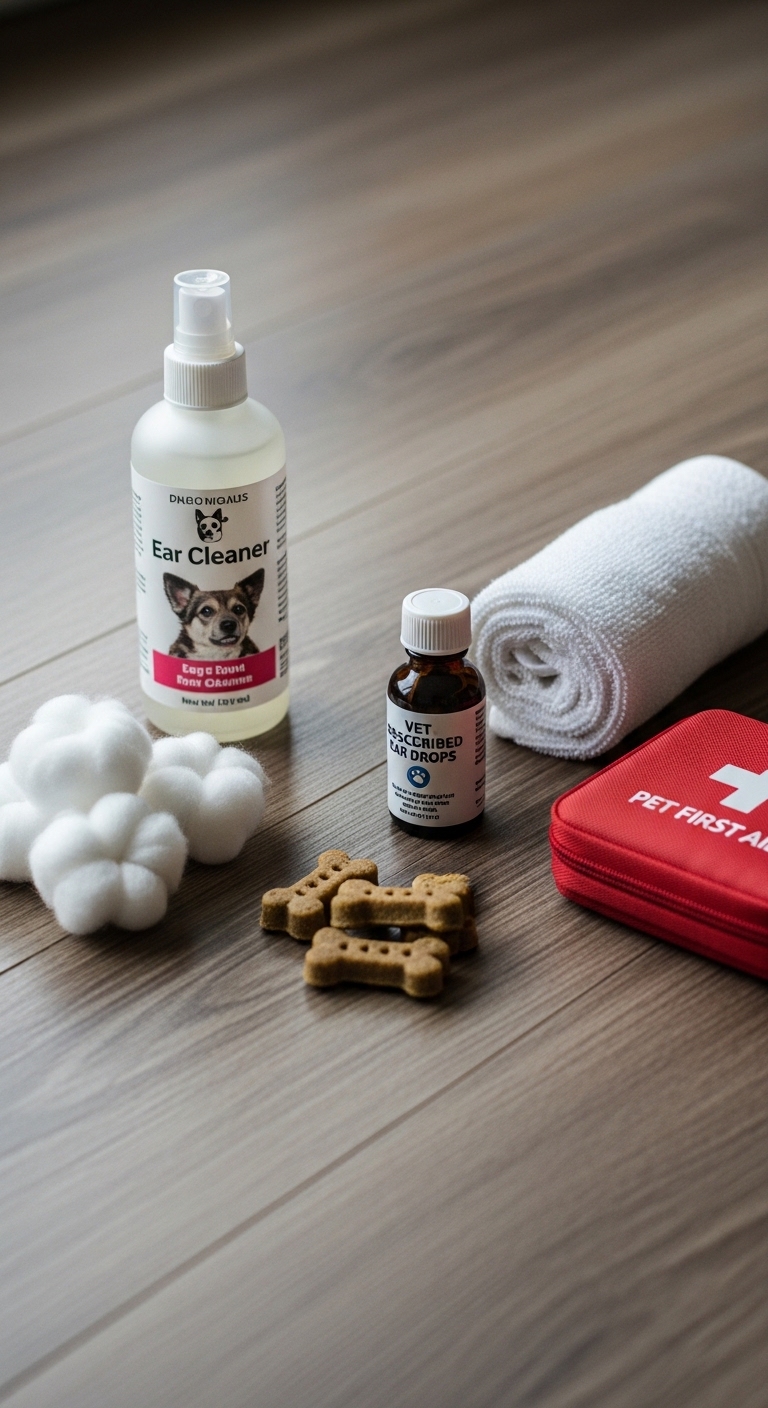
Regular ear cleaning is one of the simplest ways to prevent ear shaking and infections. Use a vet-approved ear cleaner and a soft cloth or cotton pad to gently wipe away dirt and wax. Avoid using cotton swabs, as they can push debris deeper into the ear canal and cause damage. For dogs that love to swim, drying their ears thoroughly afterward can make a huge difference. Some owners swear by natural remedies like diluted apple cider vinegar, but always check with your vet first: what works for one dog might irritate another.
Choosing the right product
Not all ear cleaners are created equal. Look for products specifically designed for dogs, as human ear cleaners can be too harsh. If your dog has frequent ear issues, your vet might recommend a medicated cleaner. For dogs with allergies, hypoallergenic cleaners can help reduce irritation. Always read the label to make sure the product is safe for your dog’s breed and age. If you’re unsure, ask your vet for a recommendation: it’s better to be safe than sorry.
Safety and comfort
Never insert anything into your dog’s ear canal, even if they’re shaking their head a lot. This can cause serious injury. If your dog seems in pain or their shaking is accompanied by whining or aggression, it’s a sign they need immediate attention. Some dogs get so frustrated with ear discomfort that they scratch their ears raw, leading to open wounds and infections. In these cases, an e-collar (cone) might be necessary to give their ears time to heal.
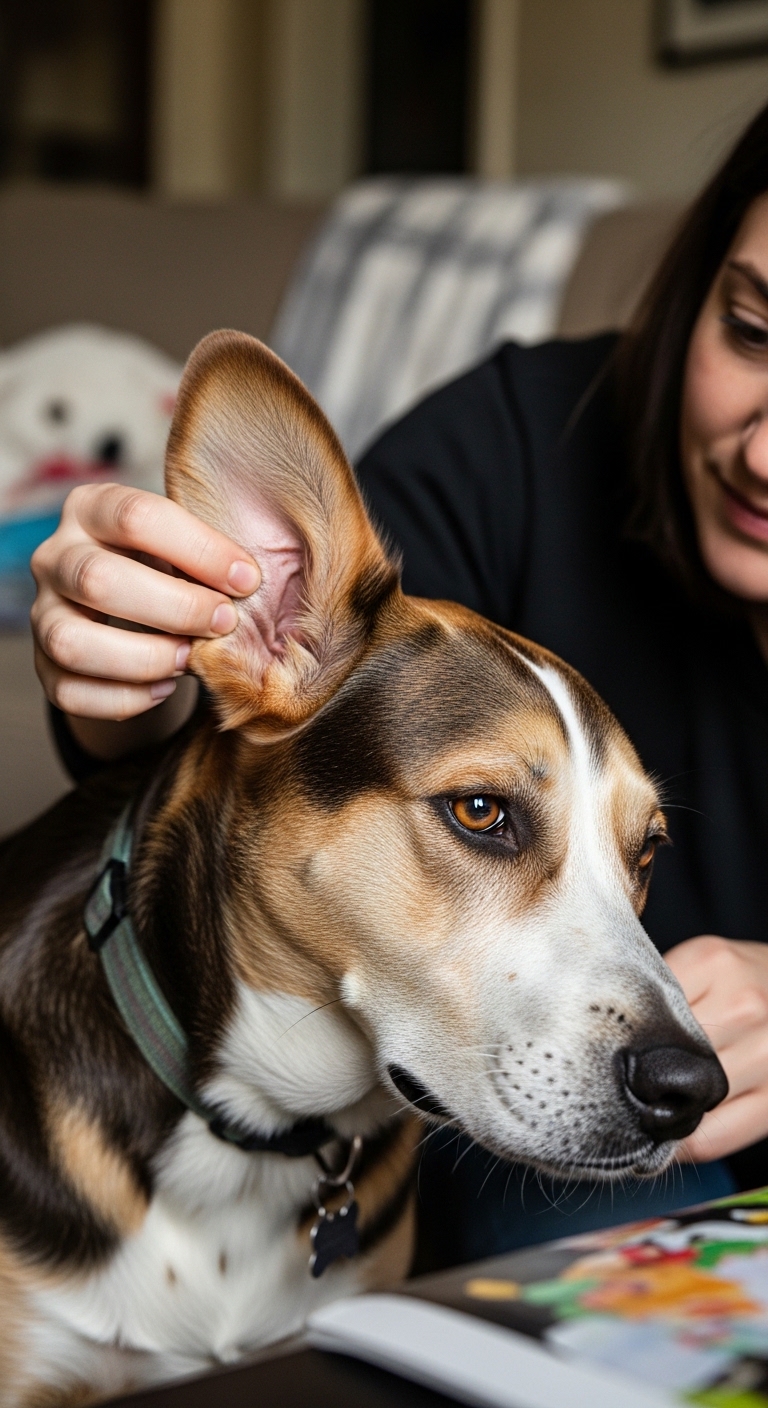
Understanding why your dog shakes their ears helps you stay proactive about their health. Small habits like regular checks and proper cleaning make a big difference in preventing discomfort.
Frequently Asked Questions
- → Why does my dog shake their head and ears frequently?
Frequent head shaking often indicates irritation or discomfort in the ears. Common causes include ear infections, allergies, ear mites, or trapped moisture. If the behavior persists, it’s best to consult a vet to determine the underlying issue.
- → Can allergies cause dogs to shake their ears?
Yes, allergies—whether food-related or environmental—can lead to ear irritation and shaking. Pollen, dust, or certain ingredients in their diet may trigger an allergic reaction, causing itchiness and inflammation in the ears.
- → How can I tell if my dog has an ear infection?
Signs of an ear infection include excessive shaking, redness, foul odor, discharge, or your dog rubbing their ears against furniture. If you notice these symptoms, a vet visit is recommended for proper diagnosis and treatment.
- → What should I do if my dog’s ears are dirty?
Clean your dog’s ears gently with a vet-approved ear cleaner and cotton pad. Avoid using cotton swabs, as they can damage the ear canal. Regular cleaning helps prevent wax buildup and infections, especially in breeds prone to ear issues.
- → Is ear shaking normal after swimming?
Yes, shaking after swimming is normal as dogs try to remove water from their ears. However, if shaking continues or your dog shows signs of discomfort, it may indicate an infection caused by trapped moisture. Drying their ears thoroughly can help prevent issues.
- → Can I use human ear drops for my dog?
No, human ear drops are not safe for dogs. Always use products specifically formulated for canine ears, as ingredients in human medications can be toxic. Consult your vet for recommendations tailored to your dog’s needs.