How to train a puppy to sleep at night isn’t just about getting more rest for yourself: it’s about setting your pup up for a lifetime of healthy sleep habits. Puppies wake up frequently because their tiny bladders can’t hold through the night, and their instincts tell them to stay alert. Without proper training, you might end up with a dog that barks at every noise or struggles with anxiety when left alone. The good news is that with consistency and patience, most puppies adjust within a few weeks.
I still remember the first week with my rescue terrier mix: she’d wake up at 3 AM and scratch at the crate like it was an emergency. It took a few nights of following the same steps before she finally slept through. The key was staying consistent, even when it felt like nothing was changing.
Key Things to Understand
- Bladder capacity: Puppies need frequent potty breaks because their bladders are still developing. Expect wake-ups every 2 to 4 hours at first.
- Bedtime routine: A consistent bedtime routine signals to your puppy that it’s time to wind down. This includes a short walk, quiet play, and a calm space for sleep.
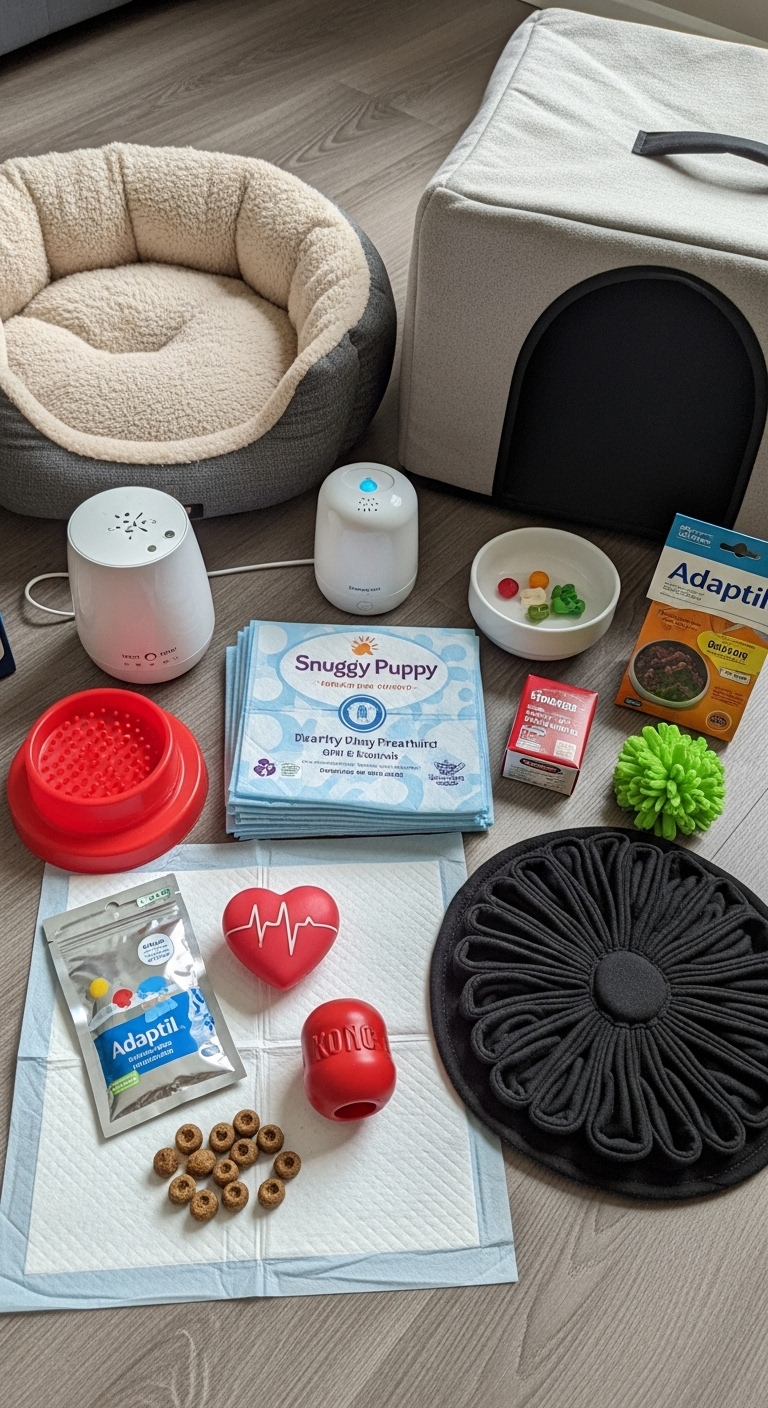
- Crate training: Crate training works best when it feels safe and cozy, not like a punishment. A soft blanket and a familiar-smelling toy can make a big difference.
- Ignoring whining: Ignoring whining at night is tough but necessary. If you respond every time, your puppy learns that crying gets attention.
- Predictability: Puppies thrive on predictability, so keep wake-up times and meal schedules as regular as possible.
What to Look For
Watch for signs that your puppy is tired but struggling to settle. These might include excessive yawning, circling, or whining without urgency. If you notice these behaviors, it’s a good cue to start the bedtime routine. Pay attention to how long your puppy can actually sleep before needing a potty break: this helps you plan wake-up times that match their needs rather than guessing. Also, observe how your puppy reacts to their sleeping space. If they seem restless or anxious, the crate might not be the right fit yet. Some puppies do better with a playpen or a small, enclosed area where they feel secure. The goal is to create a space that feels safe, not restrictive.
One mistake I see often is giving in to a puppy’s whining too soon. It’s hard to resist those big eyes, but responding right away teaches them that crying gets results. Instead, wait a few minutes to see if they settle on their own. Another thing to remember is that accidents happen: clean them up without scolding so your puppy doesn’t associate potty time with fear.
Daily care habits
Start the day with a potty break as soon as your puppy wakes up. This sets the tone for the rest of the day and helps them learn that outside is the right place to go. Keep meals on a schedule too, as this helps regulate their digestion and bathroom habits. Evening routines matter just as much. A short walk or play session about an hour before bedtime helps burn off extra energy. Avoid roughhousing or exciting games right before sleep, as this can overstimulate your puppy. Instead, opt for calm activities like gentle petting or a chew toy.
Safety and comfort
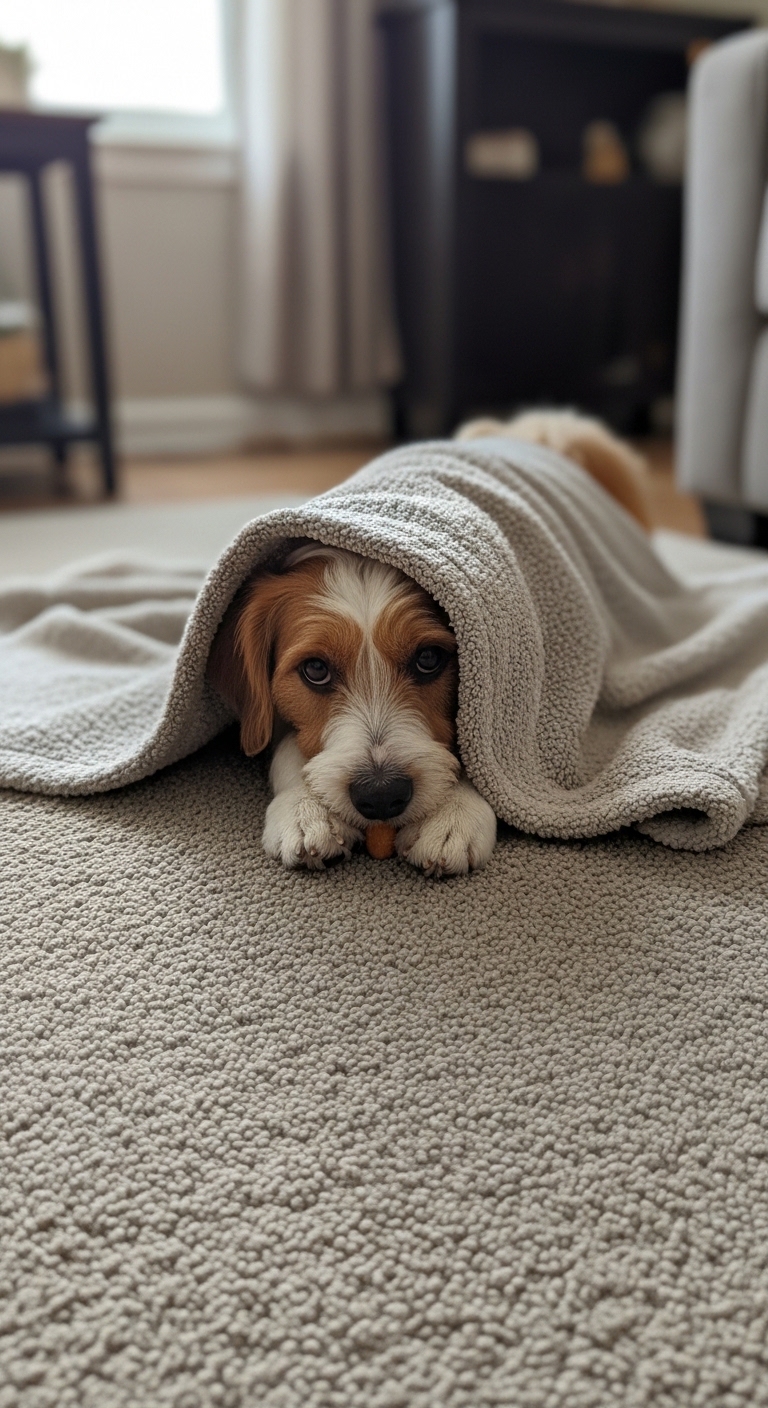
Make sure the sleeping area is free from hazards like loose wires or small objects your puppy could chew. A crate with a soft bed and a familiar-smelling blanket creates a den-like environment that feels secure. If your puppy seems anxious, try covering part of the crate with a light blanket to mimic a cozy hideaway. Also, keep the room temperature comfortable: not too hot or cold. Puppies can’t regulate their body temperature as well as adult dogs, so a slightly warmer room (around 70°F) is usually ideal. If your puppy shivers or seems lethargic, adjust the temperature or add an extra blanket.
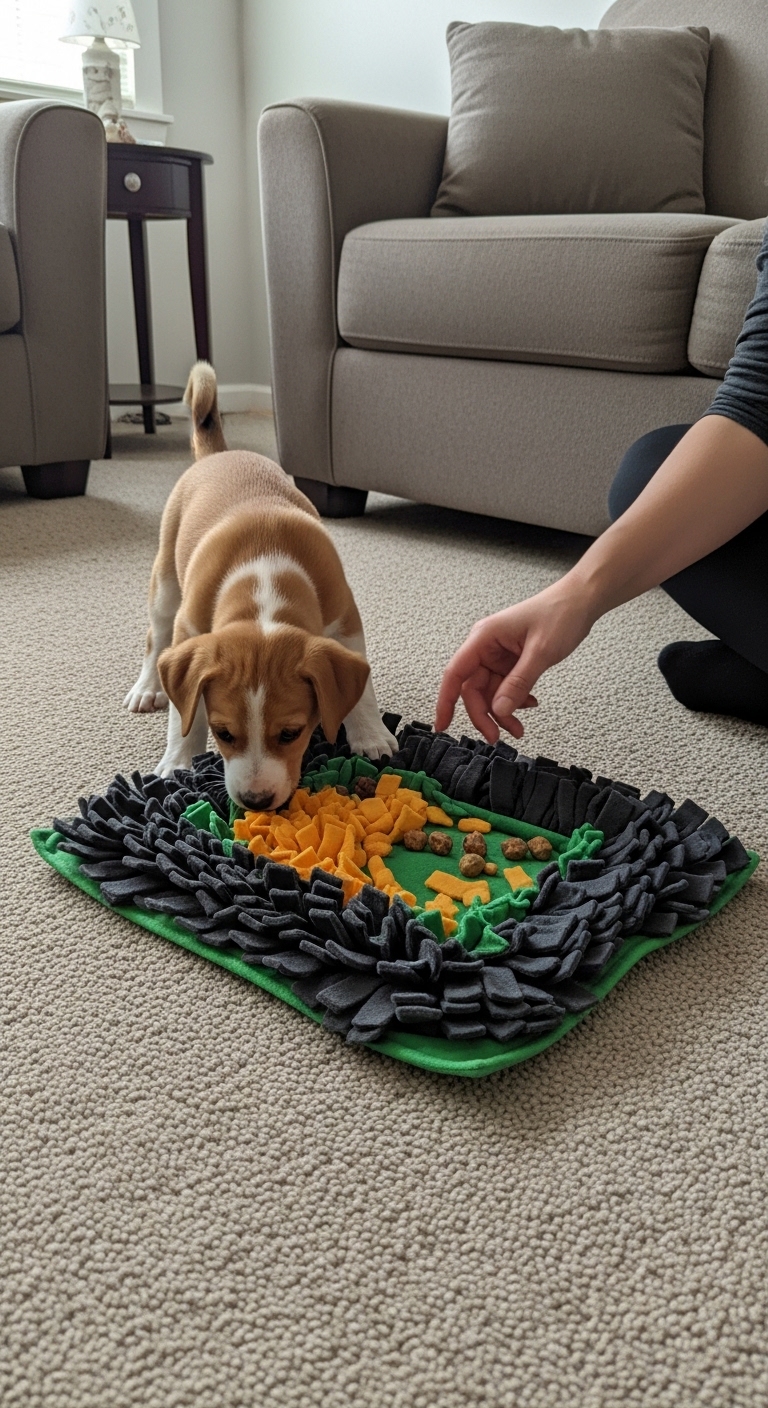
Training a puppy to sleep through the night is one of those challenges that tests your patience but pays off in the long run. The first few nights might feel endless, but remember: every puppy adjusts at their own pace.
Frequently Asked Questions
- → How long does it take to train a puppy to sleep through the night?
Most puppies adjust to a nighttime routine within 2 to 4 weeks with consistent training. Younger puppies may take longer due to smaller bladders and higher energy levels.
- → Should I let my puppy cry it out at night?
It’s best to respond to your puppy’s cries initially to comfort them, but avoid giving excessive attention. Gradually increase the time between checks to encourage independence.
- → What’s the best bedtime routine for a puppy?
A calming routine might include a short evening walk, gentle play, and a quiet cuddle session. Avoid high-energy activities right before bed to help your puppy relax.
- → How can I prevent nighttime accidents?
Take your puppy out for a final bathroom break right before bed and limit water intake 1-2 hours prior. Use a crate or designated sleeping area to encourage bladder control.
- → Is it okay to use a crate for nighttime training?
Yes, crates provide a safe, den-like space that many puppies find comforting. Ensure the crate is appropriately sized and filled with soft bedding for maximum comfort.
- → What if my puppy still wakes up frequently?
Check for underlying issues like hunger, discomfort, or anxiety. Adjust their evening routine and consult a vet if nighttime waking persists beyond a few weeks.