Why dogs chase their tails isn’t just a quirky habit: it’s a behavior that reveals a lot about their physical health, mental state, and even their breed instincts. For many pet owners, seeing a dog spin in circles after its tail can be amusing, but it’s worth paying attention to. This act isn’t always harmless fun: sometimes, it signals boredom, anxiety, or even an underlying medical issue. Understanding why dogs do this helps owners respond appropriately, whether that means providing more stimulation, adjusting their environment, or consulting a vet. It’s one of those small but meaningful behaviors that can make a big difference in a dog’s well-being.
I’ve noticed that dogs with high energy levels or breeds originally bred for herding or hunting tend to chase their tails more often. It’s almost like they’re wired to keep moving, and their tails just happen to be the easiest target.
Key Things to Understand
- Reasons for tail-chasing: Dogs chase their tails for several reasons, including boredom, anxiety, or excess energy.
- Breed tendencies: Some breeds are more prone to this behavior due to their instincts or high activity levels.
- Potential injuries: Constant tail-chasing can lead to injuries, especially if the dog is obsessive about it.
- Health indicators: If the behavior is sudden or intense, it might indicate an underlying health issue like allergies or pain.
- Attention-seeking: Dogs may also chase their tails as a way to get attention or because they’re simply curious.
What to Look For
Watch how often your dog chases its tail and whether it seems playful or frantic. A relaxed, occasional chase is usually nothing to worry about, but if it’s happening frequently or your dog seems stressed, it’s worth investigating further. Notice if the behavior is tied to specific times of day or situations, like when they’re left alone or after a walk. Pay attention to any signs of discomfort, such as limping or excessive licking, which could point to pain rather than just playfulness. Also, observe if your dog is more focused on chasing than interacting with you or other pets, as isolation can sometimes drive this habit.

I’ve seen dogs develop skin irritation or even minor injuries from constant tail-chasing, which is why it’s important to intervene before it becomes a habit. If your dog seems fixated on chasing, try introducing a new toy or game to redirect their energy.
Common Mistakes to Avoid
Don’t punish your dog for tail-chasing, as it can increase their anxiety and make the behavior worse. Avoid assuming it’s always harmless: sometimes it’s a sign of deeper discomfort. Don’t ignore sudden changes in the behavior, especially if it’s paired with other unusual signs.
Daily Care Habits
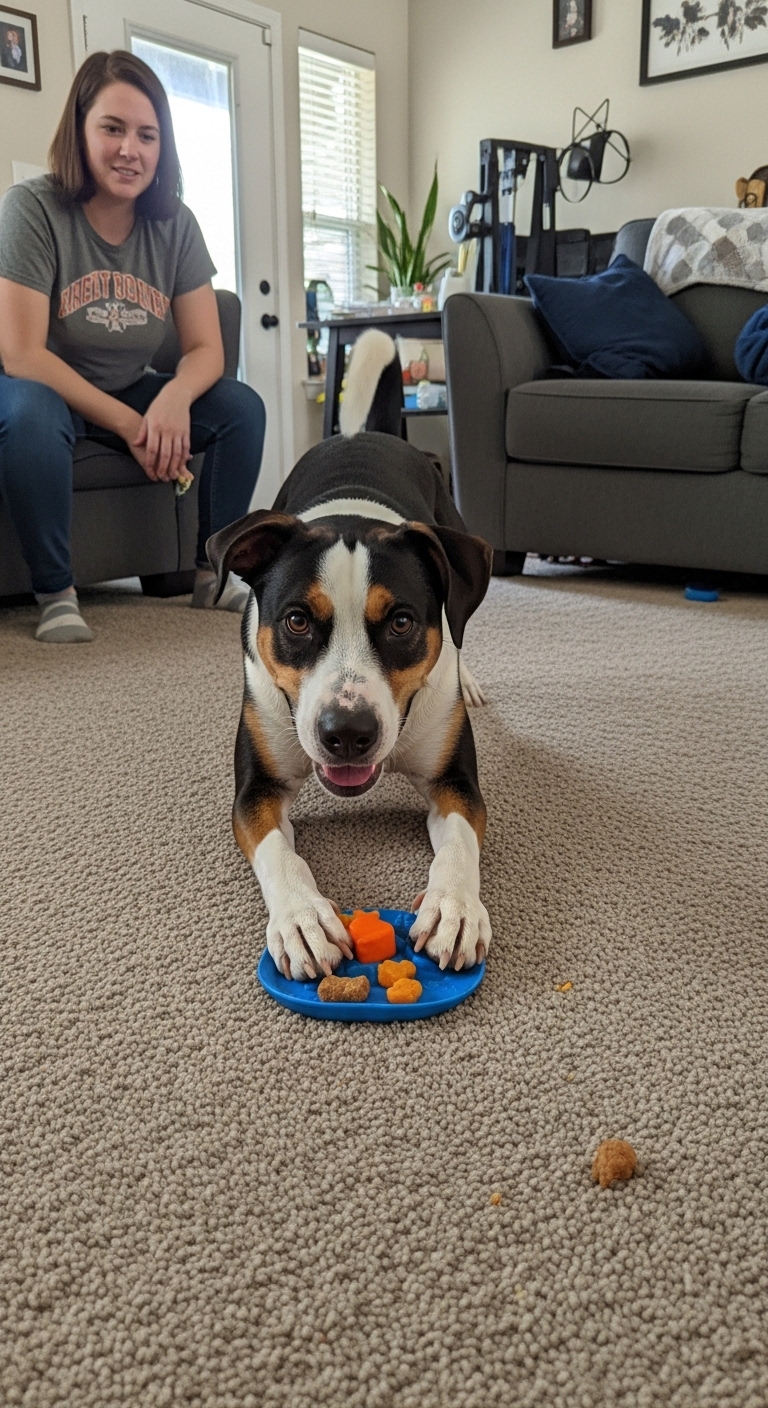
If your dog chases its tail often, increasing their daily exercise can make a big difference. A tired dog is less likely to fixate on repetitive behaviors. Try adding a 10-15 minute walk or play session before and after work to burn off excess energy. Mental stimulation is just as important, so puzzle toys or training sessions can help redirect their focus. Rotating their toys every few weeks can also keep them engaged and less likely to turn to tail-chasing out of boredom.
Choosing the Right Product
If your dog is prone to tail-chasing, consider toys that encourage movement and problem-solving. Interactive feeders or treat-dispensing balls can keep them occupied for longer periods. For dogs that chase out of anxiety, calming aids like pheromone diffusers or pressure wraps (like Thundershirts) might help. Avoid toys that are too small or easily destroyed, as these can pose a choking hazard if your dog gets overly excited.
Safety and Comfort
Tail-chasing can lead to injuries, especially if your dog is spinning at high speeds. Check their tail area regularly for signs of irritation, swelling, or hair loss. If you notice any redness or scabs, it’s a good idea to consult your vet. Also, ensure your dog’s environment is safe: remove any sharp objects or obstacles they could trip over while chasing. If your dog seems obsessed, it might be worth investing in a playpen or secure outdoor space where they can burn off energy without risking injury.
Understanding why your dog chases its tail helps you address the root cause, whether it’s boredom, anxiety, or instinct. Small changes can lead to happier, healthier habits.
Frequently Asked Questions
- → Why do dogs chase their tails?
Dogs chase their tails for various reasons, including instinctual behavior, boredom, anxiety, or medical issues like fleas or infections. Puppies often do it to explore their bodies, while adult dogs may chase tails out of habit or frustration.
- → Is tail-chasing normal in dogs?
Occasional tail-chasing is normal, especially in puppies. However, excessive or obsessive behavior may indicate an underlying issue like stress, boredom, or a health problem. Monitoring the frequency and context can help determine if it's a concern.
- → Can tail-chasing harm my dog?
Tail-chasing itself rarely causes harm, but excessive or aggressive chasing can lead to injuries like sprains or self-inflicted wounds. If your dog seems obsessed or distressed, it's best to consult a vet to address potential causes.
- → How can I stop my dog from chasing its tail?
Redirect your dog's energy with interactive toys, regular exercise, and mental stimulation. Addressing boredom or anxiety with training and a structured routine can also help. If the behavior persists, consult a vet or a professional dog trainer.
- → When should I worry about tail-chasing?
Consult a vet if tail-chasing becomes excessive, compulsive, or is accompanied by other symptoms like limping, skin irritation, or changes in behavior. These could indicate pain, neurological issues, or other health concerns requiring attention.
- → Do certain dog breeds chase their tails more often?
Some breeds, particularly herding or high-energy dogs like Border Collies or Australian Shepherds, may chase their tails more frequently due to their instinctual behaviors. However, any dog can develop this habit under the right conditions.