How to stop your dog from barking at the door isn’t just about quieting them: it’s about understanding what’s really going on inside their head. Dogs bark at doors because it’s their way of reacting to the unknown, whether it’s the mail carrier, a neighbor passing by, or even just the wind blowing a leaf against the door. That sudden noise or movement triggers their protective instincts, and without guidance, they can turn into a full-blown alarm system. Learning to manage this behavior makes your home calmer for both you and your pup, and it strengthens the trust between you two.
I remember when my neighbor’s dog would go crazy every time someone walked past our house. It took a few weeks of consistent training, but now she barely reacts. The key was patience and understanding that her barking wasn’t defiance: it was just her way of saying, “I’m here to protect!”
Key Things to Understand
- Dogs bark at doors because they see it as their job to alert you to anything unusual. Some breeds are naturally more alert and vocal, so their reactions can be stronger.
- Barking often gets worse when dogs feel bored, anxious, or understimulated. Ignoring the barking completely can sometimes make it worse, especially if your dog thinks you’re not listening.
What to Look For
Pay attention to what triggers your dog’s barking. Is it the sound of footsteps, the doorbell, or just the door moving? Noticing these patterns helps you address the root cause instead of just the symptom. If your dog barks at every little noise, they might be overstimulated or insecure. On the other hand, if they only react to specific sounds, like the mail truck, they’re likely associating that noise with something important in their mind. Also watch their body language. A stiff posture, pricked ears, and a focused stare mean your dog is in full alert mode. If they’re panting or pacing while barking, stress or excitement could be driving the behavior. A relaxed dog with a wagging tail might just need a little redirection rather than a full training session.
I once tried ignoring my dog’s barking completely, thinking it would teach her to stop. Instead, she just barked louder and longer because she felt like her warnings weren’t being heard. It wasn’t until I combined ignoring the barking with rewarding calm behavior that things started to improve.
Daily care habits
Make sure your dog gets enough exercise and mental stimulation throughout the day. A tired dog is less likely to react strongly to every little noise. Long walks, puzzle toys, and training sessions can all help burn off that extra energy that might otherwise turn into barking. Try setting aside a few minutes each day to practice door-related scenarios. Have someone ring the doorbell or knock while you’re home, and reward your dog for staying calm. This helps them learn that not every noise at the door means they need to sound the alarm.
Choosing the right product
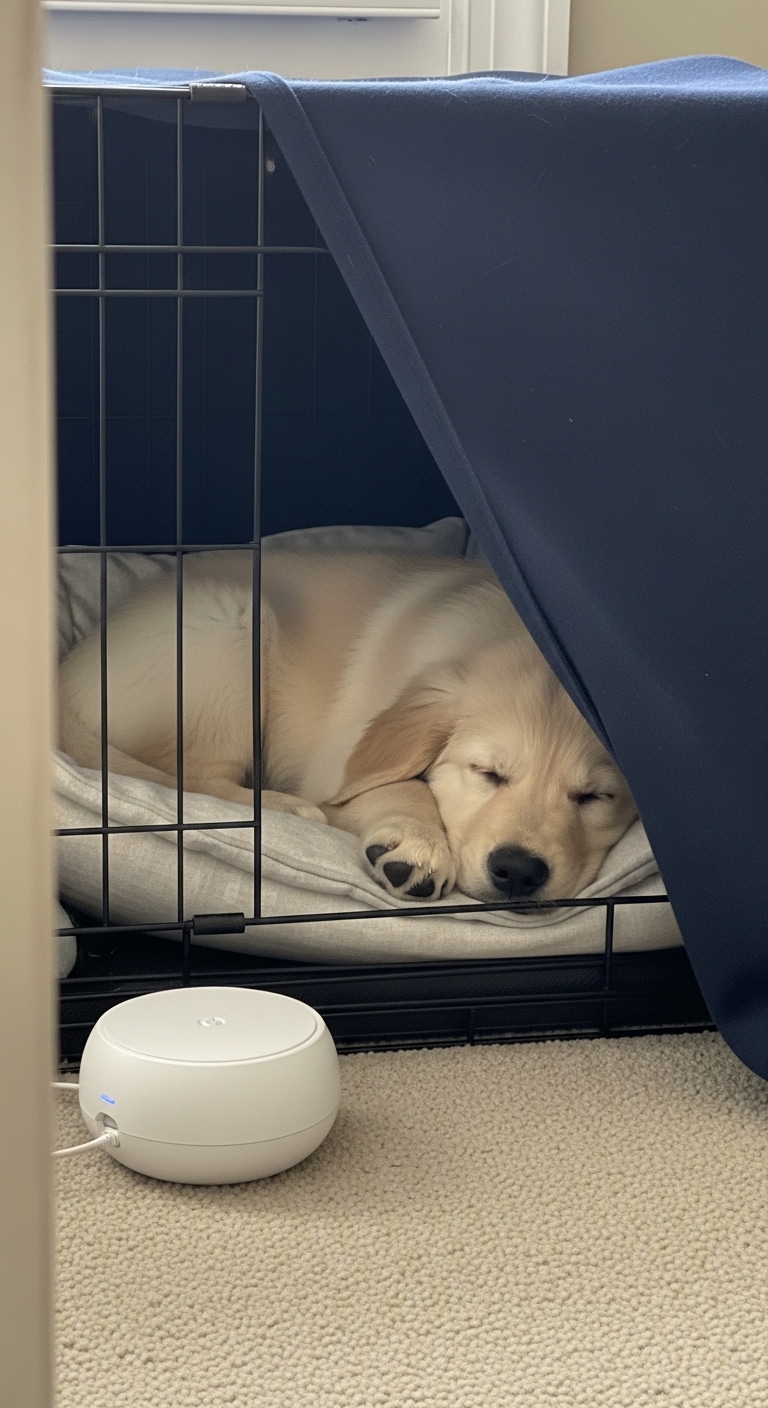
If your dog’s barking is triggered by outside noises, consider white noise machines or calming music to mask those sounds. Some dogs respond well to pressure wraps or anxiety vests, which can help them feel more secure. Just remember, these are tools, not quick fixes, and should be used alongside training. You can also try using a bark collar designed for training, but only as a last resort. These collars deliver a harmless stimulus when your dog barks, interrupting the behavior. However, they should never be used without proper guidance, as they can sometimes increase anxiety if misused.
Safety and comfort
Never punish your dog for barking at the door. Yelling or scolding can make them more anxious and worsen the behavior. Instead, focus on redirecting their attention to something more productive, like a toy or a command they know well. If your dog seems overly stressed or reactive, consult a vet or a professional trainer. Sometimes, excessive barking can be a sign of deeper anxiety that needs to be addressed with more than just training.
The truth is, your dog isn’t trying to annoy you: they’re just doing what they think is their job. With patience and the right approach, you can help them feel more secure and reduce unnecessary barking.
Frequently Asked Questions
- → Why does my dog bark at the door?
Dogs often bark at doors due to territorial instincts, alertness to strangers, or separation anxiety. They may perceive the door as a boundary that needs protection, especially if they hear unfamiliar sounds outside.
- → What’s the best way to train my dog to stop barking at the door?
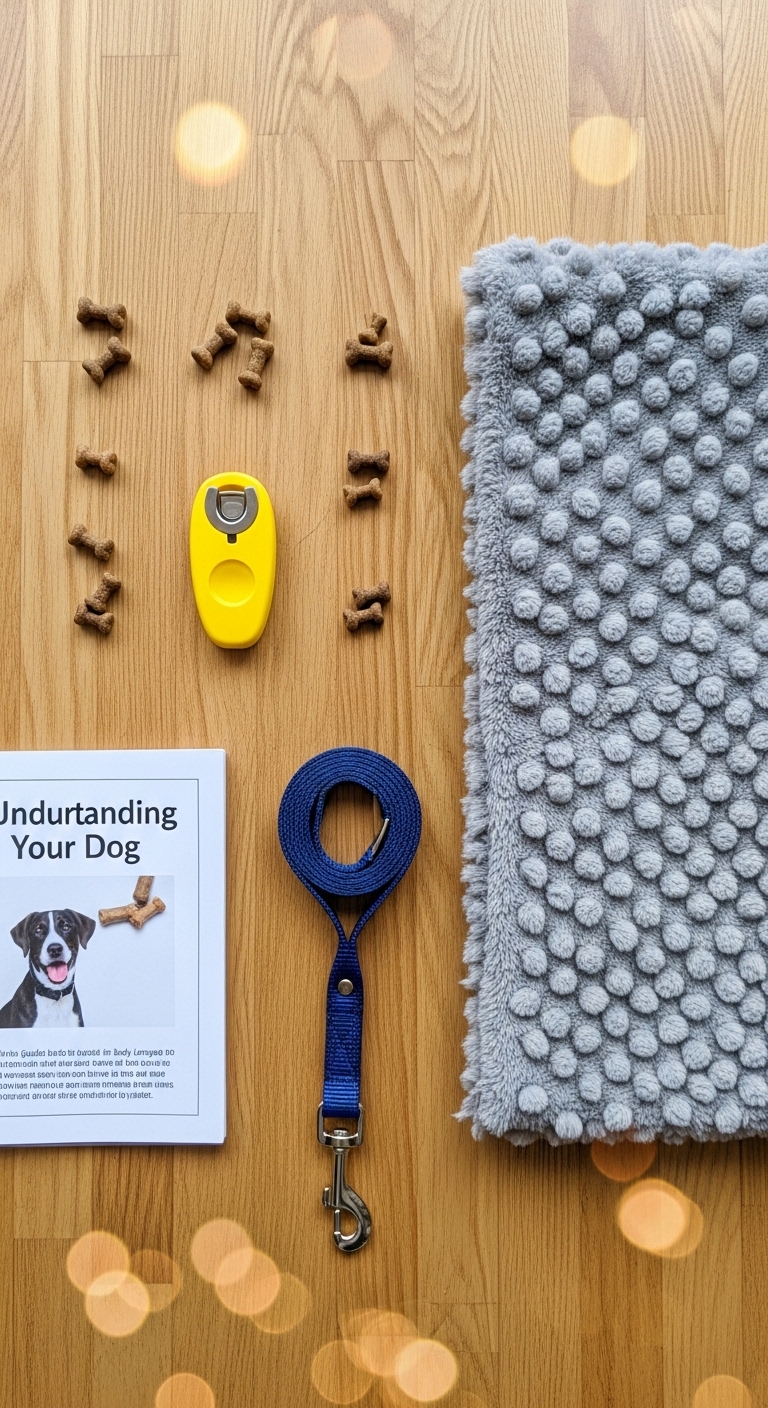
Start by teaching a 'quiet' command paired with treats when they pause barking. Reward calm behavior when the door opens, and gradually desensitize them to door sounds using controlled exposure. Avoid yelling, as it may reinforce the barking.
- → Can I use treats to stop my dog from barking at the door?
Yes! Use high-value treats to reward moments of silence when the door opens or when they stop barking. Over time, they’ll associate quiet behavior with positive outcomes, reducing unnecessary barking.
- → Are there calming products that help with door barking?
Calming aids like pheromone diffusers, anxiety wraps, or white noise machines can reduce stress triggers. Consult your vet to explore options tailored to your dog’s needs, especially if barking stems from anxiety.
- → How long does it take to train a dog to stop barking at the door?
Training duration varies by dog, but consistent practice can yield results in a few weeks. Puppies or anxious dogs may take longer, while older, well-trained dogs might respond faster. Patience and repetition are essential.
- → Should I ignore my dog when they bark at the door?
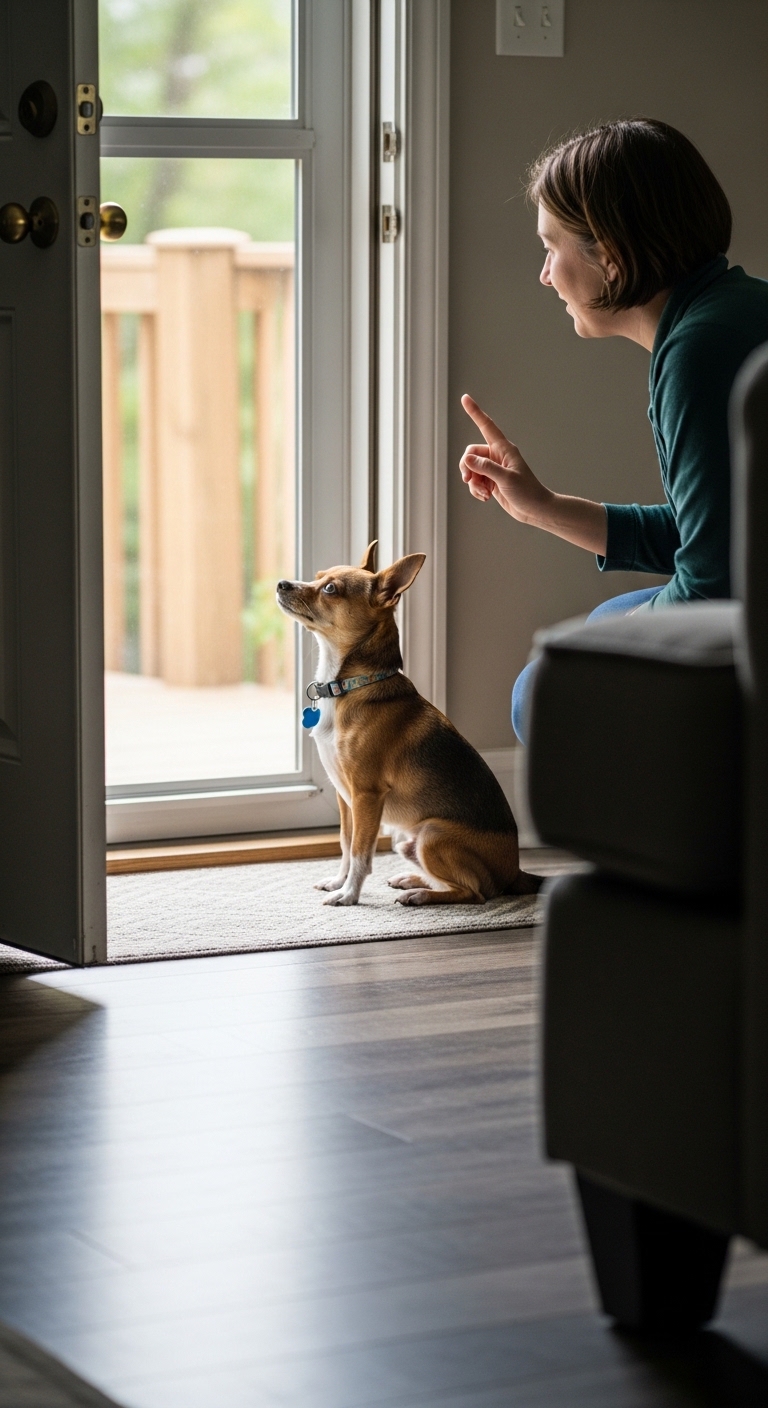
Ignoring attention-seeking barking can help, but only if you’ve ruled out anxiety or genuine alerts. Redirect their focus with commands like 'sit' or 'go to bed' and reward compliance. Never punish barking, as it can increase stress.