Why dogs sleep at your feet isn’t just a quirky habit: it’s a window into their instincts, comfort, and bond with you. Most dogs naturally seek proximity to their humans, but the position at your feet adds another layer of meaning. Whether it’s warmth, security, or a subtle way to keep an eye on things, understanding this behavior can help you strengthen your connection and even spot when something feels off.
I’ve noticed that dogs who sleep at my feet often wake up more alert and ready to play, almost like they’re recharging in a safe spot before jumping into the day.
Key Things to Understand
- Natural position: Dogs sleep at your feet because it’s a natural position that blends warmth, security, and pack instinct.
- Strategic spot: This spot allows them to stay close while still having space to react quickly if needed.
- Breed tendencies: Some breeds are more prone to this habit due to their history as guardians or herding dogs.
- Behavioral changes: If your dog suddenly changes this habit, it could signal discomfort, pain, or anxiety.
- Trust indicator: The position can also reflect their trust in you: choosing your feet over other spots shows they feel safe with you.
What to Look For
Watch how your dog positions themselves when they first settle down. If they circle before lying at your feet, it’s often a sign they’re trying to create a comfortable, secure spot. Notice if they shift positions frequently or if they stay still for long stretches: this can tell you whether they’re truly relaxed or just tolerating the spot. Also pay attention to their body language when you move. If they perk up or follow you with their eyes, they might be monitoring their environment while still staying close to you.
I’ve seen dogs who suddenly stop sleeping at their owner’s feet start acting more clingy or restless during the day, almost like they’re searching for that lost sense of security. It’s a subtle change, but it’s worth paying attention to.
Why Breed Matters in This Behavior
Not all dogs sleep at their owner’s feet for the same reasons, and breed plays a big role in this habit. Herding breeds like Border Collies or Australian Shepherds often position themselves lower to the ground, making your feet a natural resting spot. Guarding breeds, such as German Shepherds or Dobermans, might choose this position to keep an eye on their surroundings while still staying close to you. Smaller breeds, like Chihuahuas or Dachshunds, may do it simply because they feel safer in a compact space. If you have a mixed breed, observe their behavior over time: you might notice patterns that hint at their genetic instincts.
How Your Sleeping Position Affects Your Dog
Your own sleeping habits can unintentionally encourage or discourage your dog from sleeping at your feet. If you sprawl out under blankets, your dog might struggle to find a comfortable spot nearby. On the other hand, curling up under a light blanket or leaving your feet slightly exposed can make it easier for them to snuggle in. Some dogs also prefer this position when you’re on your side, as it gives them better access to your warmth without feeling trapped. If you’ve ever woken up to find your dog has shifted to the foot of the bed, it’s likely because they’re trying to balance their need for closeness with their own comfort.
When to Be Concerned About the Habit
While sleeping at your feet is usually harmless, sudden changes in this behavior can be a red flag. If your dog who normally sleeps at your feet starts avoiding the spot entirely, it could indicate pain in their joints or muscles, especially in older dogs. Similarly, if they begin whining, pacing, or showing other signs of restlessness, they might be trying to tell you something isn’t right. Pay attention to their overall energy levels too: lethargy paired with a shift in sleeping habits could signal an underlying health issue. Trust your instincts. If something feels off, a quick vet visit can rule out any problems.
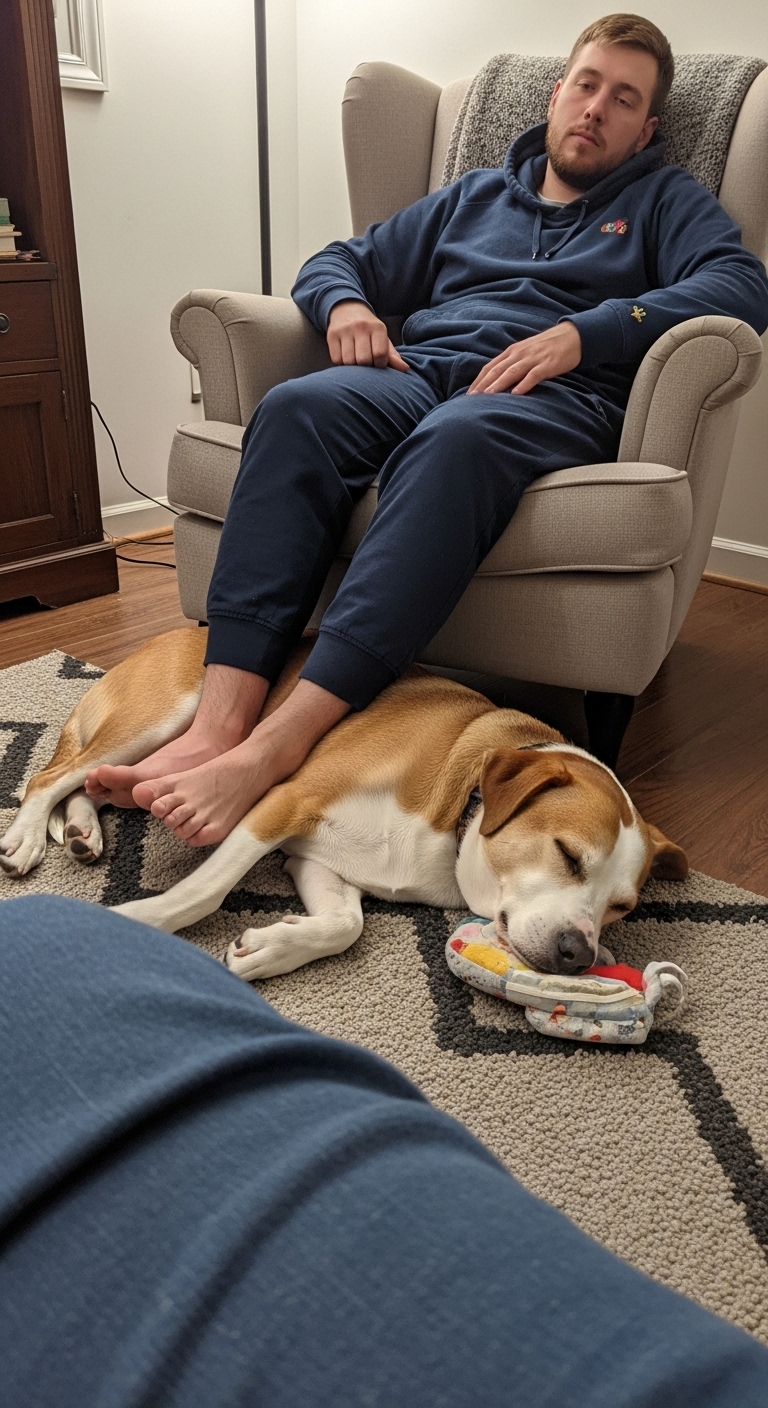
The emotional side of this habit is often overlooked. Dogs who sleep at your feet aren’t just seeking warmth: they’re reinforcing their bond with you. It’s their way of saying, “You’re my person, and I feel safest with you.”
Frequently Asked Questions
- → Why does my dog sleep at my feet instead of next to me?
Your dog may prefer sleeping at your feet due to instinctual pack behaviors. This position allows them to stay close while maintaining a sense of security and warmth. It can also be a sign of trust and comfort with you as their primary caregiver.
- → Is it normal for dogs to sleep at their owner's feet?
Yes, it is completely normal. Many dogs choose to sleep at their owner's feet as a way to bond, stay warm, or feel protected. This behavior is common and usually indicates a healthy relationship between you and your pet.
- → Can sleeping at my feet indicate my dog is anxious?
While sleeping at your feet is often a sign of comfort, sudden changes in this behavior could indicate anxiety or discomfort. If your dog starts avoiding this spot or shows other signs of stress, it may be worth consulting a vet or a pet behaviorist.
- → Do dogs sleep at their owner's feet for warmth?
Yes, your feet emit warmth, making them an appealing spot for your dog to sleep. This is especially true in colder environments or during winter months when your body heat provides a cozy resting place for your pet.
- → How can I encourage my dog to sleep in their own bed?
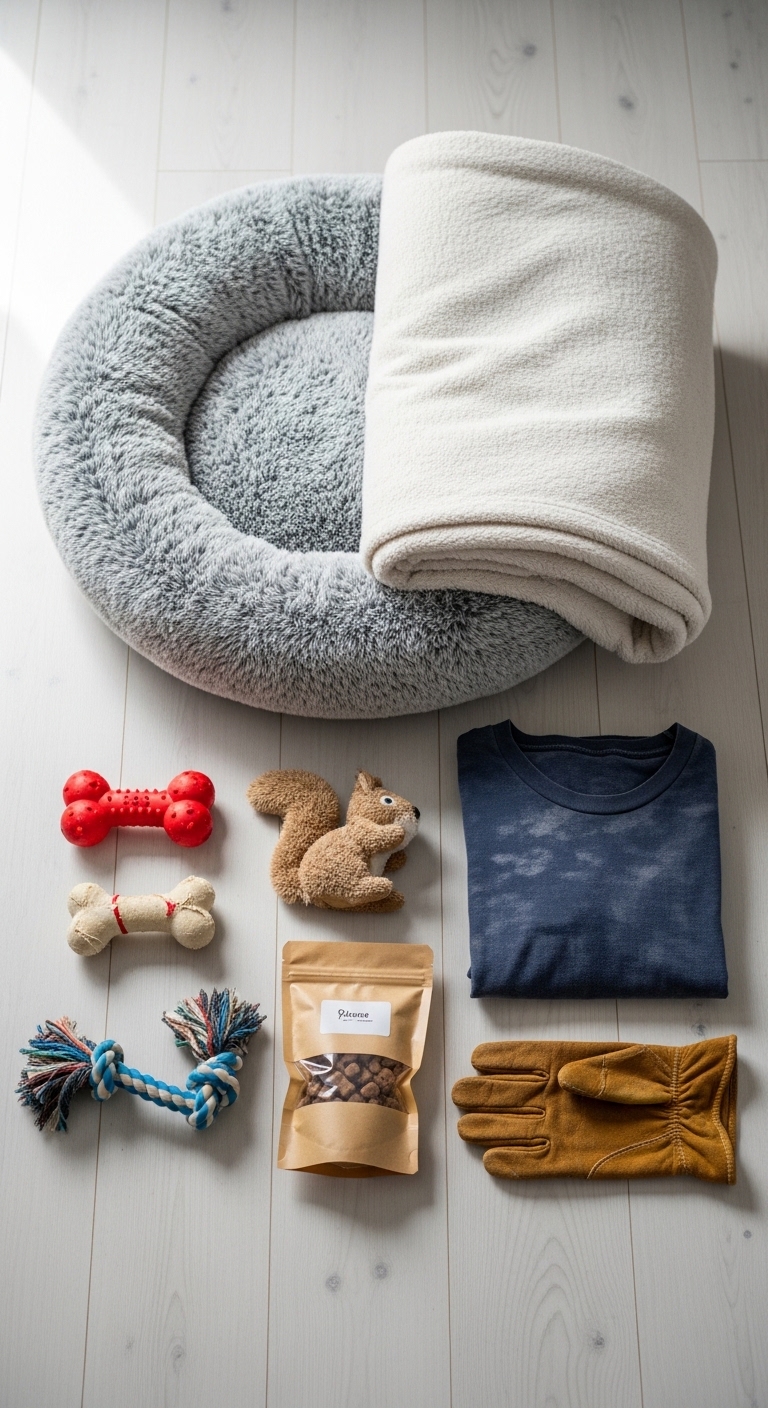
To encourage your dog to sleep in their own bed, make the bed comfortable and inviting with blankets or toys. Use positive reinforcement, such as treats or praise, when they choose to sleep there. Consistency and patience are key to helping them adjust to their new sleeping spot.
- → Does sleeping at my feet mean my dog loves me?
Absolutely! Sleeping at your feet is often a sign of trust, affection, and a strong bond between you and your dog. It shows that your pet feels safe and comfortable in your presence, which is a clear indication of their love for you.