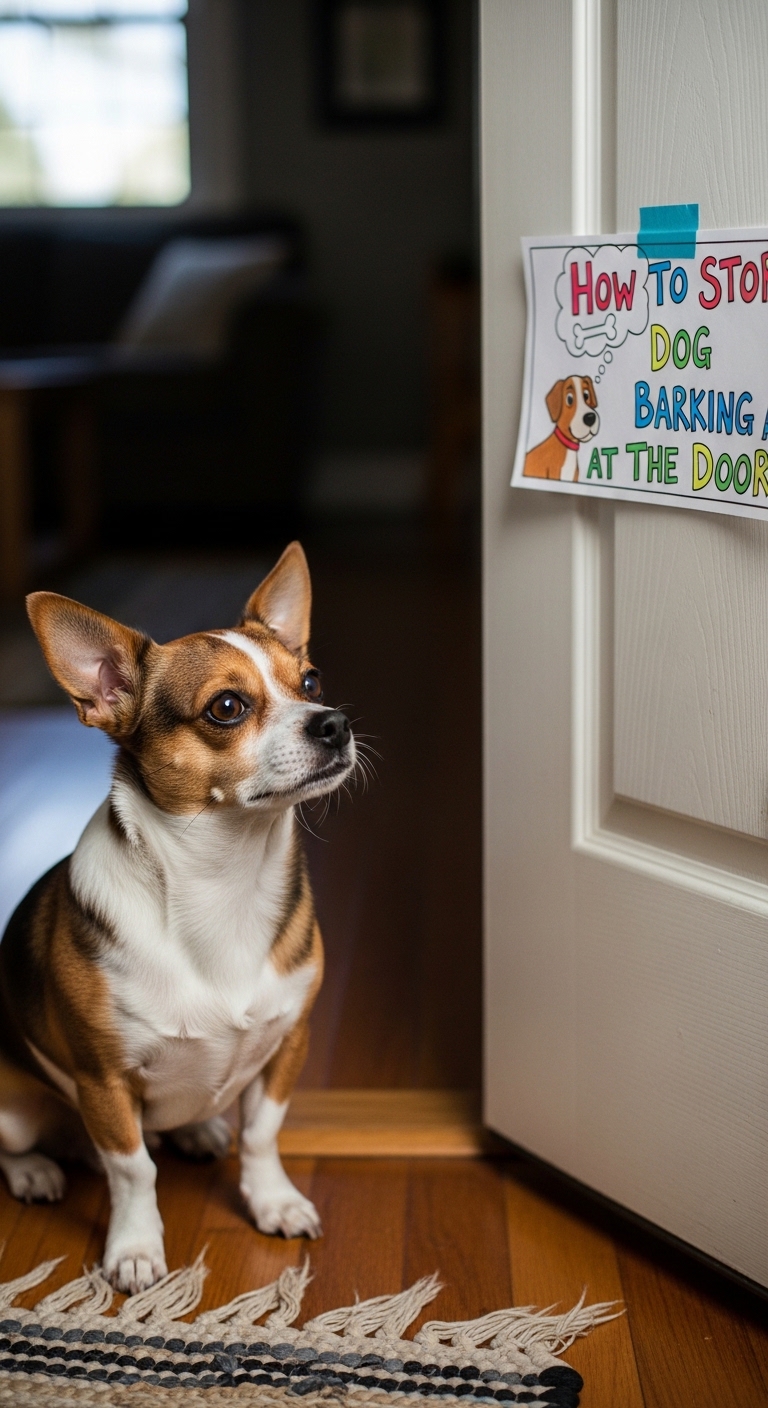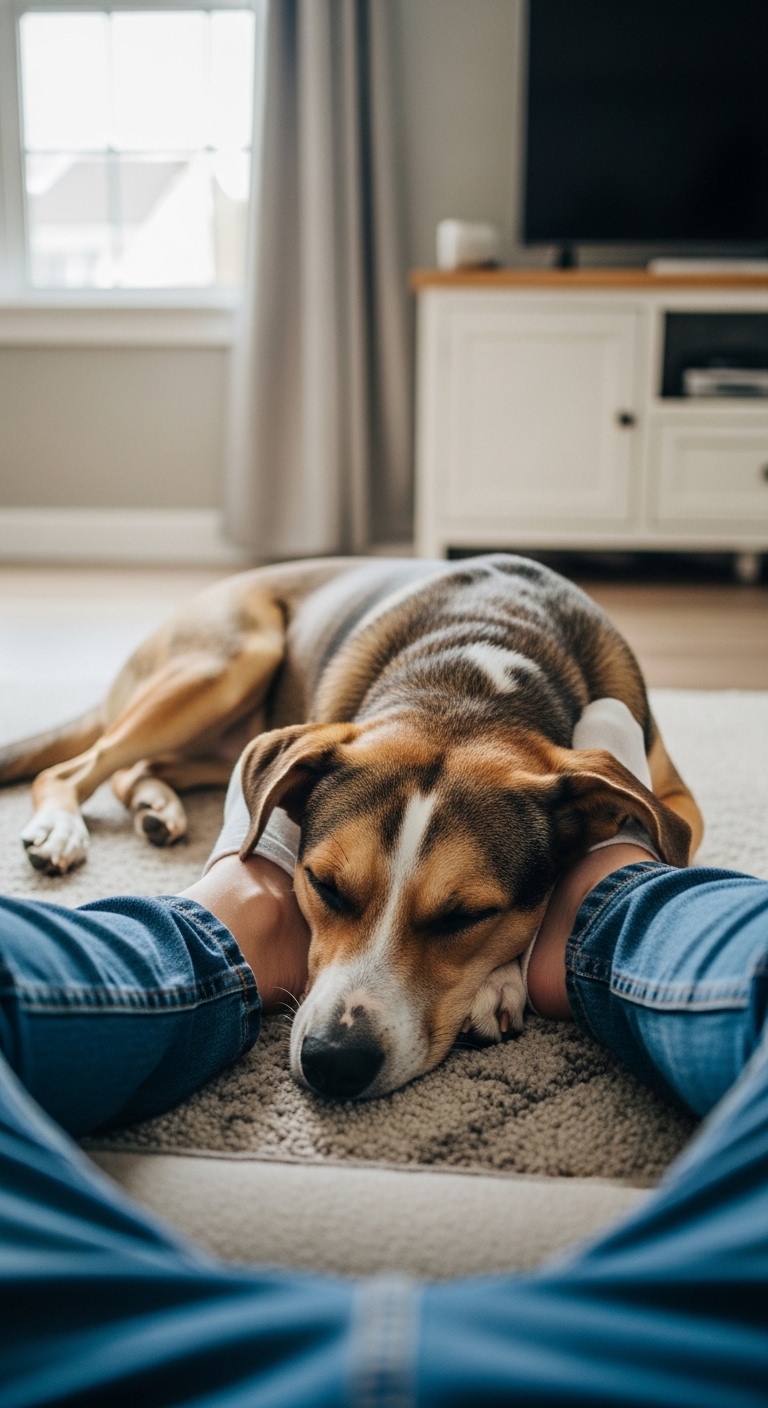
Why dogs whine at night isn’t just a random quirk: it’s often their way of telling you something important. Whether it’s discomfort, loneliness, or a need you haven’t noticed yet, nighttime whining can disrupt sleep for both of you. Understanding the root cause helps you address it before it becomes a long-term habit, keeping your pup calmer and your rest uninterrupted.
I’ve seen dogs whine for everything from needing a bathroom break to feeling anxious about a change in the household. Once you recognize the pattern, it’s much easier to fix.
Key Things to Understand
- Bathroom needs: Dogs whine at night most often because they need to go outside to relieve themselves
- Hunger or thirst: They may also whine if they’re hungry, thirsty, or uncomfortable in their sleeping space
- Anxiety or stress: Anxiety or stress from separation, new pets, or loud noises can trigger nighttime whining
- Discomfort or pain: Older dogs with joint pain or medical issues often whine due to discomfort
- Behavior reinforcement: Ignoring the whining without addressing the cause can make it louder and more frequent over time
What to Look For
Watch for signs that your dog isn’t just whining for attention but actually needs something urgent. A sudden change in whining patterns, like increased frequency or intensity, could signal pain or illness. Notice where and when the whining happens. If it starts right after you put them to bed, they might need a final bathroom trip. If it’s constant, they could be dealing with separation anxiety or a noisy environment. Pay attention to their body language too. A dog pacing, panting, or scratching at their bed while whining may be uncomfortable or in distress. Their posture can also give clues: if they’re curled up tightly, they might be cold or sore.
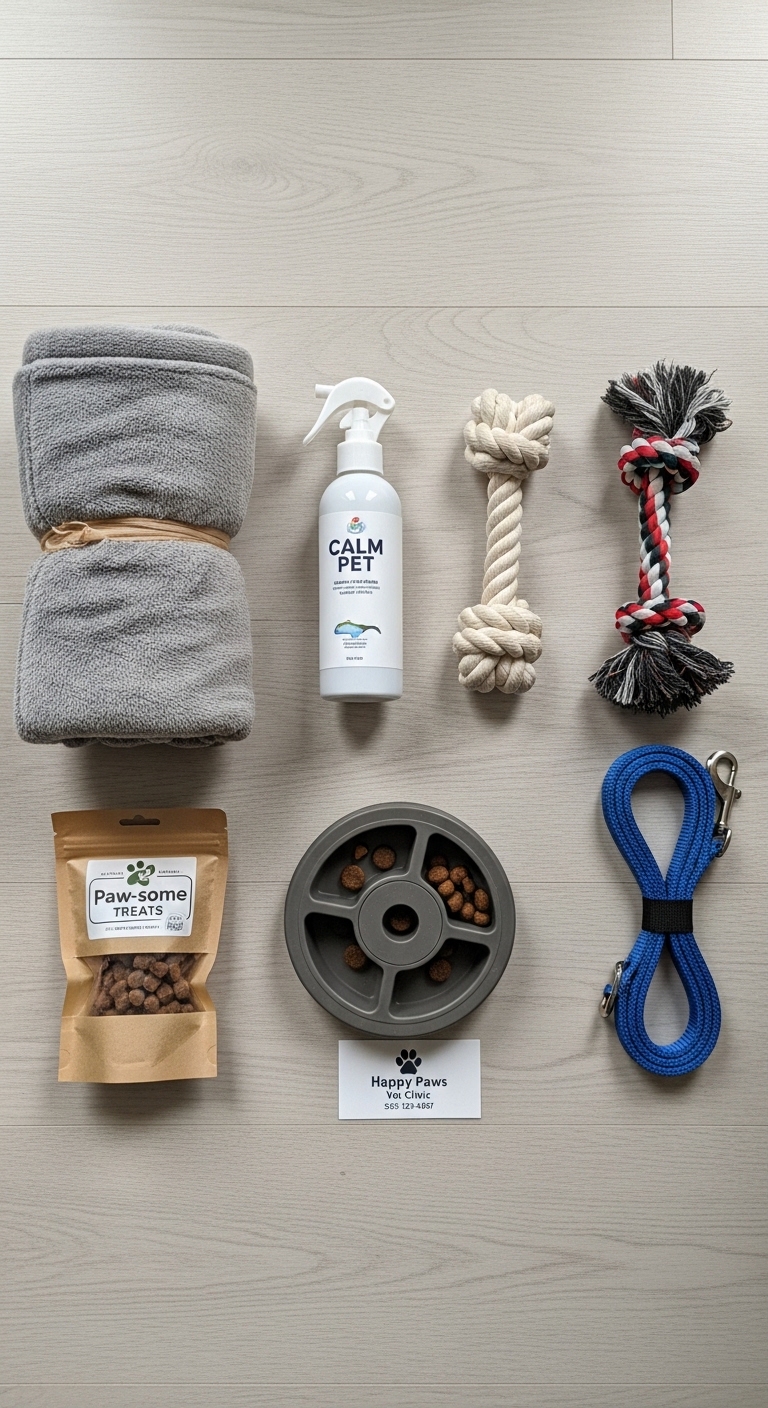
I once had a client whose dog whined every night for weeks. Turns out, the pup was thirsty because the water bowl was too far from the bed. A simple adjustment fixed it. Another common mistake is assuming whining means they want to sleep with you: sometimes they just need a quiet space to settle.
Daily care habits
Establish a predictable evening routine that includes a final bathroom break, a light snack if needed, and a cozy sleeping area. Avoid late-night play or exciting activities right before bed, as this can overstimulate your dog. If your dog whines consistently at the same time, try adjusting their feeding schedule earlier in the evening. A dog that’s hungry or has an upset stomach is more likely to fuss at night.
Choosing the right product
A supportive orthopedic bed can make a huge difference for older dogs or those with joint pain. Look for beds with memory foam that conforms to their body shape. If your dog whines due to anxiety, a calming bed with raised edges or a snuggle blanket can provide comfort. Avoid beds that are too firm or too soft: both can cause discomfort over time.
Safety and comfort
Check your dog’s sleeping area for hazards like loose wires, sharp edges, or objects they could chew. Make sure the room temperature is comfortable: most dogs sleep best between 60 and 70 degrees Fahrenheit. If your dog whines and paces, they might be too hot or too cold. A breathable blanket or a cooling mat can help regulate their temperature.
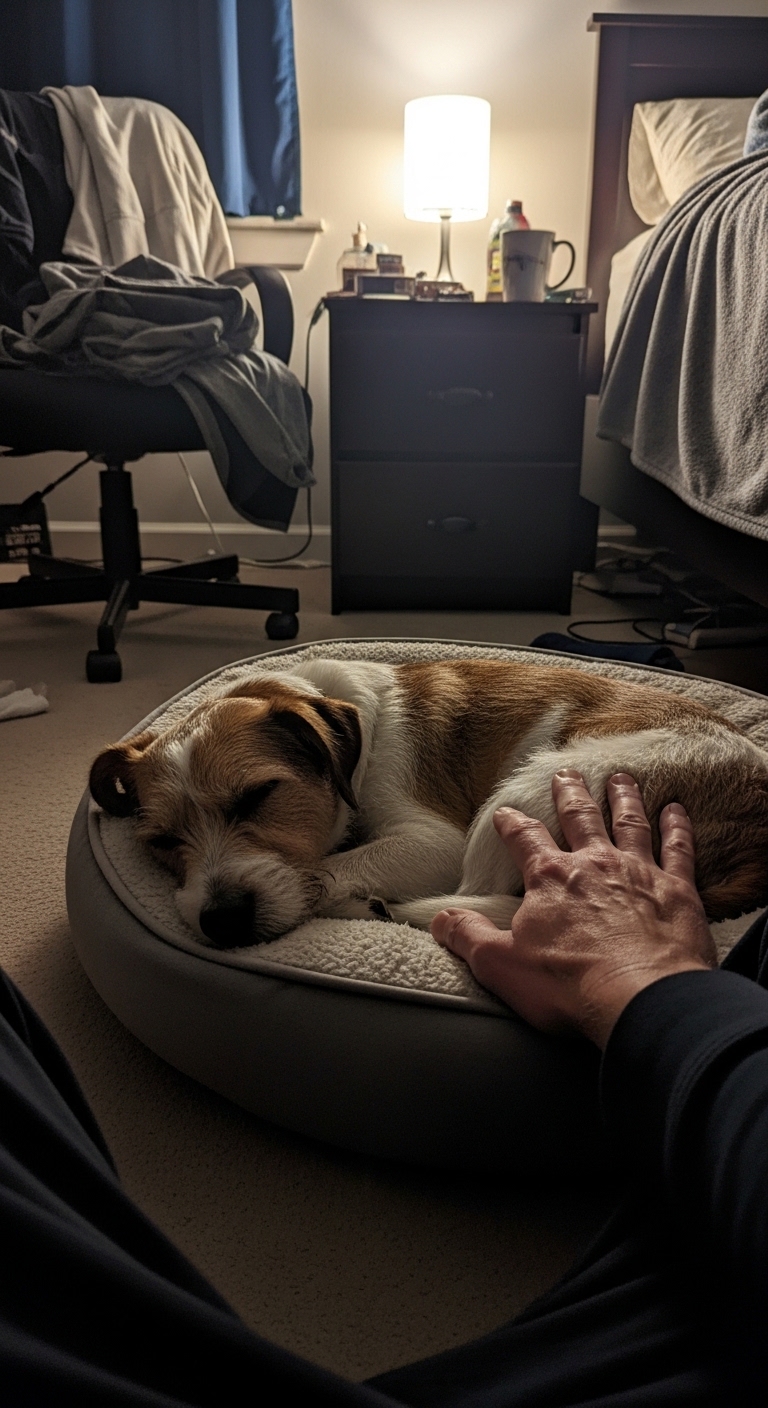
Addressing nighttime whining starts with observation and small adjustments. The right approach can turn restless nights into peaceful sleep for both you and your dog.
Frequently Asked Questions
- → Why does my dog whine more at night than during the day?
Nighttime whining often stems from a dog’s natural instinct to seek attention or express discomfort when their routine is disrupted. Reduced activity and fewer distractions at night can make them more vocal about unmet needs like hunger, bathroom breaks, or anxiety.
- → Can separation anxiety cause dogs to whine at night?
Yes, separation anxiety is a common cause of nighttime whining. Dogs with this condition may feel stressed when left alone, even if they’re in a familiar environment. Signs include excessive vocalization, pacing, or destructive behavior.
- → How can I tell if my dog’s whining is due to pain?
If your dog whines specifically when moving or touching certain areas, it could indicate pain or discomfort. Other signs include limping, changes in appetite, or lethargy. A vet visit is recommended to diagnose and treat any underlying medical issues.
- → Should I ignore my dog’s nighttime whining to avoid reinforcing the behavior?
Ignoring whining can work if the cause is attention-seeking, but first ensure your dog’s basic needs are met. If the whining persists, consult a trainer to address behavioral triggers without resorting to punishment, which can increase anxiety.
- → What’s the best way to soothe a whining dog at night?
Start by checking for obvious needs like food, water, or a bathroom break. Create a calming bedtime routine with dim lighting and soft music. A warm, comfortable bed and familiar toys can also help. If anxiety is the issue, consider a calming aid like a weighted blanket or pheromone diffuser.
- → Can diet affect my dog’s nighttime whining?
Yes, an improper diet or eating too close to bedtime can cause digestive discomfort, leading to whining. Feed your dog a balanced diet and avoid late-night meals. Consult your vet if you suspect food allergies or sensitivities are contributing to their restlessness.