
Who let the dogs out isn’t just a catchy song: it’s a question many pet owners ask themselves daily. Whether you're dealing with a barking dog at 3 AM or trying to figure out why your pup suddenly won’t stop howling, understanding the reasons behind your dog’s behavior can make life with your furry friend much smoother. Noise isn’t just noise when it comes to dogs: it’s their way of communicating, and learning to read those signals can save you from frustration and help your dog feel more secure.
I once had a neighbor who would call me every time my dog barked, convinced it was a sign of aggression. Turns out, he just wanted to play, and once I understood that, the calls stopped and so did the guilt.
Key Things to Understand
- Dogs bark for many reasons: including boredom, fear, excitement, or the need for attention. Recognizing the difference helps you address the root cause instead of just silencing the sound.
- Excessive barking often signals an unmet need: like exercise, mental stimulation, or social interaction. Ignoring it can lead to bigger behavioral issues down the line.
- Some breeds are naturally more vocal: than others due to their history as working or guard dogs. Knowing your dog’s breed tendencies can help set realistic expectations.
- Yelling or punishment usually makes barking worse: because it adds to the dog’s stress or excitement. A calm, consistent response works better in the long run.
- Background noise can help: like TV or white noise can mask outside sounds that trigger barking, giving your dog a sense of security.
What to Look For
Pay attention to the tone and rhythm of your dog’s barking. A sharp, repetitive bark often means they’re alerting you to something specific, like a stranger at the door. A long, drawn-out howl might signal loneliness or a call to other dogs. Notice when the barking happens most: right after you leave, during thunderstorms, or when the mail arrives. These patterns reveal what’s really bothering your dog. Also watch their body language. A wagging tail with a relaxed posture usually means they’re just excited, while a stiff, low stance with raised hackles suggests fear or aggression. The more you observe, the easier it becomes to tell the difference between a playful bark and a stressed one.
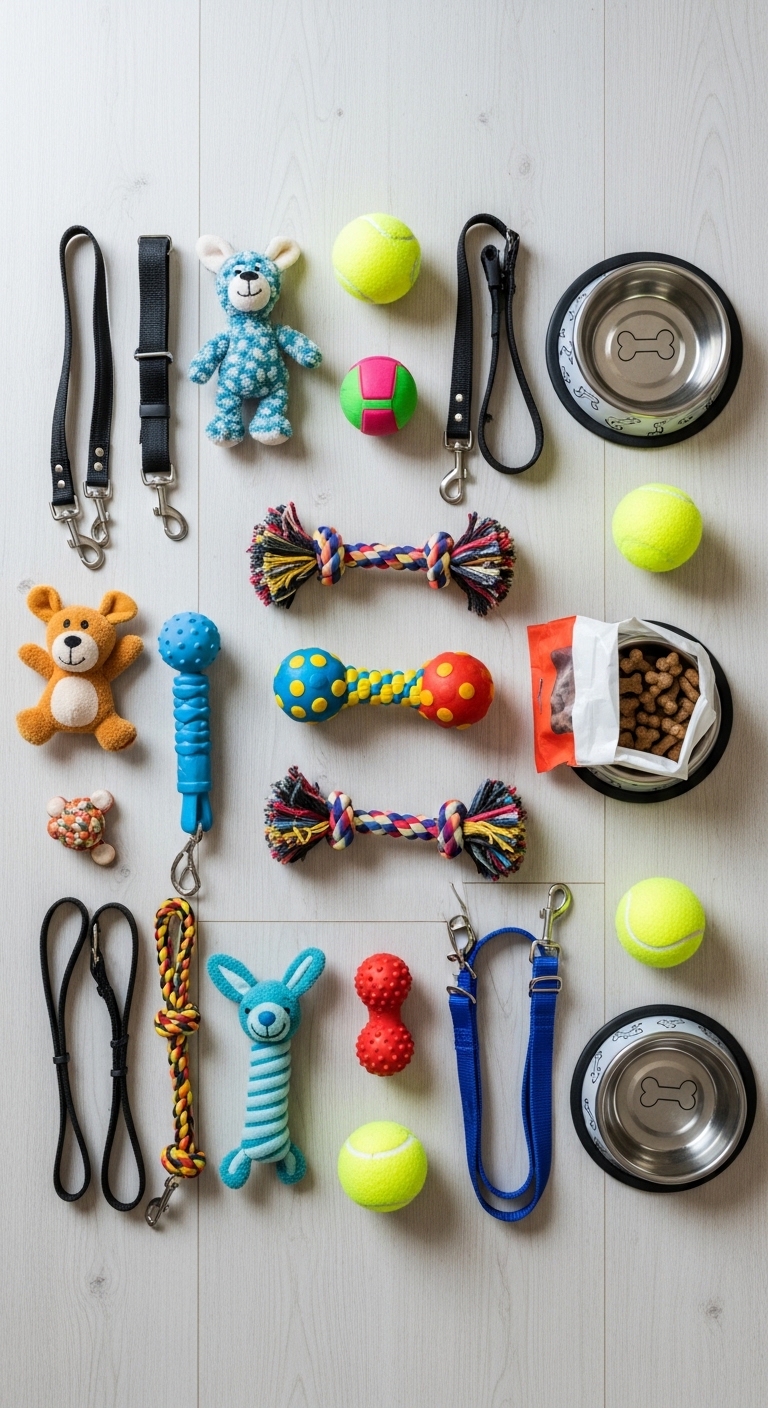
I learned this the hard way when I tried spraying my dog with water every time he barked. Not only did it make him more anxious, but he started barking even when I wasn’t home because he associated the sound of me coming with the unpleasant spray. A better approach is redirecting their energy into a toy or a training command instead.
Daily care habits
Incorporate short training sessions into your daily walks to reinforce quiet commands. Even five minutes of practice can make a big difference over time. Rotate your dog’s toys every few days to keep them interesting. A bored dog is a noisy dog, and fresh toys can help redirect their focus. Schedule playtime before you leave the house so your dog is tired and less likely to bark out of restlessness.
Choosing the right product
Look for anti-bark collars that use vibration or sound instead of shock. These are less likely to cause stress and more likely to get your dog’s attention without fear. Consider puzzle feeders or interactive toys to keep your dog mentally engaged when you’re not around. A tired mind is less likely to resort to barking. If your dog reacts to outside noises, white noise machines designed for pets can help mask triggers like passing cars or barking from other dogs.
Safety and comfort
Never leave your dog outside for long periods in extreme weather, as this can increase stress and lead to excessive barking. Make sure your dog has a quiet, cozy space to retreat to when they feel overwhelmed. A crate or a corner with their favorite blanket can work wonders. Check for anything in their environment that might be causing discomfort, like a loose collar or a drafty window.
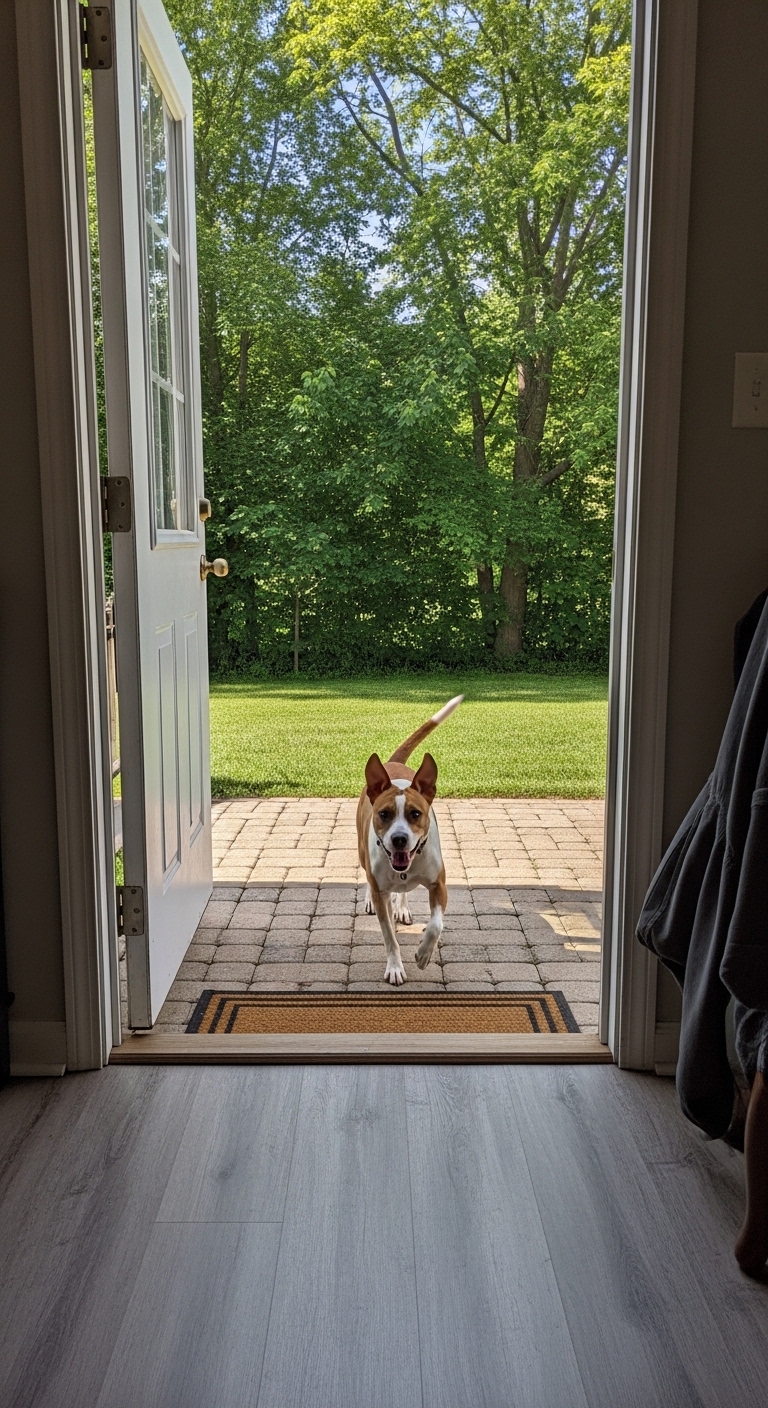
At the end of the day, your dog isn’t trying to be difficult: they’re just trying to communicate in the only way they know how. The more you listen and respond with patience, the quieter and happier your home will become.
Frequently Asked Questions
- → What are the lyrics to 'Who Let the Dogs Out'?
The lyrics go: 'Who let the dogs out? Woof, woof, woof, woof, who let the dogs out? Who? Who? Who? Who?'
- → Why do dogs react to this song?
Dogs often react to high-pitched sounds and rhythmic beats, which can trigger their natural instincts to bark or howl. The repetitive nature of the song makes it easy for them to join in.
- → Can I use this song to train my dog?
While the song itself isn't a training tool, using it during playtime can help reinforce positive behaviors and strengthen your bond with your pet.
- → Where can I find the full lyrics?
The full lyrics are widely available online, including on lyric websites and music streaming platforms like Spotify or YouTube.
- → Is this song safe for dogs to listen to?
Yes, the song is safe for dogs to listen to. Just ensure the volume isn't too loud to avoid startling your pet.
- → How can I make the song more engaging for my dog?
Try singing along with exaggerated tones or using a toy to keep your dog's attention. You can also dance or move around to make it more interactive.