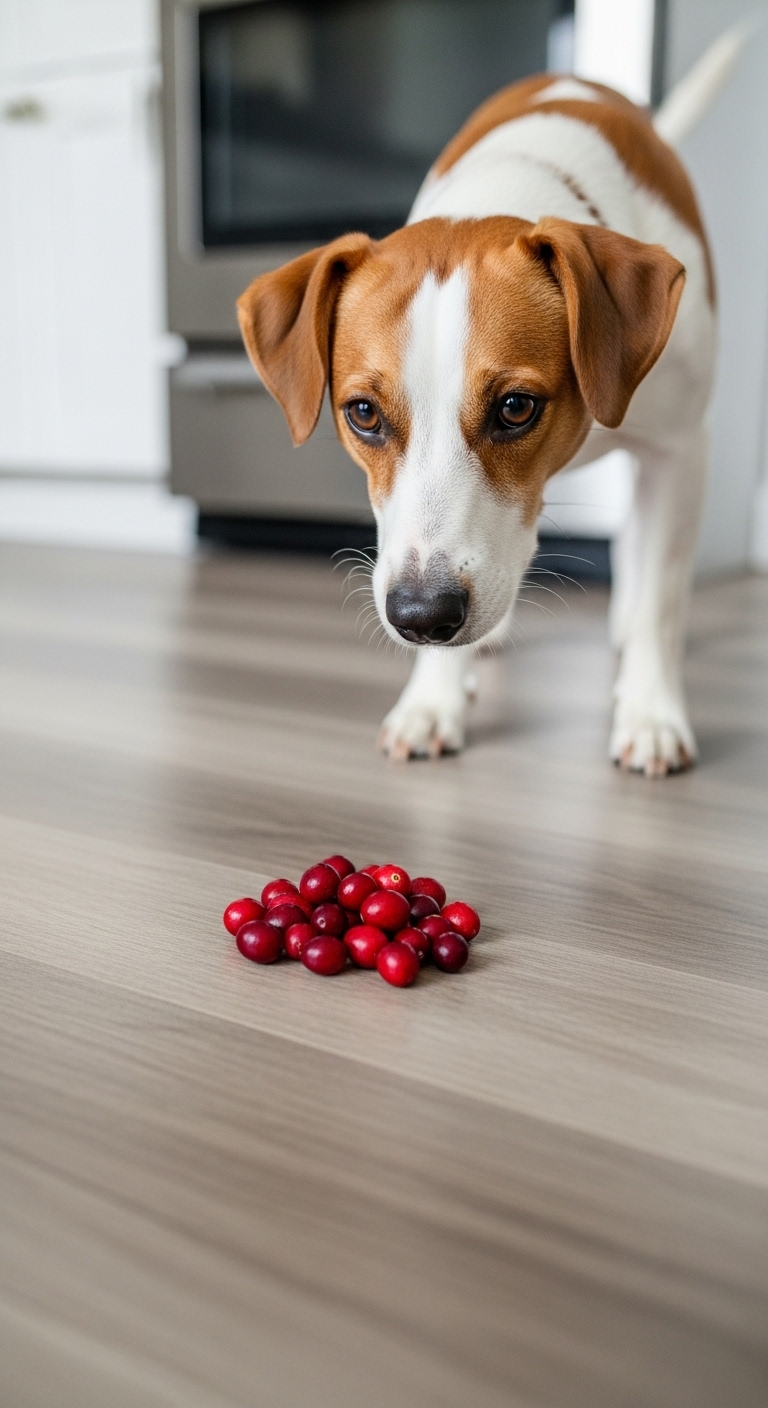
Can dogs eat cabbage? It’s a question many pet owners ask when looking for healthy, budget-friendly ways to add variety to their dog’s diet. Cabbage is packed with nutrients like vitamins C and K, fiber, and antioxidants, which can support your dog’s immune system and digestion. But before you toss a leaf their way, it’s important to understand how to serve it safely and in what amounts. Too much can cause digestive upset, and certain types may not agree with sensitive stomachs.
I still remember the first time I gave my dog a small piece of raw cabbage: he sniffed it, took one bite, and then gave me that classic “what is this?” look. It was funny, but it also taught me that even healthy foods need to be introduced slowly.
Key Things to Understand
- Cabbage is safe for dogs in moderation: but should never replace their regular diet
- Raw cabbage can be hard to digest: so cooking it lightly can help
- Red and green cabbage are generally safe: but avoid savoy cabbage as it’s harder to digest
- Too much cabbage can cause gas or bloating: so start with small amounts
- Never season cabbage: with onions, garlic, salt, or spices, as these are toxic to dogs
What to Look For
When introducing cabbage to your dog, start by observing their reaction to a tiny piece. Some dogs take to it immediately, while others may sniff it curiously but refuse to eat it. Watch for signs of excitement or hesitation: this tells you if they enjoy the taste. If your dog has a sensitive stomach, cooked cabbage is usually easier to digest than raw. Look for soft, wilted leaves rather than crisp ones, as they’re gentler on the digestive system. Also, check for any unusual reactions like vomiting or diarrhea in the hours after eating, which could mean the cabbage didn’t agree with them.
I once made the mistake of giving my neighbor’s dog a whole cabbage leaf as a treat, thinking it would be a fun snack. Within an hour, the poor pup was bloated and uncomfortable. It was a good lesson in portion control: what seems like a harmless treat can quickly become too much for a dog’s system.
How to Serve Cabbage to Dogs Safely
Steaming or boiling cabbage is one of the best ways to serve it, as it softens the tough fibers and makes it easier to digest. You can mix small pieces into their regular kibble or serve it as a standalone side dish. If your dog prefers crunch, finely shredded raw cabbage can work, but only in very small amounts. Avoid adding any oils, butter, or seasonings, as these can upset your dog’s stomach. Some owners blend cabbage into homemade dog treats or mix it into mashed sweet potatoes for a nutrient boost.
Signs Your Dog Isn’t Tolerating Cabbage Well
If your dog experiences excessive gas, diarrhea, or vomiting after eating cabbage, it’s a clear sign they’re not tolerating it well. Some dogs may also show signs of discomfort like pacing or whining, which could indicate abdominal pain. If these symptoms persist, it’s best to avoid cabbage altogether and consult your vet. Every dog is different, so what works for one may not work for another.
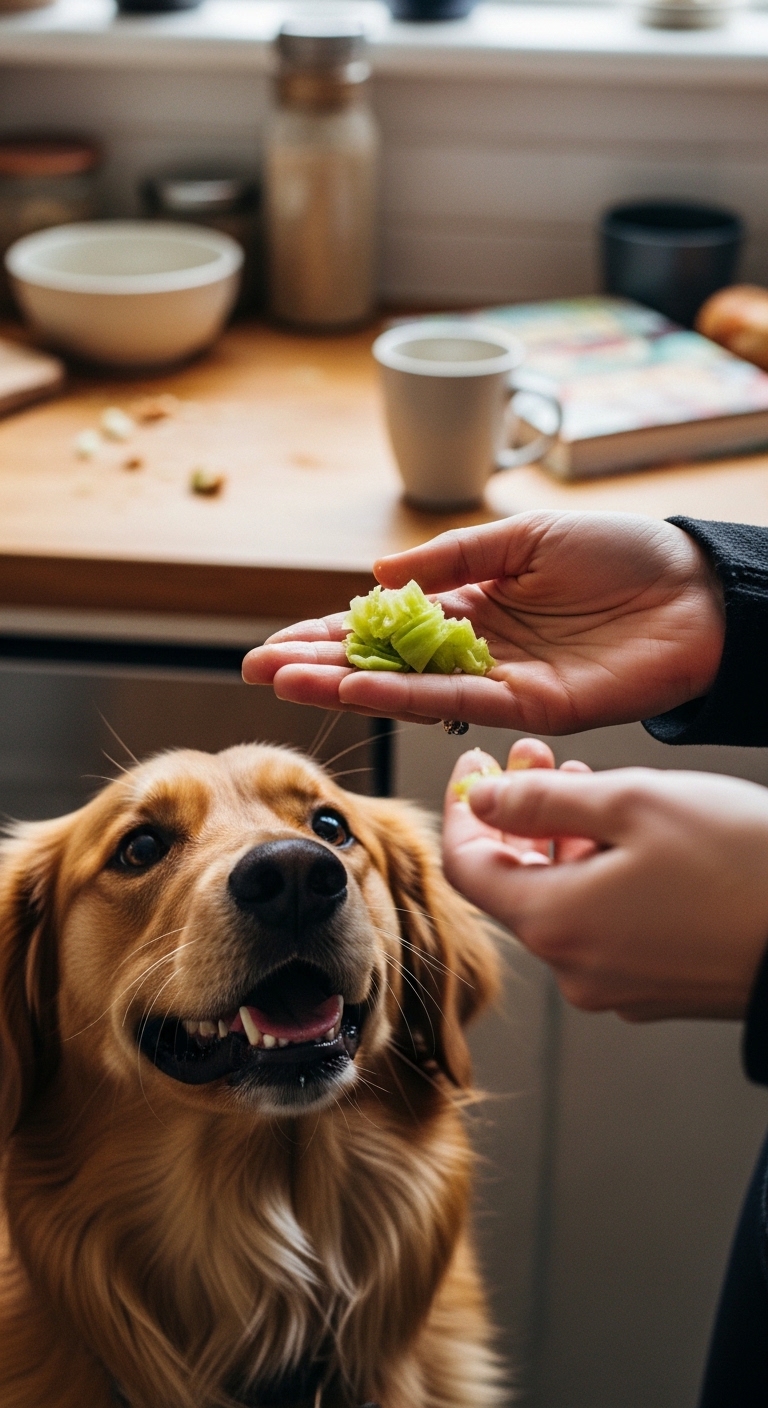
Cabbage can be a healthy addition to your dog’s diet if introduced carefully. Always prioritize balance and moderation to keep their meals safe and enjoyable.
Frequently Asked Questions
- → Is cabbage safe for all dogs?
Most dogs can eat cabbage safely in small amounts, but those with thyroid issues or sensitive stomachs should avoid it. Always introduce new foods slowly to monitor for adverse reactions.
- → How much cabbage can I give my dog?
Start with a few small pieces (about 1-2 tablespoons per 10 lbs of body weight) and observe for digestive changes. Too much can cause gas or diarrhea due to its high fiber content.
- → Can dogs eat raw cabbage?
Yes, raw cabbage is safe but should be chopped finely to prevent choking. Steaming or boiling can make it easier to digest for some dogs, especially smaller breeds.
- → What are the benefits of cabbage for dogs?
Cabbage provides vitamins K and C, fiber for digestion, and antioxidants that support immune health. It’s also low in calories, making it a great occasional snack for weight management.
- → Can cabbage cause allergies in dogs?
While rare, some dogs may be allergic to cabbage. Watch for signs like itching, vomiting, or diarrhea after feeding. If symptoms occur, discontinue use and consult your vet.
- → How should I prepare cabbage for my dog?
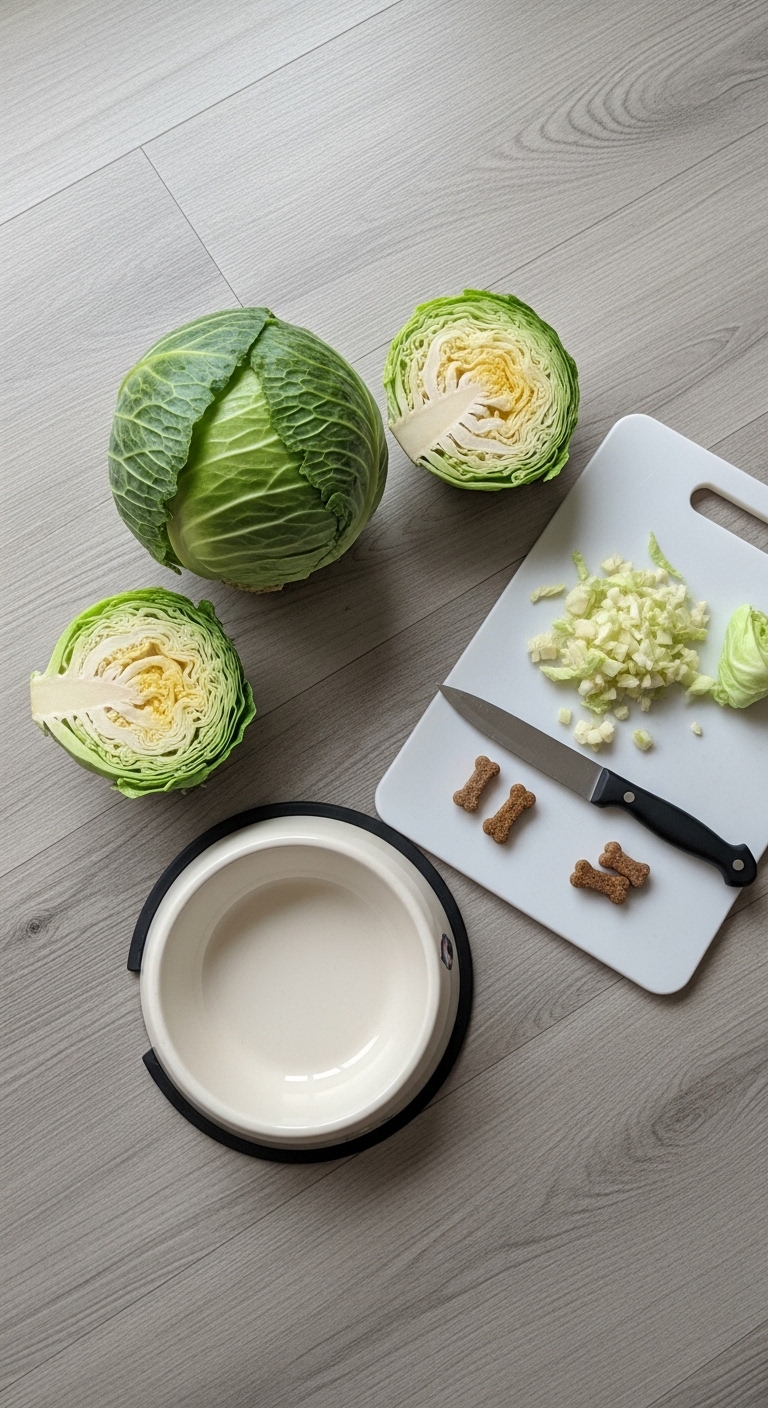
Wash thoroughly, remove the core, and chop into bite-sized pieces. Avoid seasoning, oils, or cooking methods that include harmful ingredients like garlic or onions.