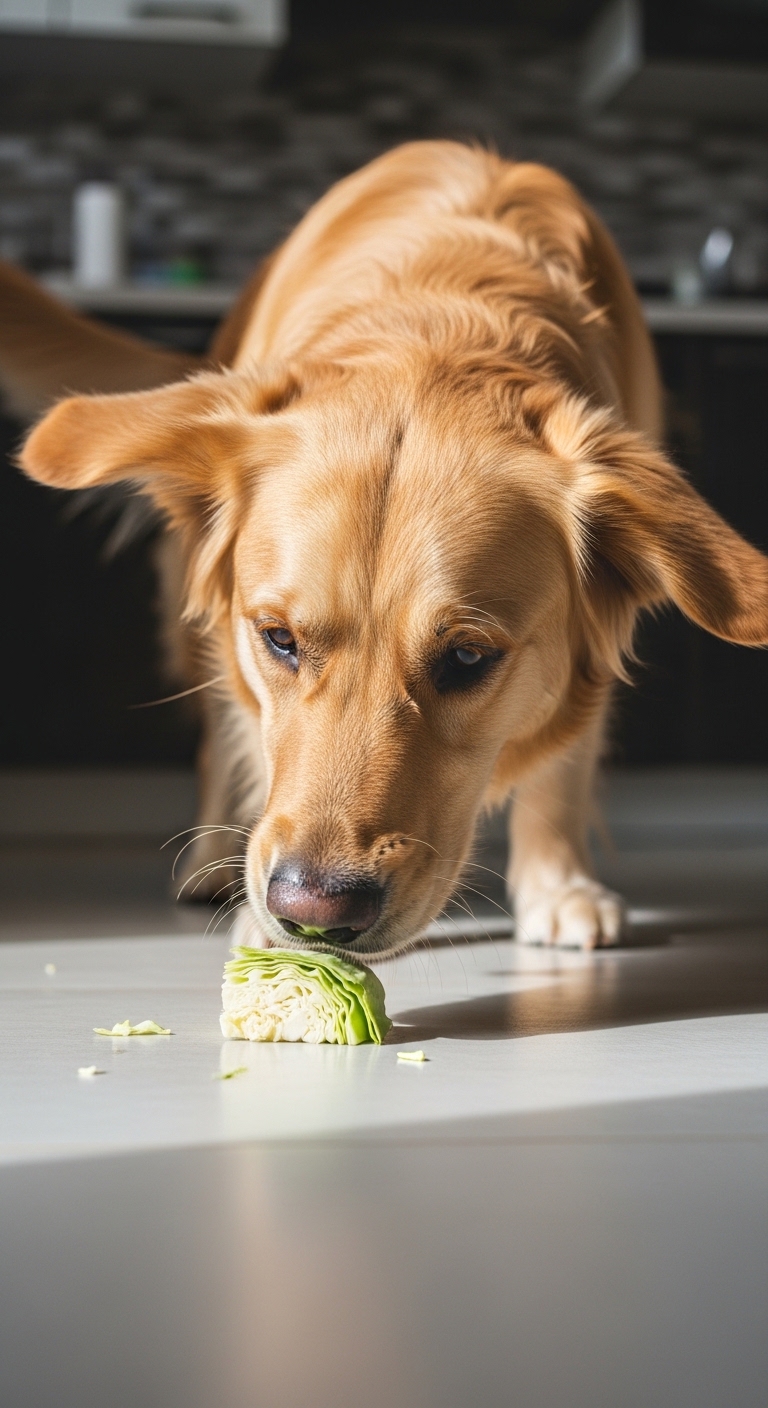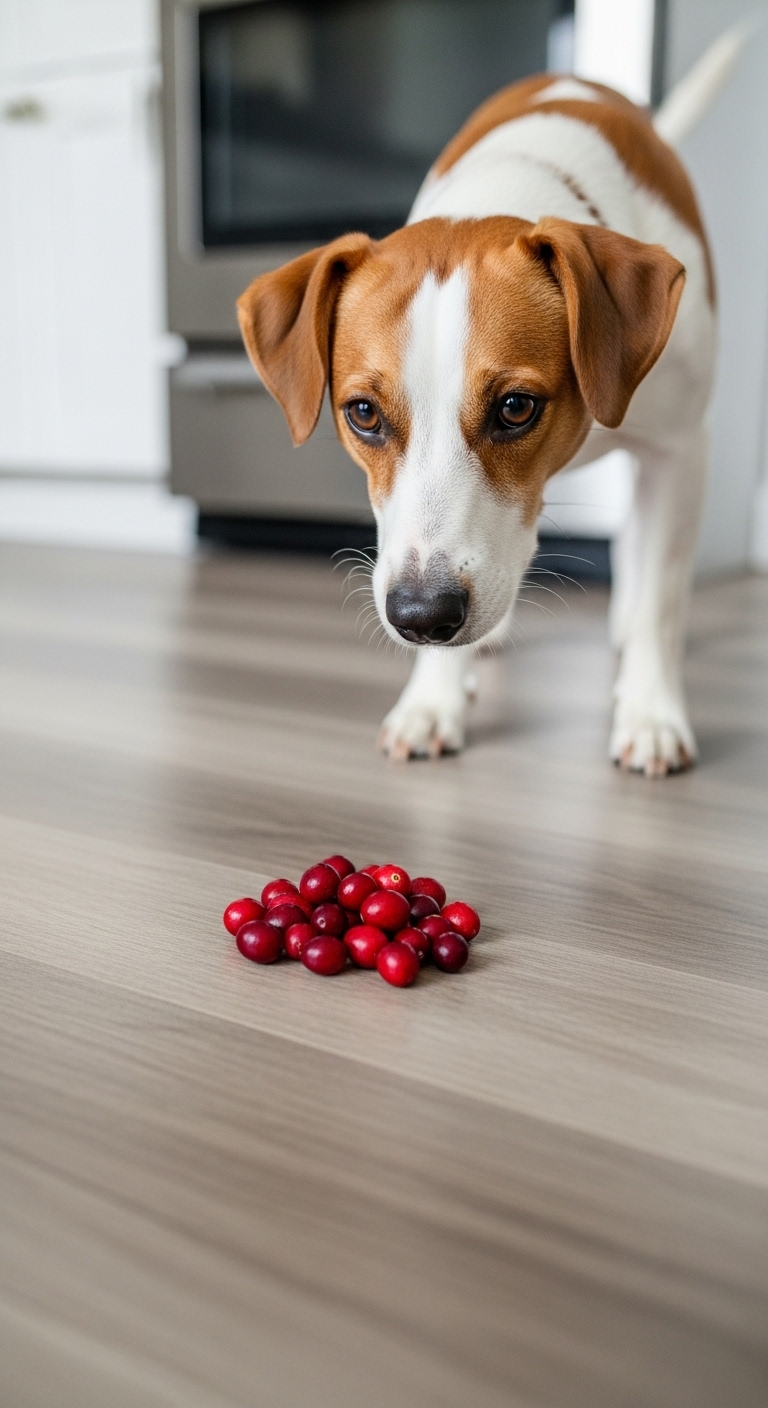
Coconut is a tropical treat many pet owners wonder about when sharing snacks with their dogs. While it’s not toxic, the key is knowing how to serve it safely and in what amounts. Too much can upset your dog’s stomach, but in moderation, coconut offers healthy fats and a tasty crunch. For busy pet owners, understanding the right way to introduce coconut can turn a simple snack into a beneficial addition to your dog’s diet.
I once gave my golden retriever a small piece of coconut without realizing the high fat content could trigger pancreatitis. After a vet visit, I learned moderation is everything. Now I only offer it as an occasional treat.
Key Things to Understand
- Coconut meat: safe for dogs in small amounts but should never be a daily food
- Coconut oil: can be beneficial for skin and coat health when used correctly
- Coconut water: contains natural sugars and should be given sparingly
- Shredded coconut: often contains added sugars or preservatives that are unsafe
- Fresh coconut: is always the best choice over processed or flavored versions
What to Look For
Watch how your dog reacts after the first small taste of coconut. Some dogs tolerate it well, while others may develop loose stools or vomiting, especially if they eat too much at once. Look for plain, unsweetened coconut with no added flavors or preservatives. If you’re using coconut oil, check the label for 100% pure oil without additives. For coconut water, opt for plain, unsweetened versions to avoid unnecessary sugar intake. Always introduce new foods slowly and in tiny portions to monitor your dog’s tolerance.
I’ve seen dogs get sick from coconut-flavored treats that contained artificial sweeteners or xylitol, which is extremely dangerous. Even if a product says “coconut,” always double-check the ingredient list. Another common mistake is assuming coconut water is always safe: some brands add sugars or electrolytes that can cause stomach upset in dogs.
Daily Care Habits
Introducing coconut should be a gradual process. Start with a pea-sized amount of fresh coconut meat and observe your dog for 24 hours. If there’s no vomiting or diarrhea, you can slowly increase the portion to a teaspoon for small dogs or a tablespoon for larger breeds. Keep coconut as an occasional treat, not a regular part of their diet. If your dog has dietary restrictions or health conditions, consult your vet before adding coconut to their routine.
Choosing the Right Product
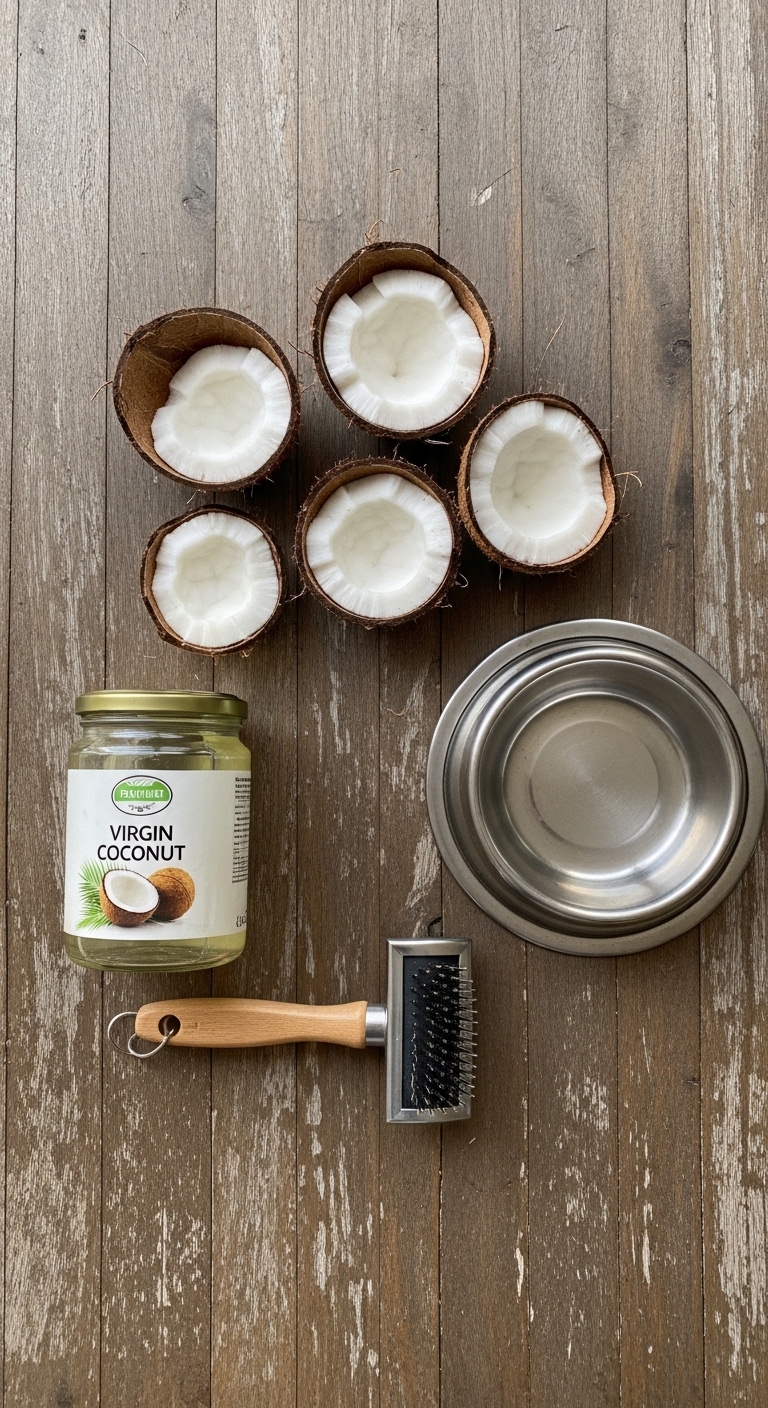
When buying coconut for your dog, fresh is always best. Look for young, soft coconut meat, which is easier to digest than the harder, mature variety. If using coconut oil, choose virgin, cold-pressed oil without additives. For coconut water, stick to plain, unsweetened options to avoid unnecessary sugars. Avoid any products with added flavors, preservatives, or artificial sweeteners, as these can be harmful.
Safety and Comfort
Never give your dog coconut shells or husks, as they can cause choking or intestinal blockages. If using coconut oil topically, do a patch test first to check for skin irritation. Some dogs may develop allergies to coconut, so watch for signs like itching or redness after ingestion. If your dog has a sensitive stomach, coconut might not be the best treat: opt for something gentler like plain pumpkin instead.

Coconut can be a fun, healthy treat when given responsibly. Always prioritize freshness and moderation to keep your dog safe and happy.
Frequently Asked Questions
- → Is coconut safe for all dogs?
Most dogs can safely eat coconut in small amounts, but those with pancreatitis or sensitive stomachs should avoid it due to its high fat content.
- → How much coconut can I give my dog?
Start with a teaspoon per 10 pounds of body weight and observe for any digestive issues before increasing the amount.
- → Can dogs eat coconut oil?
Yes, coconut oil is safe for dogs in moderation and can improve coat health and reduce inflammation when used topically or added to food.
- → What are the benefits of coconut for dogs?
Coconut contains lauric acid, which supports immune function, and healthy fats that promote skin and coat health. It may also aid digestion.
- → Are there risks to feeding coconut to dogs?
Risks include digestive upset, pancreatitis in high-fat-sensitive dogs, and choking hazards from the shell or husk. Always serve coconut plain and in moderation.
- → Can puppies eat coconut?
Puppies can eat coconut in very small amounts, but it should not replace their balanced puppy diet. Consult your vet before introducing new foods.