Can dogs eat bacon? It’s a question many pet owners ask when those puppy eyes beg for a taste of your breakfast. Bacon is a favorite for humans, but sharing it with your dog isn’t as simple as it seems. While a tiny nibble might not hurt, feeding bacon regularly can lead to serious health issues for your furry friend. Understanding the risks and alternatives can help you make better choices for your dog’s diet and long-term well-being.
I’ve seen too many dogs end up at the vet because their owners thought a little bacon wouldn’t hurt. One time, a friend’s golden retriever got into a whole pack of bacon while they were out. Luckily, they caught it early, but it was a wake-up call about how quickly a harmless snack can turn into an emergency.
Key Things to Understand
- High fat and salt content: Bacon is high in fat and salt, which can cause pancreatitis in dogs, a painful and potentially life-threatening condition.
- Digestive upset: Even small amounts of bacon grease can upset your dog’s stomach and lead to vomiting or diarrhea.
- Toxic additives: Processed meats like bacon often contain additives and preservatives that are toxic to dogs, such as nitrates.
- Long-term health risks: Feeding bacon regularly can contribute to obesity, heart disease, and other long-term health problems.
- Allergies or sensitivities: Some dogs may have allergies or sensitivities to pork, which can cause skin irritations or digestive issues.
What to Look For
Watch for signs that your dog has eaten bacon without your knowledge, such as greasy paw prints, crumbs on the floor, or an empty package. If your dog shows symptoms like vomiting, diarrhea, lethargy, or a loss of appetite after eating bacon, contact your vet immediately. Pay attention to how your dog reacts to fatty foods: some dogs are more sensitive than others and may develop stomach issues even from a small amount. If your dog begs for bacon during meals, it’s a sign they’re craving something rich and flavorful, which you can address with safer alternatives.
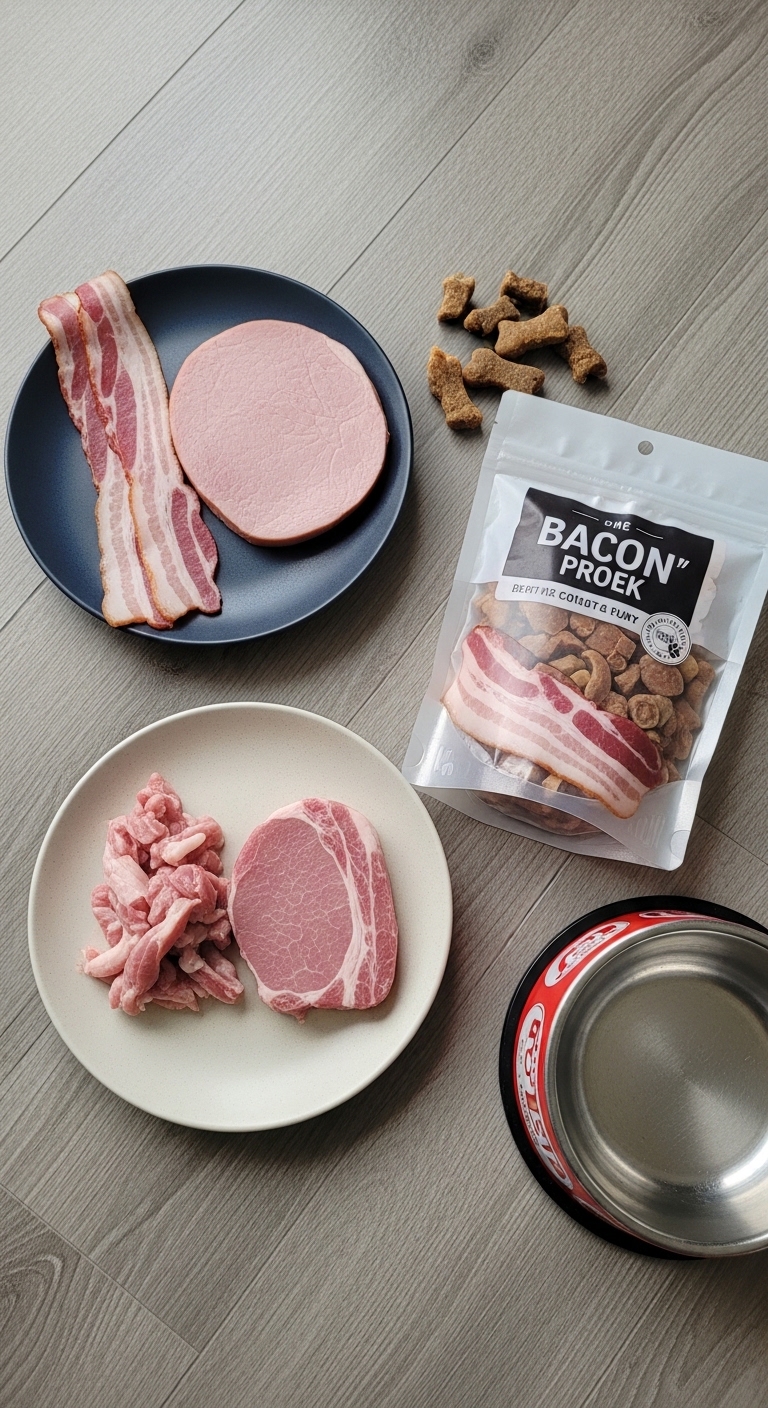
I once had a client whose dog stole an entire strip of bacon from the counter and ended up with pancreatitis. It was a costly lesson, but it taught me how important it is to be vigilant about food safety in the home. Always store food securely and train your dog to stay away from the kitchen when you’re cooking.
Why bacon isn’t a good treat
While bacon might seem like a tasty reward, it’s far from the healthiest option for your dog. The high fat content can lead to weight gain and other health issues, while the salt can cause dehydration or even sodium ion poisoning in extreme cases. Dogs don’t need the same flavors humans enjoy, and their digestive systems aren’t designed to handle rich, processed foods like bacon.
Healthier alternatives to bacon
If your dog loves the taste of bacon, try offering them cooked lean meats like chicken or turkey instead. You can also find commercial dog treats that mimic the flavor of bacon without the harmful ingredients. Freeze-dried liver or fish treats are another great option that’s both tasty and nutritious.
How much bacon is too much
Even a single strip of bacon can be too much for smaller dogs, while larger breeds might tolerate a small piece occasionally. The key is moderation: if you’re unsure, consult your vet to determine what’s safe for your dog’s size and breed. Remember, treats should make up no more than 10% of your dog’s daily calorie intake.
Signs your dog has eaten too much bacon
If your dog has consumed a large amount of bacon, watch for symptoms like excessive thirst, frequent urination, vomiting, diarrhea, or a bloated abdomen. These could indicate pancreatitis or other serious conditions that require immediate veterinary care.
What to do if your dog eats bacon
If your dog eats a small amount of bacon, they’ll likely be fine, but keep an eye on them for any unusual behavior. If they’ve eaten a large amount or show signs of distress, call your vet or an emergency pet hotline right away. Don’t induce vomiting unless instructed by a professional.

Making smart choices about your dog’s diet helps ensure they stay happy and healthy for years to come.
Frequently Asked Questions
- → Is bacon safe for dogs to eat?
Bacon is not toxic to dogs, but it's not recommended due to its high fat and salt content. Occasional small pieces may not harm healthy dogs, but regular feeding can lead to serious health issues.
- → What are the risks of feeding bacon to dogs?
Risks include pancreatitis, obesity, digestive upset, sodium ion poisoning, and long-term heart disease. The high fat content can also cause pancreatitis, a painful and potentially life-threatening condition.
- → Can bacon fat be given to dogs?
No, bacon fat should never be given to dogs. It's extremely high in fat and can cause severe digestive issues, pancreatitis, or even intestinal blockages.
- → What are healthier alternatives to bacon for dogs?
Better options include lean meats like cooked chicken or turkey (without seasoning), carrots, green beans, or dog-safe commercial treats. Always check with your vet before introducing new foods.
- → How much bacon can I give my dog?
If you choose to give bacon, offer only a tiny piece (less than a teaspoon) as an occasional treat. Monitor your dog for any signs of digestive upset or allergic reactions.
- → Can bacon cause allergies in dogs?
Yes, some dogs may be allergic to pork or ingredients used in bacon (like preservatives or seasonings). Signs of allergies include itching, skin rashes, or digestive issues. Consult your vet if you suspect an allergy.
- → Is turkey bacon safer for dogs than regular bacon?
Turkey bacon is often lower in fat and salt than pork bacon, making it a slightly better option. However, it may still contain seasonings or additives that aren't ideal for dogs. Always check the ingredients and introduce it slowly in small amounts.