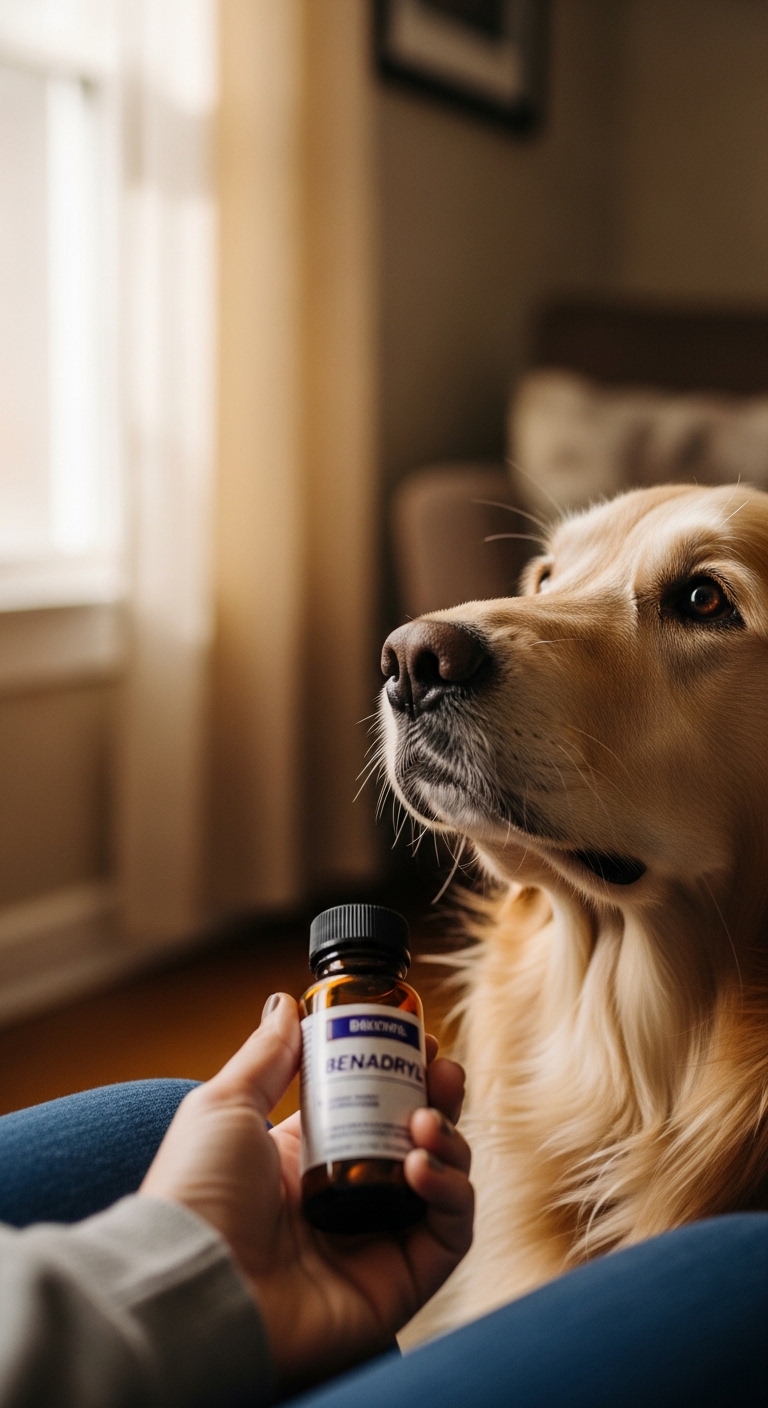
Is watermelon good for dogs? It’s a question many pet owners ask when looking for healthy, hydrating treats to share with their furry friends. Watermelon is packed with vitamins and water content, making it a refreshing option for dogs especially during hot summer months. But before you hand over a slice, there are a few things to consider to keep your pup safe and happy.
I remember the first time I gave my golden retriever a small piece of watermelon. His tail wagged nonstop, and he licked his lips like he’d just discovered the best snack ever. But it wasn’t until I did my research that I realized how much of a difference proper preparation makes.
Key Things to Understand
- Hydration: Watermelon is mostly water which makes it great for hydration especially in warm weather
- Nutrients: The flesh is safe and packed with vitamins A, C and B6 but should be served in moderation
- Seeds: Seeds must be removed completely because they can cause intestinal blockages or choking
- Rind: The rind is tough and difficult to digest so it should never be fed to dogs
- Moderation: Too much watermelon can lead to stomach upset or diarrhea due to the natural sugars
What to Look For
When selecting watermelon for your dog, choose ripe pieces that are firm and smell sweet without any sour or fermented odors. The flesh should be a deep red or pink color, free of bruises or mold. Avoid any watermelon that feels mushy or has an off smell, as these can indicate spoilage that might upset your dog’s stomach. If you’re buying pre-cut watermelon, check that the pieces haven’t been sitting out too long, especially in warm weather, as bacteria can grow quickly on exposed fruit.
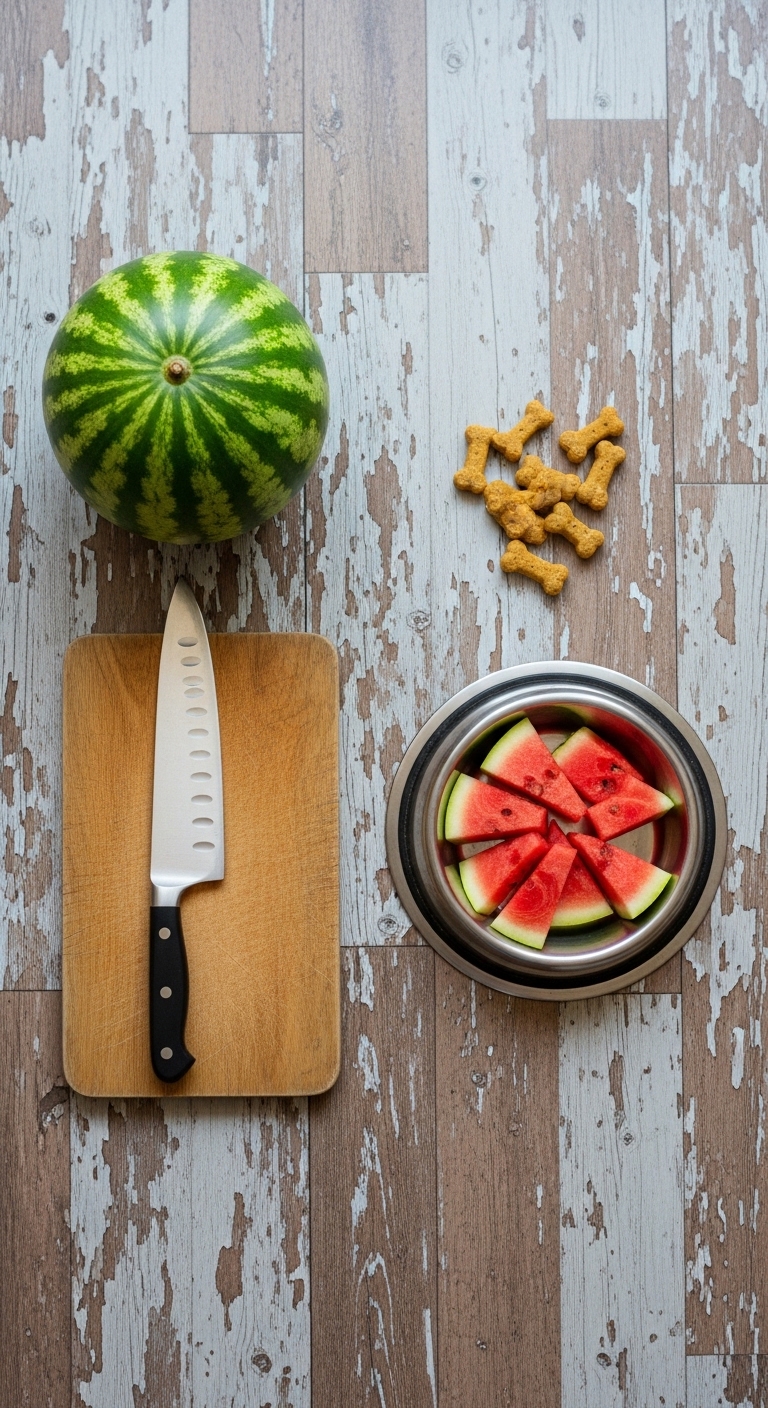
I once saw a friend’s dog struggle after eating a whole watermelon rind: it caused a blockage that required emergency surgery. That’s why it’s so important to prepare watermelon properly. A good rule is to treat watermelon like any other snack: small portions, no seeds, and no rind.
Serving Suggestions for Dogs
Small cubes or frozen pieces work well as a summer treat. Mix finely chopped watermelon into your dog’s regular food for extra flavor. Use watermelon as a reward during training sessions for a low-calorie option.
Avoid These Common Mistakes
Feeding large chunks that could pose a choking risk. Giving watermelon with the rind still attached. Assuming all dogs can handle the same portion sizes.
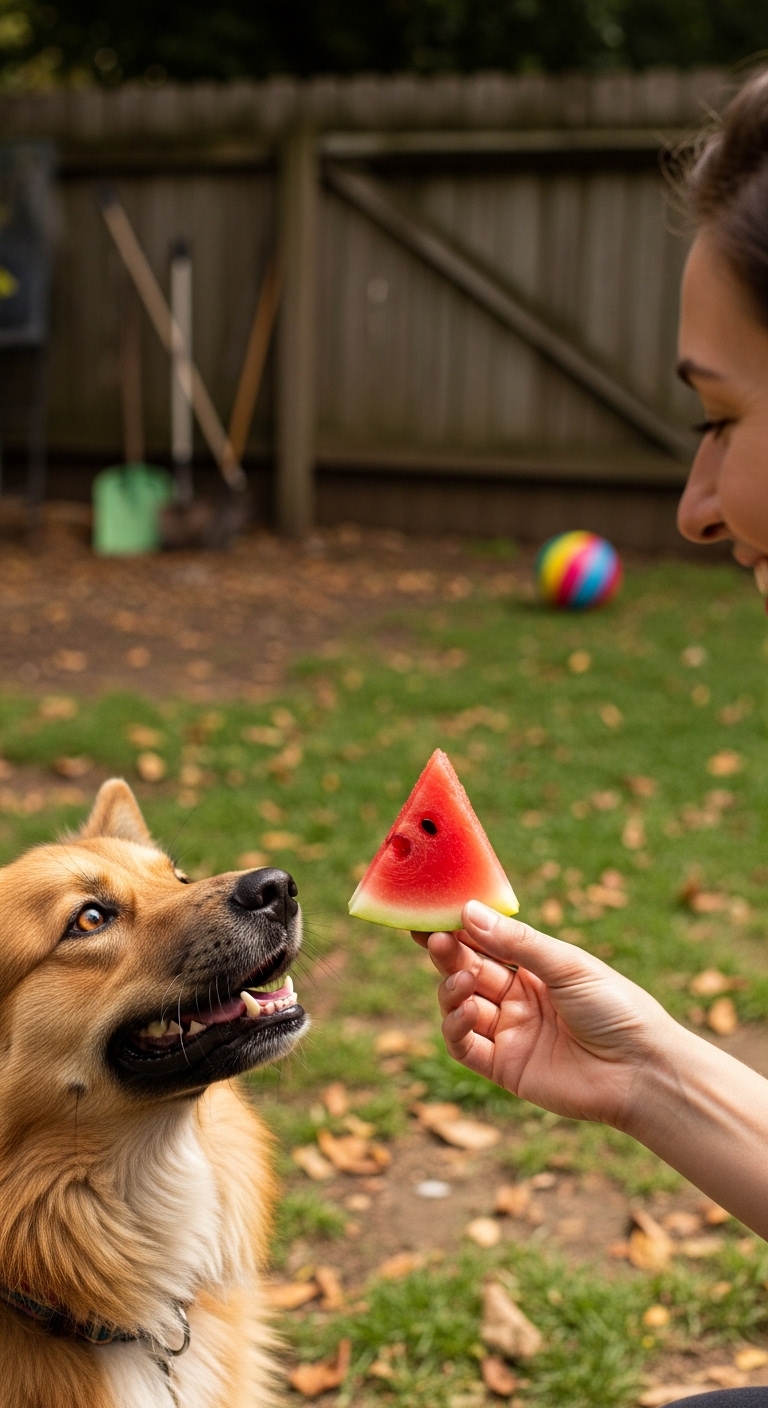
Watermelon can be a fun and healthy addition to your dog’s snack rotation when done right. Just remember to keep portions small, remove all seeds and rind, and always supervise your dog while they enjoy their treat.
Frequently Asked Questions
- → Can dogs eat watermelon seeds?
No, watermelon seeds can cause intestinal blockages or digestive issues. Always remove seeds before feeding watermelon to your dog.
- → How much watermelon can a dog eat?
Watermelon should make up no more than 10% of your dog’s daily calorie intake. A few small pieces (about 1-2 tablespoons) per serving is ideal for most dogs.
- → Is watermelon rind safe for dogs?
No, watermelon rind is tough and can cause choking or blockages. Always peel and remove the rind before serving watermelon to your dog.
- → Can diabetic dogs eat watermelon?
Watermelon contains natural sugars, so diabetic dogs should only eat it in very small amounts and under veterinary supervision.
- → What are the benefits of watermelon for dogs?
Watermelon is hydrating, low in calories, and rich in vitamins A, C, and B6, as well as potassium and magnesium. It supports immune health and hydration.
- → Can puppies eat watermelon?
Yes, puppies can eat watermelon in small amounts, but introduce it gradually to avoid digestive upset. Ensure seeds and rind are removed.