Can dogs have onions? It’s a question many pet owners ask when preparing meals or sharing snacks with their furry friends. Onions might seem harmless, but they can actually be dangerous for dogs. Even small amounts can cause serious health issues, so it’s important to know the risks and how to keep your dog safe.
I once made the mistake of giving my dog a bite of leftover stir-fry that contained onions, and within hours, she was lethargic and refused to eat. A quick call to the vet confirmed she needed treatment. That experience taught me how easily onions can slip into a dog’s diet and why it’s crucial to be extra careful.
Key Things to Understand
- Onions contain compounds called thiosulfates: These damage a dog’s red blood cells, leading to hemolytic anemia.
- Even small amounts of onion powder, raw onions, or cooked onions can be toxic: No form is safe for dogs.
- Symptoms of onion poisoning include: Vomiting, diarrhea, weakness, and pale gums.
- Cooked onions are just as dangerous as raw ones: The toxicity remains regardless of preparation.
- Onion powder in seasonings or sauces is a hidden risk: Many human foods contain it for flavor.
What to Look For
Pay attention to how your dog reacts after eating human food. If they start vomiting or seem unusually tired, it could be a sign of onion poisoning. Check the ingredients list on any packaged food, even pet treats, because some brands include onion powder for flavor. Watch for changes in appetite or energy levels, as these can be early warning signs. If your dog has eaten something with onions, don’t wait for symptoms to appear: contact your vet right away.
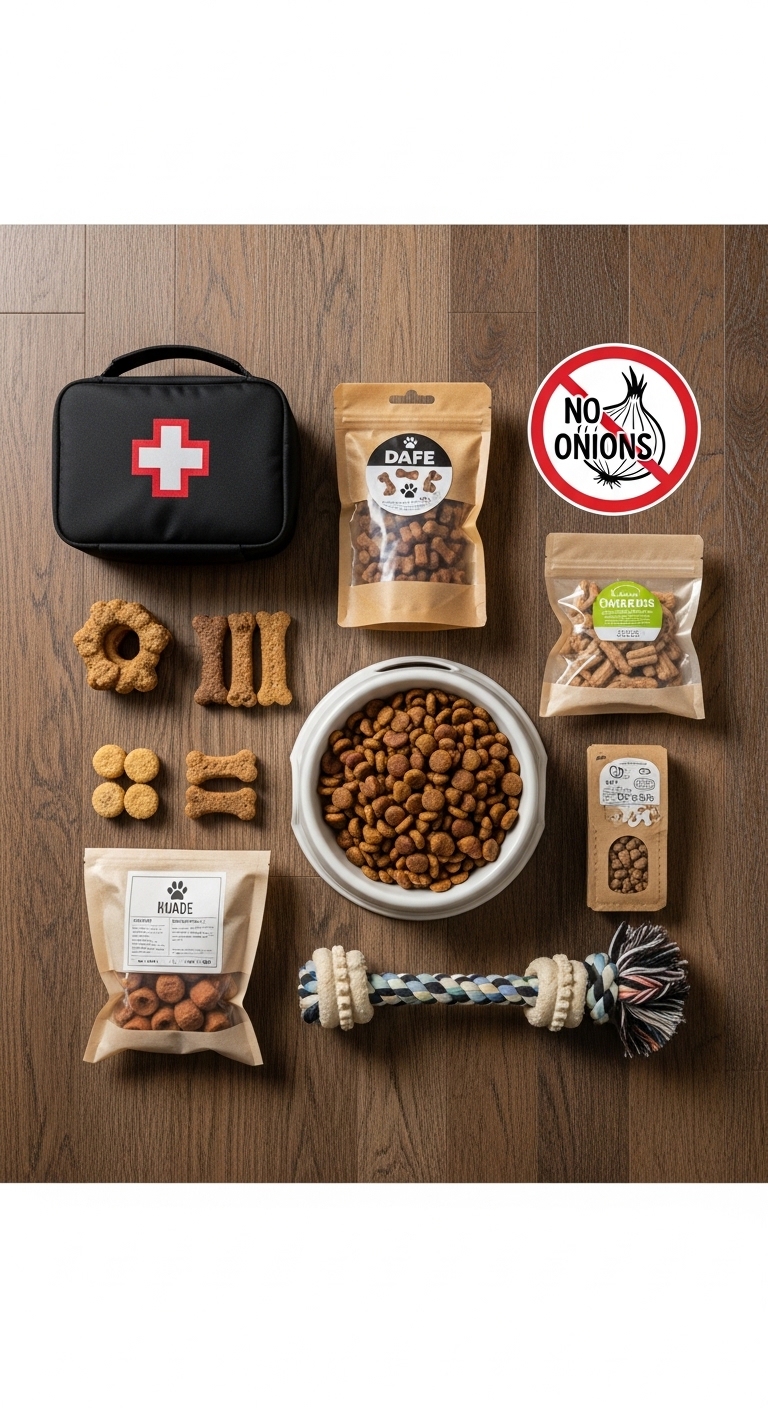
I’ve seen cases where a dog’s regular diet was contaminated with onion powder in kibble, leading to long-term health issues. Always double-check ingredients, even in pet food, because manufacturers sometimes change formulas without warning.
Daily care habits
Always keep onions and foods containing onions out of your dog’s reach. Store them securely in cabinets or high shelves where your dog can’t knock them over. When cooking, avoid feeding your dog table scraps unless you’re certain they don’t contain onions or other harmful ingredients. If you’re unsure about a specific food, it’s safer to skip it entirely.
Choosing the right product
When buying pet food or treats, scan the label for terms like onion powder, dehydrated onion, or any mention of the Allium family (which includes garlic and leeks). Opt for brands that clearly state they avoid these ingredients. If you’re preparing homemade meals for your dog, stick to vet-approved recipes that exclude onions entirely.
Safety and comfort
If your dog shows signs of onion poisoning, such as vomiting or lethargy, remove any remaining food from their reach and call your vet immediately. Keep a pet first-aid kit handy with the vet’s emergency number saved in your phone. Monitor your dog closely after any accidental exposure, as symptoms can take hours or even days to appear.
Common mistakes to avoid
Assuming that small amounts of onions are safe because they’re cooked or powdered. Thinking that only fresh onions are dangerous and overlooking hidden sources like sauces or seasonings. Waiting too long to seek help after your dog eats onions, which can delay treatment and worsen the condition.
Cleaning and hygiene
If your dog has gotten onion residue on their fur or paws, clean them gently with pet-safe wipes to prevent them from licking it off. Wash any bowls or utensils that came into contact with onions thoroughly to avoid cross-contamination in future meals.
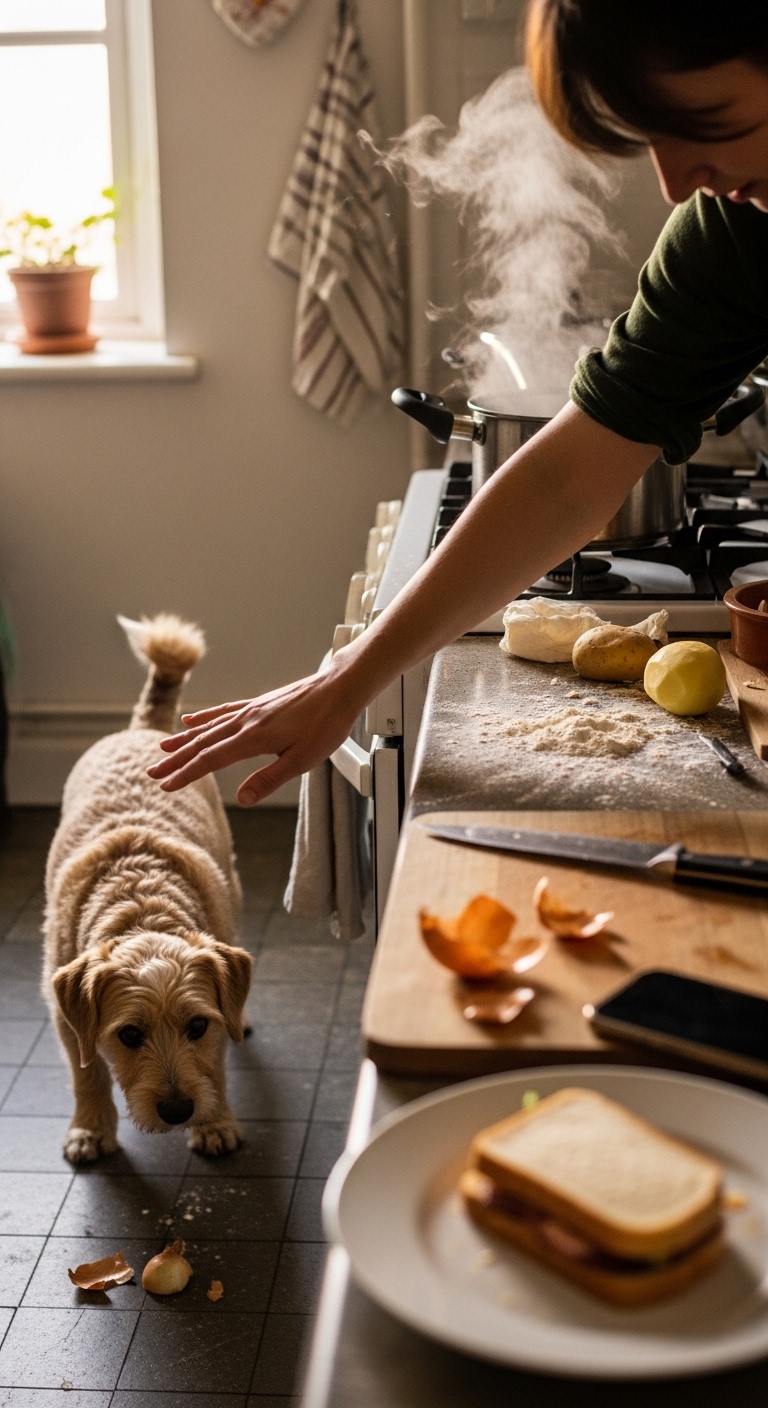
The bottom line is simple: onions are never safe for dogs, no matter the form. By staying informed and vigilant, you can protect your pet from unnecessary health risks.
Frequently Asked Questions
- → How much onion is toxic to dogs?
Toxicity depends on the dog's size and the amount consumed. As little as 0.5% of a dog's body weight in onions can be dangerous. For a 10kg dog, even a small slice may cause issues.
- → What should I do if my dog eats onion?
Remove any remaining onion from their reach and contact your vet or a pet poison hotline immediately. Do not induce vomiting unless instructed by a professional.
- → Are onion powder and cooked onions more dangerous?
Yes, cooked onions are more concentrated, and onion powder is highly toxic due to its potency. Both forms are more dangerous than raw onions.
- → What are safe onion alternatives for dogs?
Carrots, green beans, apples, and pumpkin are safe and healthy treats. Always introduce new foods gradually and in moderation.
- → Can onion toxicity be treated?
Treatment may include inducing vomiting, administering activated charcoal, IV fluids, or blood transfusions in severe cases. Early intervention improves outcomes.
- → How long after eating onion will symptoms appear?
Symptoms typically appear within 24-48 hours but can take up to 7 days. Monitor your dog closely and seek veterinary care if ingestion is suspected.