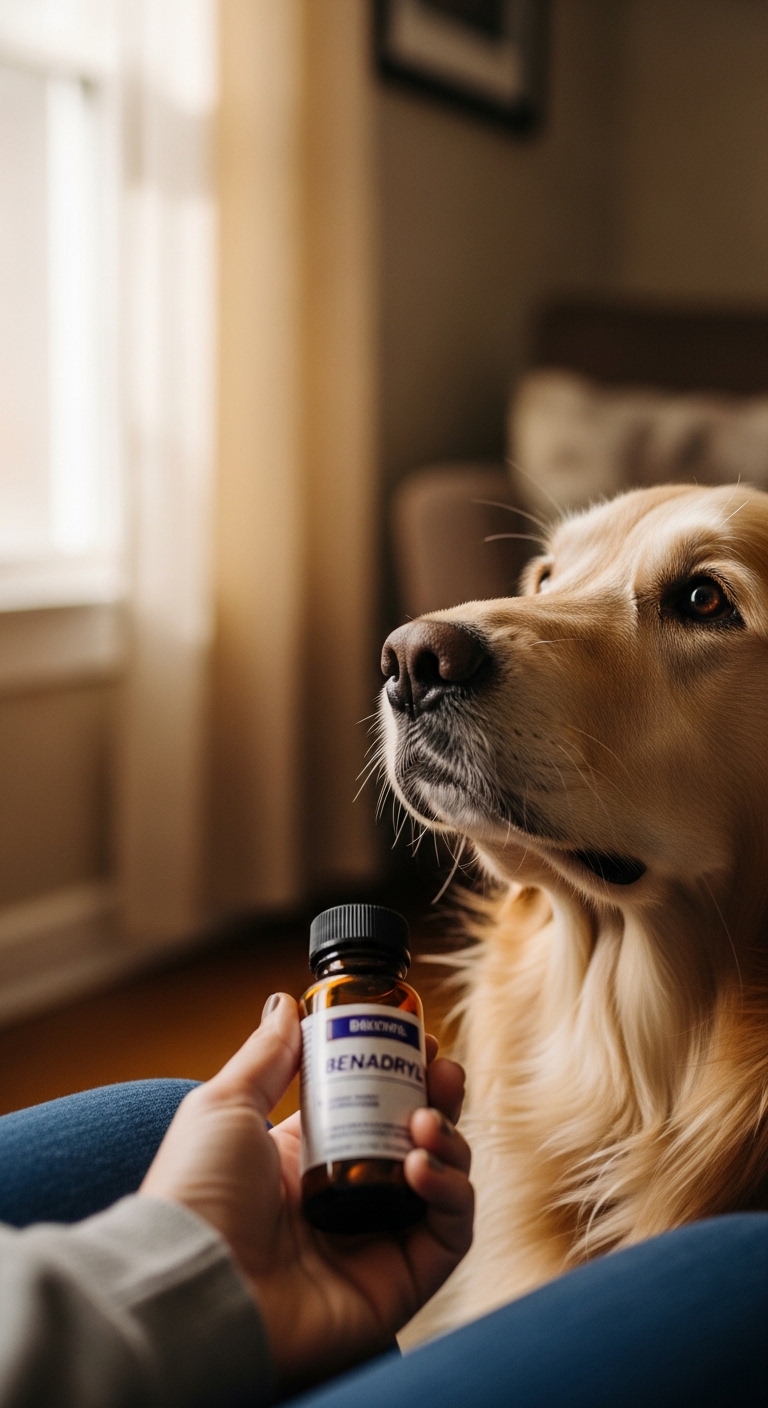
Can dogs have honey? It’s a question many pet owners ask when their furry friend gives them those big, hopeful eyes while they drizzle golden sweetness onto their toast. Honey isn’t just a treat for humans: it’s a natural ingredient that can offer some health benefits for dogs too. But before you share your breakfast, there are a few things to consider to keep your pup safe and healthy.
Honey is often used in homemade dog treats or as a natural remedy for soothing a dog’s throat. Some owners even use it to help with allergies or minor wounds. But not all honey is safe, and too much can cause problems. Knowing the right way to use it can make a big difference in your dog’s diet and well-being.
I remember the first time I gave my golden retriever a tiny bit of honey to help with his dry nose. He licked his chops and wagged his tail, but I quickly learned that moderation is key: too much made him a little too hyper for my liking.
Key Things to Understand
- Safety in moderation: Honey is safe for dogs in small amounts but should never replace their regular diet.
- Best type: Raw, unpasteurized honey is best because it retains more natural enzymes and nutrients.
- Age restriction: Puppies under one year old should never have honey due to the risk of botulism.
- Risks of overfeeding: Too much honey can lead to weight gain, dental issues, or an upset stomach.
- Allergic reactions: Some dogs may be allergic to honey, so introduce it slowly and watch for reactions.
- Toxic additives: Avoid honey with added sugars, artificial sweeteners, or xylitol, which is toxic to dogs.
What to Look For
When choosing honey for your dog, look for raw and unprocessed varieties. These types contain more beneficial compounds like antioxidants and enzymes that can support your dog’s immune system. Avoid honey blends with additives, as these can be harmful. If you’re using honey for minor wound care, opt for medical-grade manuka honey, which has antibacterial properties. Always check the label for any ingredients that could be toxic, such as xylitol or artificial flavors.
Another thing to watch for is your dog’s reaction the first time they try honey. Start with a very small amount: about a teaspoon for a medium-sized dog, and observe their behavior and digestion over the next 24 hours. Some dogs may experience mild stomach upset, while others could show signs of an allergic reaction like itching or swelling. If you notice any unusual symptoms, discontinue use and consult your vet.
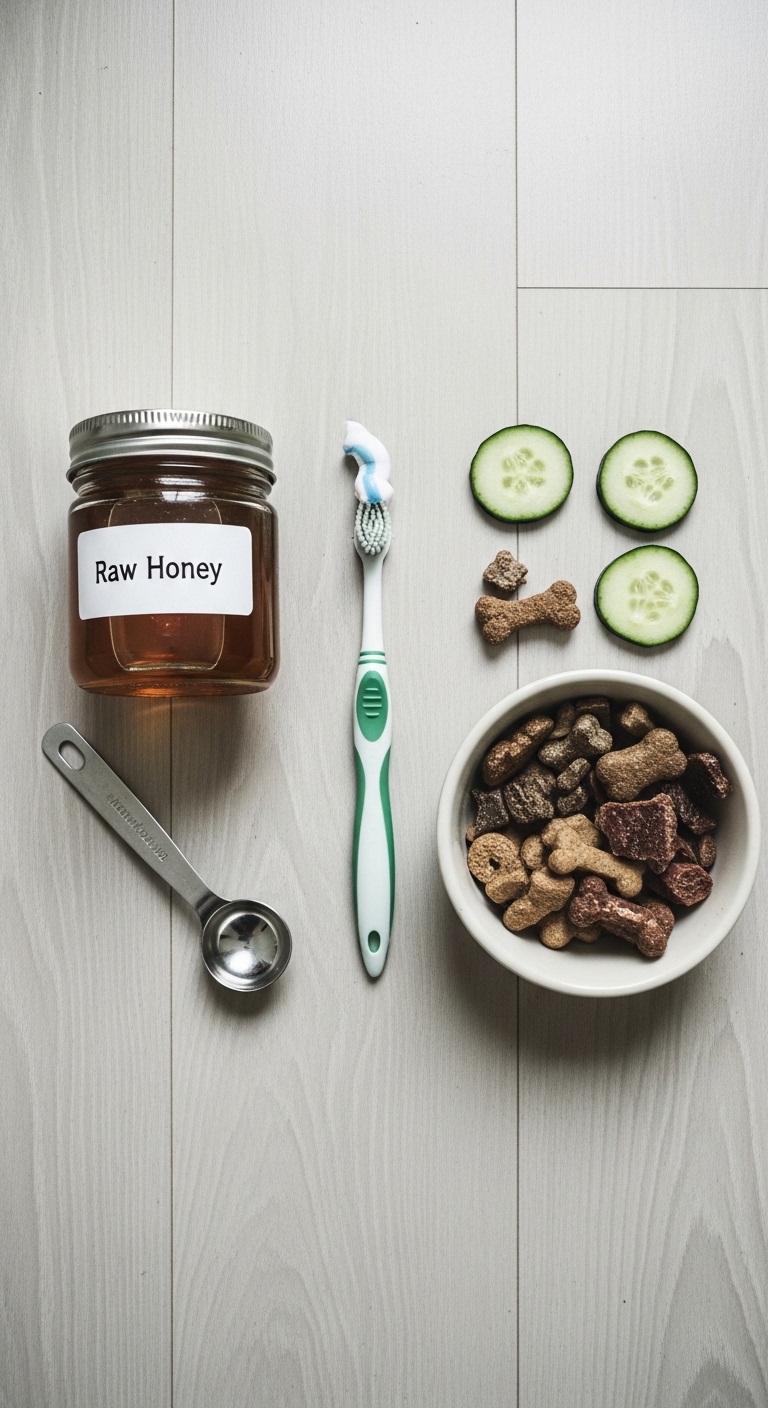
A common mistake I see is owners giving their dogs honey as a daily supplement, thinking it’s a health boost. In reality, it’s just sugar, and over time, it can contribute to obesity or dental problems. Another oversight is using flavored or processed honey, which often contains additives that aren’t safe for pets. Stick to pure, raw honey and use it sparingly.
How to Use Honey Safely for Your Dog
If you’ve decided to introduce honey into your dog’s routine, there are a few smart ways to do it. One of the easiest is mixing a small amount into their food as a natural sweetener. Some owners also use honey to make homemade dog treats, combining it with oats or peanut butter for a tasty snack. If your dog has a minor cough or sore throat, a teaspoon of honey can help soothe their throat, but only in very small doses.
For dogs with allergies, local raw honey is often recommended because it may help build tolerance to local pollen. However, this isn’t a guaranteed fix, and you should still monitor your dog closely. If you’re using honey topically for small cuts or hot spots, make sure it’s clean and free from contaminants. Apply a thin layer and cover with a bandage if needed, but avoid using it on deep or serious wounds without vet approval.
Signs Your Dog Should Avoid Honey
Not every dog reacts the same way to honey, so it’s important to know when it’s not a good fit. If your dog is diabetic, honey should be off the table due to its high sugar content. Dogs with obesity or weight issues should also avoid it, as the extra calories can worsen their condition. Watch for signs of an allergic reaction like excessive scratching, redness, or swelling after eating honey. If your dog has a sensitive stomach, honey might cause diarrhea or vomiting, so it’s best to introduce it gradually.

Honey can be a sweet treat for your dog when used correctly, but it’s not a miracle cure or a free-for-all snack. Always introduce it slowly, watch for reactions, and consult your vet if you’re unsure.
Frequently Asked Questions
- → Is honey safe for all dogs?
No, honey is not safe for puppies under one year old due to the risk of botulism. Dogs with diabetes or obesity should also avoid honey because of its high sugar content.
- → How much honey can I give my dog?
Start with a very small amount, such as half a teaspoon for small dogs or one teaspoon for larger breeds. Too much honey can cause digestive issues or weight gain.
- → What are the benefits of honey for dogs?
Honey contains antioxidants and natural sugars that can provide a quick energy boost. It may also soothe mild throat irritation or coughs in dogs, but always check with your vet first.
- → Can honey help with my dog’s allergies?
Some pet owners use local honey to help dogs build immunity to seasonal allergens, but scientific evidence is limited. Consult your vet before trying this remedy.
- → What type of honey is best for dogs?
Raw, unpasteurized honey is the safest choice as it retains more natural nutrients. Avoid honey with additives, artificial sweeteners, or xylitol, which is toxic to dogs.
- → What should I do if my dog eats too much honey?
Monitor for symptoms like vomiting, diarrhea, or lethargy. Contact your vet if these occur, especially if your dog consumed a large amount or has pre-existing health issues.