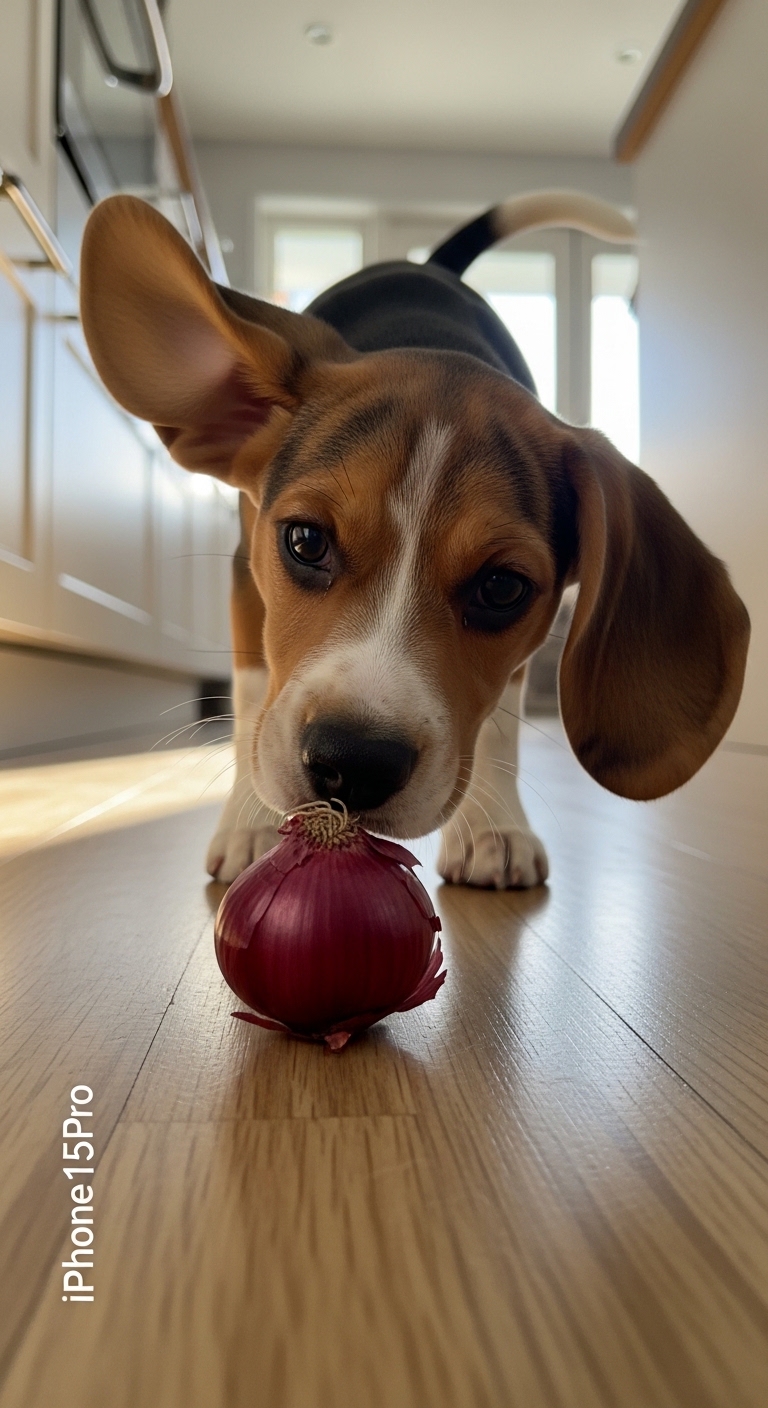
How much Benadryl can I give my dog? It’s a question that pops up for many pet owners when their furry friend starts sneezing, itching, or showing signs of an allergic reaction. Whether it’s seasonal allergies, bug bites, or a reaction to something they ate, seeing your dog uncomfortable is tough. Benadryl is a common over-the-counter antihistamine that can help ease mild allergic reactions, but dosing it correctly is crucial. Too little won’t help, and too much can be dangerous. That’s why knowing the right amount for your dog’s size and when to use it matters.
I’ve seen firsthand how a simple dose of Benadryl can turn a restless, itchy pup into a calm, comfortable one. But I’ve also learned the hard way that guessing the dose is never worth the risk.
Key Things to Understand
- Active ingredient: Always check the active ingredient is diphenhydramine only, with no added pain relievers or decongestants
- Dosage rule: The general rule is 1 milligram of Benadryl per pound of body weight, but this can vary by dog
- Toxic ingredients: Never give liquid Benadryl with alcohol or xylitol, as these are toxic to dogs
- Sensitivity: Some dogs may be more sensitive to Benadryl, especially smaller breeds or those with health conditions
- Side effects: Benadryl can cause drowsiness, so avoid giving it before activities like long car rides or training sessions
What to Look For
Watch for signs your dog needs Benadryl, like excessive scratching, red or inflamed skin, sneezing, or hives. These reactions often appear after exposure to pollen, dust, or certain foods. If your dog’s symptoms are mild and localized, Benadryl might help. But if swelling occurs around the face or paws, or if they struggle to breathe, that’s an emergency Benadryl won’t be enough. Also, check the medication’s label for the concentration of diphenhydramine. Children’s liquid Benadryl is often easier to dose accurately than adult tablets, but confirm the strength matches your dog’s weight. If you’re unsure about the dose, a quick call to your vet can prevent mistakes.
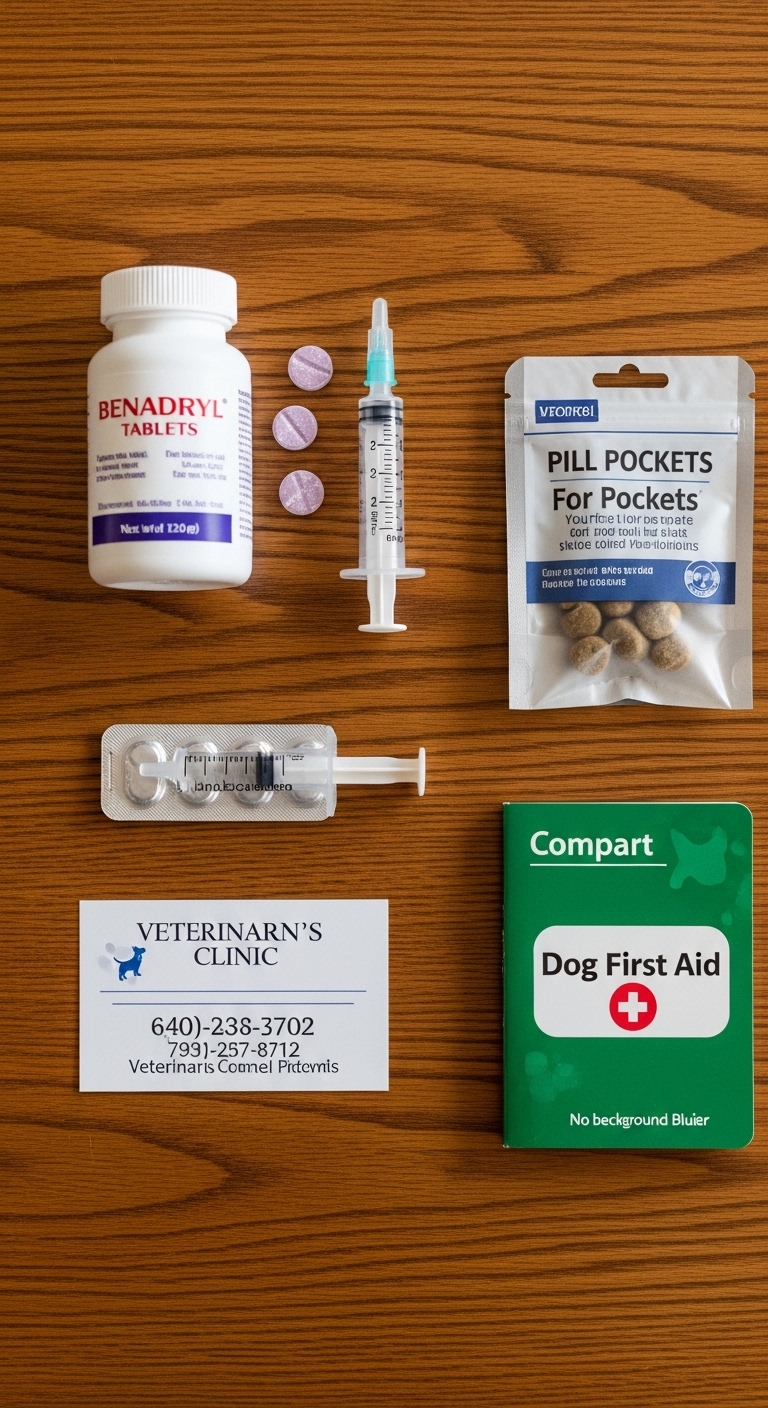
I once gave my neighbor’s small terrier a dose based on what worked for my lab, only to realize later that smaller dogs often need less. It was a good lesson in always double-checking weight and dose. Another common mistake is assuming Benadryl will work for every itch: sometimes the problem is fleas or an infection, not allergies. If symptoms don’t improve within 24 hours, it’s time for a vet visit.
When to Use Benadryl
Benadryl can be helpful for mild allergic reactions, such as those caused by insect bites, pollen, or certain foods. It’s also sometimes used to relieve itching from skin conditions or to calm a dog during car rides if they get motion sickness. However, it’s not a cure-all. If your dog’s symptoms are severe, like difficulty breathing or swelling of the face, Benadryl won’t be enough: seek emergency care immediately. Also, avoid using it for long-term management of allergies; chronic issues need a vet’s input for safer, more effective treatments.
Alternatives to Benadryl
If Benadryl doesn’t agree with your dog or isn’t effective, ask your vet about other options like Zyrtec or Claritin, which may have fewer side effects. Natural remedies such as omega-3 supplements or hypoallergenic shampoos can also help manage mild allergies. Always introduce new treatments gradually and monitor your dog’s response.
Monitoring Your Dog After Giving Benadryl
After administering Benadryl, keep an eye on your dog for the next few hours. Look for signs of improvement in their symptoms, but also watch for side effects like excessive sleepiness, dry mouth, or urinary retention. If your dog seems unusually lethargic or uncoordinated, contact your vet. It’s also a good idea to note how long the medication takes to work, as this can help you plan for future reactions.
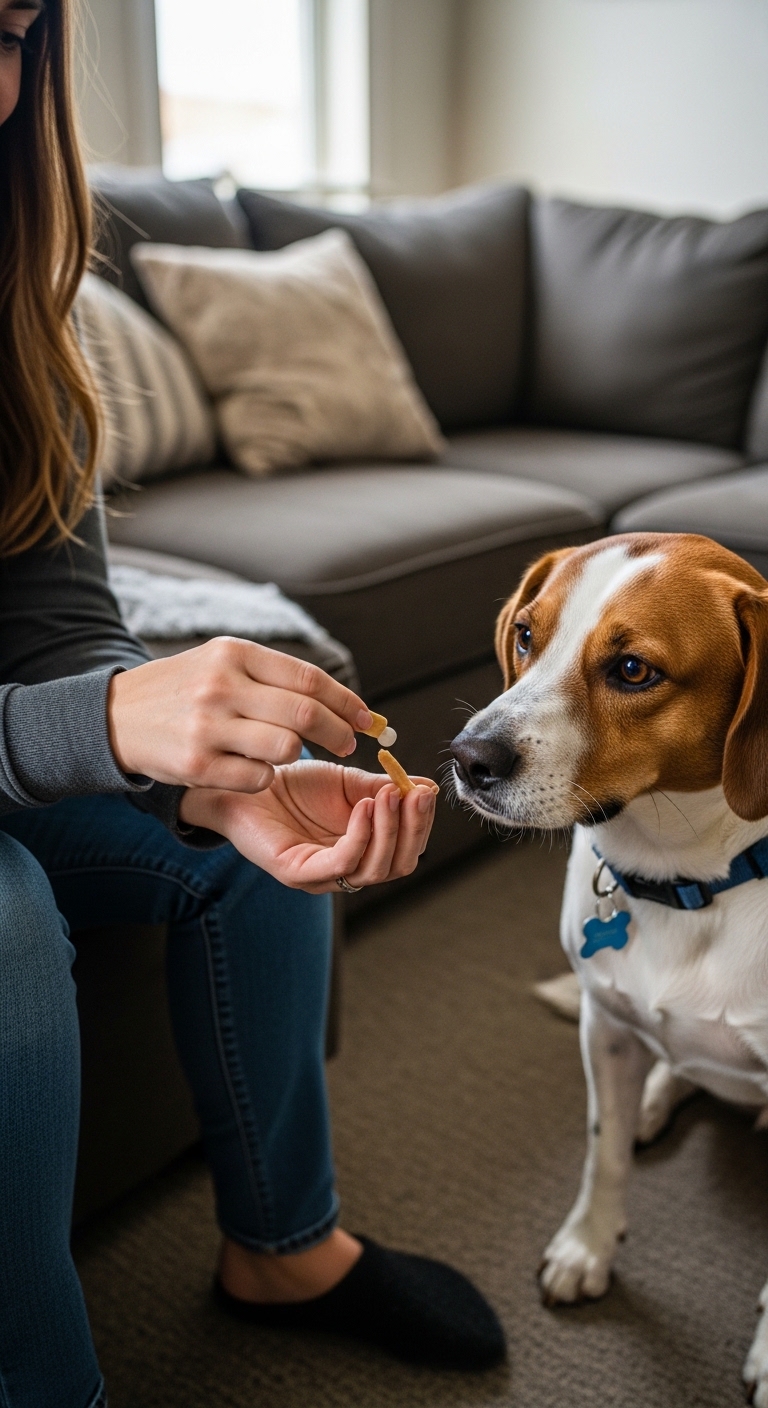
Benadryl can be a useful tool for managing mild allergic reactions in dogs, but only when used correctly. Always prioritize safety and consult your vet if in doubt.
Frequently Asked Questions
- → How much Benadryl can I give my dog?
Give 1 mg of Benadryl per pound of your dog’s body weight. For example, a 25-pound dog would get 25 mg. Always confirm with your vet before dosing.
- → Can I give my dog children’s Benadryl?
Yes, children’s Benadryl is safe if the dosage is adjusted correctly. Use the liquid form for precise measurement and follow the 1 mg per pound rule.
- → What are the side effects of Benadryl in dogs?
Common side effects include drowsiness, dry mouth, or urinary retention. Rarely, it may cause hyperactivity or vomiting. Stop use if severe reactions occur.
- → Is Benadryl safe for all dogs?
No. Avoid giving Benadryl to dogs with glaucoma, heart disease, or those on certain medications. Pregnant or nursing dogs should not take it without vet approval.
- → How often can I give my dog Benadryl?
Administer every 8 hours, but never exceed 3 doses in 24 hours. If symptoms persist beyond 48 hours, consult your vet.
- → Can Benadryl treat dog anxiety?
Benadryl may help mild anxiety due to its sedative effects, but it’s not a long-term solution. For severe anxiety, consult a vet about safer alternatives.