A dog’s journey isn’t just about the big moments: it’s the small, everyday choices that shape their well-being. Whether you’re a first-time owner or have shared years with your pup, understanding their needs can make all the difference in their happiness and health. From the food they eat to the way they move, every detail matters in keeping them thriving.
I remember when my old terrier, Max, started favoring one paw: turns out it was arthritis creeping in. Catching it early meant we could adjust his routine before it became a bigger problem.
Key Things to Understand
- A dog’s journey includes physical, emotional, and environmental changes over time: Their needs shift with age, so what worked at six months may not suit them at six years.
- Small signs like slower movement or less interest in play can signal bigger issues: Their environment (from home setup to outdoor spaces) plays a huge role in their comfort.
- Consistency in care routines helps them feel secure and happy: Stability reduces stress and builds trust.
What to Look For
Pay attention to how your dog moves, especially as they get older. Stiffness in the morning or hesitation on stairs could mean joint discomfort that needs attention. Watch their eating habits too: sudden changes in appetite might point to dental pain or digestive issues. Their coat and skin can also reveal a lot. Dull fur or frequent scratching often signals allergies or skin conditions. Even their energy levels tell a story. A dog who’s suddenly less playful may be dealing with pain or stress they can’t express in words.
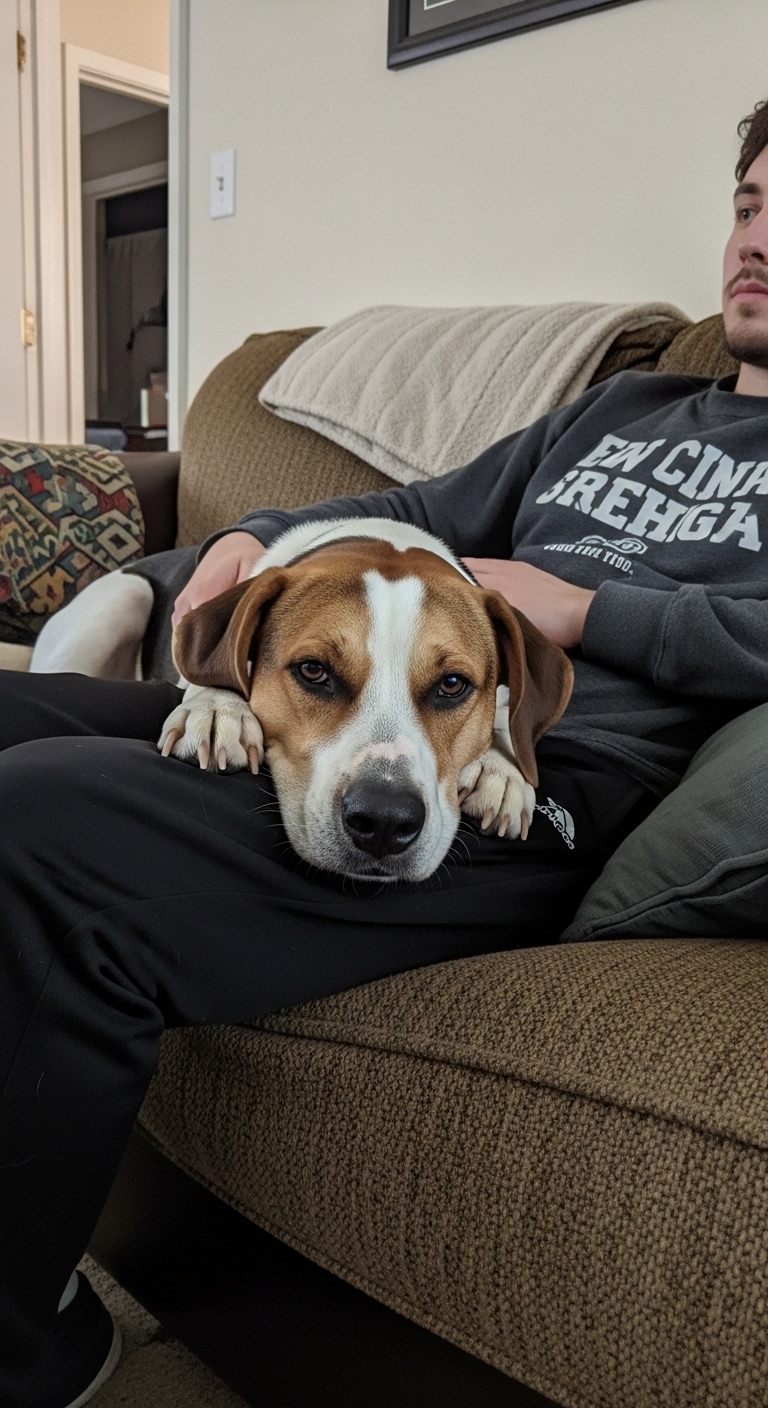
I once ignored my dog’s reluctance to jump on the couch for months, assuming it was just laziness. Turns out, his hips were bothering him, and by the time we acted, he needed medication. Small signs matter more than we realize.
Daily Care Habits
A consistent routine keeps your dog grounded. Morning walks, set meal times, and evening cuddles create a rhythm they rely on. Even something as simple as brushing their teeth or wiping their paws after walks can prevent long-term health problems. The key is making these habits feel natural, not like chores.
Choosing the Right Product
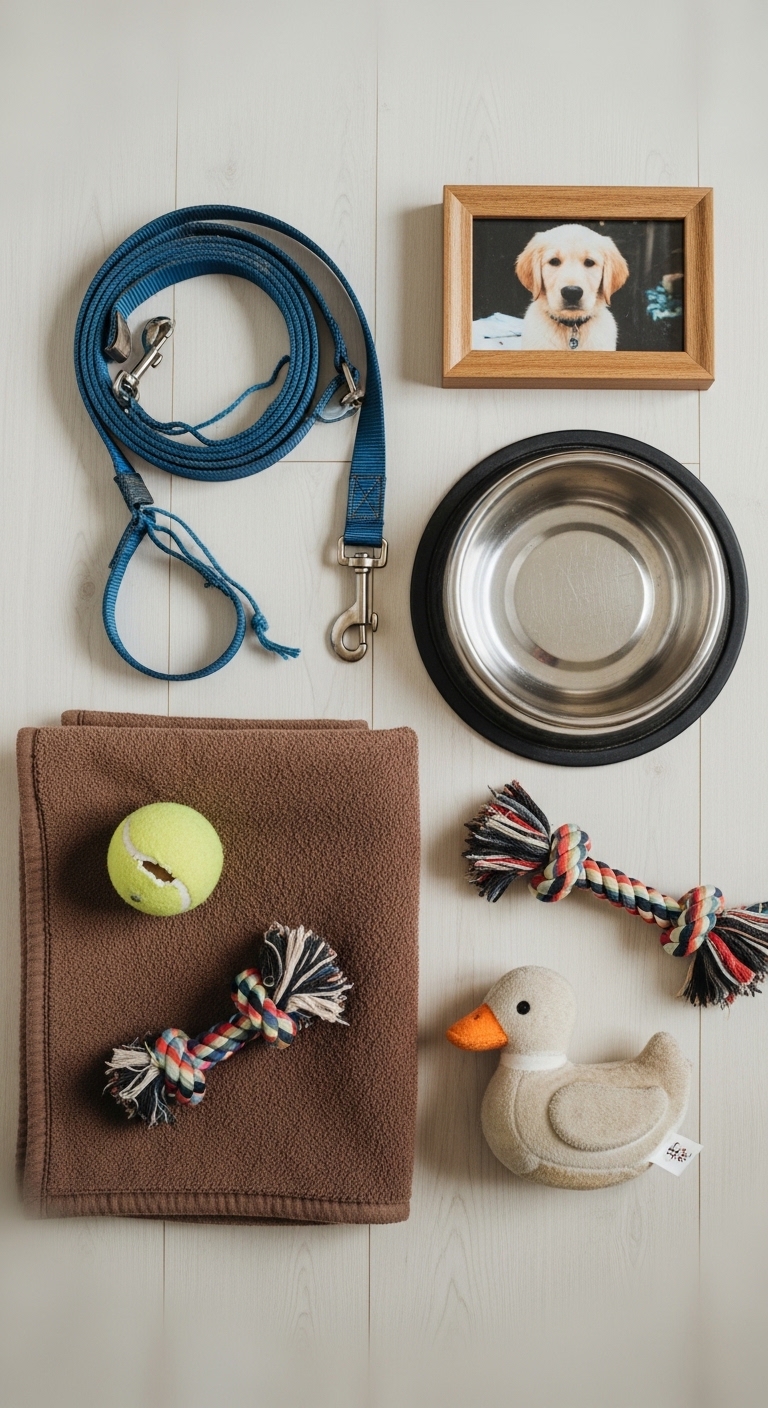
Not all dog products are created equal. A harness that fits poorly can cause chafing, while a cheap food bowl might harbor bacteria. Look for items designed with your dog’s size and breed in mind. Durability matters too: cheap toys or beds wear out fast and can become hazards.
Safety and Comfort
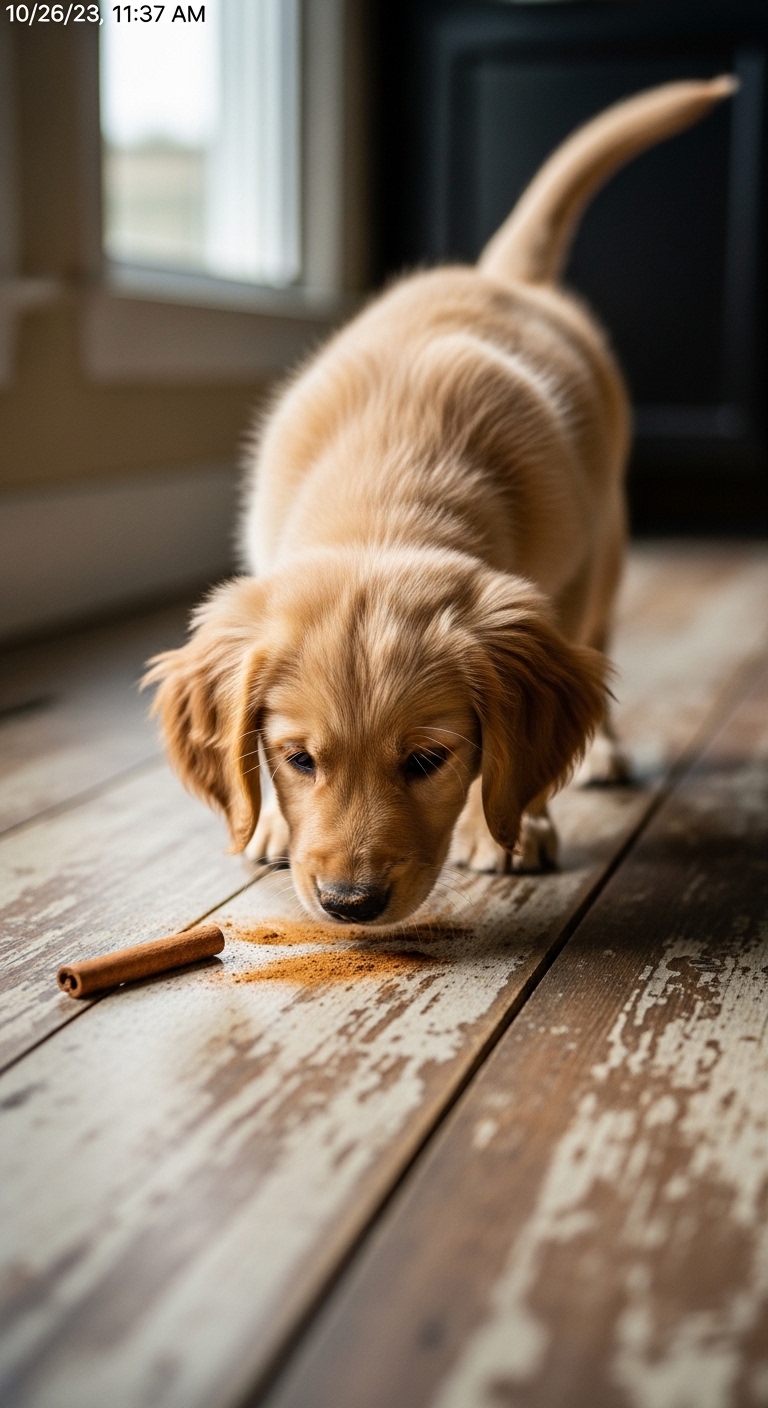
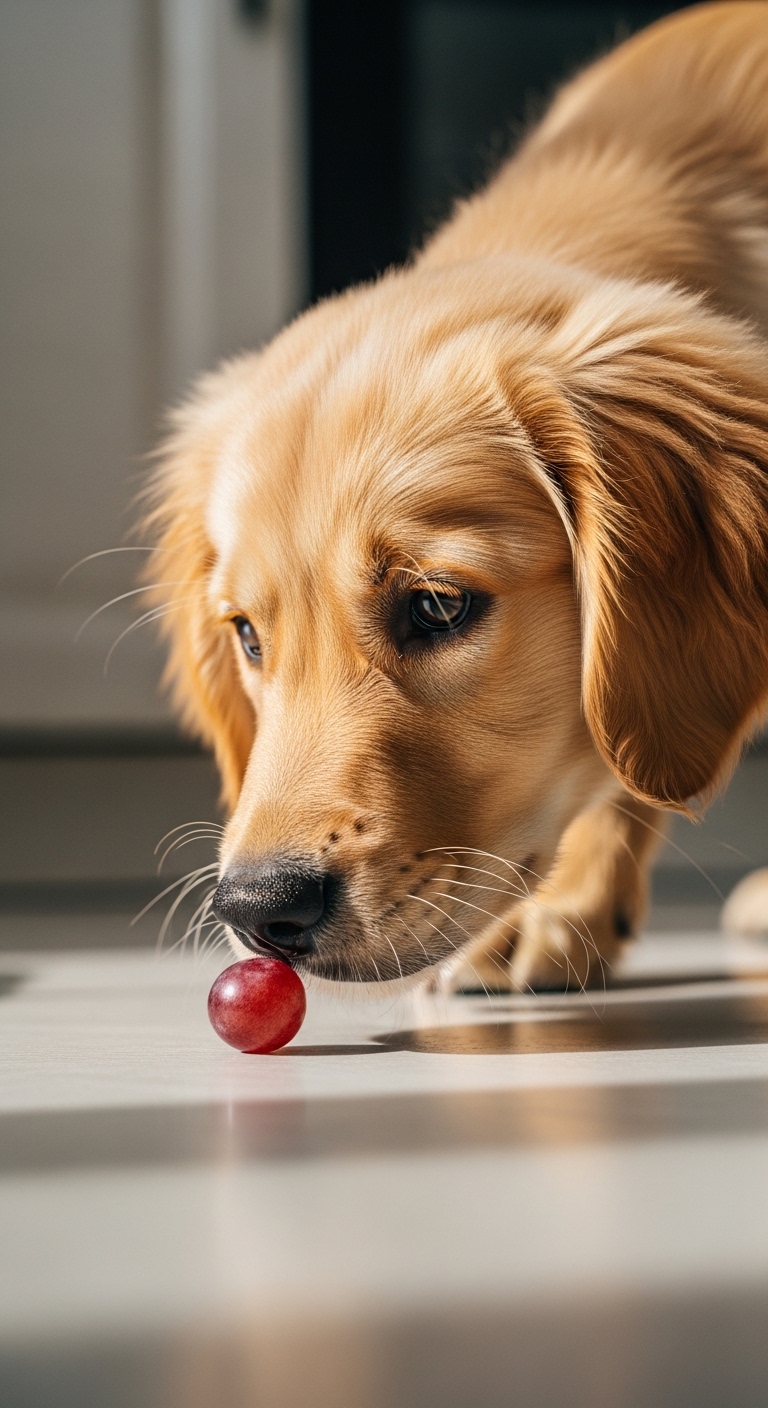
Your home should be a sanctuary for your dog. Secure loose wires, block off unsafe areas, and keep toxic plants out of reach. Comfort isn’t just about soft beds: it’s about reducing stress. A quiet corner with their favorite blanket can make a world of difference during thunderstorms or fireworks.
Common Mistakes to Avoid
Skipping vet visits because your dog seems fine is a gamble. Another big one? Overfeeding treats under the guise of love. Portion control is crucial, especially as they age. And don’t assume their old habits will stay the same: what worked at two years old might not suit them at eight.
Cleaning and Hygiene
Regular grooming isn’t just about looks. Mats in fur can cause painful skin infections, and dirty ears lead to chronic issues. Nail trims might seem minor, but overgrown nails can alter their gait and cause joint stress. Even their bedding needs washing: bacteria and allergens build up fast.
A dog’s journey is full of little milestones, and the way you support them through each one defines their quality of life. It’s not about perfection: it’s about paying attention, adjusting as needed, and giving them the love they deserve every step of the way.
Frequently Asked Questions
- → How often should I walk my dog?
Most dogs benefit from at least two 20-30 minute walks daily, adjusted for breed, age, and energy level. Puppies and high-energy breeds may need more frequent or longer sessions.
- → What's the best diet for my dog's life stage?
Puppies need nutrient-dense food for growth, adults require balanced maintenance diets, and seniors often need fewer calories with added joint support. Always consult your vet for personalized recommendations.
- → How can I tell if my dog is overweight?
You should be able to feel (but not see) your dog's ribs and see a waist when viewed from above. If you're unsure, your vet can assess their body condition score during checkups.
- → What grooming routine should I follow?
Brush your dog's coat 2-3 times weekly (daily for long-haired breeds), trim nails monthly, clean ears weekly, and bathe as needed (typically every 4-6 weeks). Use products formulated specifically for dogs.
- → How do I introduce new habits to an older dog?
Start slowly with small changes, use positive reinforcement like treats or praise, and maintain consistency. Senior dogs may need shorter, more frequent sessions to accommodate stiffness or fatigue.
- → What's the ideal sleep schedule for dogs?
Dogs typically sleep 12-14 hours daily, with puppies and seniors needing more. Create a quiet, comfortable sleeping area and maintain consistent bedtime routines for better rest quality.