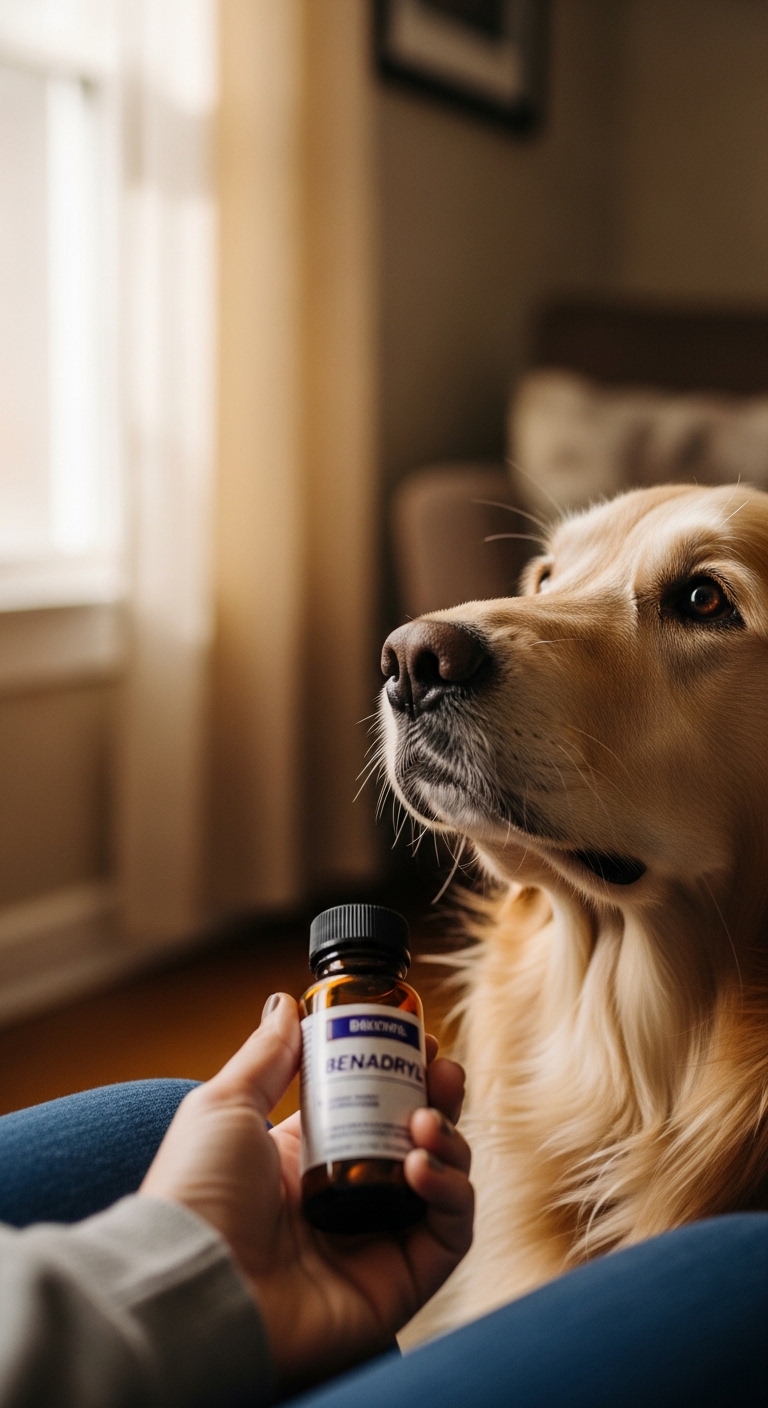
Cinnamon is a common spice in many kitchens, but when you have a dog at home, it’s natural to wonder if it’s safe to share. Many pet owners don’t realize that while cinnamon isn’t toxic in small amounts, it can still cause issues depending on the form and quantity. Understanding how cinnamon affects dogs helps you make better choices for their diet and avoid unnecessary health risks.
This matters because even small dietary mistakes can lead to discomfort for your pet, and knowing the details helps you act with confidence. I’ve seen dogs react differently to cinnamon: some barely notice it, while others get an upset stomach from even a tiny amount. That’s why it’s important to pay attention to your dog’s individual response.
Key Things to Understand
- Cinnamon in small amounts: generally not toxic to dogs but should be given cautiously
- Cassia cinnamon: contains coumarin, which can be harmful in large doses, unlike Ceylon cinnamon
- Powdered cinnamon: can irritate a dog’s mouth and digestive system if inhaled or ingested in excess
- Cinnamon essential oils: much stronger and should never be used around dogs
- Sensitivity: some dogs may react even to small amounts
What to Look For
Watch for signs of irritation in your dog’s mouth if they’ve been exposed to cinnamon powder, such as drooling or pawing at the face. This happens because the fine particles can irritate the gums and throat. If you notice coughing or gagging shortly after exposure, it could mean your dog inhaled some of the powder, which is a sign to keep cinnamon out of reach in the future.
Pay attention to your dog’s energy levels and appetite after introducing any new food with cinnamon. Some dogs may experience mild stomach upset, which can show up as vomiting or diarrhea. If these symptoms appear, it’s best to avoid cinnamon in their diet. Keep in mind that dogs with sensitive stomachs or conditions like diabetes may react differently, so it’s wise to introduce cinnamon gradually and in very small amounts if at all.
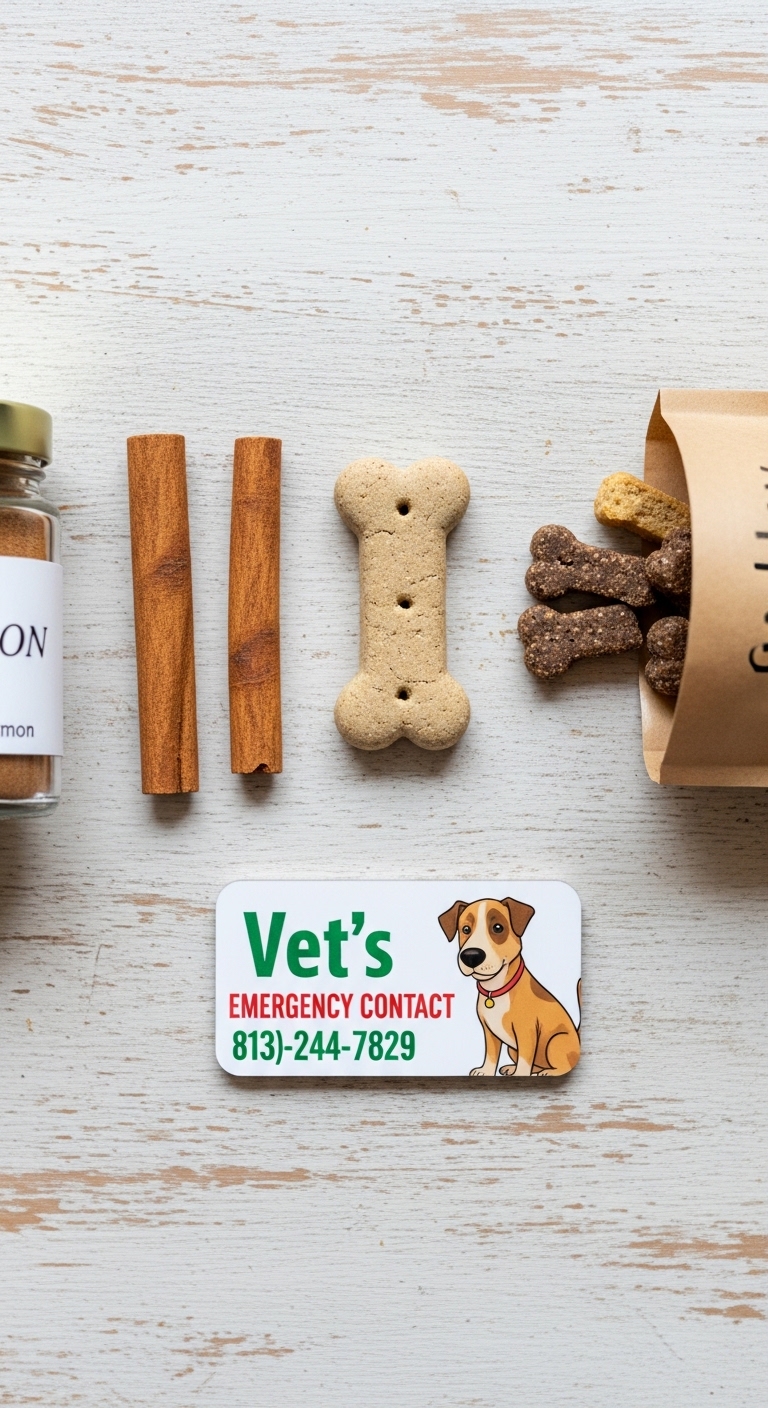
Many pet owners don’t realize that cinnamon in baked goods or processed foods can be risky because of the combination of ingredients. Even if cinnamon itself isn’t toxic, the sugar or xylitol in some products can be dangerous. Always check the full ingredient list before sharing anything with your dog.
Daily care habits
If you bake treats at home and like to add a dash of cinnamon, make sure it’s Ceylon cinnamon and only a tiny amount. Mix it well into the dough so your dog doesn’t get a concentrated dose in one bite. Keep an eye on how your dog responds over a few days before making it a regular ingredient.
Choosing the right product
When buying dog treats or foods that contain cinnamon, check the label for Ceylon cinnamon specifically. Avoid products with added sugars or artificial sweeteners, as these pose bigger health risks than the cinnamon itself. If you’re unsure, stick to plain, unflavored treats without any spices.
Safety and comfort
Store cinnamon and cinnamon-containing products where your dog can’t reach them, just like you would with chocolate or grapes. Powdered cinnamon can be especially tempting for dogs to sniff or lick, and inhaling it can cause coughing fits. If your dog gets into cinnamon and seems uncomfortable, offer water and monitor for any signs of distress.
Common mistakes to avoid
One common mistake is assuming all cinnamon is the same and not checking the type. Cassia cinnamon, which is more widely available, can be harmful in large amounts, while Ceylon cinnamon is a safer option. Another mistake is giving cinnamon to dogs with pre-existing health conditions like liver disease without consulting a vet first.
Cleaning and hygiene
If your dog gets cinnamon on their fur or paws, wipe it off gently with a damp cloth to prevent them from licking it off and ingesting it. Cinnamon residue can also leave a strong smell on their coat, which might attract dirt or other irritants. Regular grooming helps keep your dog comfortable and reduces the risk of them ingesting anything harmful.
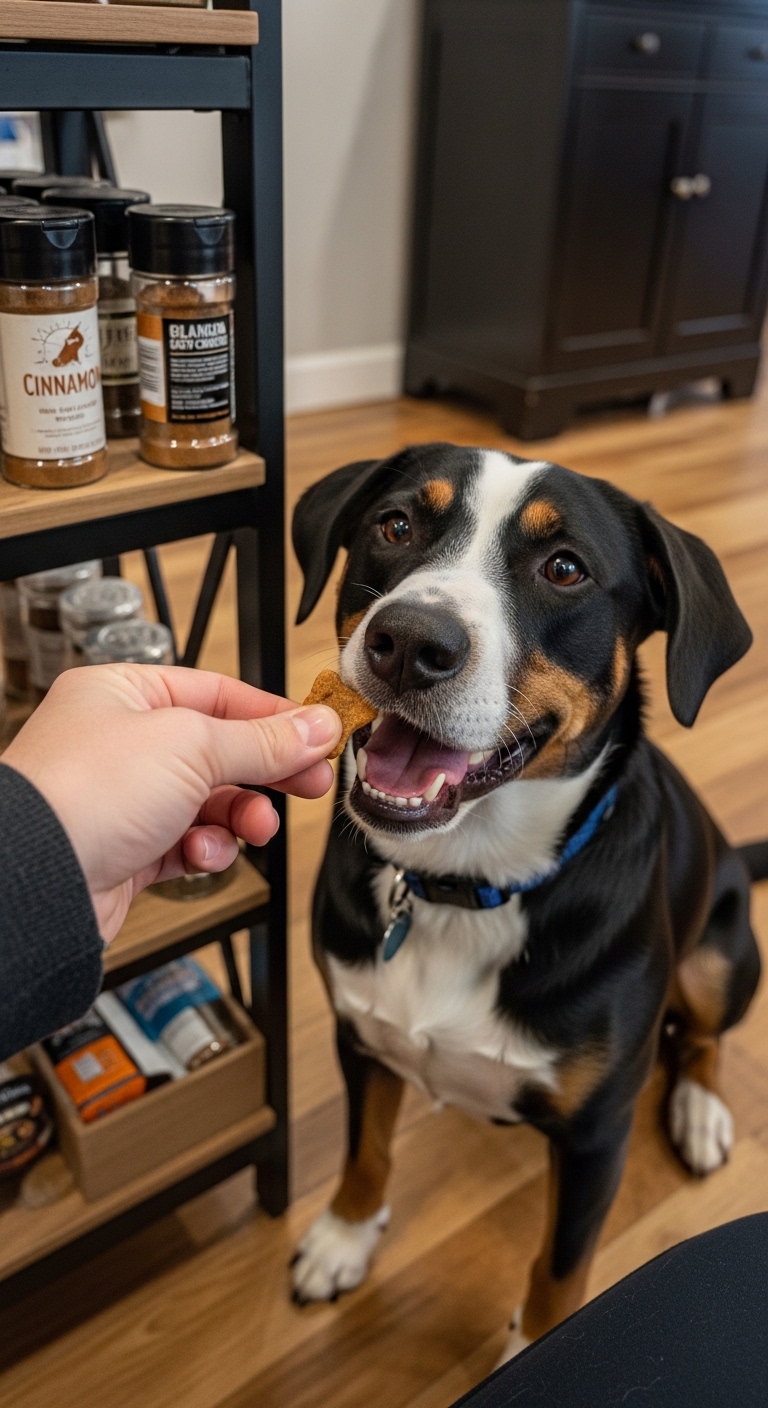
When in doubt, it’s always best to ask your vet before introducing any new food or spice into your dog’s diet. They can provide personalized advice based on your dog’s health history and current condition.
Frequently Asked Questions
- → Is cinnamon toxic to dogs?
Cinnamon is not toxic to dogs in small amounts, but cassia cinnamon contains higher levels of coumarin, which can cause liver damage in large doses. Ceylon cinnamon is a safer alternative.
- → How much cinnamon can I give my dog?
For small dogs, start with 1/8 teaspoon per day. Larger dogs can have up to 1 teaspoon daily. Always introduce it slowly and watch for any negative reactions.
- → What are the benefits of cinnamon for dogs?
Cinnamon may help regulate blood sugar, reduce inflammation, and freshen breath. It also contains antioxidants that support overall health.
- → Can cinnamon help with my dog’s digestion?
In small amounts, cinnamon may aid digestion and soothe an upset stomach. However, too much can cause stomach upset or diarrhea, so moderation is key.
- → Are there any risks of feeding cinnamon to dogs?
Potential risks include allergic reactions, liver damage (from cassia cinnamon), low blood sugar, and mouth irritation. Always consult your vet before introducing new foods.
- → Can puppies eat cinnamon?
Puppies can have tiny amounts of cinnamon, but it’s best to avoid it until they are older and their digestive systems are more developed. Always check with your vet first.