Choosing the right cat litter is essential for your pet’s comfort and your household’s cleanliness. Tofu and clay litters are two popular options, each with unique benefits. Tofu litter is biodegradable, lightweight, and excellent for odor control, making it ideal for eco-conscious pet owners. Clay litter, on the other hand, is widely available, highly absorbent, and forms tight clumps for easy scooping. Consider your cat’s preferences, your cleaning routine, and environmental impact when making a decision. Both options have pros and cons, so weigh factors like dust levels, tracking, and cost to find the best fit for your home.
TOFU vs CLAY Cat Litter: Which One ACTUALLY Works Better? | Tuft & Paw
Choosing the right cat litter isn’t just about keeping the box clean—it affects your cat’s health, your home’s air quality, and even how much time you spend scrubbing floors. Many owners stick with traditional clay litter out of habit, but tofu litter is gaining popularity for good reasons. The wrong choice can lead to tracking messes, strong odors, or worse, a cat who avoids the box entirely. Whether you’re dealing with a picky feline, allergies, or just want a low-maintenance option, understanding the real differences between tofu and clay litter can save you frustration and money.
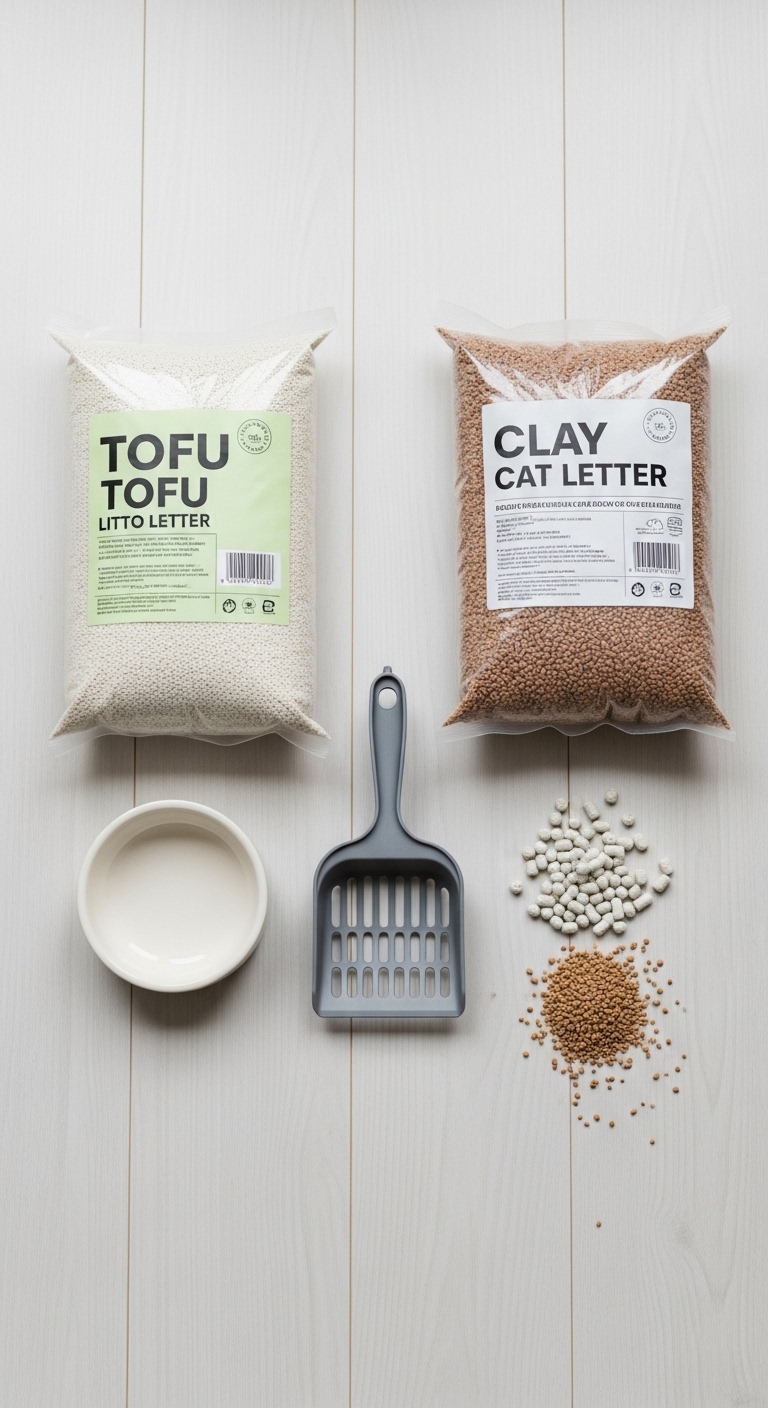
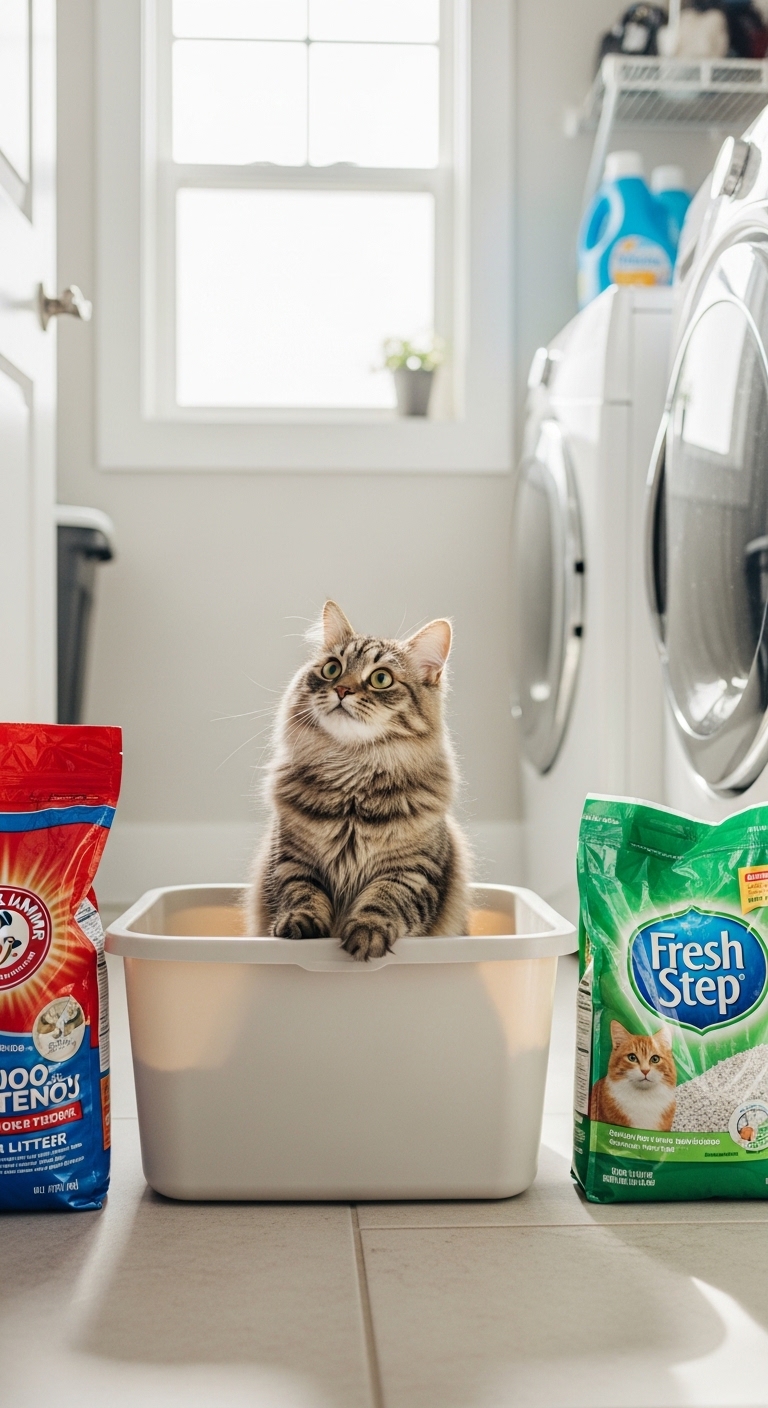
Two bags of cat litter, one is tofu litter and the other is clay litter. | petcarepicked.com
It helps you pick a litter that matches your cat’s preferences and your lifestyle. You’ll learn which option reduces odors and tracking better for a cleaner home. It explains how each type impacts your cat’s health and comfort long-term. You’ll avoid common mistakes like choosing a litter that clumps poorly or irritates sensitive paws. It also breaks down cost differences so you can budget smarter without sacrificing quality.
I’ve seen cats refuse to use a box because the litter texture felt wrong under their paws—something as simple as switching types solved the problem overnight. And if you’ve ever stepped on a clay litter crumb barefoot, you know how much tracking matters in daily life. The right litter can make a world of difference in both your cat’s happiness and your own sanity.
Tofu litter is made from soybean byproducts, making it biodegradable and often dust-free, which is better for cats with respiratory issues or allergies. Clay litter, especially clumping varieties, relies on sodium bentonite that can create fine dust and may not break down in landfills. Tofu litter absorbs odors naturally without added fragrances, while many clay litters use chemical deodorizers that some cats dislike.
Clumping ability varies—clay litter usually forms tighter clumps, but high-quality tofu litter can hold together well if it’s fresh. Tracking is a big difference: tofu litter granules are larger and less likely to stick to paws, while clay particles often spread beyond the box. Cost per use matters too—tofu litter is pricier upfront, but you often use less per cleaning because it absorbs moisture more efficiently.
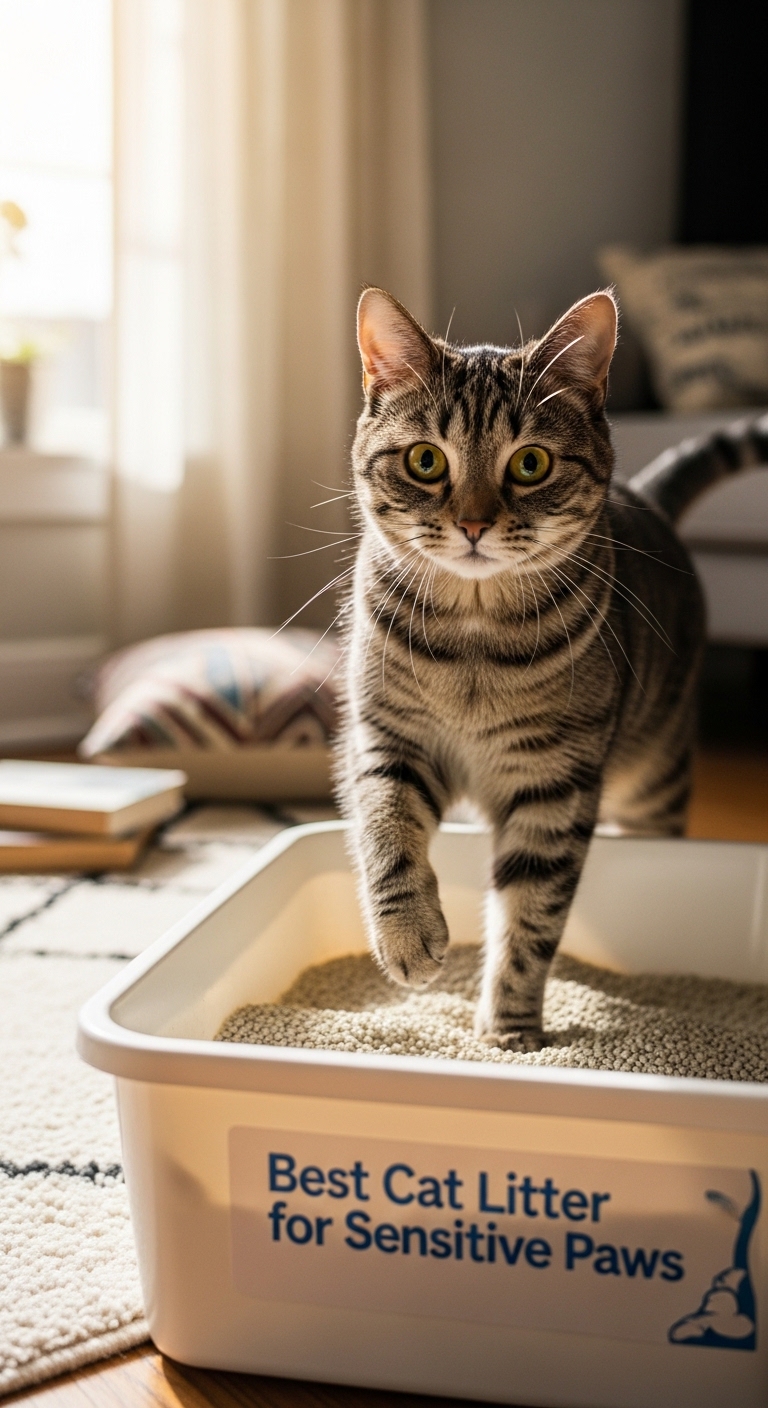
When comparing the two, start by observing how your cat reacts during the first few days. A cat that hesitates to step into the box, scratches excessively after using it, or avoids it altogether is sending a clear signal. Tofu litter’s plant-based granules are gentler on paws, which can be a relief for older cats or those with declaw sensitivity. Clay litter’s rougher texture might feel more familiar to some cats, but watch for limping or licking their paws afterward—those are signs of irritation.
Odor control is where many owners get frustrated. Clay litter often masks smells with added perfumes, which can overwhelm a cat’s sensitive nose and even trigger sneezing. Tofu litter neutralizes odors naturally, but the effectiveness depends on the brand’s quality. If you notice ammonia-like smells lingering after scooping, the litter isn’t absorbing well enough, and it’s time to try a different formula.
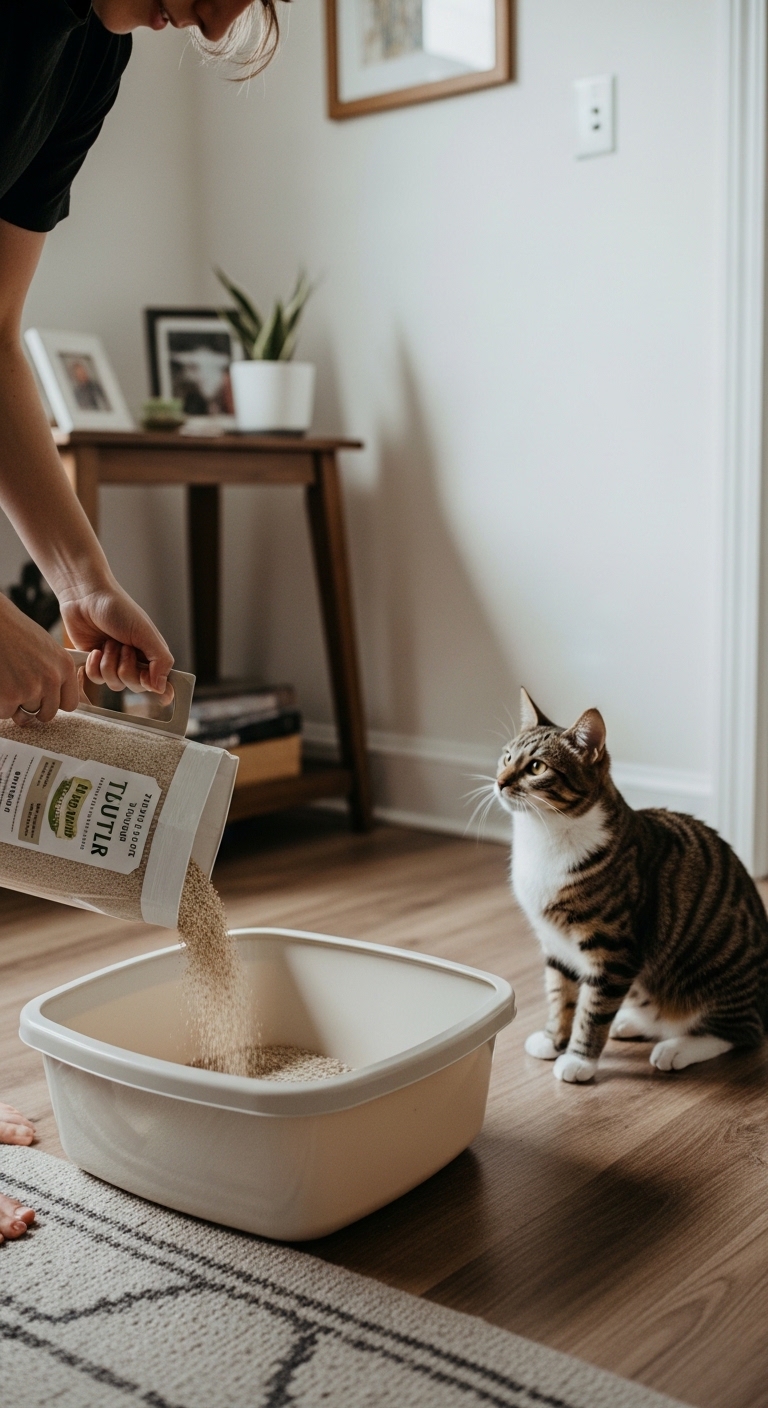
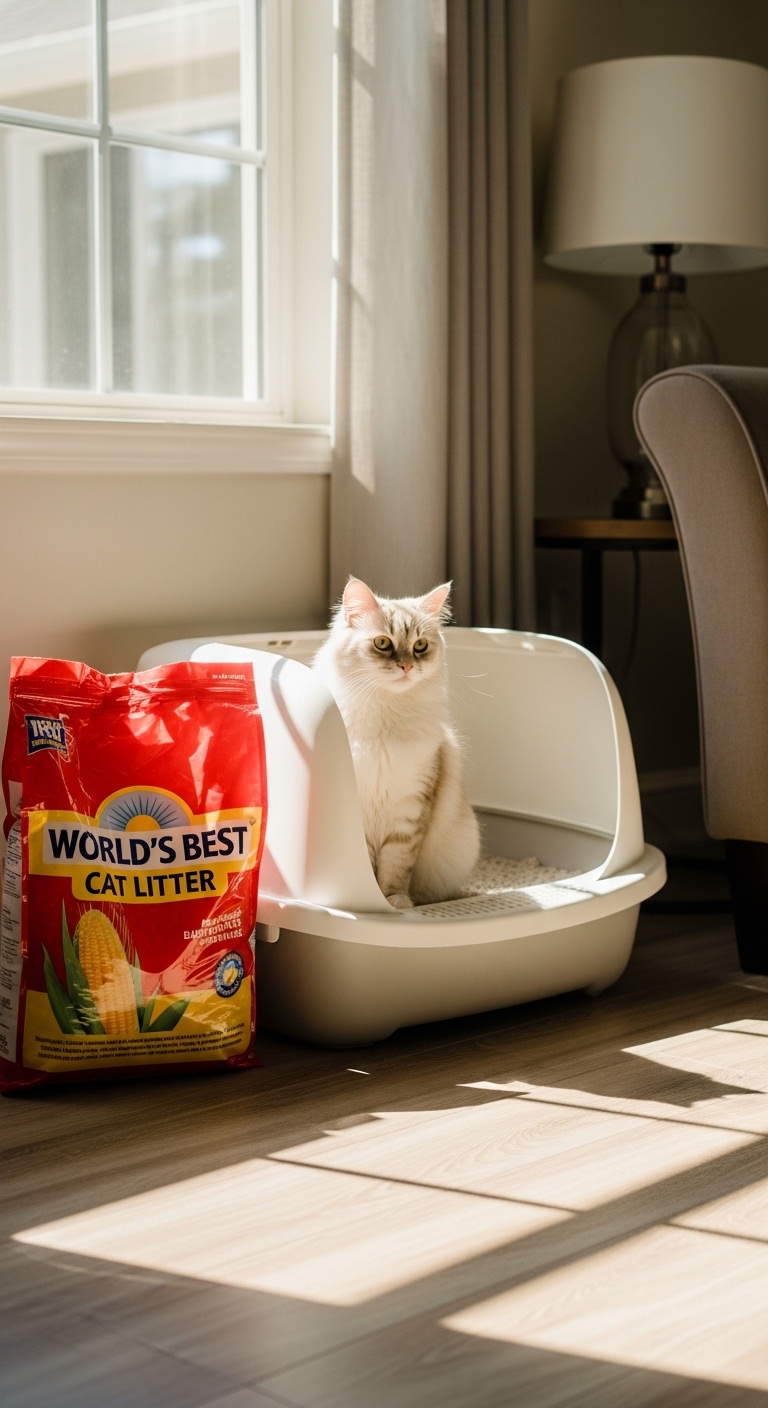
A cat sits next to a bag of tofu litter. | petcarepicked.com
Pay attention to how much litter ends up outside the box. Clay’s fine particles cling to paws and fur, creating a trail across your floors. Tofu litter’s larger pieces stay put better, but some brands can crumble if they get too wet. If you’re finding litter scattered in hallways or stuck in carpets, a high-sided box or a mat might help—but switching litter types could solve the root problem.
Moisture absorption is another key difference. Clay litter turns into heavy, soggy clumps that can break apart when scooped, leaving wet spots behind. Tofu litter absorbs liquid quickly and often turns into a firm, easy-to-remove clump. If you’re scooping daily, this means less wasted litter and a drier box overall. But if you skip days, tofu litter can sometimes dissolve into a mushy layer at the bottom, while clay might just get smellier.
Not all tofu litters are equal—some brands dissolve too fast or don’t clump well, so read reviews before buying. Clay litter dust can aggravate asthma or allergies in both cats and humans, especially in small spaces. Tofu litter is flushable in small amounts, but check your plumbing first—some systems can’t handle it. Cats with kidney issues may need low-dust litter to avoid respiratory stress, making tofu a safer choice.
If switching litters, mix the old and new types gradually over a week to help your cat adjust. Scooping is non-negotiable with either litter, but the technique changes slightly. With clay, remove clumps as soon as they form to prevent that wet, cement-like layer at the bottom. Tofu litter benefits from a quick stir before scooping to break up any loose pieces and help the remaining granules absorb better.
For odor control between cleanings, sprinkle a thin layer of baking soda under the litter (works for both types) or use a litter box with a built-in filter. Avoid scented litters if your cat is sensitive—they might cover smells for you, but the artificial fragrance can be overwhelming for them. And no matter which litter you choose, wash the box with mild soap and water at least once a month to prevent bacteria buildup.
If you’re testing tofu litter for the first time, start with a small bag of a well-reviewed brand like **SmartCat** or **Ökocat**. Look for labels that say 'fast clumping' or 'low tracking.' For clay, **Arm & Hammer Clump & Seal** is a solid mid-range option, but avoid the heavily perfumed versions. Price per pound is a better comparison than bag size—a 20-pound bag of clay might seem cheaper, but if you’re replacing it every week while a 10-pound bag of tofu lasts two weeks, the tofu is actually the budget-friendlier choice.
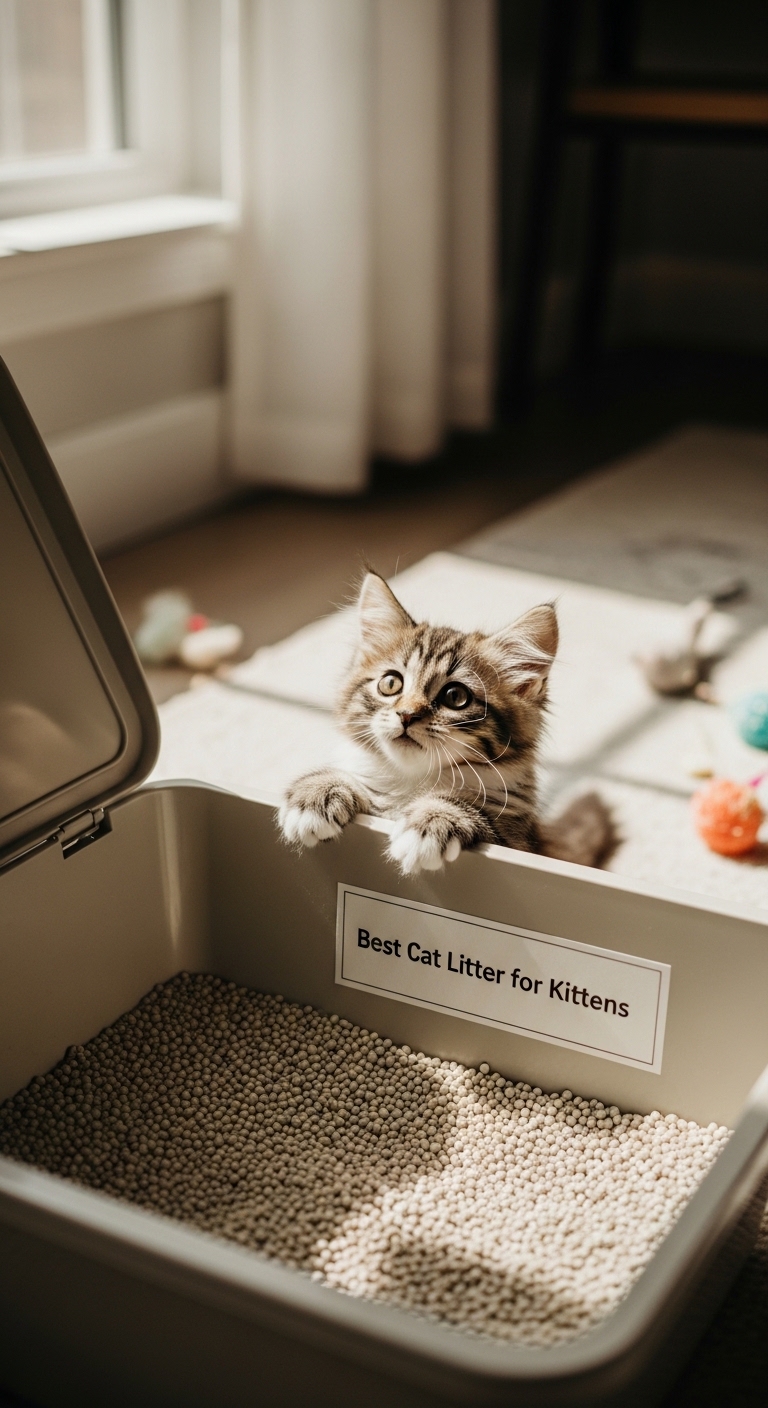
Dust is the biggest health concern with clay litter. If you see a cloud when pouring or notice your cat sneezing after using the box, switch to a low-dust formula or try tofu. Kittens and senior cats are especially vulnerable to respiratory irritation. Clay litter can also be dangerous if ingested in large amounts, while tofu litter is non-toxic. Comfort-wise, watch how your cat digs—deep diggers might prefer clay’s resistance, while cats that scratch lightly often like tofu’s softer feel.
One of the biggest errors is not giving your cat time to adjust to new litter. Even if you love it, your cat might need a week or two to get used to the texture and smell. Another mistake is assuming more litter means less odor—overfilling the box actually makes it harder for the litter to absorb moisture properly, especially with tofu. Never mix cleaning products with litter; bleach or strong disinfectants can leave residues that deter your cat from using the box.
Humidity affects litter performance more than you’d think. In summer, clay litter can dry out and create more dust, while tofu litter might clump too quickly if your home is very damp. In winter, tofu litter can feel colder underfoot—some cats dislike the chill, so consider a heated mat if your cat hesitates. If you live in a dry climate, add a little extra tofu litter to the box to compensate for faster evaporation.
Pro tip: If your cat tracks tofu litter, place a shallow tray of unused litter outside the box—they’ll step in it and leave the granules behind. For stubborn clay litter odors, sprinkle a handful of activated charcoal (pet-safe) under the liner to absorb smells. When transitioning litters, rub a bit of the new litter on your cat’s paws to familiarize them with the texture before filling the box.
Frequently Asked Questions
→ Which litter is more eco-friendly, tofu or clay?
Tofu litter is biodegradable and made from natural soybean products, making it the more eco-friendly choice. Clay litter is mined, which can have a larger environmental footprint.
→ Does tofu litter clump as well as clay litter?
Tofu litter forms soft clumps that are easy to scoop, though some pet owners find clay litter’s clumps firmer and more defined. Test both to see which your cat prefers.
→ Is tofu litter dust-free compared to clay?
Yes, tofu litter typically produces less dust than clay litter, reducing respiratory irritation for both cats and owners. This makes it a better option for households with allergies or sensitive pets.
→ How often should I change tofu vs clay litter?
Tofu litter may need more frequent changes (every 1-2 weeks) due to its lighter texture, while clay litter can last up to 3-4 weeks if scooped daily. Monitor odor and cleanliness to determine the best schedule.
→ Which litter is better for multi-cat households?
Clay litter’s superior absorbency and clumping make it a strong choice for multi-cat homes, as it handles higher waste volumes more effectively. Tofu litter can work but may require more frequent maintenance.
→ Does my cat’s preference matter when choosing litter?
Absolutely! Cats are sensitive to texture and scent. Introduce changes gradually and observe your cat’s reaction. Some prefer the softness of tofu, while others favor clay’s familiar feel.
Stay Updated
Get the latest articles delivered straight to your inbox. No spam, just great inspiration!