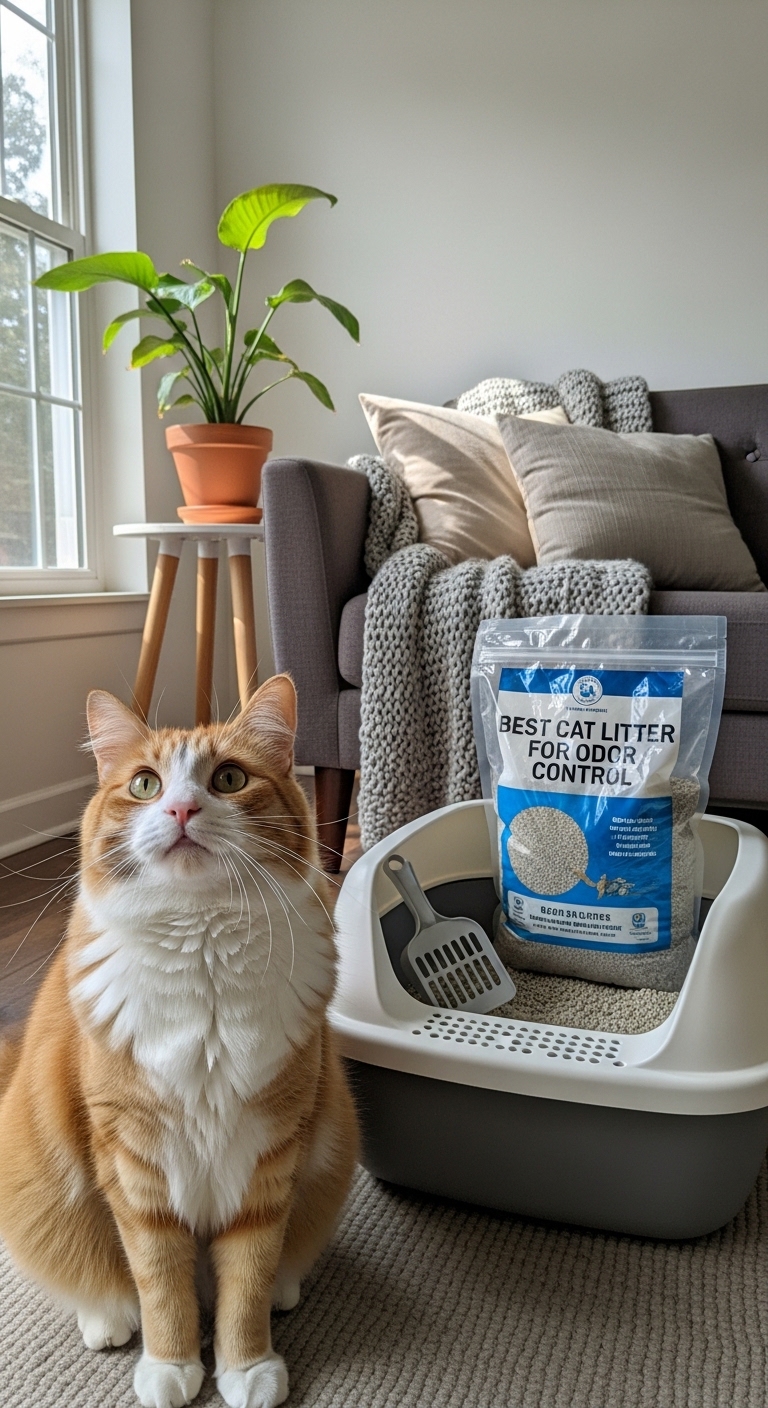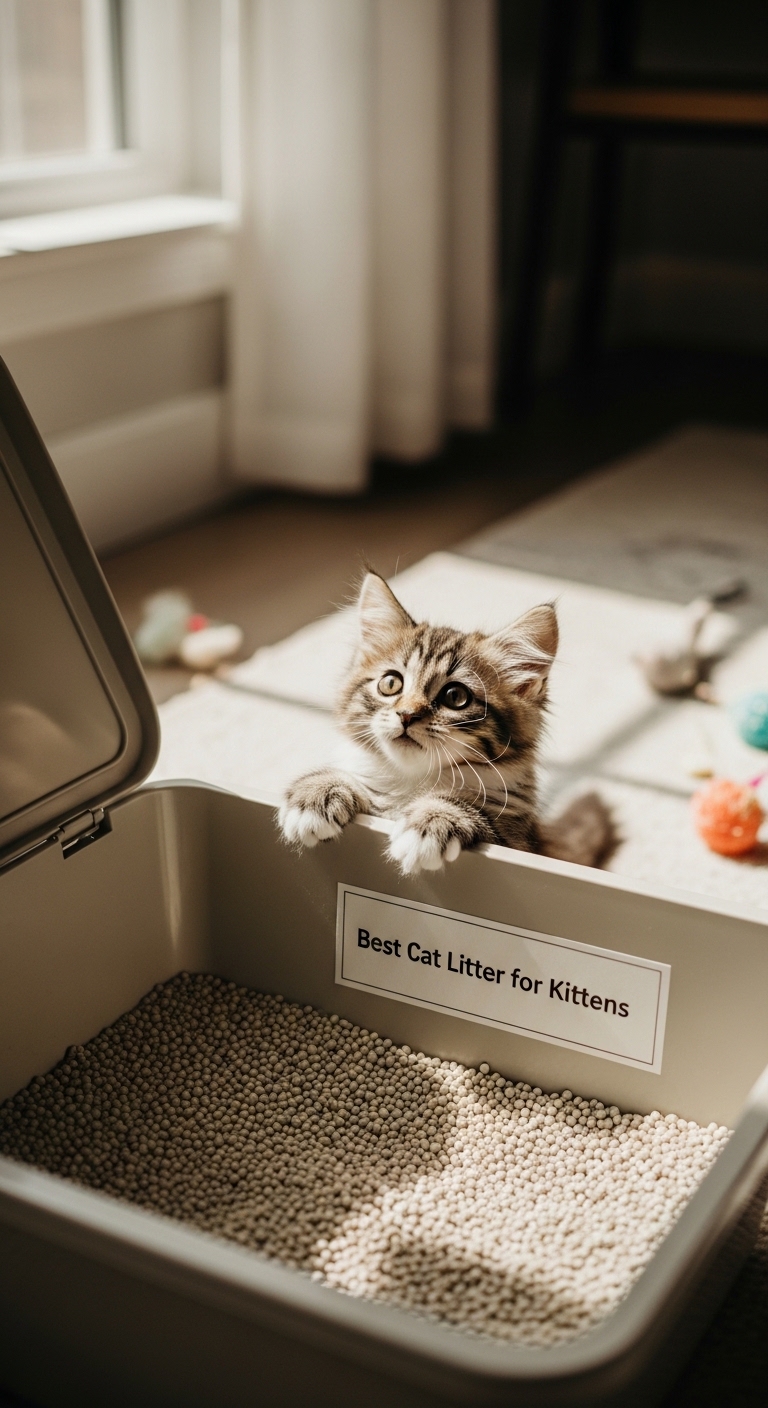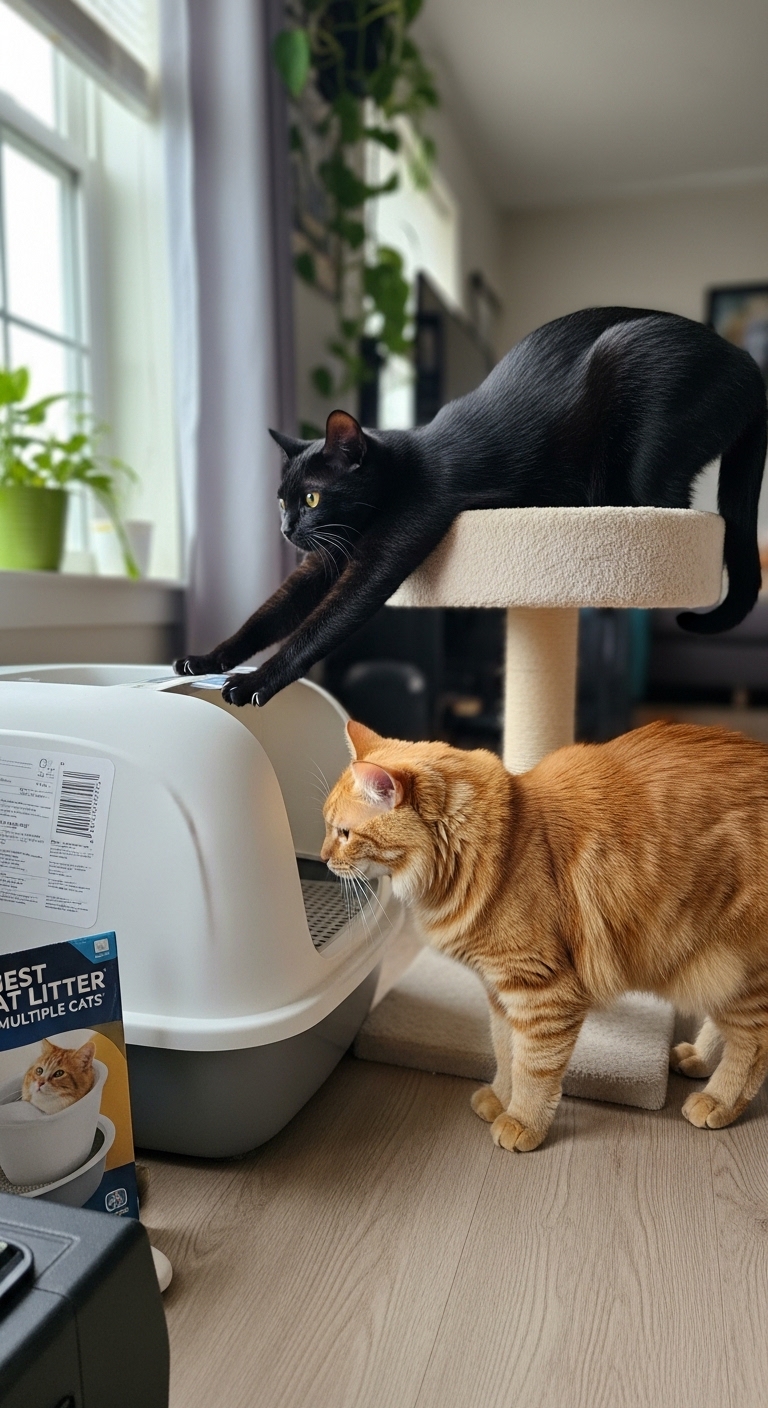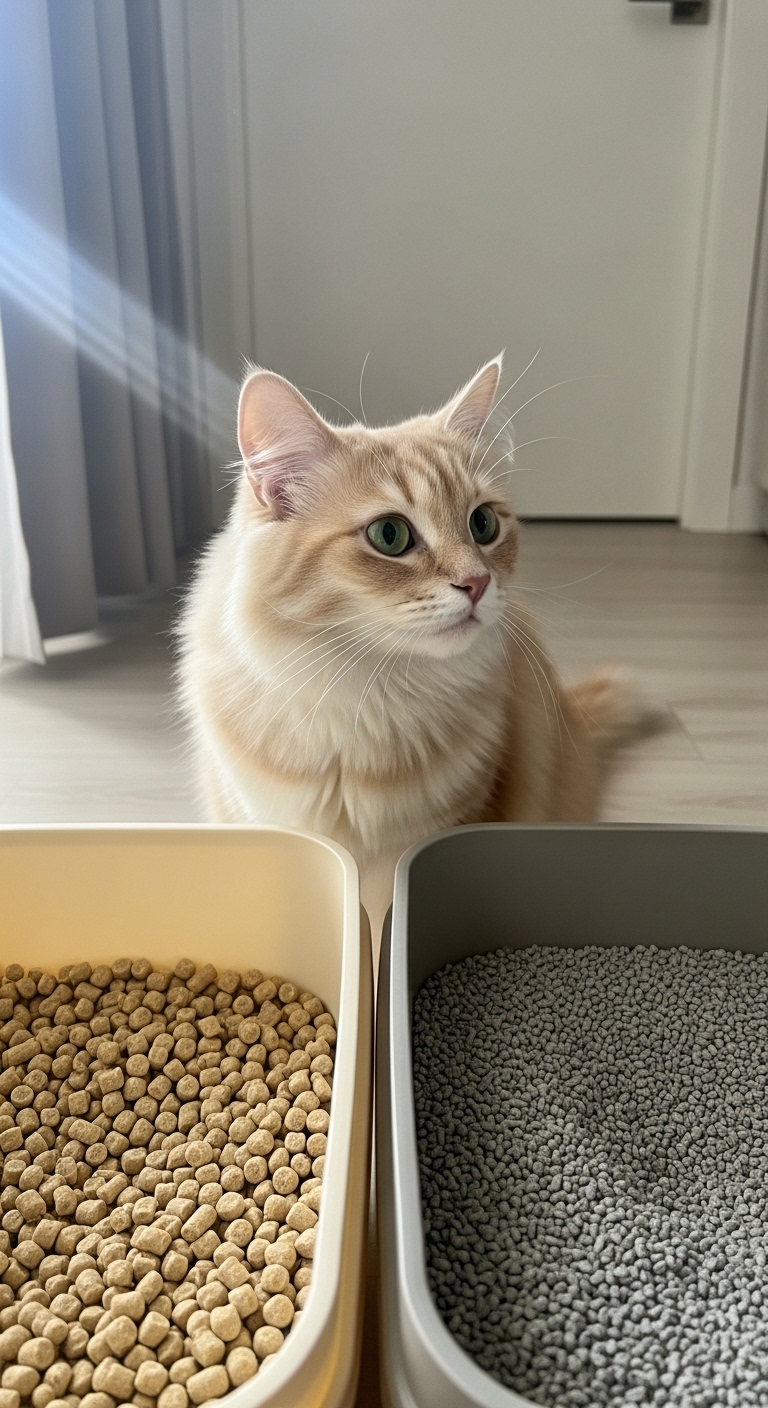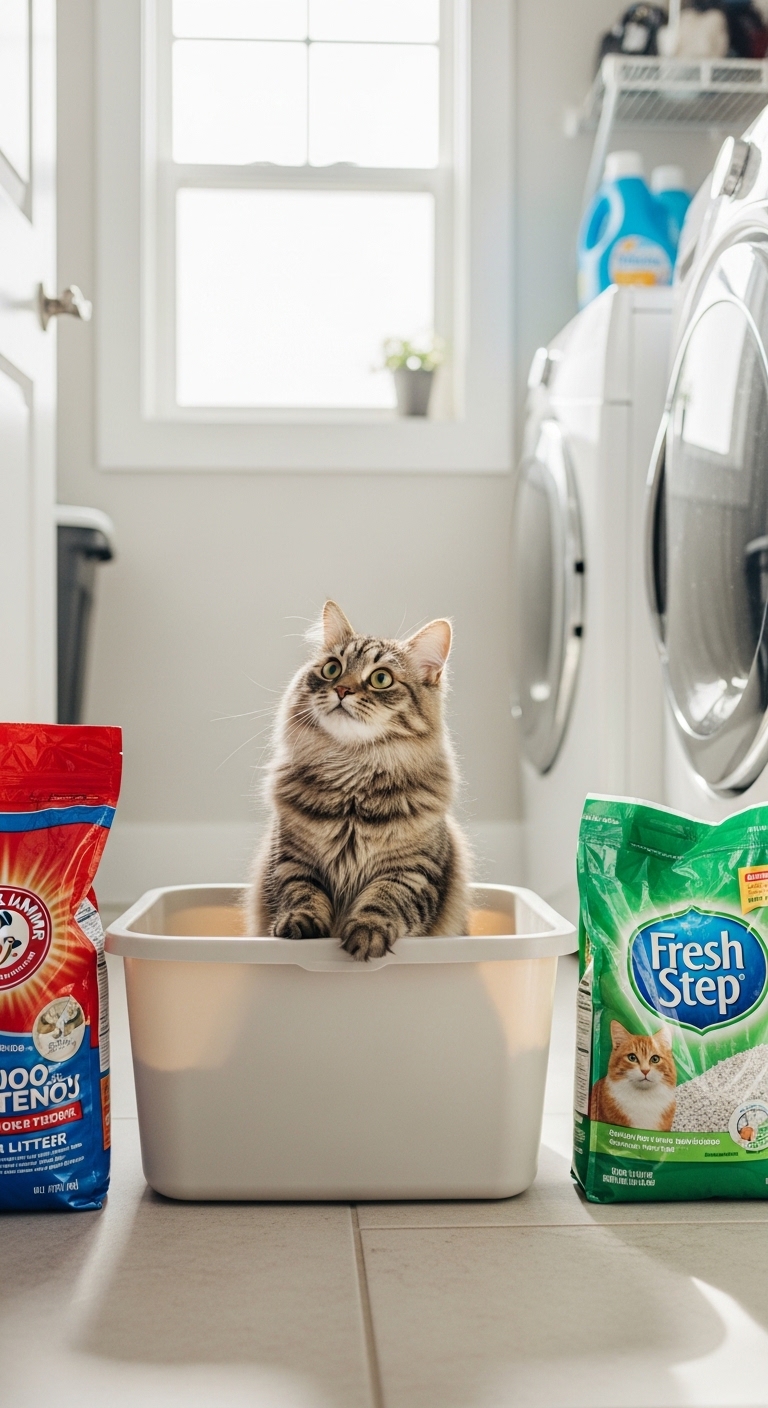
Finding the right cat litter for sensitive paws can make a huge difference in your cat’s comfort and your own peace of mind. No one wants to deal with a cat that avoids the litter box because the texture hurts their feet. Whether your cat has delicate pads or just prefers softer surfaces, choosing the right litter matters for their daily routine and your home’s cleanliness. It’s one of those small but important decisions that keeps both you and your pet happy.
I’ve seen cats refuse to use a litter box simply because the texture felt too rough under their paws. Once we switched to a softer option, the problem disappeared overnight.
Key Things to Understand
- Avoid clay litters with sharp edges: that can irritate sensitive paws
- Look for litters labeled as soft, gentle, or made for sensitive paws: these are designed to minimize discomfort
- Natural options like paper or plant-based litters: often work best for delicate paws
- Consider pellet-style litters: that are gentler on contact
- Check for dust-free formulas: to reduce respiratory irritation
What to Look For
When evaluating cat litter for sensitive paws, pay attention to how your cat interacts with it. Does your cat hesitate before stepping in or seem reluctant to dig? These are signs the texture might be uncomfortable. Observe their gait when they leave the box—if they limp slightly or lick their paws more than usual, the litter could be causing discomfort. Also notice how much litter gets tracked outside the box; softer litters tend to clump less aggressively, which can reduce mess but might require more frequent scooping. The right litter should feel almost like walking on a smooth surface rather than sandpaper.
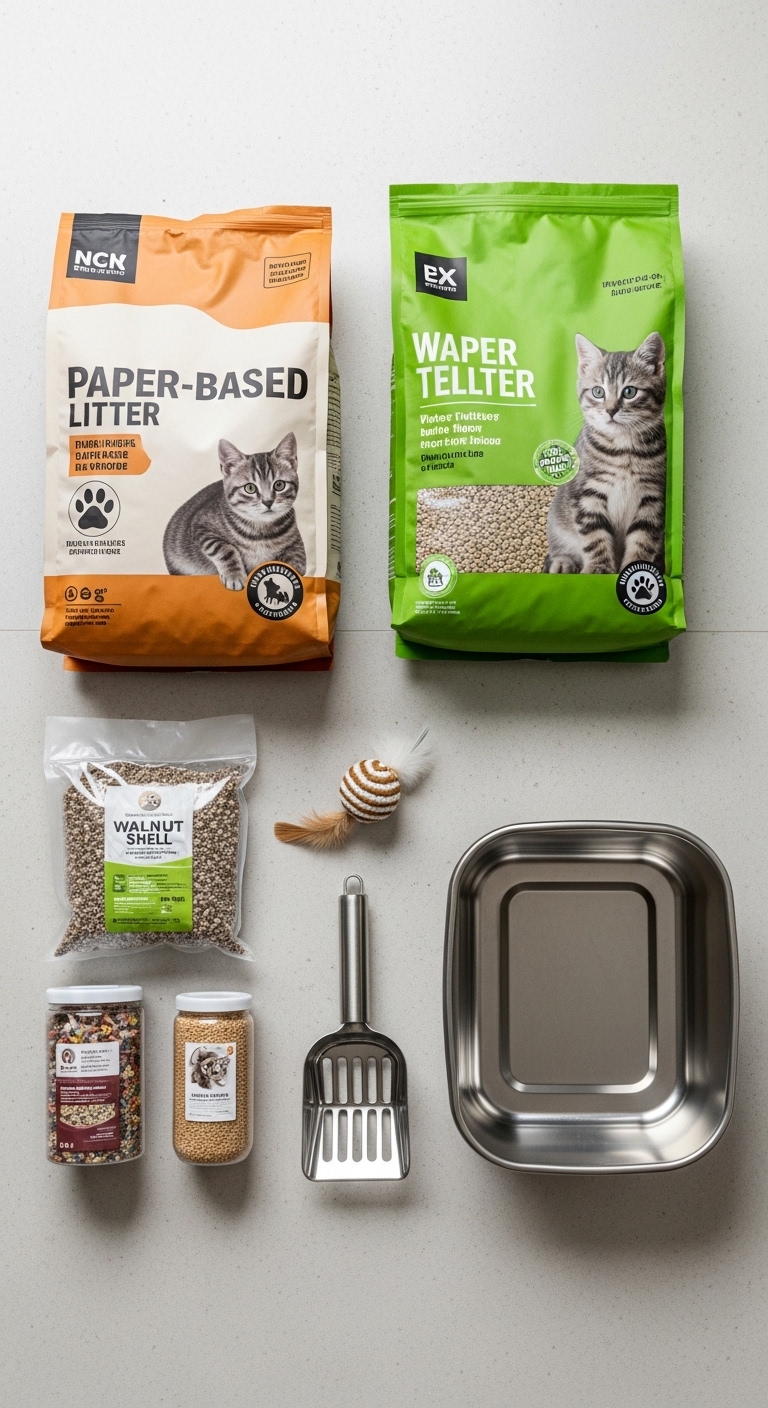
I once switched my cat to a new litter too quickly, and she avoided the box for two days straight. A gradual transition over a week solved the problem completely. It’s also worth noting that some cats develop preferences based on the litter’s temperature—warmer litters feel softer to their paws.
Daily Care Habits
Make it a habit to check your cat’s paws after they use the litter box. If you see redness or irritation, it’s time to switch litters. Keep the box in a quiet, low-traffic area so your cat feels safe using it. Scoop at least once a day to prevent buildup that could bother sensitive paws. Consider placing a soft mat around the box to catch any stray litter before it spreads through your home.
Choosing the Right Product
Start by identifying what bothers your cat most about their current litter. Is it the texture, the dust, or the way it clumps? Visit pet stores and ask for samples if possible. Read reviews from other cat owners with sensitive paws—real experiences often reveal details you won’t find on packaging. Compare the cost per use rather than just the price tag, since some litters last longer than others.
Safety and Comfort
Always check the label for any ingredients that might trigger allergies in your cat. Avoid litters with added chemicals or artificial scents, as these can cause sneezing or paw licking. If your cat has arthritis or joint pain, a litter with lower sides might be easier for them to access. Watch for signs of discomfort like excessive grooming or limping after using the box.
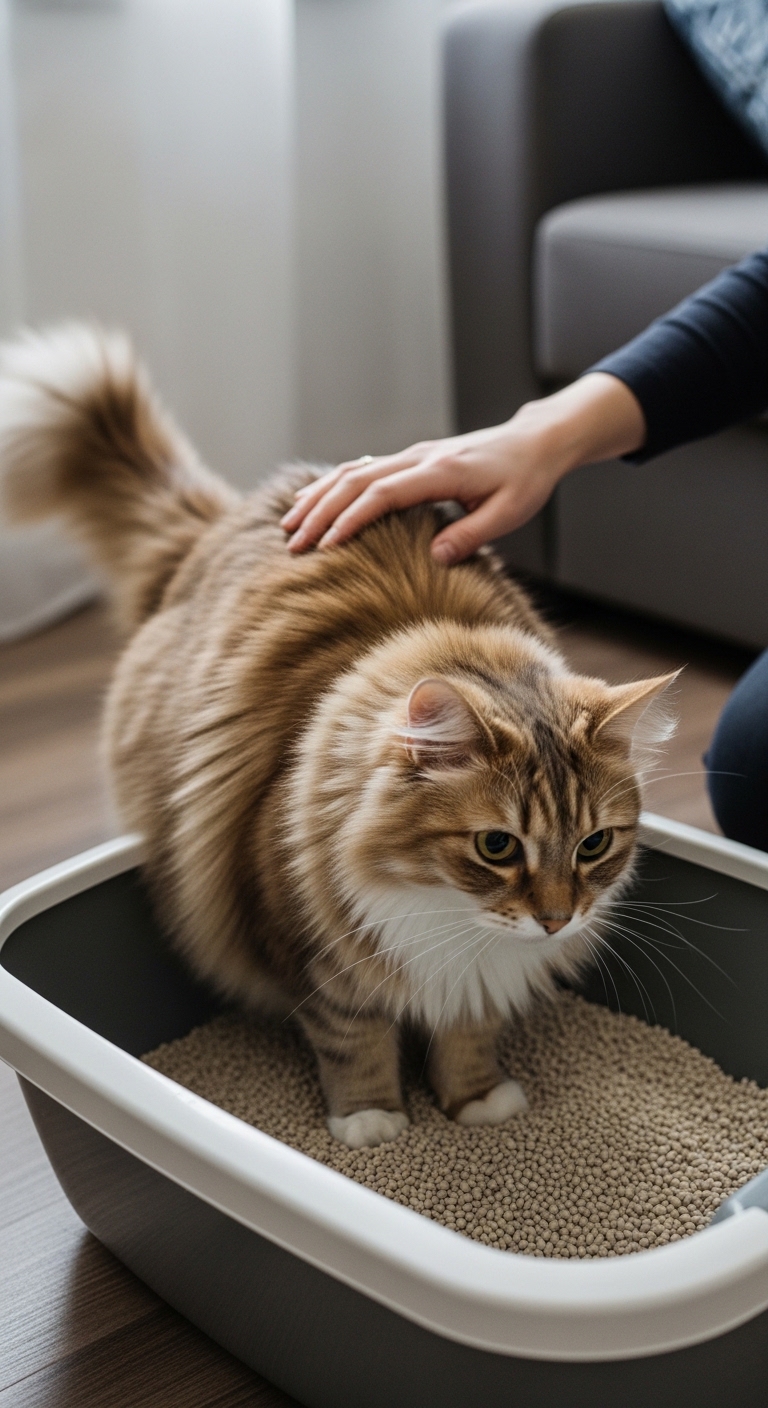
Choosing the right litter for sensitive paws ensures your cat stays comfortable and your home remains clean.
Frequently Asked Questions
- → What makes a cat litter suitable for sensitive paws?
A cat litter suitable for sensitive paws is typically made from soft, natural materials like paper, corn, or silica gel. It should be unscented or lightly scented to avoid irritation and form soft clumps for easy cleaning.
- → Can I use scented cat litter for a cat with sensitive paws?
It's best to avoid scented cat litters for cats with sensitive paws, as strong fragrances can irritate their respiratory system and paws. Opt for unscented or lightly scented options instead.
- → How do I transition my cat to a new litter for sensitive paws?
To transition your cat to a new litter, mix a small amount of the new litter with the old litter over the course of a week. Gradually increase the proportion of the new litter to help your cat adjust without stress.
- → What are some top brands of cat litter for sensitive paws?
Top brands include Dr. Elsey’s, Arm & Hammer Clump & Seal, and World’s Best Cat Litter. These brands offer litters specifically designed for sensitive paws, using gentle, natural materials.
- → How often should I change the cat litter for sensitive paws?
Change the cat litter at least once a week to maintain cleanliness and prevent odor buildup. Cats with sensitive paws may require more frequent changes to ensure their comfort and health.
- → Are clumping litters better for sensitive paws?
Clumping litters are generally preferred for easy cleaning, but ensure the clumps are soft and break apart easily. Avoid litters with large, hard clumps that could irritate your cat’s paws.