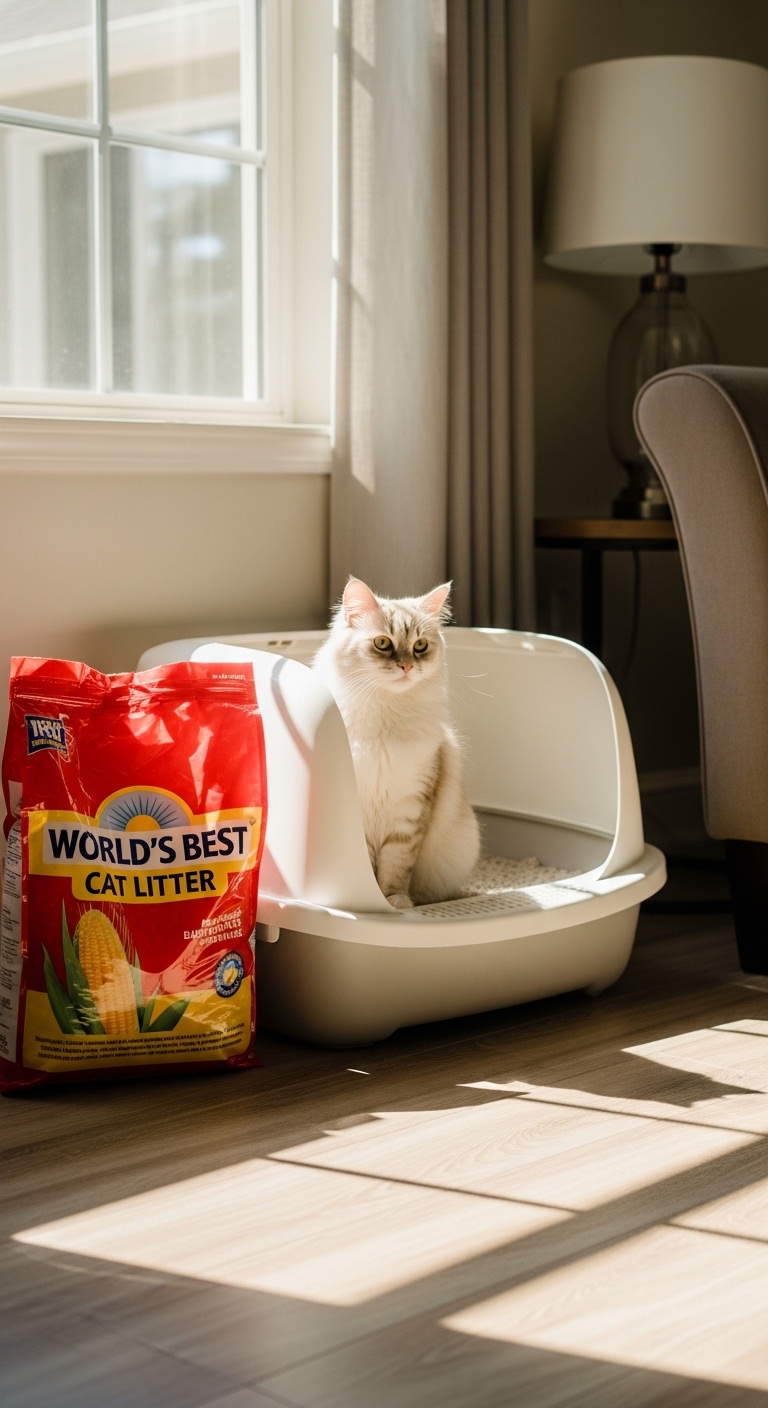
Choosing the right cat litter for multiple cats is essential for odor control, cleanliness, and your cats' comfort. Look for litters with strong clumping power to make scooping easier and low-dust formulas to minimize mess. Unscented options are often better for sensitive cats, while scented litters can help mask odors in busy households.
Consider litters made from natural materials like pine, wheat, or corn for eco-friendly benefits. Avoid clay litters if your cats have respiratory sensitivities. Top picks include clumping clay, silica gel, and biodegradable options that balance performance with convenience.
Regular cleaning is key—scoop daily and replace litter weekly to maintain freshness. Test different litters with your cats to find their preference, as texture and scent can affect acceptance.
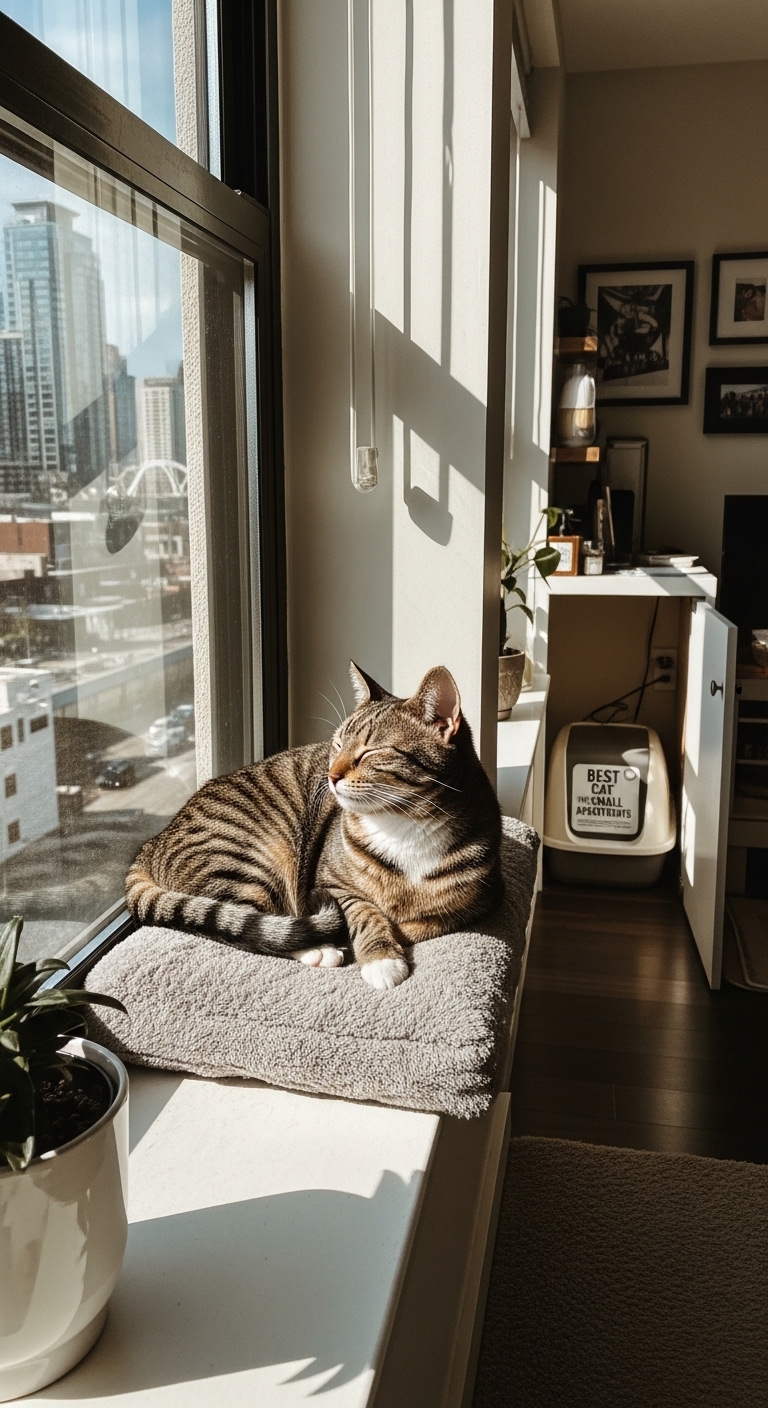
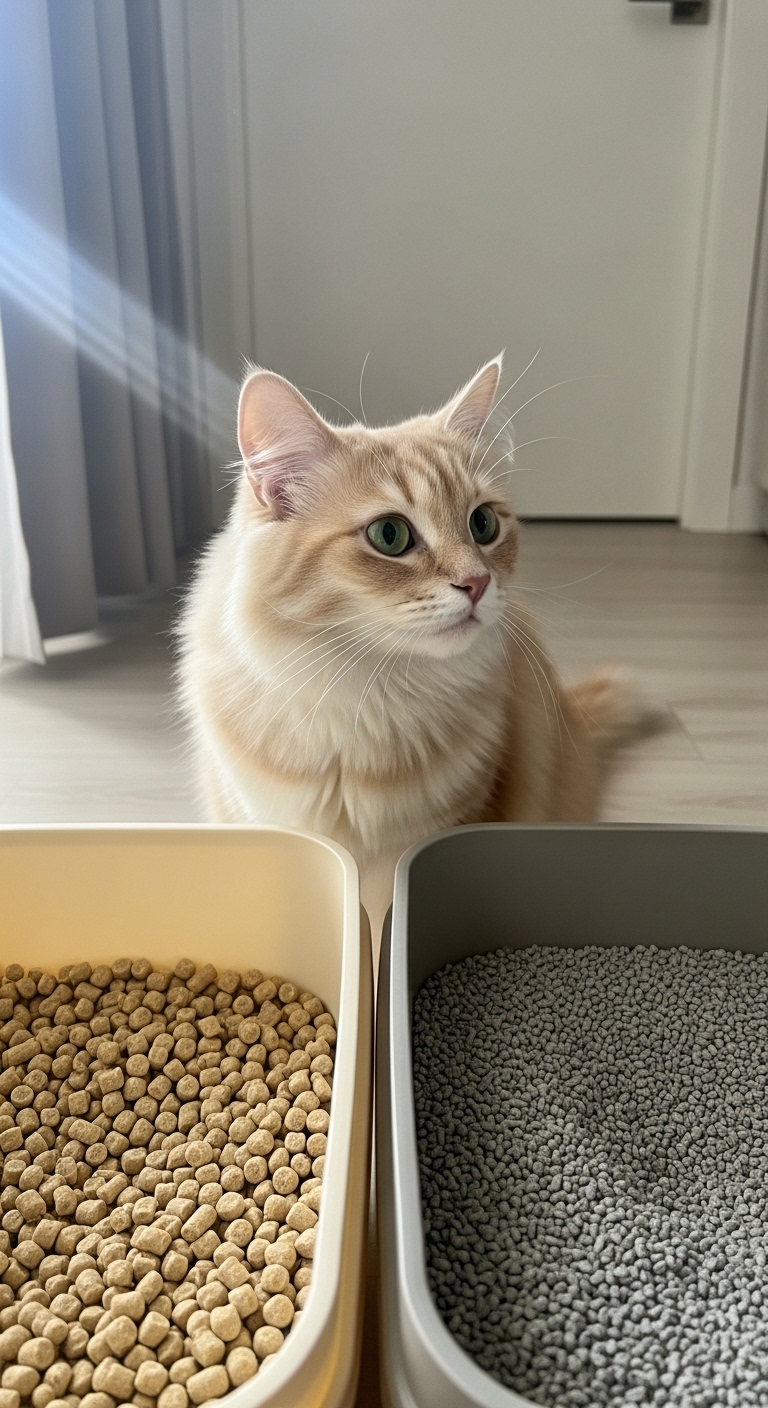
Pine Pellet Cat Litter Pros And Cons | Terry's Apartment
Living with multiple cats means dealing with more than just extra fur and playful chaos—it also means managing a litter box system that keeps everyone happy and healthy. The wrong litter can turn your home into a smelly battleground, stress out your cats, and make cleanup a daily nightmare. But the right choice? It simplifies your routine, reduces odors, and even helps prevent territorial spats between feline roommates. Whether you have two cats or five, the litter you pick plays a bigger role than you might think in their comfort and your sanity.
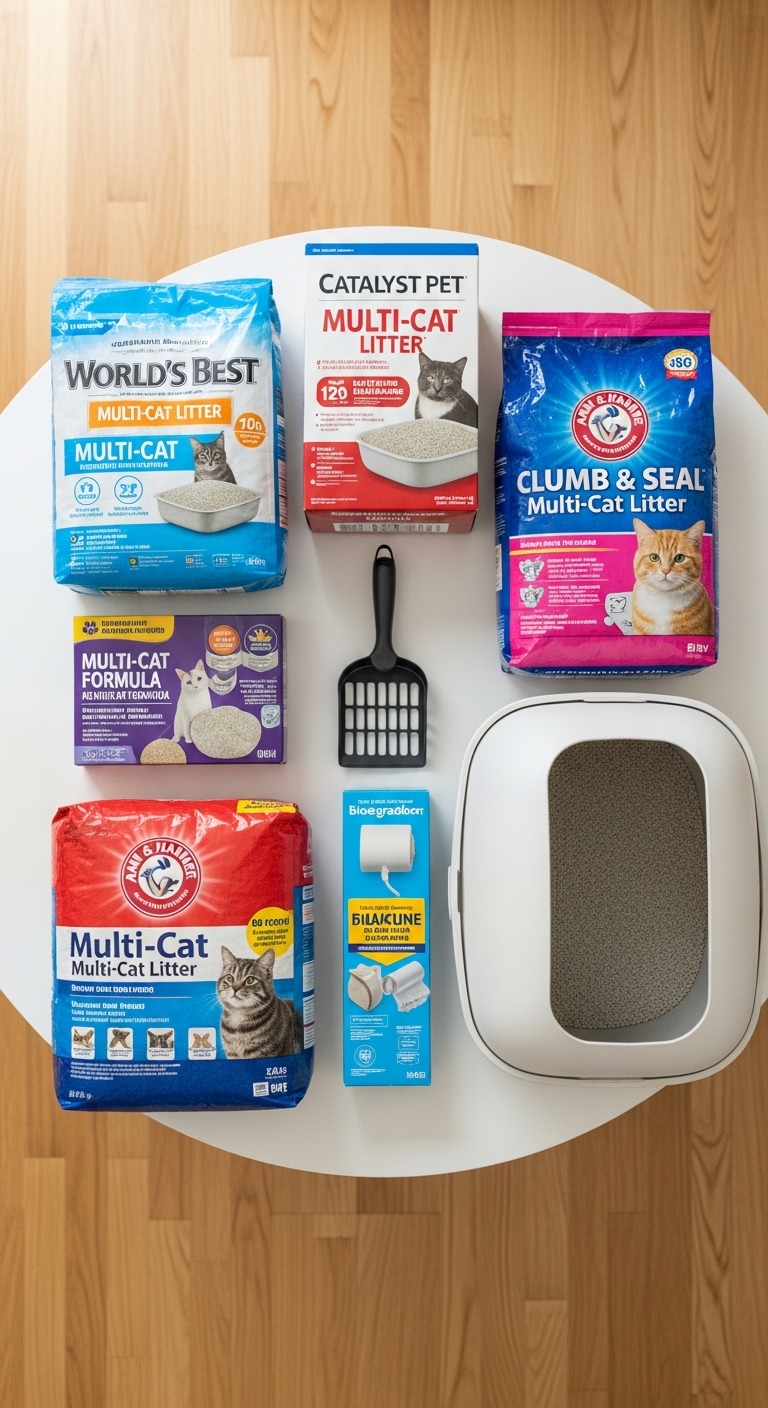
A variety of cat litter products are displayed on a table. | petcarepicked.com
**Why This Topic Helps** Choosing the best cat litter for multiple cats saves you time on daily scooping and deep cleaning. It cuts down on tracking, clumping issues, and that lingering 'cat home' smell guests notice. The right texture and formula can reduce litter box avoidance, which means fewer accidents outside the box. Clumping, odor control, and low dust options protect both your cats’ respiratory health and your furniture. You’ll avoid wasting money on litters that sound great in ads but fail with more than one cat.
I’ve seen plenty of multi-cat households where the litter box becomes the most hated chore—until they switch to something that actually works. The difference isn’t just in the scent; it’s in how the litter handles moisture, how the cats react to it, and whether it makes your life easier or harder in the long run. A litter that clumps tightly, controls odors effectively, and minimizes dust can transform your daily routine from a frustrating battle into a quick, manageable task.
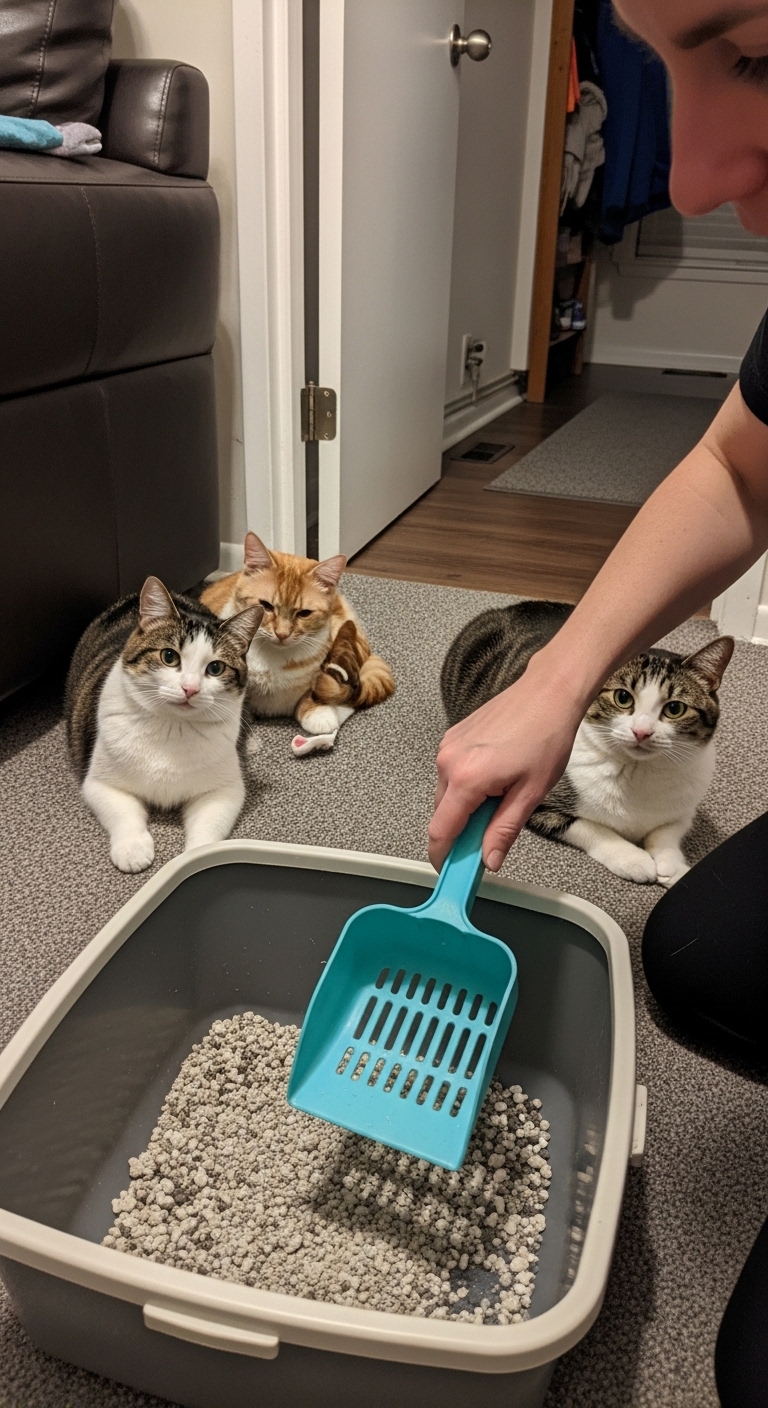
A person is holding a blue plastic spoon over a container of cat litter. | petcarepicked.com
**Key Things to Understand** Clumping ability is non-negotiable with multiple cats because urine pools fast and needs to be removed completely. Odor control isn’t just about masking smells—it’s about absorbing ammonia and bacteria before they spread. Low-tracking litters save you from finding granules embedded in carpets, furniture, and your socks. Dust levels matter more than you think: fine particles can irritate your cats’ lungs and make cleaning a mess. Some cats prefer softer textures, while others like a firmer feel—watch for signs of avoidance if you switch types.
The number of litter boxes should match your cats plus one to prevent territorial issues and overuse. For example, if you have three cats, you need four boxes. Natural litters like pine or corn sound eco-friendly but may not clump well for heavy-use households. Scented litters can deter cats from using the box if the fragrance is too strong for their sensitive noses. Always prioritize your cats’ preferences and health over marketing claims or trends.
**What to Look For** Start by observing how your cats interact with their current litter. Do they kick it everywhere? Avoid the box after using it? Scratch excessively at the sides? These are clues that the texture or depth isn’t right for them. With multiple cats, you also need to consider how quickly odors build up between cleanings. A litter that works fine for one cat might fail miserably when three are using the same box. Look for formulas labeled 'multi-cat' or 'heavy-duty'—these are designed to handle higher moisture levels and frequent use.
Check the clumping speed, too. Slow-clumping litters turn into a soggy mess when multiple cats urinate in quick succession, making scooping nearly impossible. The best options form tight clumps within seconds, so urine doesn’t pool at the bottom. Dust is another hidden issue: pour some litter into the box and watch how much rises into the air. If you see a cloud, that’s what your cats (and you) are breathing in every day. Low-dust or dust-free litters are worth the extra cost for health and cleanliness.
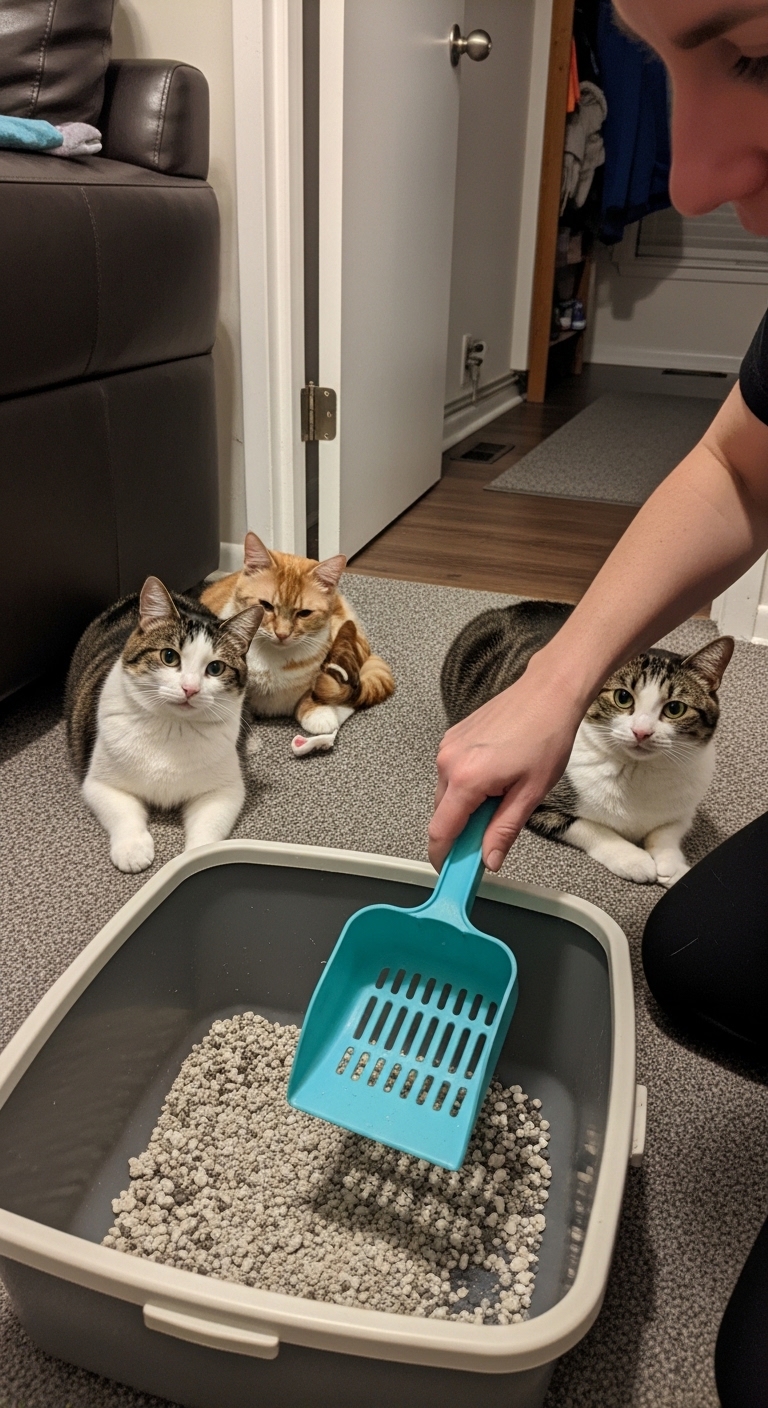
A person is holding a blue plastic spoon over a container of cat litter. | petcarepicked.com
**You Must Know** Not all 'multi-cat' litters are created equal—some are just marketing gimmicks with no real performance difference. Wood or paper-based litters can be great for odor but often fail at clumping under heavy use. If one cat has a medical issue like a UTI, the litter box habits of all cats may change suddenly. Scooping twice daily is the minimum for multiple cats; waiting longer lets odors and bacteria build up. Kittens and senior cats may struggle with pellet-style litters, so stick to finer grains for them.
**The Litter Box Setup Matters More Than You Think** With multiple cats, the type of box and its placement are just as important as the litter inside. Avoid covered boxes—they trap odors and make cats feel trapped, which can lead to conflicts. Instead, use large, open boxes (at least 18x18 inches) with high sides to contain litter scatter. The general rule is one box per cat plus one extra. So for three cats, you need four boxes. This prevents overcrowding and gives shy cats a private option.
Location is key, too. Spread boxes across different floors or rooms so dominant cats can’t guard them all. Skip the fancy automatic boxes unless you’re prepared for the maintenance—multiple cats mean more waste, and those machines can jam or fail to clean properly. A simple, sturdy box with the right litter will always outperform a gadget that breaks down when you need it most. Consider placing boxes in quiet, low-traffic areas where cats feel safe and undisturbed.
**Odor Control Beyond the Litter** Even the best litter won’t eliminate odors completely if you’re not supporting it with good habits. Wash the boxes weekly with mild soap and water—never harsh chemicals, which can linger and deter cats. Baking soda sprinkled under the liner or mixed into the litter (if the brand allows it) helps neutralize smells between changes. Consider an air purifier near the litter area to capture dust and odors before they spread.
Don’t forget about the scoop itself. A slotted scoop lets fine litter fall through while catching clumps, but with multiple cats, you might need a wider, deeper scoop to handle larger waste volumes. Store it in a container with a lid to keep it clean between uses. If odors are still an issue, try placing a small bowl of white vinegar near (but not in) the litter area—it absorbs smells without adding artificial fragrances.
**When to Switch Litters (And How to Do It Right)** Cats are creatures of habit, so changing litters should be a slow process. Start by mixing 25% of the new litter with 75% of the old for a few days. Gradually increase the new litter over a week or two. Watch for signs of rejection: a cat sniffing the box and walking away, scratching at the floor nearby, or suddenly having accidents. If you see these, revert to the old litter and try a different type.
The best times to switch are during low-stress periods—avoid moving, introducing a new pet, or other big changes. If you’re switching because of odor issues, clean all boxes thoroughly first. Sometimes the problem isn’t the litter but the buildup of old waste in the plastic. A fresh box with a familiar litter can solve 'odor' problems without the stress of a change. Always monitor your cats’ reactions closely during transitions.
**Budget-Friendly Doesn’t Mean Cheap** It’s tempting to grab the biggest, cheapest bag of litter to save money, but with multiple cats, that often backfires. Cheap litters may require more frequent changes, create more dust, or fail at odor control, costing you more in the long run. Instead, look for mid-range options with high clumping ratings and low tracking. Buying in bulk can save money, but only if the litter actually works for your household.
Some brands offer subscription discounts, which can help if you go through litter quickly. Just be sure to cancel if your cats reject the type. Don’t overlook store brands—many are made by the same manufacturers as name brands but cost less. The key is to compare ingredients and performance, not just price. Investing in a slightly more expensive litter that lasts longer and performs better will save you time, stress, and money over time.
**Pro Tips** If you have a cat that kicks litter everywhere, place a large mat (like a bathroom rug) under the box to catch the scatter. Shake it out daily to keep granules from embedding. For households with both cats and dogs, use a box with a high entry or a top-entry design to keep the dog out—curious pups love to snack on cat waste. Keep a small trash can with a lid and a scented liner right next to the litter boxes. This makes it easier to dispose of waste immediately, reducing odors and the temptation to 'save it for later.'
Consider using a litter with activated charcoal or plant-based odor absorbers for extra smell control. If you notice one cat consistently avoiding the box after a switch, that’s your sign to try something else. Remember, the goal is to create a stress-free environment for your cats while making your life easier. The right litter setup can make all the difference in a multi-cat household, turning a potential headache into a smooth, manageable part of your daily routine.
Frequently Asked Questions
→ What type of cat litter is best for multiple cats?
Clumping clay or silica gel litters work well for multiple cats due to their odor control and ease of cleaning. Look for formulas labeled "multi-cat" for added strength.
→ How often should I change cat litter with multiple cats?
Scoop waste daily and fully replace the litter every 1-2 weeks. High-traffic litter boxes may need more frequent changes to prevent odors.
→ Are scented litters safe for multiple cats?
Scented litters can help mask odors but may irritate cats with sensitive respiratory systems. Unscented or lightly scented options are often safer for multi-cat homes.
→ Does tracking matter when choosing cat litter for multiple cats?
Yes! Low-tracking litters with larger granules or pellets reduce mess around the litter box. Silica gel and pine pellet litters are excellent for minimizing tracking.
→ Can I use natural litters for multiple cats?
Yes, biodegradable litters like pine, wheat, or corn are great for eco-conscious owners. Ensure they clump well and are replaced frequently to control odors.
→ How do I introduce a new litter to multiple cats?
Mix a small amount of the new litter with the old one to ease the transition. Place multiple boxes with the new litter to encourage acceptance among cats.
Stay Updated
Get the latest articles delivered straight to your inbox. No spam, just great inspiration!