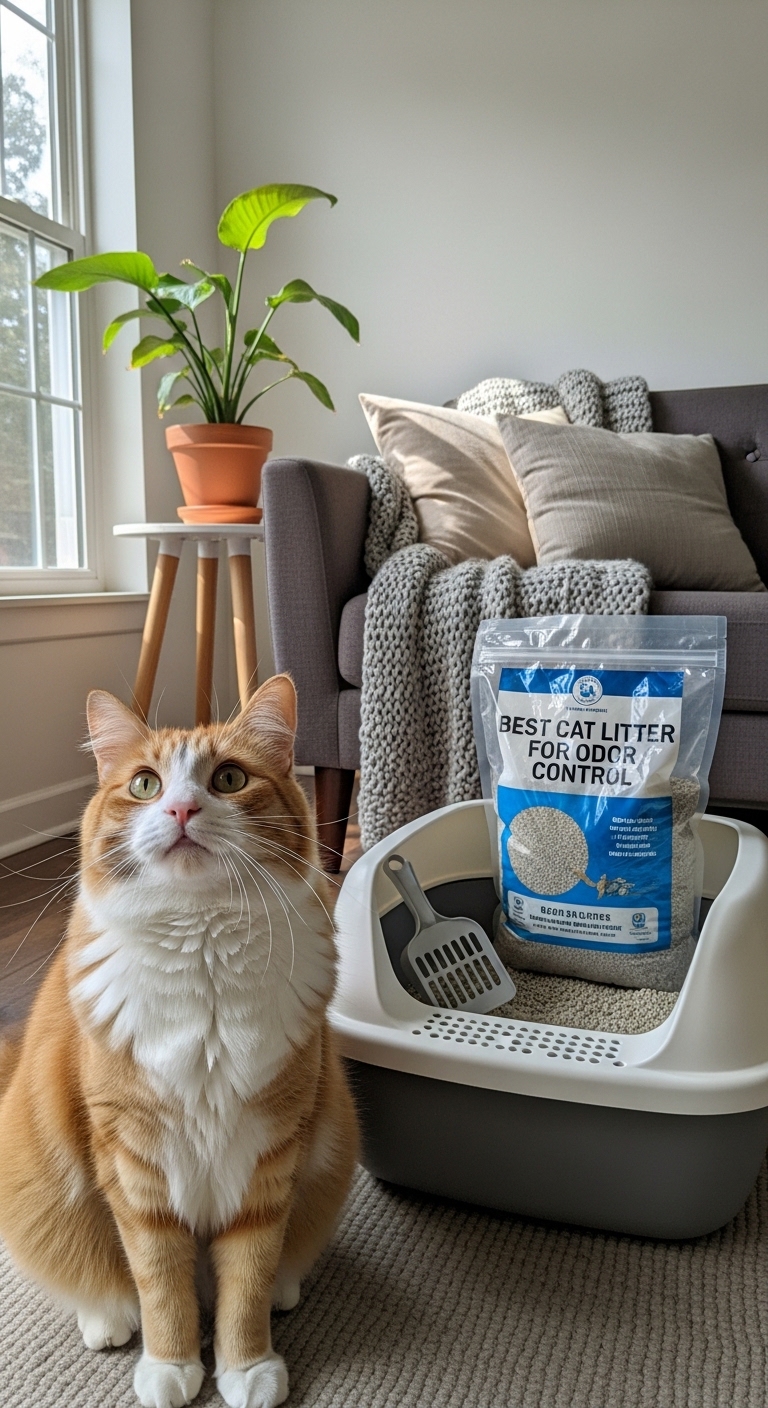
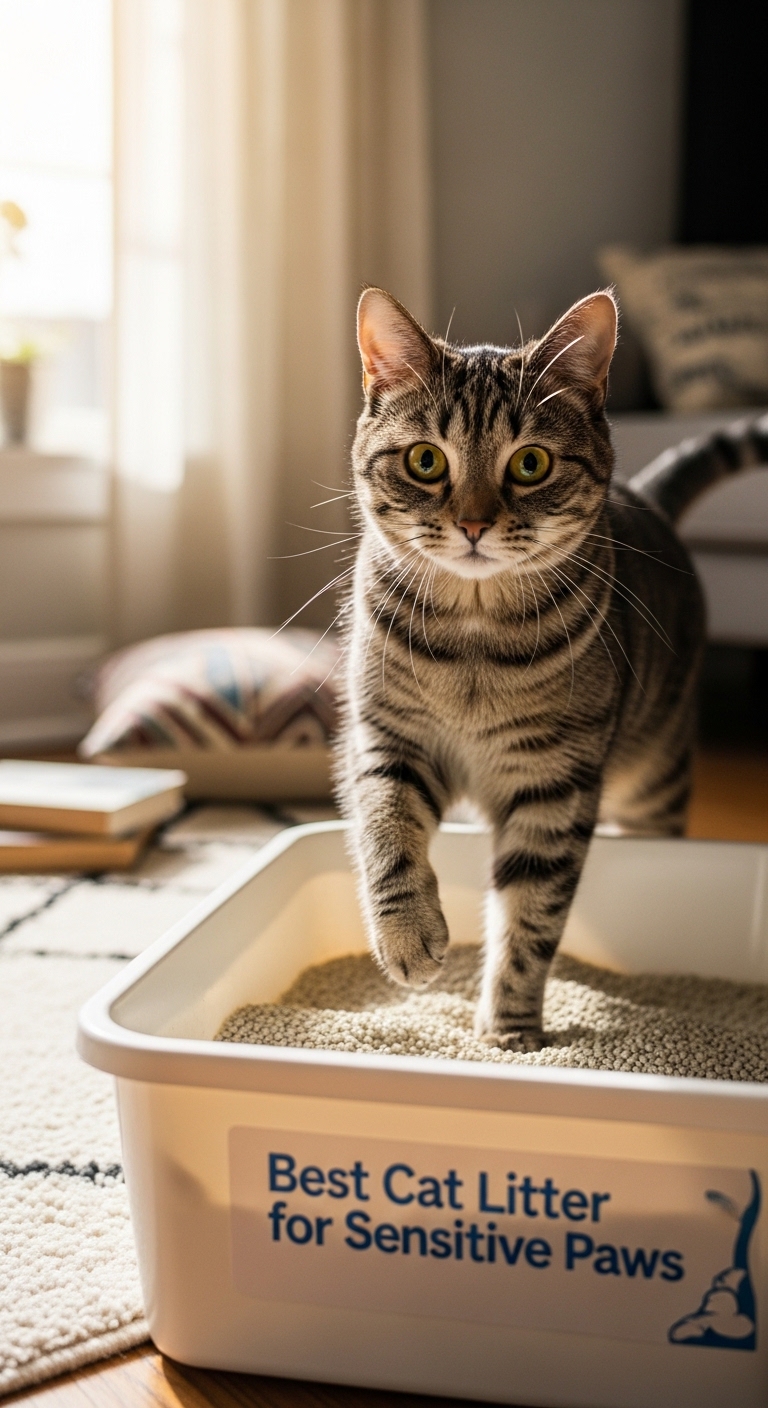
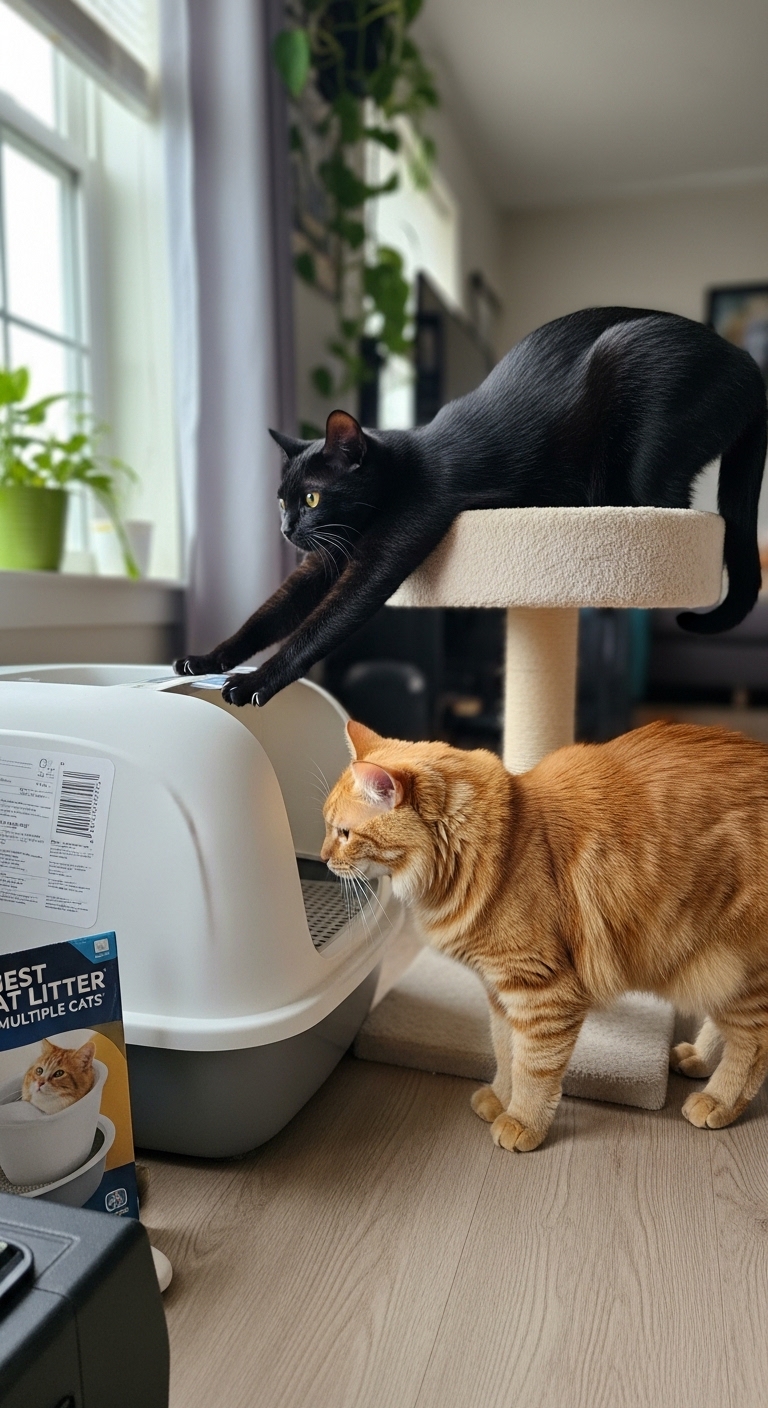
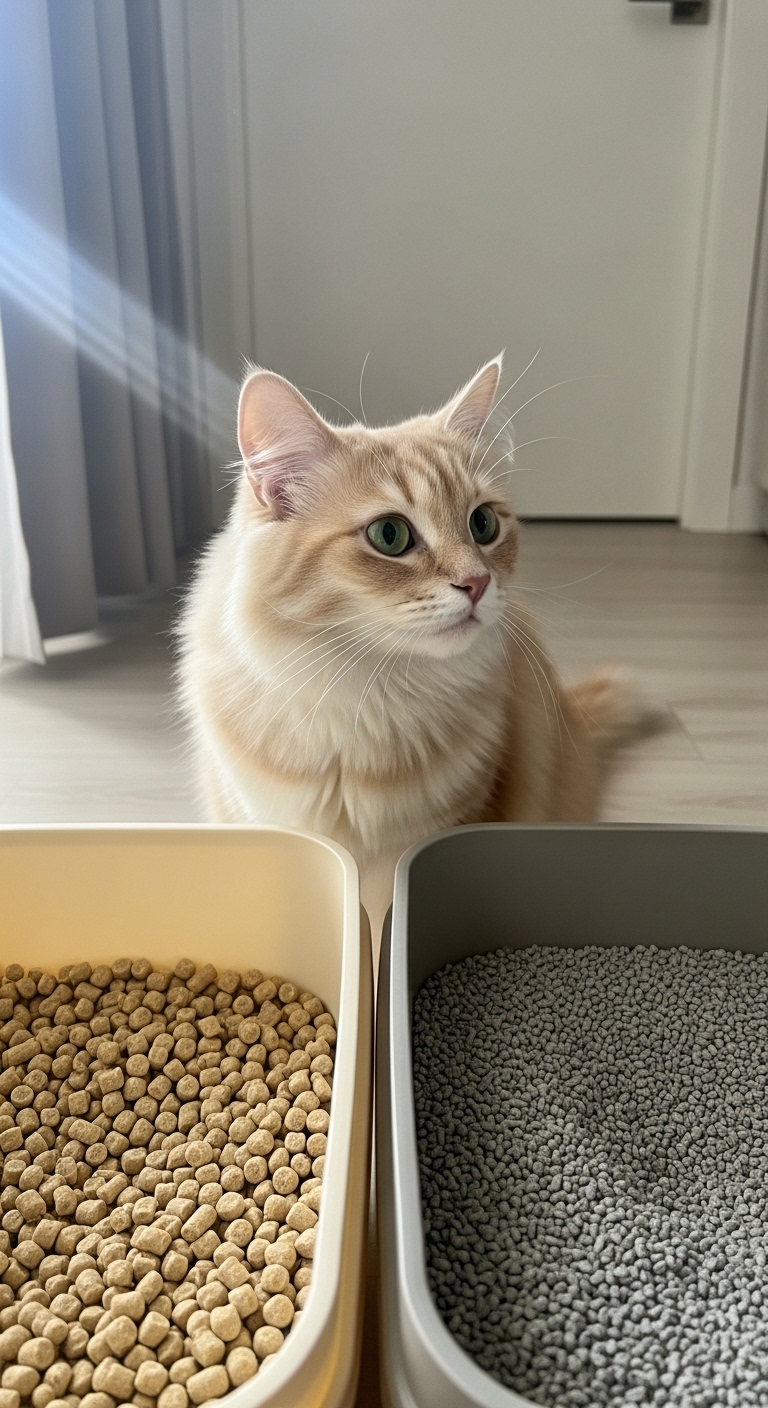
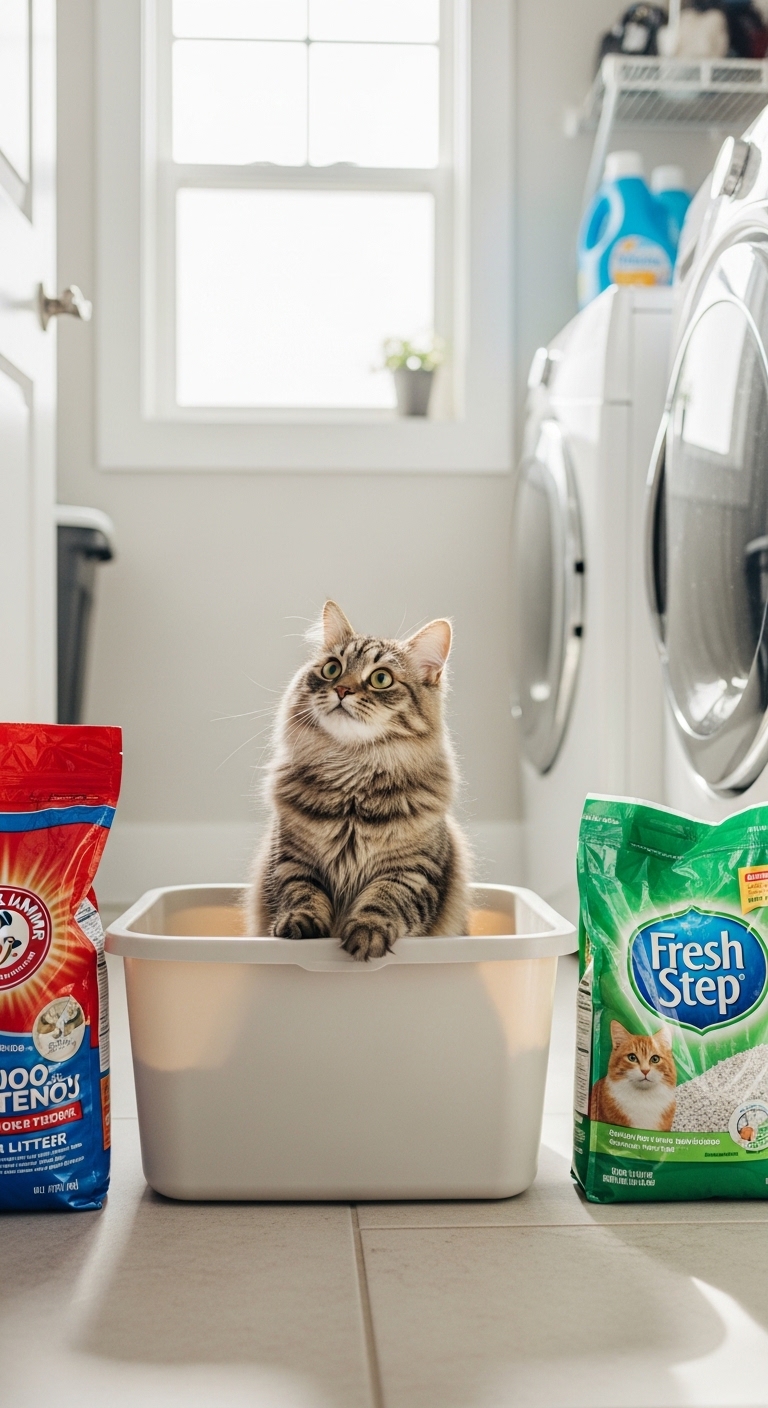
Choosing the right cat litter for kittens is crucial for their health and your home’s cleanliness. Kittens have delicate systems and need litter that’s safe if ingested, gentle on their paws, and highly absorbent to control odors. Avoid clumping litters with harsh chemicals or strong fragrances, as these can irritate their sensitive respiratory systems. Natural, unscented options like paper-based or plant-based litters are often the best choices for young cats.
Look for litters labeled as 'kitten-safe' or 'natural,' which typically use biodegradable materials like corn, wheat, or pine. These options are gentle on tiny paws and reduce tracking. Clumping litters can be used once kittens are older (around 8-12 weeks), but non-clumping litters are safer for the youngest cats. Always monitor your kitten’s reaction to new litter, as some may prefer finer textures or softer materials.
Top picks include brands like Dr. Elsey’s Kitten Attract, ökocat Natural Wood Clumping Litter, and Arm & Hammer Clump & Seal Platinum. These options balance safety, odor control, and ease of use. Transitioning to litter too early can cause health issues, so wait until your kitten is at least 4 weeks old before introducing it.
The Best Cat Litters of 2025, According to Experts | The Purring Journal
Choosing the right cat litter for kittens is one of those small but critical decisions that can make a big difference in their early months. Kittens are curious, delicate, and still learning how to use the litter box, so the wrong type can lead to accidents, stress, or even health issues. The texture, scent, and safety of the litter all play a role in helping them adjust smoothly—while also making your life easier. Whether you’re a first-time kitten owner or adding a new furry member to your home, getting this right sets the foundation for good habits and a happier cat.
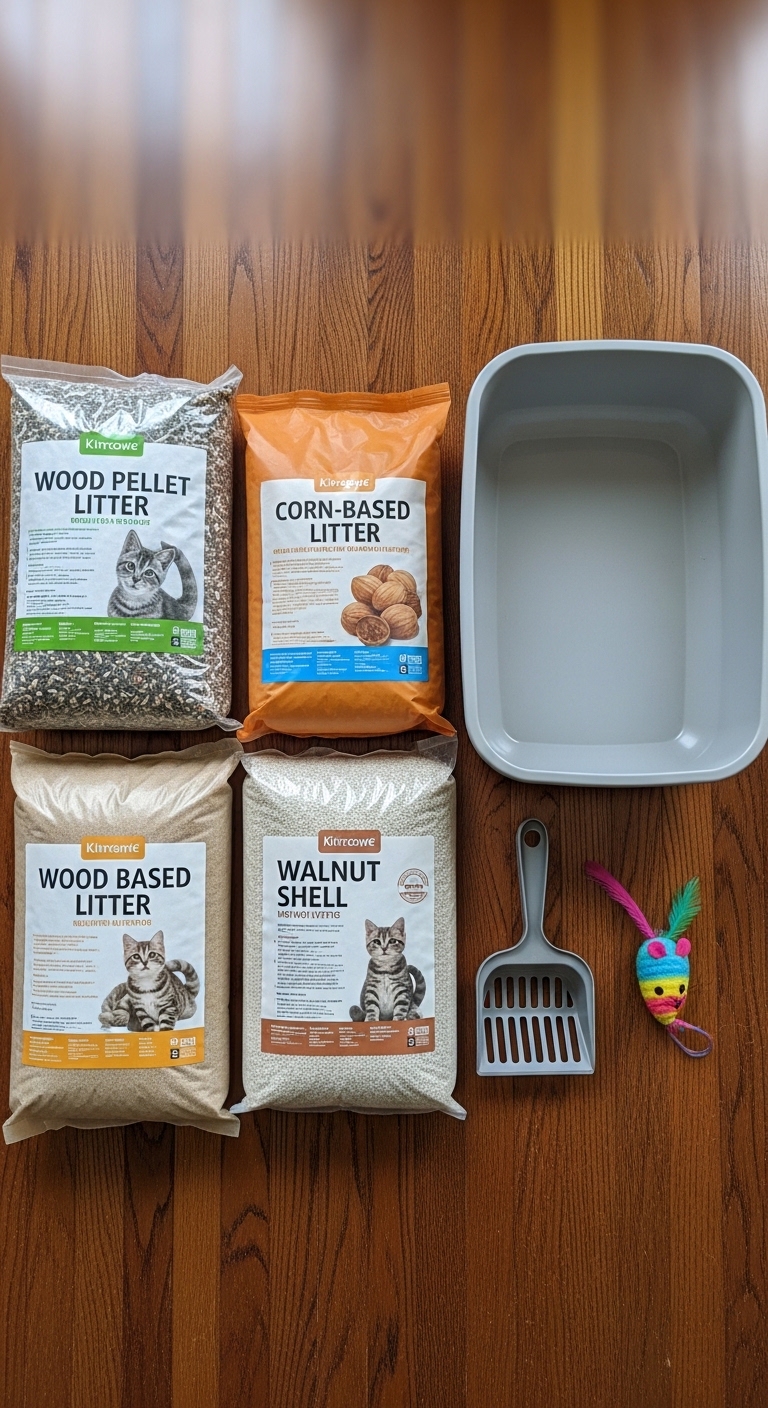
A variety of cat litter bags are displayed on a table. | petcarepicked.com
Choosing the right litter prevents litter box avoidance and accidents in the home. Soft, non-clumping options protect tiny paws and reduce tracking, while unscented and dust-free litters minimize respiratory irritation for sensitive kittens. Lightweight litters make it easier for kittens to dig and cover their waste, and the right choice helps with training and builds confidence in young cats. I’ve seen kittens refuse to step into a box because the litter felt too rough under their paws, and others sneeze constantly from heavily scented options. It’s not just about what works for you—it’s about what feels safe and comfortable for them.
Clumping clay litters can be dangerous for kittens under 8 weeks old because they may ingest it while exploring. Kittens prefer fine, soft textures similar to what their mother would have used in nature, and dusty litters can irritate a kitten’s eyes and lungs, so low-dust or dust-free options are ideal. Avoid litters with strong artificial scents, as kittens have sensitive noses and may avoid the box. The litter box itself should have low sides so kittens can climb in and out easily. Natural litters like paper or plant-based options are gentle but may not clump as well.
When selecting litter for kittens, start by checking the texture. Kittens have delicate paw pads, so coarse or pellet-style litters can feel uncomfortable and discourage them from using the box. A fine, sand-like consistency mimics what they’d encounter in the wild, making it more instinctive for them to dig and bury their waste. If you’re unsure, test a small amount by pressing it between your fingers—if it feels soft and crumbles easily, it’s likely a good fit.
Next, consider how the litter handles moisture. Kittens produce small amounts of waste, but it’s still important to choose a litter that absorbs well and controls odors without harsh chemicals. Clumping litters are convenient, but for very young kittens, a non-clumping, absorbent option is safer until they’re older and less likely to nibble on it. Watch how the litter behaves when wet: if it turns into a hard, cement-like clump, it’s not ideal for tiny paws or accidental ingestion.
Scent is another factor that’s often overlooked. While you might prefer a fresh-smelling litter box, kittens can be put off by strong perfumes. Unscented or lightly scented litters with natural odor control (like baking soda) are the best balance. If you notice your kitten sneezing, avoiding the box, or rubbing their face after using it, the scent or dust level might be too high.
Finally, think about tracking and cleanup. Kittens are messy, and lightweight litters can end up scattered outside the box. Look for low-tracking options or place a mat underneath to catch stray particles. If you’re using a hooded box, ensure it’s well-ventilated—kittens can be wary of enclosed spaces at first.
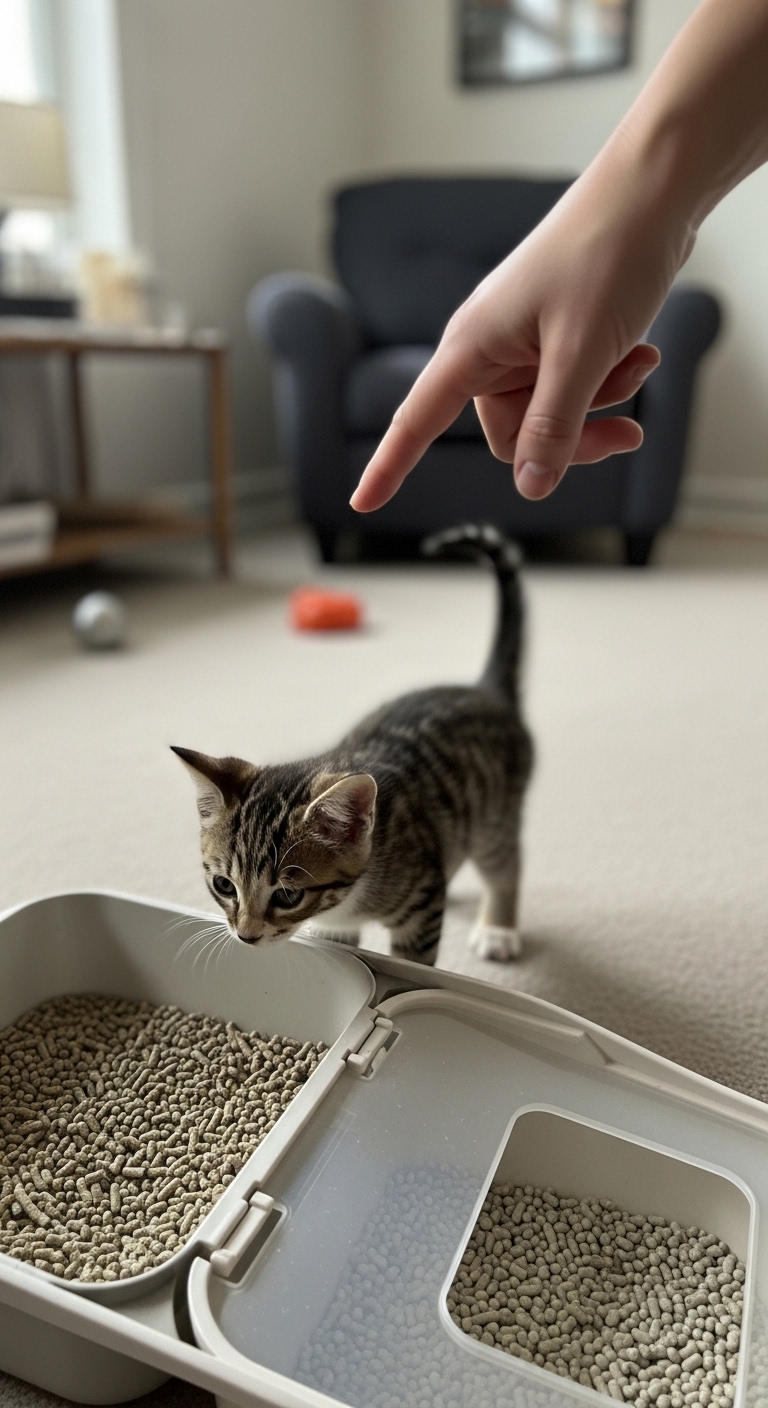
A small kitten is looking at a bowl of cat food. | petcarepicked.com
Kittens under 4 weeks old may not use a litter box at all—they rely on their mother to stimulate elimination. Always introduce a new litter gradually by mixing it with the old one to avoid sudden rejection. Avoid crystal litters for kittens, as the sharp edges can hurt their paws and the beads can be swallowed. Place the litter box in a quiet, low-traffic area where the kitten feels safe, and clean the box daily—kittens are more sensitive to smells and may refuse to use a dirty box.
One mistake I see often is assuming that what works for an adult cat will work for a kitten. Adult cats can handle stronger scents and heavier litters, but kittens need something gentler. Also, if your kitten seems to be 'missing' the box, it might not be a training issue—it could be that the litter is uncomfortable or the box is too high. Lower the sides or try a different texture before assuming they’re just being stubborn.
Once your kitten is around 3 to 4 months old, you can start transitioning to an adult litter if you prefer. Begin by mixing a small amount of the new litter into the current one, gradually increasing the ratio over a week or two. This slow change helps your kitten adjust without stress. Watch for signs of resistance, like scratching at the box edges or avoiding it entirely—if that happens, slow down the transition or try a different type.
The litter box itself matters just as much as the litter. For kittens, a shallow, open box with sides no higher than 3 inches is ideal. Avoid covered boxes at first, as kittens can feel trapped or confused by the enclosed space. Place the box in a spot that’s easy to access but not in a high-traffic area where they might feel exposed. If you have multiple kittens, provide one box per kitten plus an extra to prevent territorial issues.
Kittens communicate their discomfort in subtle ways. If your kitten hovers at the edge of the box but doesn’t step in, kicks litter out aggressively, or eliminates just outside the box, they’re likely unhappy with the texture or scent. Other red flags include excessive sneezing after using the box, pawing at their face, or avoiding the box entirely for more than a day. In these cases, try switching to a softer, unscented litter and observe their reaction.
Kittens are more prone to infections, so keeping the litter box clean is crucial. Scoop waste at least once a day and replace the entire litter every 3 to 4 days. Wash the box with mild soap and warm water—avoid harsh chemicals that can leave residues. If you notice a strong ammonia smell, it’s a sign that the box needs more frequent cleaning. For extra hygiene, place a thin layer of baking soda under the liner or mix it into the litter to neutralize odors naturally.
In warmer months, litters can dry out faster or develop odors more quickly. Switch to a more absorbent option or add a second box in a cooler part of the house. In winter, avoid litters that turn rocky when cold, as this can be uncomfortable for kittens. If you’re using a natural litter like pine or wheat, store it in a sealed container to prevent moisture absorption, which can make it clump poorly.
If your kitten is hesitant to use the box, sprinkle a bit of used litter (from their previous box or their mother’s) into the new one—the familiar scent can encourage them. Keep a small, separate box with a different litter type nearby during the transition period. This gives your kitten a choice and helps you identify preferences. For multi-cat households, place the kitten’s box in a quiet corner away from the adults’ boxes to reduce stress and competition.
Frequently Asked Questions
→ What makes a cat litter safe for kittens?
Kitten-safe litters are free from harsh chemicals, fragrances, and clumping agents that could harm their delicate systems. They’re typically made from natural, biodegradable materials like paper, corn, or wheat, which are gentle on their paws and safe if accidentally ingested.
→ Can I use clumping litter for my kitten?
It’s best to avoid clumping litters for kittens under 8-12 weeks old. Clumping agents can be harmful if ingested, and kittens may try to eat the litter. Stick to non-clumping options until your kitten is older.
→ How often should I change my kitten’s litter?
Kittens produce more waste than adult cats, so scoop the litter box at least once a day. Replace the entire litter every 3-5 days to maintain hygiene and prevent odors. Wash the box with mild soap and water regularly.
→ What texture is best for kitten litter?
Kittens prefer finer, softer textures like paper-based or fine-grain litters. Avoid coarse or pellet-style litters, which can be uncomfortable for their tiny paws. Natural litters often mimic the softness of sand, making them ideal for young cats.
→ Are scented litters okay for kittens?
No, scented litters can irritate a kitten’s sensitive respiratory system. Strong fragrances may cause sneezing, coughing, or even allergic reactions. Opt for unscented, natural litters to keep your kitten comfortable and healthy.
→ How do I introduce my kitten to a new litter?
Place the new litter next to their current box and gradually mix a small amount into their existing litter. Kittens are curious and will explore the new texture. If they seem hesitant, try placing them in the box after meals or naps when they’re more likely to use it.
Stay Updated
Get the latest articles delivered straight to your inbox. No spam, just great inspiration!