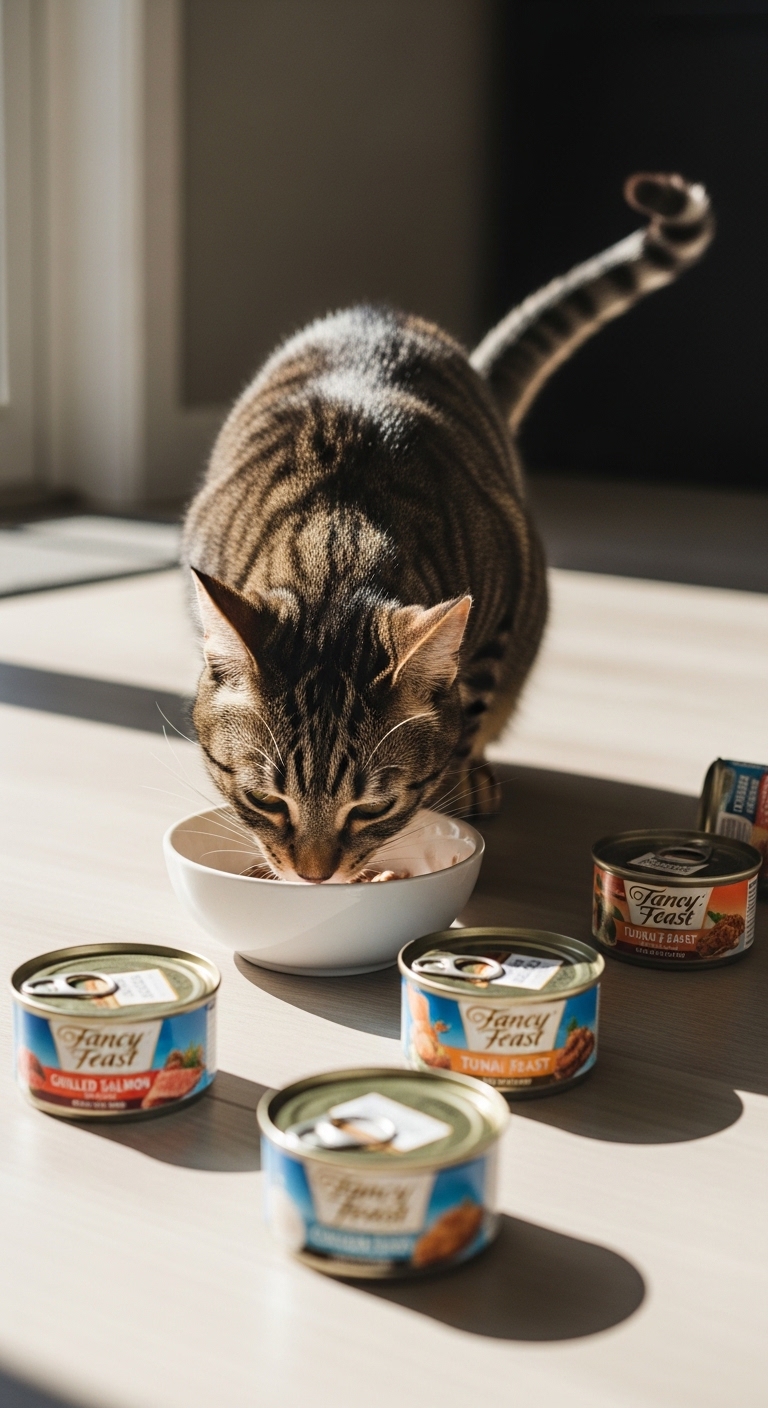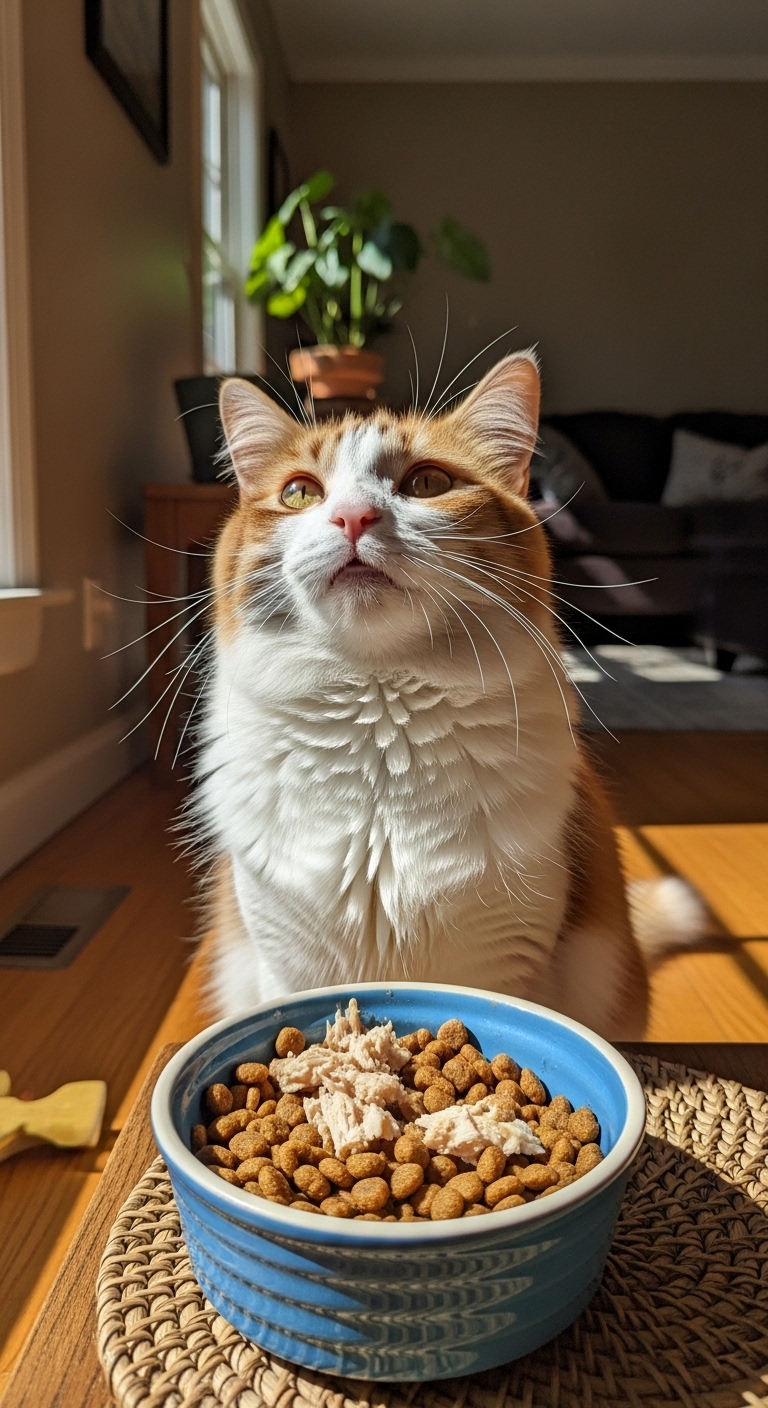
Finding the right food for a cat with a sensitive stomach can feel overwhelming. Many owners notice their cats getting sick after meals—vomiting, diarrhea, or just acting off. It’s not just about the food itself but how it interacts with your cat’s unique system. A sensitive stomach isn’t always obvious at first, but once you see the signs, it changes how you approach feeding. The right food can make a huge difference in your cat’s energy, coat quality, and overall happiness.
I remember when my own cat started sneezing after meals—turns out, it wasn’t allergies but the wrong protein source.
Key Things to Understand
- A sensitive stomach in cats: often means their digestive system reacts to certain ingredients or sudden diet changes
- Common triggers: include dairy, grains, artificial additives, or even specific proteins like chicken or fish
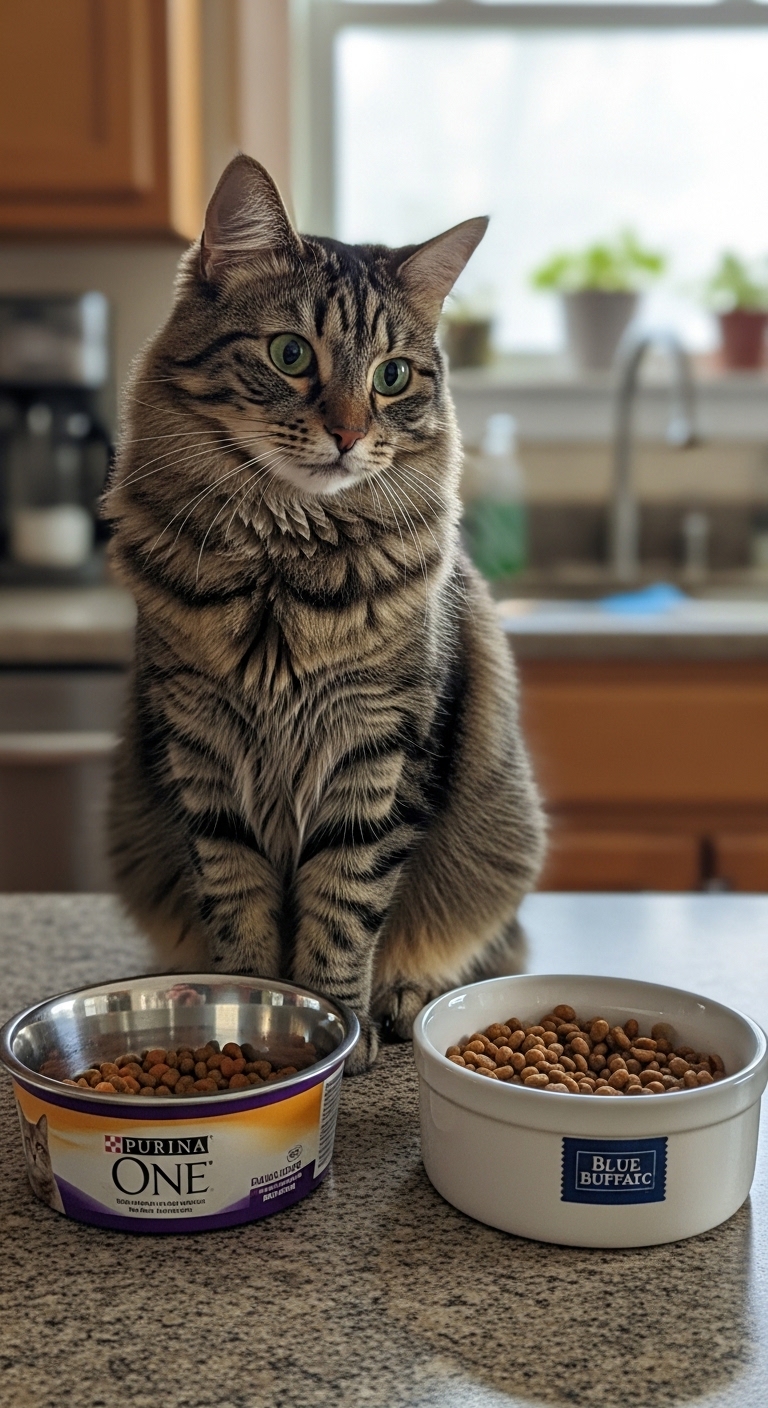
- Dry food: can sometimes be harder to digest than wet food due to lower moisture content
- Gradual transitions: between foods help prevent stomach upset
- Limited ingredient formulas: with a single protein source and no fillers are ideal
What to Look For
Pay attention to how your cat acts after eating. If they’re lethargic, vomiting, or have loose stools within a few hours, it’s a sign their food isn’t agreeing with them. Watch for excessive gas or frequent trips to the litter box too. The best foods for sensitive stomachs usually have simple ingredient lists—think one protein, maybe one carb, and no mystery additives. High-quality proteins like turkey or duck are gentler than beef or fish for many cats. Also, check the fat content; too much can slow digestion and cause discomfort.
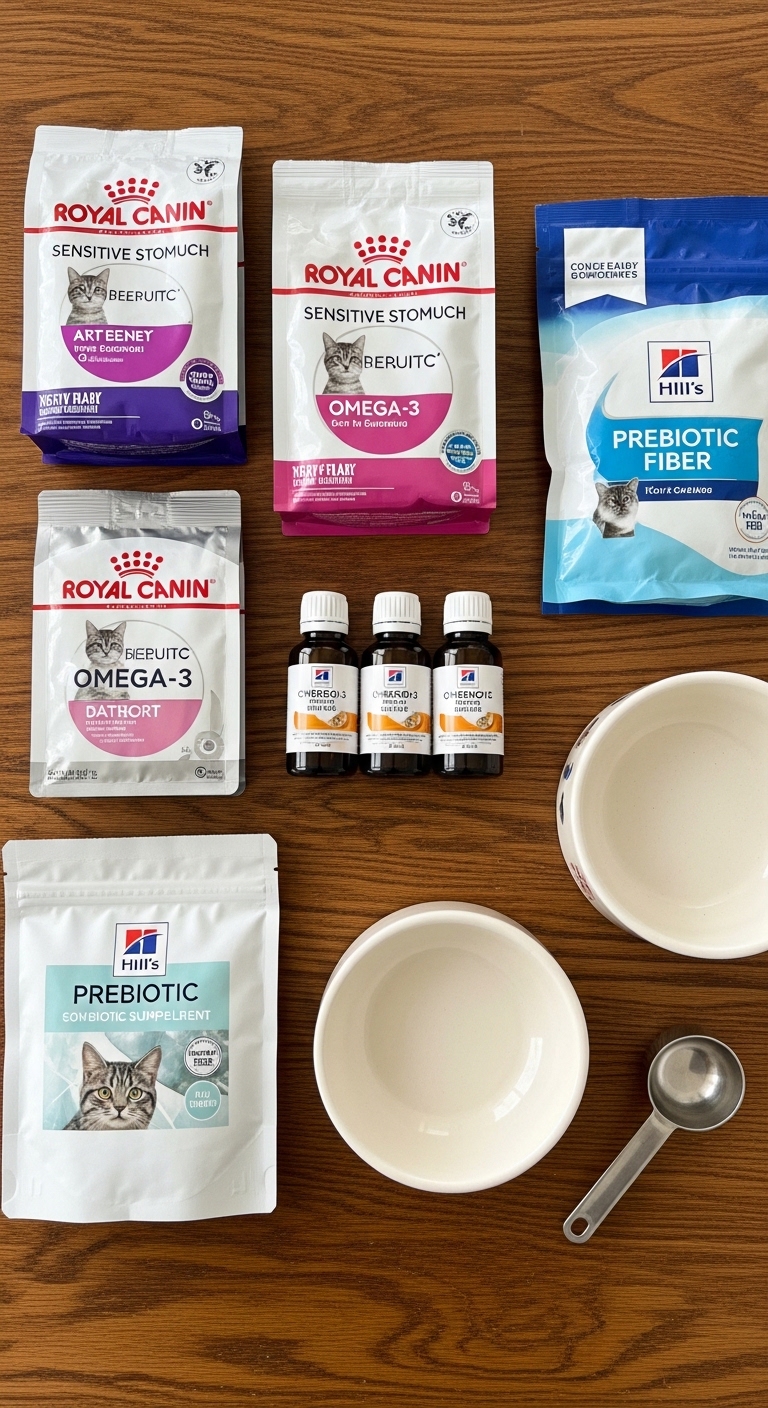
I once switched my cat to a limited-ingredient food after months of trying different brands—her energy improved within days.
Daily Care Habits
Feed smaller, more frequent meals instead of one or two large portions. Keep fresh water available at all times to aid digestion. Avoid giving table scraps or human foods that could upset their stomach. Monitor litter box habits closely—changes can signal food issues. Introduce new foods slowly over 7 to 10 days to avoid shock.
Choosing the Right Product
Start with wet food if your cat has a history of digestive issues—it’s easier to digest. Check the ingredient list for common allergens like corn, wheat, or soy. Look for added probiotics or prebiotics to support gut health. Avoid foods with vague terms like “meat meal” or “animal digest.” Stick to trusted brands with veterinary nutritionists on staff.
Safety and Comfort
Never switch foods abruptly—always mix old and new gradually. Keep an eye on your cat’s weight; some sensitive stomach formulas are lower in calories. Store food properly to prevent spoilage or contamination. If symptoms persist, consult your vet to rule out more serious conditions. Watch for signs of dehydration if vomiting or diarrhea occurs.

Age-Specific Advice
Kittens with sensitive stomachs may need food with higher protein and fat for growth. Senior cats often benefit from softer, easier-to-chew formulas. Pregnant or nursing cats should avoid sudden diet changes unless recommended by a vet. Always choose age-appropriate formulas to meet their specific nutritional needs.
Choosing the right food for a sensitive stomach can transform your cat’s health and happiness.
Frequently Asked Questions
- → What ingredients should I avoid in cat food for sensitive stomachs?
Avoid common allergens like dairy, beef, artificial colors, flavors, and preservatives. Also steer clear of fillers such as corn, wheat, and soy, which can be hard to digest and may trigger reactions.
- → How do I transition my cat to new sensitive stomach food?
Mix the new food with the old food gradually over 7-10 days. Start with 25% new food and 75% old food, then slowly increase the new food while decreasing the old. This helps prevent digestive upset.
- → Is wet or dry food better for cats with sensitive stomachs?
Wet food is often gentler due to its higher moisture content, but dry food with added probiotics or high-quality ingredients can also work. Choose based on your cat’s preferences and digestive needs.
- → How can I tell if my cat has a food allergy or sensitive stomach?
Common signs include vomiting, diarrhea, excessive gas, or frequent licking of the lips. A vet can perform tests to confirm food allergies or sensitivities.
- → Are grain-free options always better for cats with sensitive stomachs?
Not necessarily. While some cats benefit from grain-free food, others may react to certain proteins or artificial ingredients. Focus on digestible proteins and limited ingredients instead.
- → Can probiotics help my cat’s sensitive stomach?
Yes, probiotics support gut health and can reduce digestive issues. Look for cat foods with added probiotics or consider a separate probiotic supplement recommended by your vet.