Finding the right cat litter can feel like a never-ending quest. Between clumping performance, odor control, and tracking messes, it’s easy to get overwhelmed. But the right litter makes a huge difference in your daily routine—keeping your home cleaner, your cat happier, and your nose less offended by unpleasant smells. Whether you’re dealing with a picky feline or just tired of scooping dust everywhere, choosing well can save you time, money, and frustration.
I still remember switching to a new litter after months of fighting dust clouds every time my cat used the box—only to realize how much quieter my vacuum stayed and how much less I dreaded scooping time.
Key Things to Understand
- Clumping ability: is crucial because it makes scooping easier and keeps the box fresher longer
- Low dust litters: are worth the extra cost if you or your cat sneeze often or if you hate cleaning surfaces
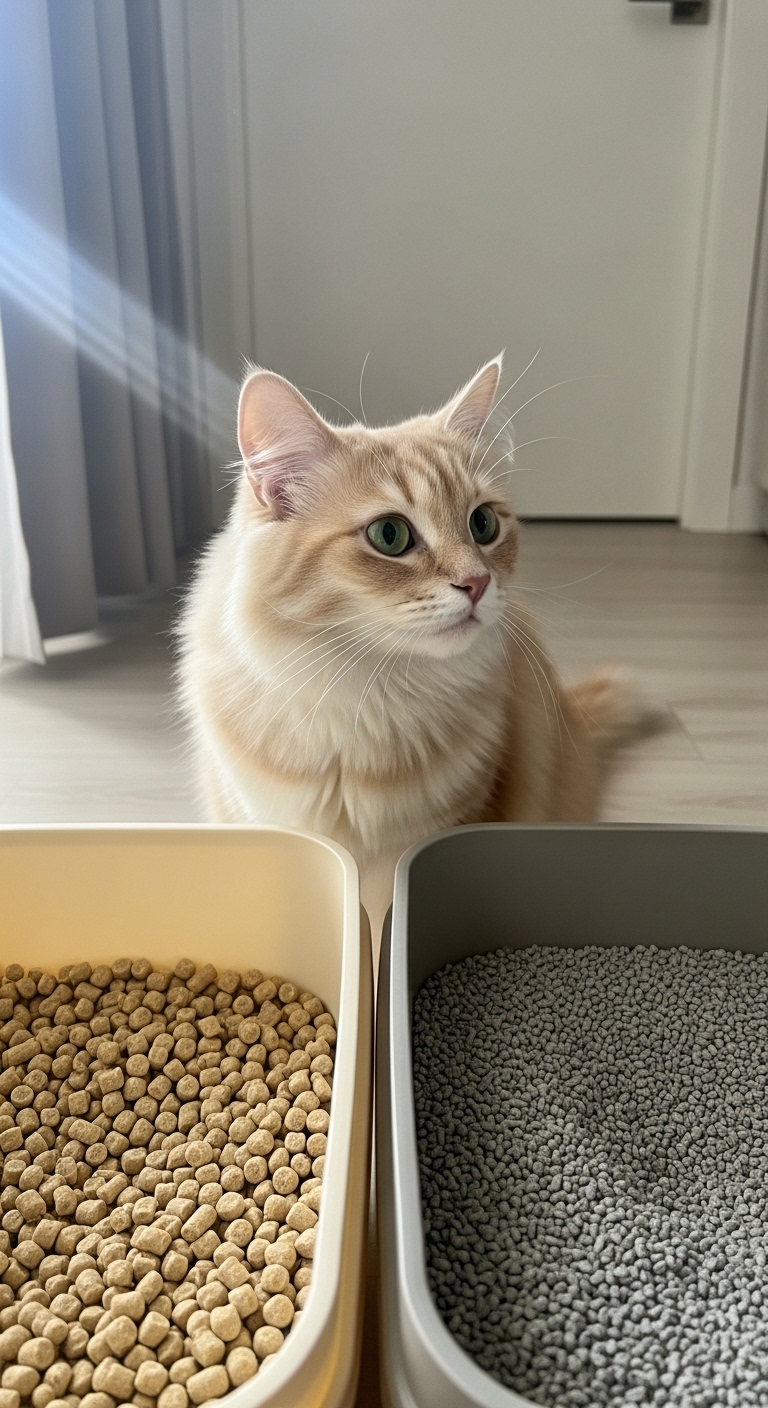
- Tracking: varies by litter type—pellets track less but can be harder to scoop, while clay clumps track more but clean up faster
- Scented litters: might mask odors at first but can sometimes irritate sensitive cats or overwhelm their natural scent preferences
- Biodegradable options: are great for the planet but may require more frequent changes to stay fresh
What to Look For
Pay attention to how quickly the litter forms tight clumps after your cat uses the box. If it stays loose or crumbly, you’ll end up with more waste when you scoop. Watch for dust levels during pouring—if it billows up like a tiny storm cloud, that litter will settle on floors and furniture no matter how careful you are. Notice whether your cat hesitates or avoids the box after a change; some cats refuse litters with strong fragrances or textures that feel unfamiliar under their paws.
Notice how much litter sticks to your cat’s paws and gets tracked outside the box. If you’re constantly sweeping up little granules, a heavier or larger granule size might reduce the mess. Check the bottom of the box after cleaning—if you find wet, mushy litter that won’t clump, the litter may not absorb moisture well enough for your cat’s usage. Compare how the litter smells after 24 hours; if the odor returns strongly, the litter isn’t controlling smells effectively.
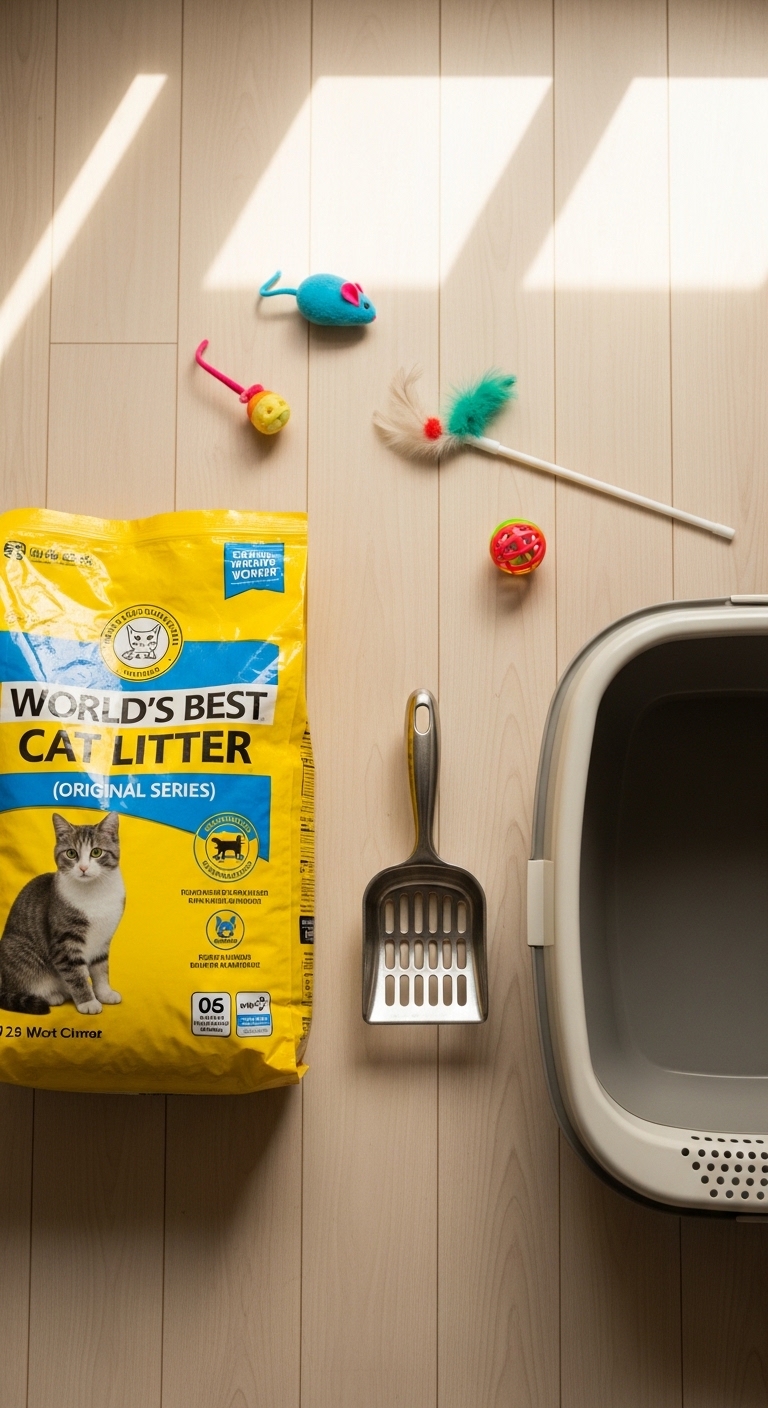
I’ve seen people flush too much corn litter at once and end up with plumbing problems, so always check local regulations before flushing. A common mistake is assuming all corn litters are the same—some brands clump better or track less than others. If your cat has a history of urinary issues, always consult your vet before switching litters, as texture changes can sometimes discourage drinking.
Transitioning Your Cat to New Litter
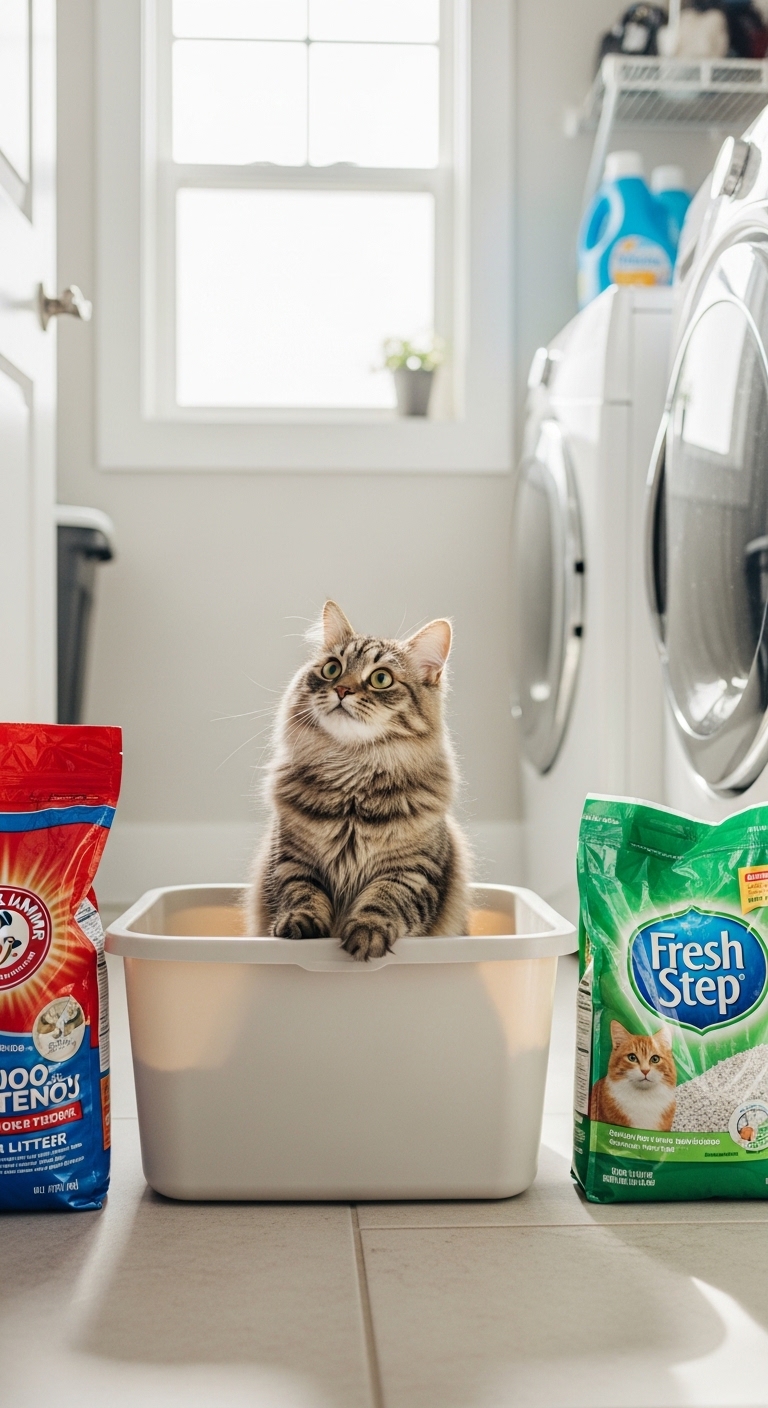
If you’re still unsure, try mixing a new litter with your old one gradually over a week to help your cat adjust without stress. Keep an eye on your cat’s litter box habits—sudden changes in frequency or posture can signal discomfort with the new litter. Don’t forget to clean the box thoroughly between litter changes to prevent lingering odors from old litter mixing with the new.
Special Considerations for Multi-Cat Homes
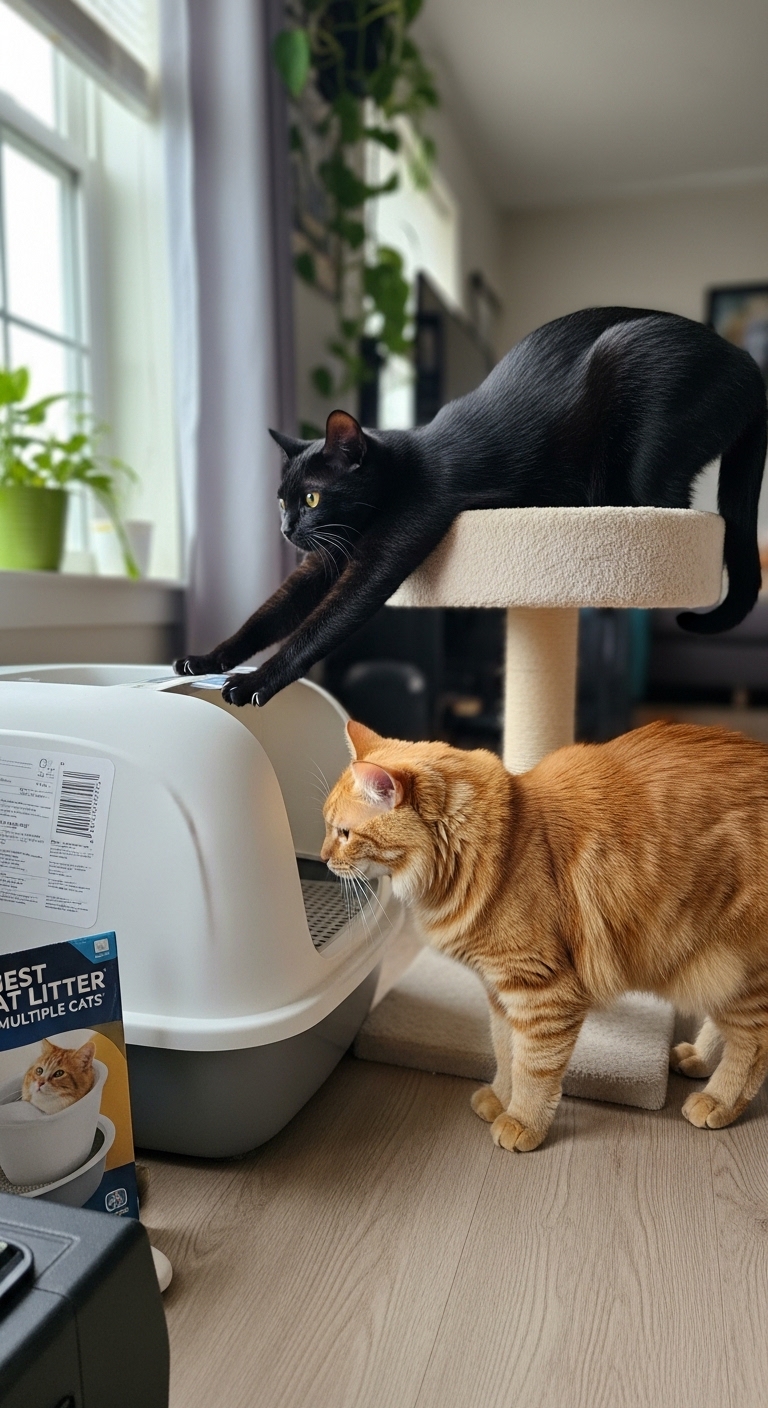
For multi-cat homes, consider a litter with extra odor control or a larger box to reduce territorial stress. Seasonal changes can affect litter performance—humidity might make clumps weaker, so you may need to adjust your scooping routine during wet months.
Litter Choices for Frequent Travelers
If you travel often, a litter with longer freshness or one that’s easier to cover in your absence can be a lifesaver.
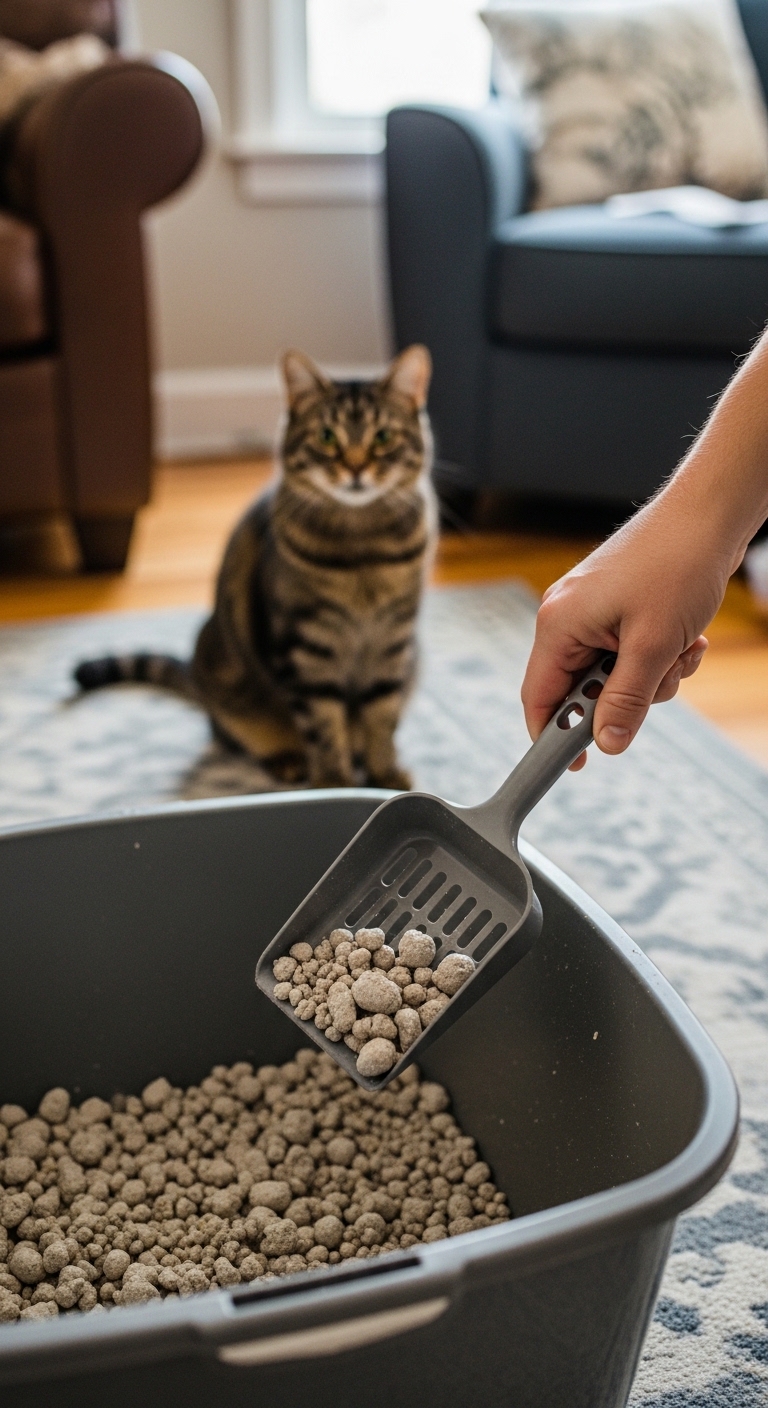
Choosing the right cat litter can transform your daily routine and your cat’s comfort. A little research and testing go a long way in finding the perfect match.
Frequently Asked Questions
- → What makes World’s Best Cat Litter stand out?
World’s Best Cat Litter is known for its superior clumping ability, excellent odor control, and eco-friendly corn-based formula. It’s also flushable and septic-safe, making it a convenient choice for many cat owners.
- → Is clumping or non-clumping litter better for cats?
Clumping litter is generally preferred because it makes scooping easier and helps control odors by trapping waste. Non-clumping litter requires full replacement, which can be less convenient for daily maintenance.
- → How often should I change cat litter?
For clumping litter, scoop waste daily and replace the entire litter every 2-4 weeks. Non-clumping litter should be fully replaced every 1-2 weeks to maintain hygiene and odor control.
- → Are natural cat litters better than traditional clay litters?
Natural litters, like those made from corn, wheat, or pine, are biodegradable and often less dusty than clay litters. However, they may not clump as well or control odors as effectively in some cases. The best choice depends on your cat’s preferences and your priorities (e.g., eco-friendliness vs. performance).
- → How can I reduce litter tracking?
Use a litter mat with high sides, choose a heavier or larger granule litter, and place the litter box in a low-traffic area. Regularly trimming your cat’s claws can also help minimize tracking.
- → What’s the best cat litter for odor control?
Litters with activated charcoal, baking soda, or plant-based odor absorbers tend to work best for controlling smells. Silica gel litters are also highly effective but may be less eco-friendly. Always scoop waste daily for best results.
- → Can I switch my cat’s litter suddenly?
It’s best to transition gradually by mixing the new litter with the old one over 7-10 days. Sudden changes can stress some cats, leading to avoidance of the litter box. Monitor your cat’s reaction during the transition.