Are sweet potatoes good for dogs? If you’ve ever wondered whether this vibrant orange veggie belongs in your pup’s bowl, you’re not alone. Many pet owners look for natural, nutrient-packed foods to support their dog’s health, and sweet potatoes often come up as a top choice. They’re easy to find, simple to prepare, and packed with benefits, but they’re not a one-size-fits-all solution. Before you start adding them to every meal, it’s worth understanding how they fit into your dog’s diet and what to watch out for.
A little goes a long way: overfeeding can cause issues, so portion control matters. I’ve seen dogs with lackluster coats and low energy perk up after adding small amounts of cooked sweet potato to their meals. It’s one of those simple swaps that can make a noticeable difference without much effort.
Key Things to Understand
- Fiber-rich: Sweet potatoes are rich in dietary fiber, which supports digestive health and can help with both diarrhea and constipation.
- Beta-carotene source: They contain beta-carotene, which converts to vitamin A and supports vision and immune function.
- Natural sugars: The natural sugars in sweet potatoes provide energy, but too much can lead to weight gain or blood sugar spikes.
- Cooking required: Cooking is essential: raw sweet potatoes are hard to digest and can cause stomach upset.
- Portion control: Portion size matters. A small dog might only need a teaspoon, while a large breed could handle a tablespoon.
- Allergies possible: Some dogs may be allergic or sensitive, so introduce them slowly and watch for reactions.
What to Look For
When adding sweet potatoes to your dog’s diet, pay attention to how they respond after the first few servings. Look for signs of improved digestion, like firmer stools or less gassiness, which suggest the fiber is working in their favor. On the flip side, watch for loose stools or excessive gas, which could mean the portion was too large or their system isn’t used to the change. If your dog has diabetes or is prone to weight gain, monitor their energy levels and weight closely: sweet potatoes are nutritious but still calorie-dense. Also, check the texture of their coat and skin. A shinier, softer coat over time often means the beta-carotene and other nutrients are doing their job.
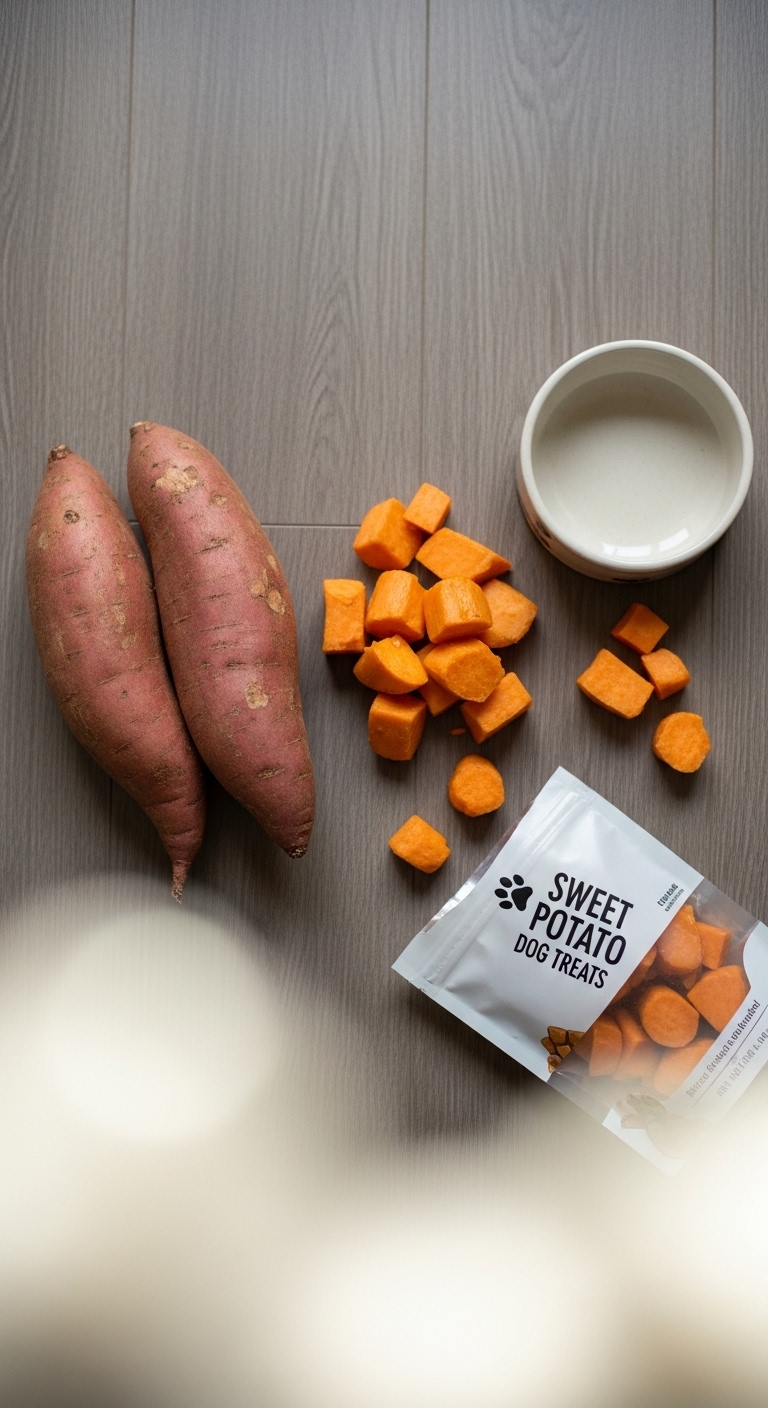
I once gave my neighbor’s dog a large piece of raw sweet potato by mistake, and it caused a rough night for everyone involved. Cooking breaks down the tough fibers, making it much easier on their stomach. Also, if your dog has never had sweet potatoes before, start with a tiny amount: just a teaspoon for a small dog to see how they handle it. Some dogs adore the taste right away, while others need a little coaxing.
How to Serve Sweet Potatoes to Your Dog
Steamed or boiled sweet potatoes are the safest options because they soften the fibers without adding any unhealthy fats. Baking is fine too, but skip the oil or seasoning. For a quick meal boost, mash a small amount into their regular kibble or mix it with plain yogurt for a tasty topping. If you’re feeling adventurous, freeze small cubes of cooked sweet potato as a refreshing summer treat. Just remember, moderation is key: sweet potatoes should make up no more than 10% of your dog’s diet to avoid nutritional imbalances.
Sweet Potatoes vs. Regular Potatoes
Unlike regular potatoes, sweet potatoes are non-toxic and much safer for dogs. White potatoes contain solanine, a compound that can be harmful in large amounts, especially when raw or green. Sweet potatoes, on the other hand, are packed with nutrients and easier to digest. That said, both should be cooked and served plain. If you’re choosing between the two, sweet potatoes are the clear winner for your pup’s health.
Signs Your Dog Might Not Tolerate Sweet Potatoes
Not every dog reacts the same way, so keep an eye out for subtle changes. If your dog starts scratching more than usual or develops a rash after eating sweet potatoes, they might be sensitive. Other red flags include vomiting, diarrhea, or excessive thirst, which could signal an intolerance or allergy. If you notice any of these signs, stop feeding them sweet potatoes and consult your vet. It’s always better to be cautious, especially with new foods.

Sweet potatoes can be a simple, healthy addition to your dog’s diet when served correctly. Always prioritize moderation and preparation to keep them safe and beneficial.
Frequently Asked Questions
- → Can dogs eat sweet potatoes raw?
No, dogs should not eat raw sweet potatoes. Raw potatoes contain solanine, a compound toxic to dogs that can cause gastrointestinal upset and neurological issues. Always cook sweet potatoes thoroughly before serving.
- → How much sweet potato can I give my dog?
Start with small amounts—about 1-2 teaspoons per 10 lbs of body weight—and monitor for digestive changes. Too much can cause diarrhea or stomach upset due to the high fiber content. Consult your vet for personalized recommendations based on your dog’s diet and health.
- → Are sweet potatoes good for diabetic dogs?
Sweet potatoes have a moderate glycemic index, so they may not be ideal for diabetic dogs. If your dog has diabetes, consult your vet before introducing sweet potatoes. Opt for low-glycemic alternatives like green beans or pumpkin if approved by your vet.
- → Can I feed my dog sweet potato skin?
It’s best to peel sweet potatoes before feeding them to your dog. The skin can be difficult to digest and may contain pesticides or dirt. Serve only the cooked, peeled flesh in small, manageable pieces.
- → What are the benefits of sweet potatoes for dogs?
Sweet potatoes are packed with fiber, which aids digestion, and vitamins A and C, which support immune function and skin health. Their antioxidants can help reduce inflammation, and their natural sweetness makes them a tasty, low-fat treat option.
- → How should I prepare sweet potatoes for my dog?
Boil or bake sweet potatoes without any seasoning, oils, or sweeteners. Avoid adding butter, salt, or spices. Once cooked, mash or dice them into small pieces suitable for your dog’s size. Serve as a standalone treat or mix into their regular food.