
Can dogs eat Greek yogurt? It’s a question many pet owners ask when looking for healthy treats or supplements for their dogs. Greek yogurt is often praised for its high protein and probiotic content, but not all yogurts are safe for dogs. Understanding the right type and amount can make a big difference in your dog’s diet and digestion.
I once gave my neighbor’s dog a spoonful of plain yogurt as a treat, only to realize later it was sweetened with xylitol, a dangerous sugar substitute for pets. That moment taught me how important it is to read labels carefully before sharing human foods with dogs.
Key Things to Understand
- Plain Greek yogurt without added sugars or artificial sweeteners is the safest choice for dogs: Artificial sweeteners like xylitol are toxic to them.
- Probiotics in yogurt can support your dog’s digestive health: Especially if they’ve had antibiotics or digestive issues.
- Lactose intolerance is common in dogs: Start with small amounts to see how your dog reacts.
- Full-fat yogurt should be given in moderation: To avoid weight gain, while non-fat options may contain more additives.
- Always check the ingredient list: For harmful additives like artificial flavors or preservatives.
What to Look For
Watch for signs of lactose intolerance in your dog after eating yogurt, such as diarrhea, gas, or vomiting. These symptoms usually appear within a few hours and indicate your dog may not tolerate dairy well. If your dog has never had yogurt before, introduce it slowly and in tiny portions to monitor their reaction.
Pay attention to the yogurt’s fat content. While plain Greek yogurt is generally safe, full-fat versions can contribute to obesity if given too often. On the other hand, non-fat yogurts might contain added sugars or artificial ingredients to improve taste, which can be just as harmful. Opt for plain, unsweetened varieties whenever possible.
Check the ingredient list carefully. Some yogurts marketed for humans contain xylitol, a sugar substitute that’s extremely toxic to dogs. Even a small amount can cause rapid insulin release, leading to hypoglycemia (low blood sugar) and liver failure. Always double-check labels to ensure the yogurt is free of this and other harmful additives.
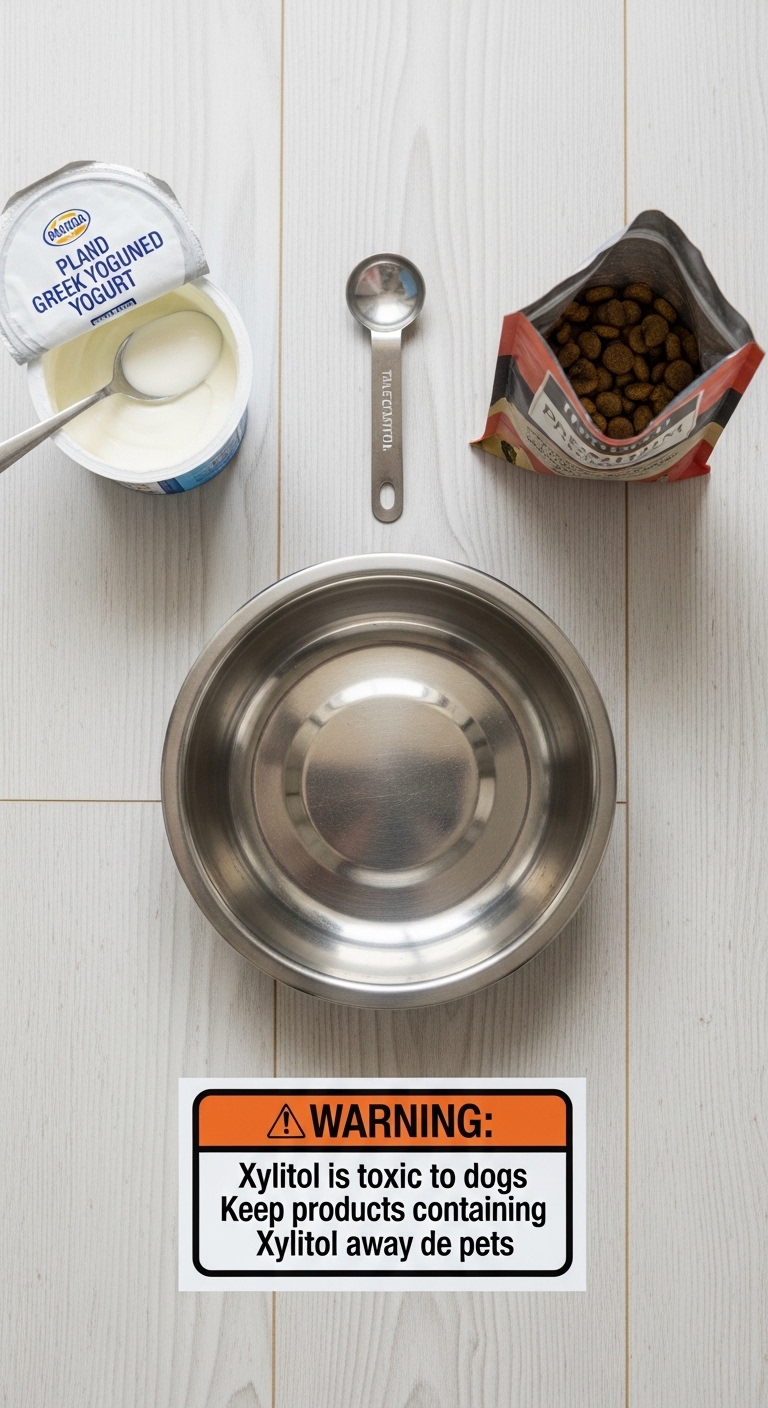
Some dogs may simply dislike the taste of yogurt, so don’t force it if they show no interest. Always observe their reaction and adjust accordingly.
How to Serve Greek Yogurt Safely
Start with plain, unsweetened Greek yogurt in very small amounts to test your dog’s tolerance. Mix a spoonful into their regular food as a probiotic boost or use it as a training reward. This helps introduce the new food gradually without overwhelming their system.
Creative Ways to Offer Yogurt
Freeze plain yogurt in small portions for a refreshing summer treat. Avoid adding any toppings or mix-ins, as these can introduce harmful ingredients. This can be especially helpful for teething puppies or dogs who enjoy cold snacks.
When to Avoid Yogurt
If your dog loves yogurt, you might be tempted to share a whole bowl, but moderation is key. Too much can lead to stomach upset or unwanted weight gain. Instead, use it sparingly as a supplement to their balanced diet, not as a replacement for their regular meals.

Greek yogurt can be a great occasional treat for dogs, but it’s not a one-size-fits-all solution. Every dog reacts differently, so always observe their response and adjust accordingly.
Frequently Asked Questions
- → Is Greek yogurt safe for all dogs?
Most dogs can safely eat plain, unsweetened Greek yogurt in small amounts. However, dogs with lactose intolerance or dairy allergies should avoid it. Puppies and senior dogs may also need caution due to sensitive digestive systems.
- → How much Greek yogurt can I give my dog?
Start with a small amount, like 1-2 teaspoons for small dogs or 1-2 tablespoons for larger breeds. Too much can cause digestive upset or weight gain. Always introduce it slowly and monitor your dog’s reaction.
- → What are the benefits of Greek yogurt for dogs?
Greek yogurt is rich in protein, calcium, and probiotics, which support gut health, bone strength, and immune function. It can also be a tasty way to administer medication or supplements.
- → Can Greek yogurt replace my dog’s regular food?
No, Greek yogurt should only be a supplement, not a replacement for balanced dog food. It lacks essential nutrients dogs need daily, like vitamins, minerals, and fiber found in complete dog diets.
- → What type of Greek yogurt is best for dogs?
Choose plain, unsweetened, and unflavored Greek yogurt with live cultures. Avoid yogurts with added sugars, artificial sweeteners (like xylitol), or artificial flavors, as these can be harmful to dogs.
- → What should I do if my dog eats too much Greek yogurt?
Monitor for signs of digestive upset like diarrhea, vomiting, or gas. If symptoms persist or your dog seems lethargic, contact your vet. In most cases, mild upset resolves on its own with a bland diet and hydration.