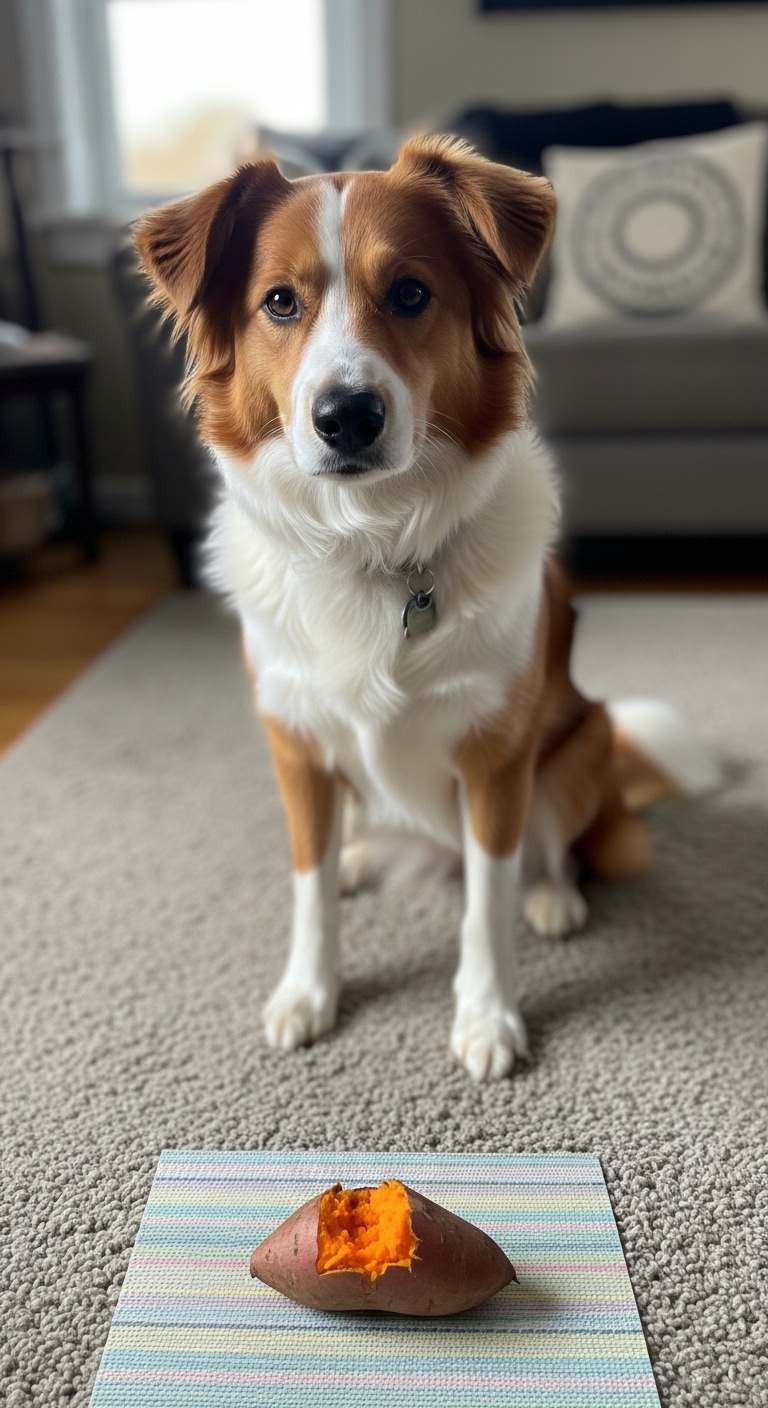
Can dogs eat beets? It’s a question many pet owners ask when looking for healthy, natural treats to add to their dog’s diet. Beets are packed with nutrients like fiber, folate, manganese, and vitamin C, which can support your dog’s digestion, immune system, and energy levels. But before you toss a beet into your pup’s bowl, it’s important to understand how to serve them safely and in what amounts. Some dogs may love the earthy taste, while others might turn their noses up at it. Knowing the right way to introduce beets can make a big difference in whether your dog benefits from them or ends up with an upset stomach.
A lot of pet owners don’t realize that moderation is key with beets. Too much at once can lead to loose stools, and some dogs just don’t digest them well. Start with small amounts and see how your dog reacts before making beets a regular part of their diet.
Key Things to Understand
- Beets are safe for dogs in moderation: but should never replace a balanced diet.
- Cooked beets are easier to digest: than raw ones, which can be tough on their stomachs.
- Too much beet can cause digestive upset: so introduce it slowly and in small portions.
- Avoid canned beets with added salt or seasonings: as these can be harmful to dogs.
- Beet greens are also safe and nutritious: but they should be washed thoroughly to remove pesticides.
- Some dogs may have an allergic reaction: so watch for signs like itching or swelling after feeding beets.
What to Look For
When introducing beets to your dog, pay attention to how they react after eating them. A small piece the size of a teaspoon is a good starting point for most dogs. If your dog tolerates it well after 24 hours, you can gradually increase the amount. Look for signs of digestive discomfort like excessive gas, diarrhea, or vomiting, which mean you should stop feeding beets immediately. The color of your dog’s stool might also change temporarily, turning a little red or pink due to the natural pigments in beets. This is usually harmless but worth noting if it persists.
Another thing to consider is how your dog responds to the taste. Some dogs love the sweet, earthy flavor, while others may sniff and walk away. If your dog isn’t interested, don’t force it there are plenty of other healthy treats to try. Also, check the texture when serving beets. Cooked beets should be soft enough to mash with a fork, making them easier for your dog to chew and digest.
A lot of pet owners make the mistake of overfeeding beets because they assume more is better. But just like with any new food, too much too soon can cause problems. Start small, monitor your dog’s reaction, and adjust accordingly. If you’re unsure, ask your vet before adding beets to your dog’s diet, especially if your dog has a sensitive stomach or health conditions.
Serving beets the right way
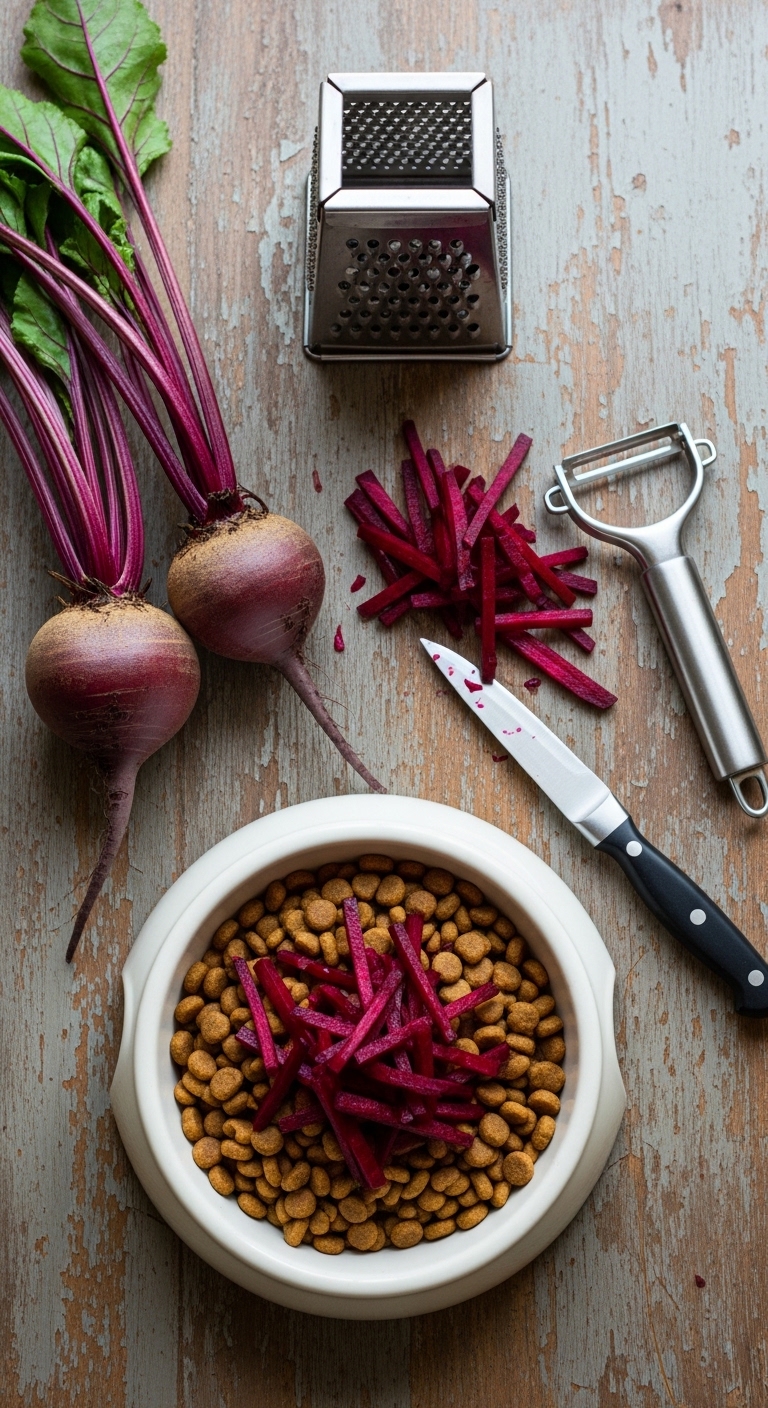
If you decide to feed your dog beets, preparation matters. Raw beets can be tough for dogs to chew and digest, so cooking them is usually the better option. Boil or steam the beets until they’re soft, then cut them into small, bite-sized pieces. You can also grate them into your dog’s regular food for an easy mix-in. Beet greens are another great option just chop them finely and cook them lightly to soften the texture. Avoid seasoning with salt, butter, or oils, as these can upset your dog’s stomach.
For dogs who aren’t fans of the taste, try mixing beets into homemade dog treats or blending them into a puree to add to their meals. You can also freeze small beet pieces for a crunchy, refreshing snack on hot days. If your dog has never had beets before, it’s best to introduce them one at a time, separate from other new foods, so you can clearly see how they react.
When to avoid beets
While beets are generally safe, there are times when you should skip them altogether. Dogs with kidney issues should avoid beets because they’re high in oxalates, which can contribute to kidney stones. If your dog has diabetes, beets are high in sugar, so they should be given in very small amounts and monitored closely. Always check with your vet if your dog has a health condition before introducing new foods.
Another thing to watch for is allergies. Though rare, some dogs can be allergic to beets, so keep an eye out for symptoms like itching, hives, or swelling after feeding. If you notice any of these signs, stop giving beets and contact your vet. It’s also a good idea to avoid beets if your dog is on a strict raw diet, as cooking them changes their nutritional profile.
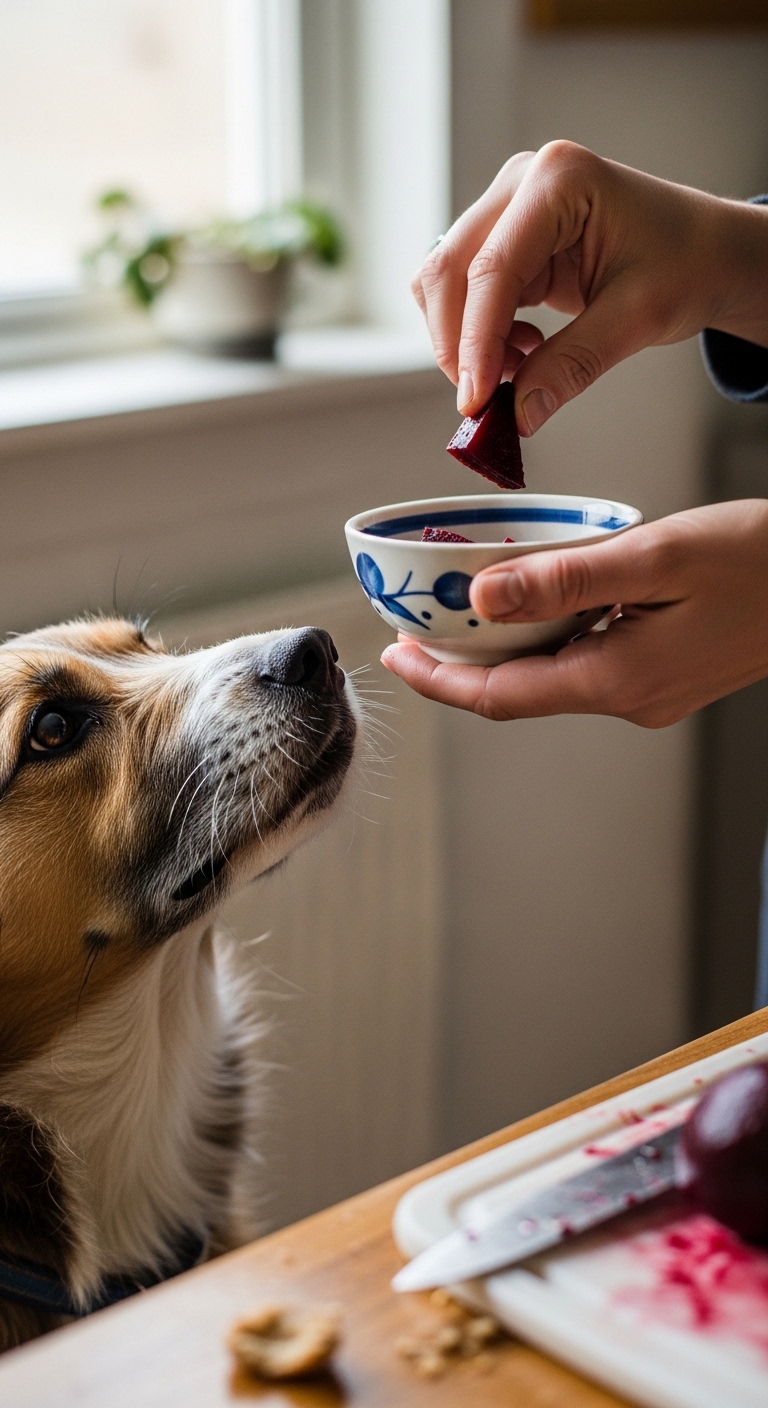
Beets can be a healthy, tasty treat for many dogs when given in the right way. The key is to introduce them slowly, prepare them properly, and watch for any negative reactions.
Frequently Asked Questions
- → Are beets safe for all dogs?
Most dogs can safely eat beets in moderation, but individual tolerance varies. Always introduce new foods gradually and watch for signs of allergies or digestive issues. Dogs with diabetes or kidney problems should avoid beets due to their natural sugar and oxalate content.
- → How should I prepare beets for my dog?
Cook beets thoroughly by boiling, steaming, or roasting without any seasoning, salt, or additives. Avoid pickled or canned beets, as they often contain harmful ingredients. Once cooked, chop or mash the beets into small, manageable pieces to prevent choking.
- → Can puppies eat beets?
Puppies can eat beets in small amounts, but it’s best to consult your vet first. Beets should not replace a balanced puppy diet and should only be given as an occasional treat. Ensure the beets are soft and easy to chew to avoid choking hazards.
- → What are the benefits of beets for dogs?
Beets provide fiber for digestive health, folate for cell growth, manganese for bone health, and vitamin C for immune support. They also have anti-inflammatory properties and can help detoxify the liver. However, these benefits depend on proper preparation and moderation.
- → How much beet can I give my dog?
Beets should make up no more than 10% of your dog’s daily diet. For small dogs, start with a teaspoon of cooked beets, and for larger dogs, up to a tablespoon. Monitor your dog’s reaction and adjust portions accordingly. Overfeeding can lead to digestive upset or discolored stools.
- → Can dogs eat beet greens?
Yes, beet greens are safe and nutritious for dogs. They are high in fiber, calcium, and vitamins A and K. Wash the greens thoroughly and chop them finely before serving. Introduce them gradually to avoid digestive issues, and avoid seasoning.
- → What are the risks of feeding beets to dogs?
Potential risks include digestive upset, allergic reactions, or choking if not prepared properly. Beets contain oxalates, which can contribute to kidney stones in susceptible dogs. Always consult your vet if your dog has a history of health issues before introducing beets.