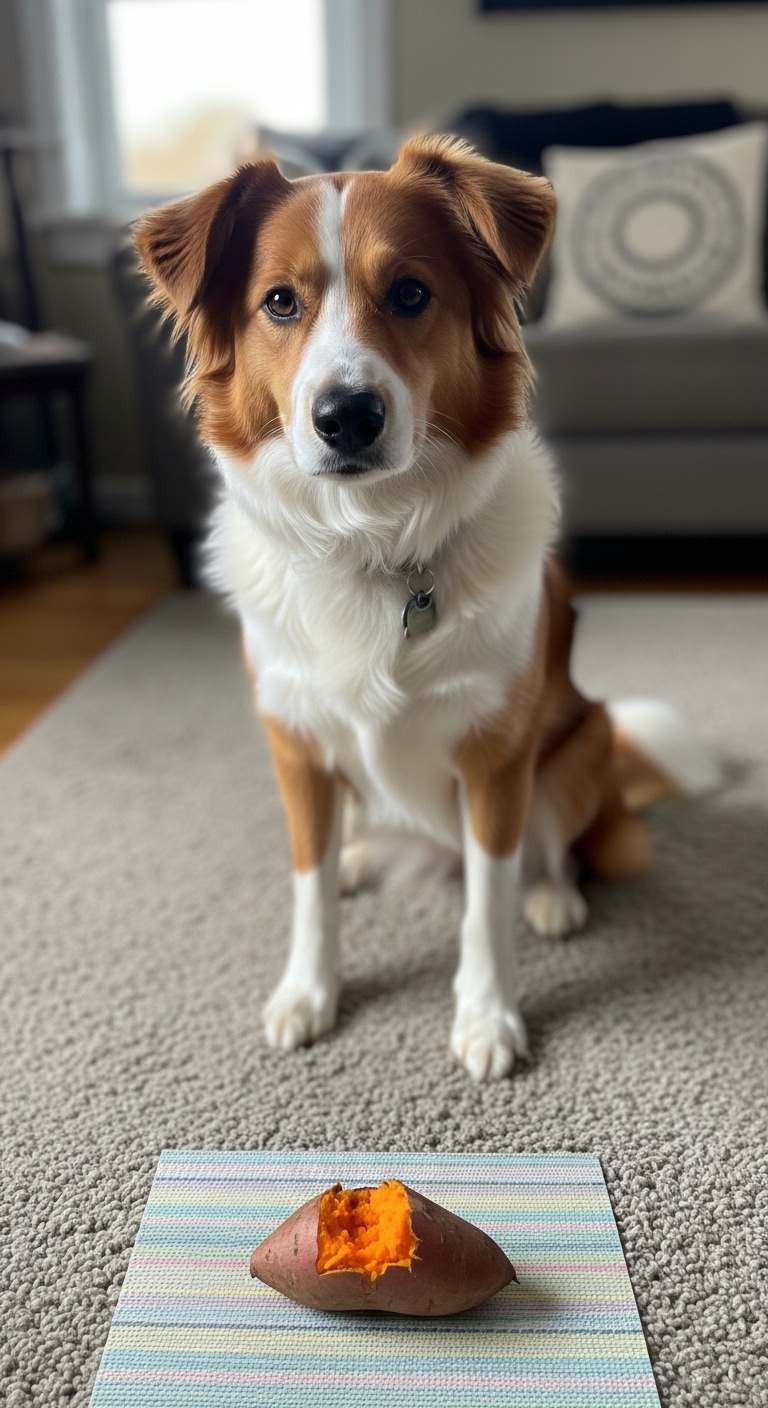
Are tomatoes bad for dogs? It’s a question many pet owners ask, especially when sharing a snack or meal with their furry friend. While tomatoes can be a healthy treat for humans, the same isn’t always true for dogs. The answer depends on the type of tomato and how it’s served. Understanding the risks and benefits can help you make safer choices for your pet’s diet.
I remember once giving my neighbor’s dog a small piece of tomato from my garden, only to realize later that the stems and leaves can be toxic. That moment taught me how important it is to double-check even the most ordinary foods before sharing them with pets.
Key Things to Understand
- Tomatoes belong to the nightshade family: which means they contain solanine, a compound that can be harmful in large amounts
- The ripe red fruit in small quantities: is generally safe for most dogs, but the green parts, including stems and leaves, are toxic
- Some dogs may have sensitivities or allergies: to tomatoes, even in small amounts
- Overripe or moldy tomatoes: can cause stomach upset or more serious issues
- Always introduce new foods slowly: and watch for any adverse reactions
What to Look For
Pay attention to how your dog reacts after eating a tomato. Some dogs may show no issues, while others could experience digestive upset like vomiting or diarrhea. Watch for signs of lethargy, drooling, or loss of appetite, which could indicate a problem. If you notice any of these symptoms, it’s best to contact your vet. Also, check the tomato itself: only the ripe, red flesh should be considered, and even then, it should be given in very small pieces to avoid choking or digestive issues.
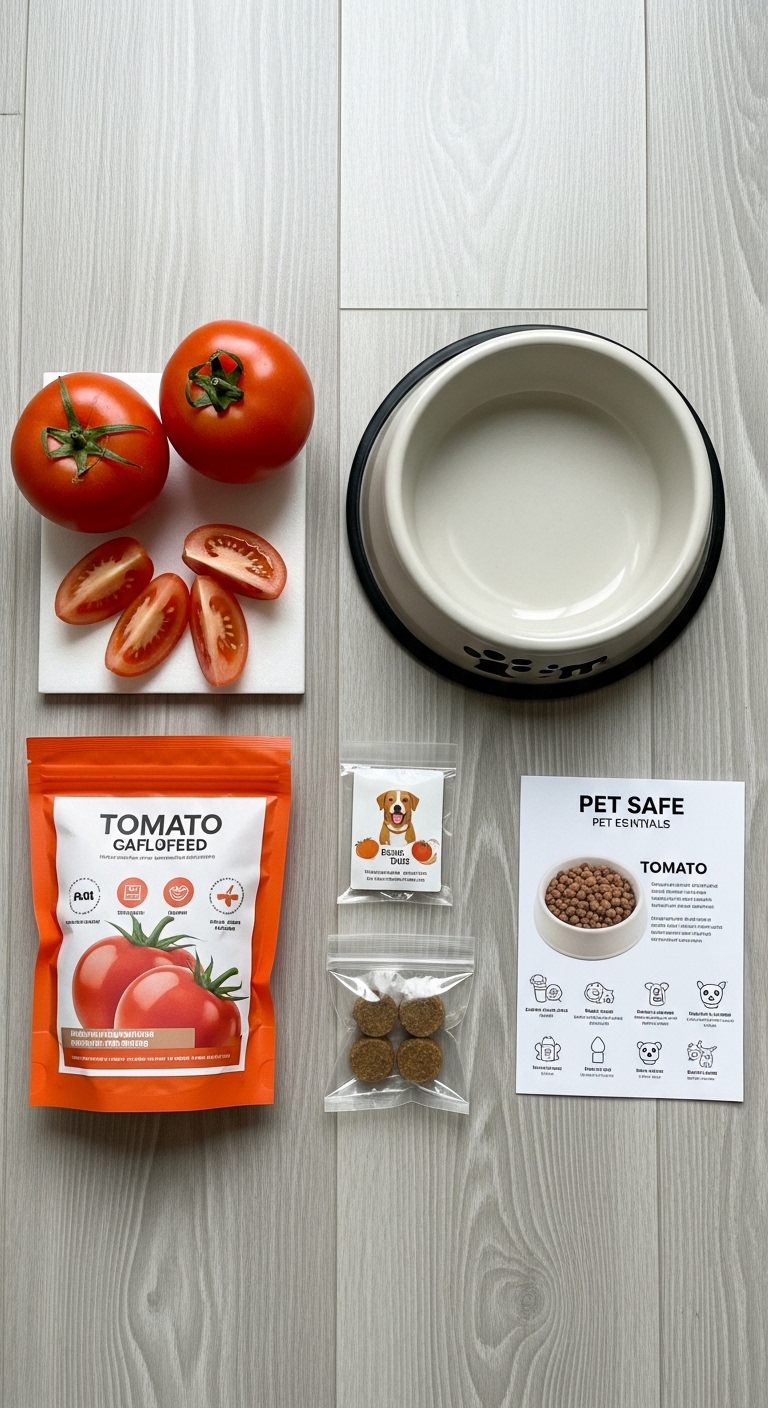
I once saw a dog owner feed their pet an entire cherry tomato without removing the stem, only for the dog to start vomiting shortly after. It’s a reminder that even small mistakes can have big consequences.
Are tomatoes a good choice for your dog?
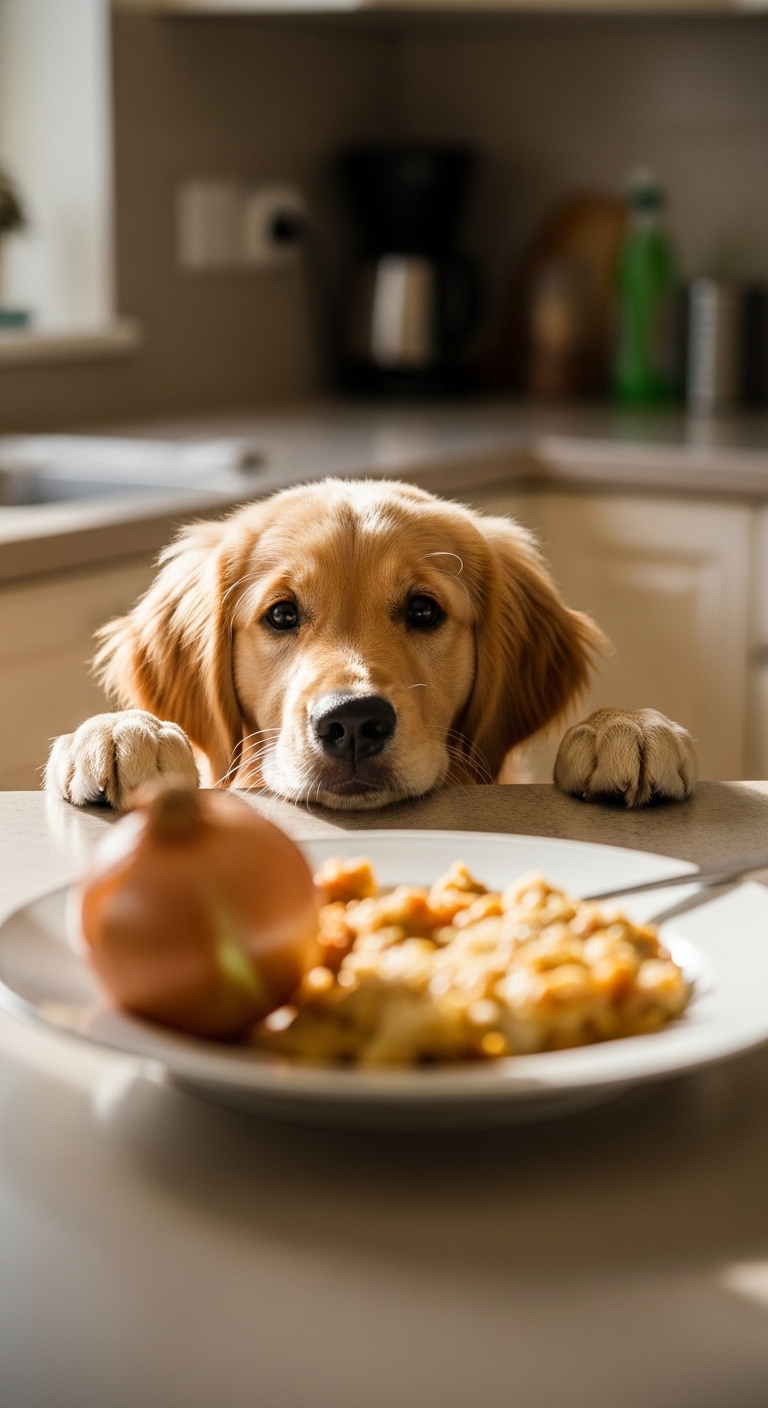
Tomatoes can be a source of vitamins A, C, and K, as well as fiber, which may benefit your dog in moderation. However, the risks often outweigh the benefits, especially since dogs don’t need these nutrients from tomatoes specifically. If you do decide to share a tomato with your dog, make sure it’s ripe, red, and served in a very small portion. Avoid canned tomatoes or those with added seasonings, as these can contain harmful ingredients like garlic or onions.
Signs your dog shouldn’t eat tomatoes
If your dog has eaten a large amount of tomato or parts like stems and leaves, watch for symptoms such as excessive drooling, vomiting, diarrhea, confusion, or weakness. These could indicate solanine poisoning, which requires immediate veterinary attention. Even if your dog seems fine at first, symptoms can develop hours later, so it’s important to stay vigilant.
Healthier alternatives to tomatoes
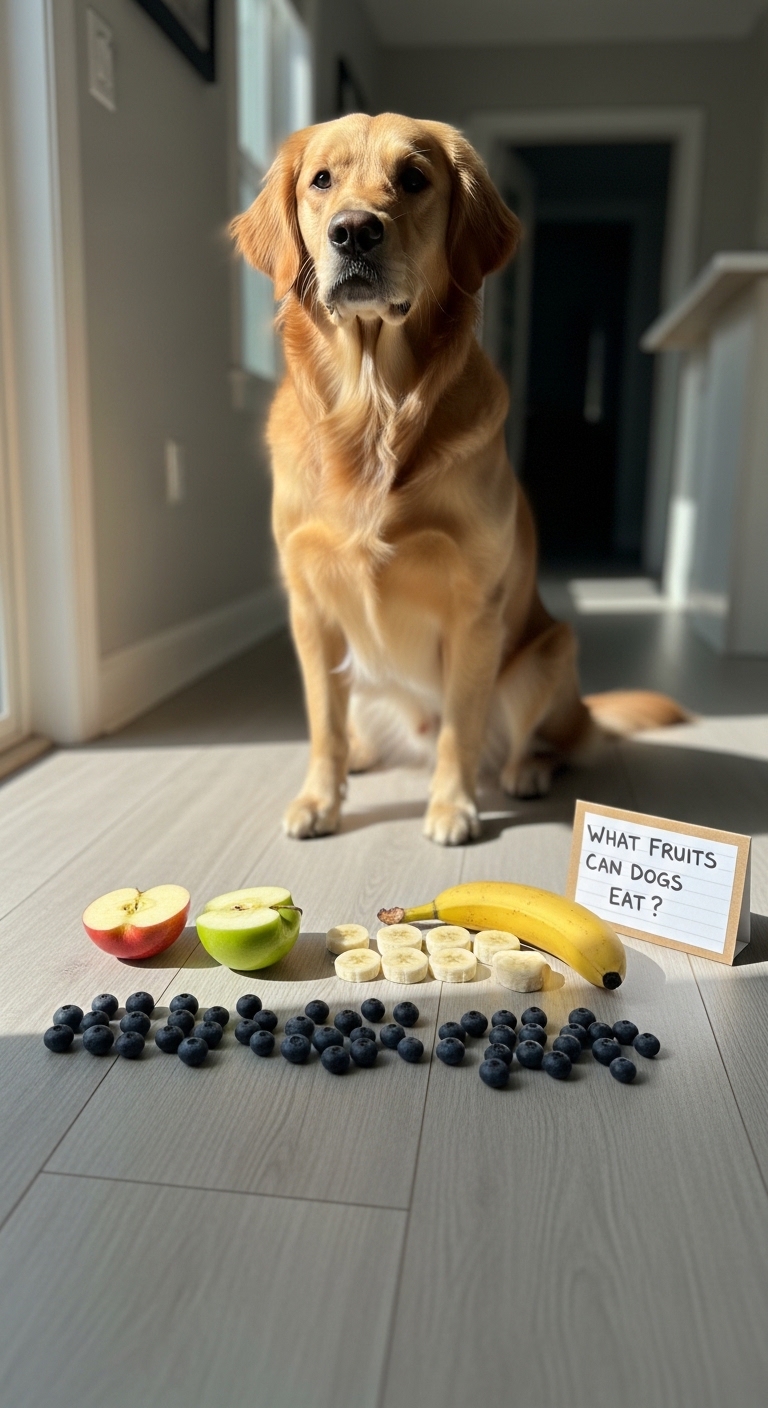
If you’re looking for safe fruits and vegetables to share with your dog, consider options like blueberries, carrots, or cucumbers. These are low in calories, packed with nutrients, and pose no risk of toxicity. Always introduce new foods gradually and in small amounts to avoid upsetting your dog’s stomach.
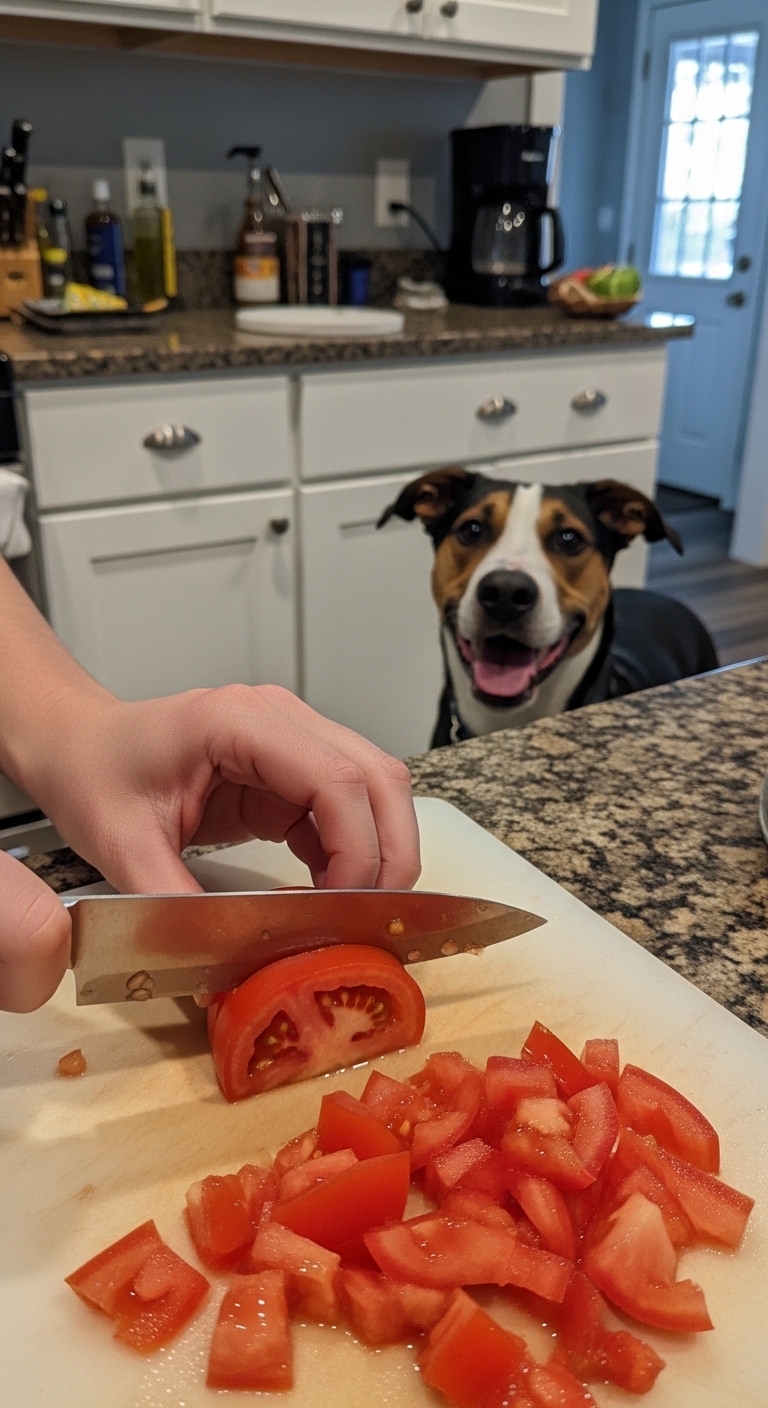
Tomatoes in moderation might not harm your dog, but the risks often aren’t worth it. Your dog’s health and safety should always come first.
Frequently Asked Questions
- → Can dogs eat tomatoes safely?
Dogs can eat ripe red tomatoes in moderation, but avoid green parts which contain solanine. Always introduce new foods gradually and watch for digestive upset.
- → What parts of tomatoes are toxic to dogs?
The green parts of the tomato plant, including stems, leaves, and unripe tomatoes, contain higher levels of solanine and should never be fed to dogs.
- → How much tomato can I give my dog?
Start with small amounts like a teaspoon of diced tomato for a medium-sized dog. Monitor for any reactions before offering more. Tomatoes should only be an occasional treat, not a regular part of the diet.
- → Are cooked tomatoes better than raw for dogs?
Cooked tomatoes without seasoning are generally safer as the cooking process reduces acidity. Avoid adding salt, garlic, onions, or other seasonings which can be harmful to dogs.
- → What should I do if my dog eats a tomato plant?
Contact your vet or a pet poison hotline immediately if your dog consumes any part of the tomato plant. Watch for symptoms like vomiting, diarrhea, lethargy, or loss of appetite and seek veterinary care if needed.
- → Can tomatoes help with my dog's digestion?
Tomatoes contain fiber which may help with digestion, but their high acidity can also cause stomach upset in some dogs. The benefits are minimal compared to a balanced diet, so they should only be given as an occasional treat.