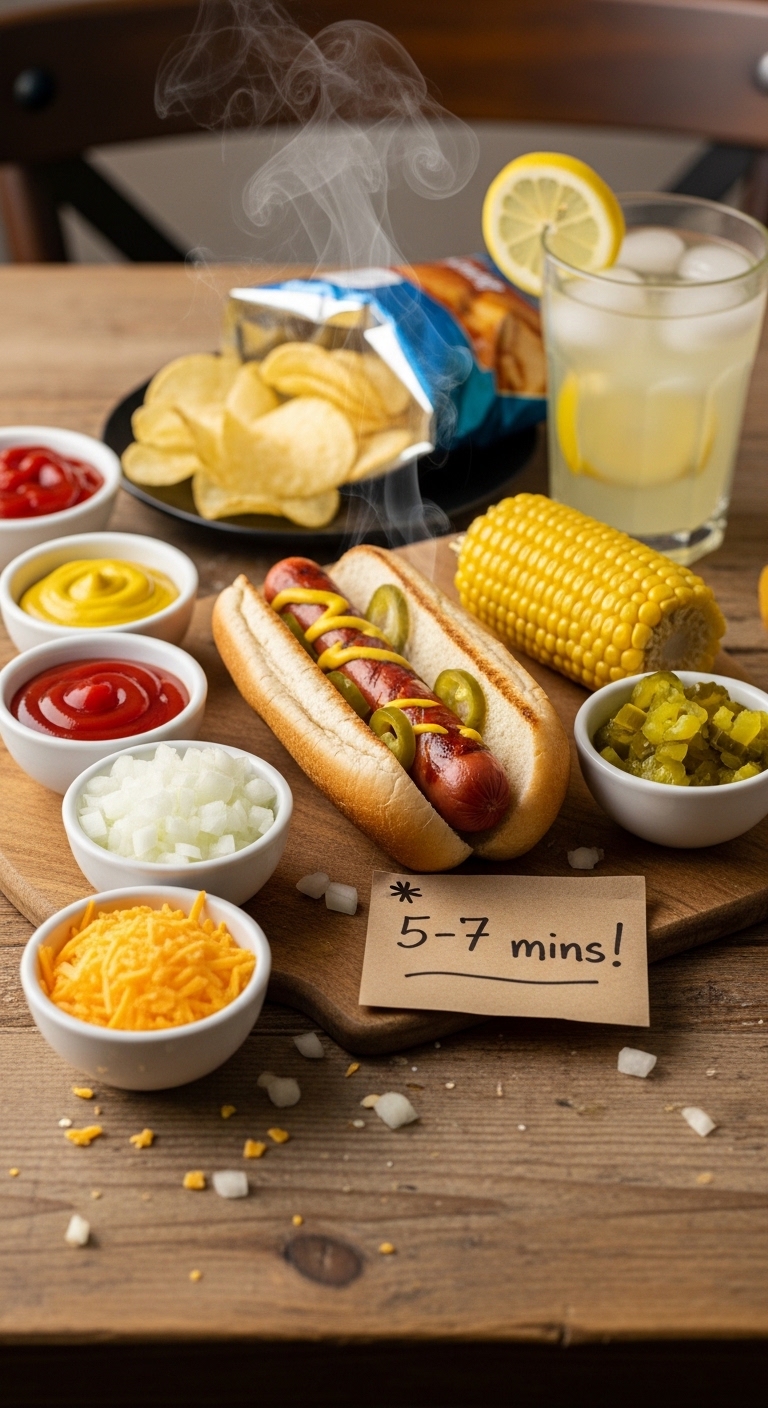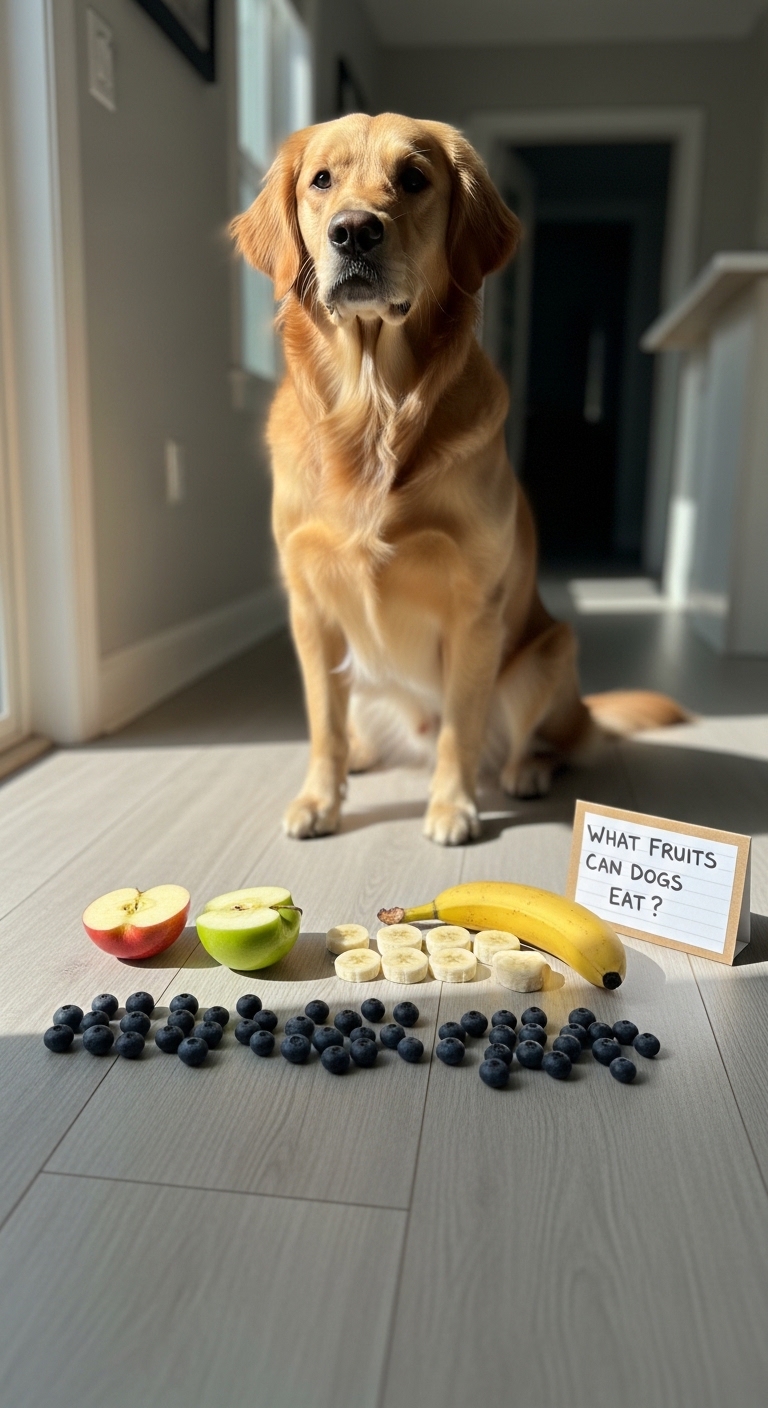
Can dogs eat food with onions? It’s a question that pops up often, especially when we’re tempted to share our meals with our furry friends. Onions might seem harmless, but they can actually be dangerous for dogs. Even small amounts can cause serious health issues, so it’s important to know the risks before letting your pup sneak a bite.
I remember once accidentally dropping a piece of onion on the floor and my dog gobbled it up before I could stop him. That moment made me realize how easy it is for onions to slip into a dog’s diet without us noticing.
Key Things to Understand
- Onions contain compounds that damage red blood cells in dogs: leading to a condition called hemolytic anemia.
- All forms of onions are dangerous: including raw, cooked, powdered, or dehydrated.
- Even small amounts can be toxic over time: especially for smaller breeds.
- Symptoms of onion poisoning include: vomiting, diarrhea, lethargy, and pale gums.
- Cooked onions in sauces or soups: are just as risky as raw ones.
What to Look For
Watch for any signs of stomach upset after your dog eats human food. If they vomit or seem unusually tired, it could be a reaction to something they ingested. Pay attention to their energy levels and appetite changes might signal a problem. If you suspect onion poisoning, check their gums for an unusual pale color, which could indicate anemia. Also, be mindful of ingredients in packaged foods or leftovers, as onions often hide in sauces, broths, or seasonings.
I once had a client whose dog ate a small piece of onion from a burger bun. They waited to see if anything happened, but within hours, the dog became weak and refused food. A quick vet visit saved the dog’s life: it’s always better to act fast.
Daily care habits
Always check ingredient labels on human foods before sharing them with your dog. Even foods labeled as "natural" or "organic" can contain onion powder. Keep onions out of reach in your kitchen, and be cautious when cooking or eating around your pet. If you’re unsure about a food, it’s safer to skip sharing it altogether.
Common mistakes to avoid
Assuming small amounts are safe: even tiny pieces can add up over time. Feeding table scraps without checking the ingredients first. Ignoring early signs of poisoning like vomiting or lethargy. Assuming cooked onions are less dangerous than raw ones.
Cleaning and hygiene
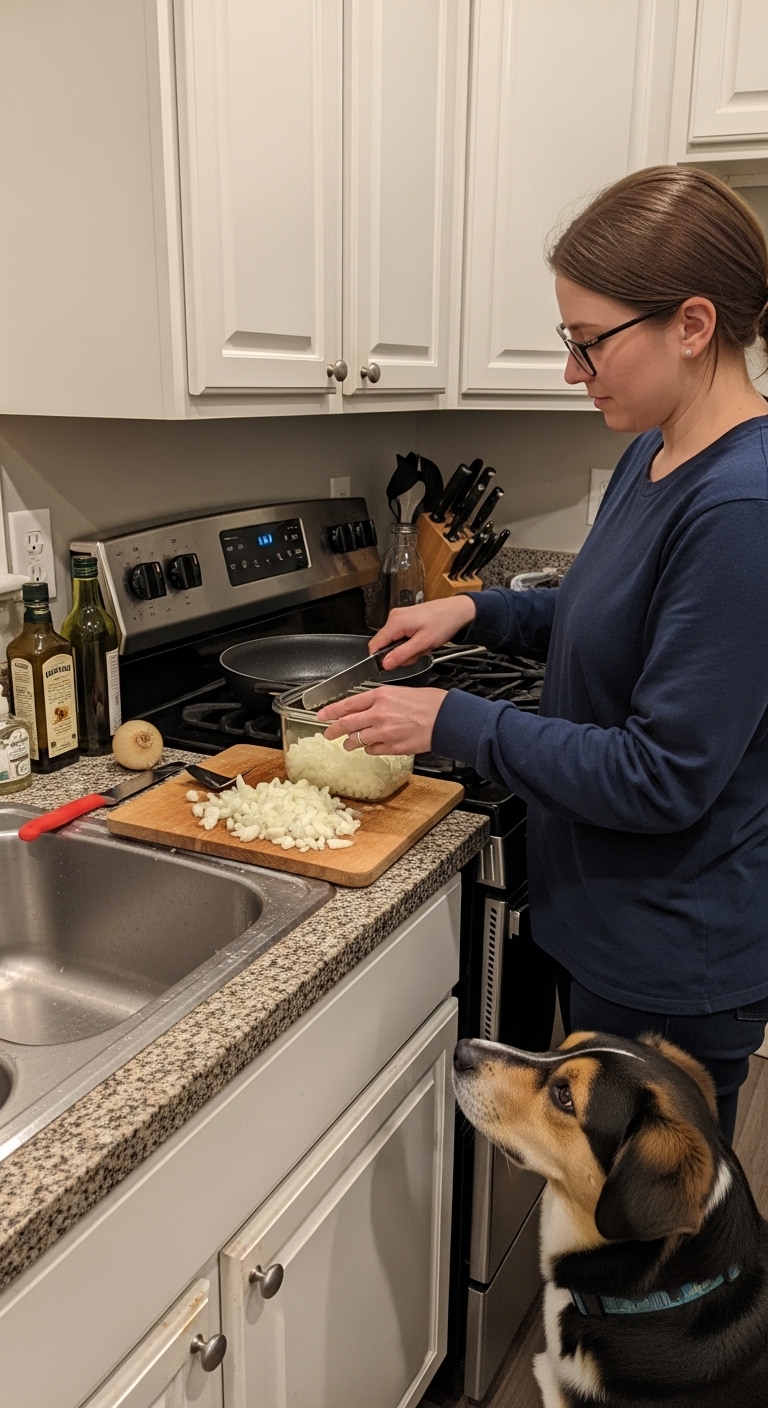
If you’ve cooked with onions, clean up thoroughly to prevent your dog from licking residue off the floor or counter. Wipe down surfaces and dispose of onion peels or scraps in a sealed trash can. This simple habit can save your dog from accidental exposure.
Keeping your dog safe from onion poisoning is all about awareness and prevention. Stay informed and cautious to ensure your pet stays healthy and happy.
Frequently Asked Questions
- → How much onion is toxic to dogs?
Toxicity depends on the dog’s size and the onion amount consumed. As little as 0.5% of a dog’s body weight in onions (e.g., 1 oz per 10 lbs) can cause poisoning. Even small, repeated exposures over time are dangerous.
- → What are the signs of onion poisoning in dogs?
Watch for vomiting, diarrhea, drooling, weakness, lethargy, pale gums, or dark-colored urine. These symptoms may appear within 24-48 hours of ingestion.
- → Can dogs eat food cooked with onions?
No. Even cooked onions retain their toxic compounds. Avoid all foods containing onions, including powders, sauces, and seasonings, as they pose the same risk as raw onions.
- → What should I do if my dog eats onions?
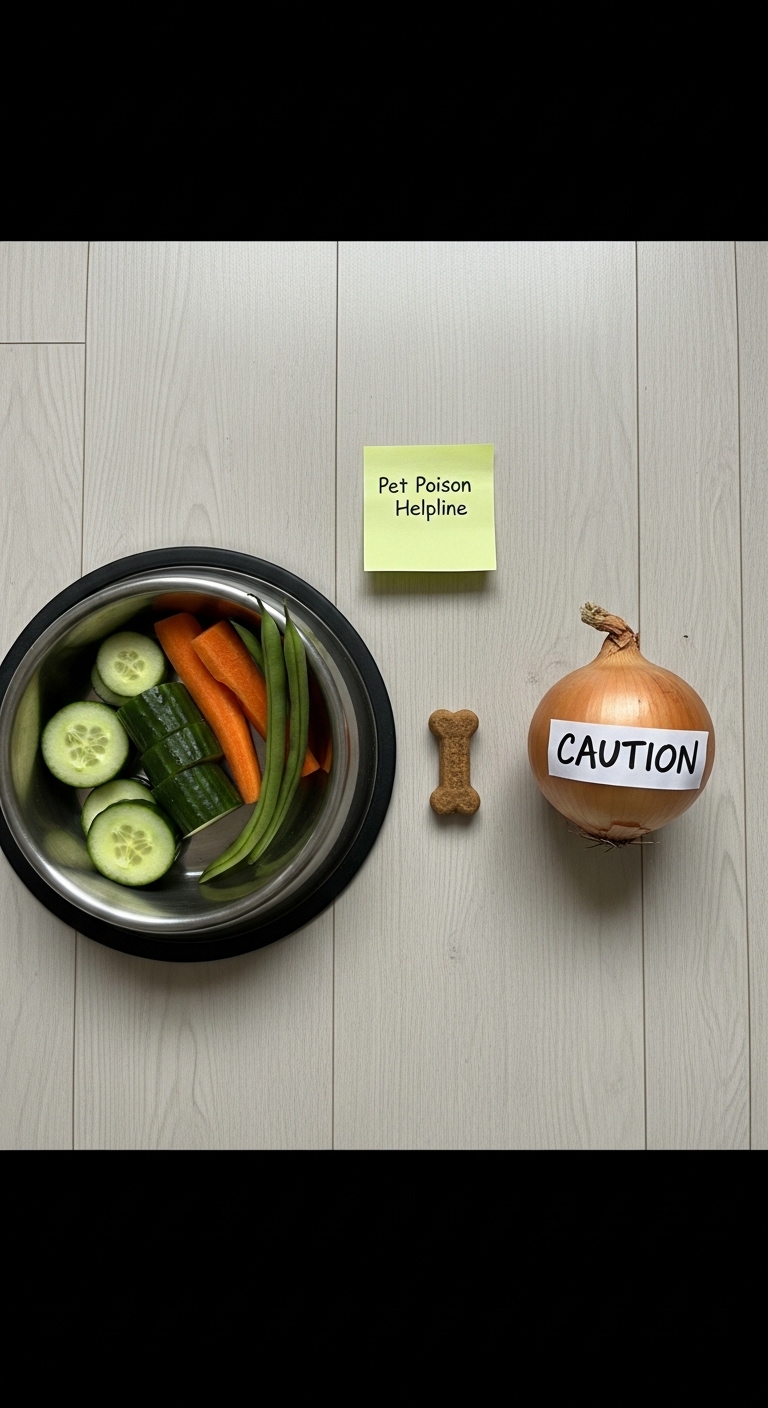
Contact your vet or an emergency pet poison hotline immediately. Do not induce vomiting unless instructed by a professional. Bring packaging or ingredient lists to help assess the risk.
- → Are there safe onion alternatives for dogs?
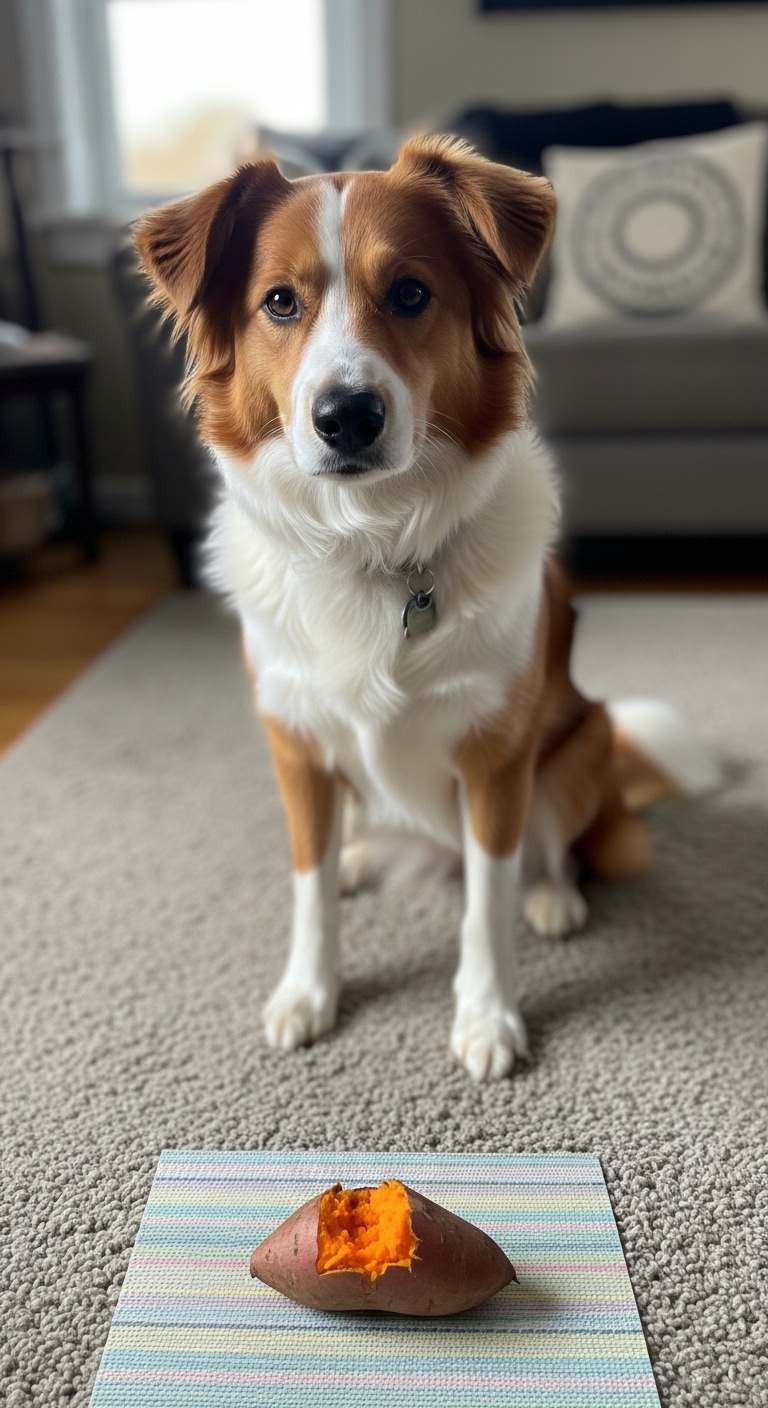
Yes! Safe options include carrots, green beans, sweet potatoes, or dog-safe herbs like parsley. Always introduce new foods gradually and in moderation.
- → Can onion powder harm dogs?
Yes. Onion powder is highly concentrated and poses an even greater risk than raw onions. It’s commonly found in seasonings, sauces, and processed foods—always check labels carefully.