Can dogs eat bananas? It’s a question many pet owners ask, especially when they’re enjoying this sweet, potassium-rich fruit themselves. Bananas are a common snack for humans, but can they safely be shared with our four-legged friends? The answer isn’t as simple as yes or no: it depends on how you introduce them and your dog’s individual health. Understanding the right way to offer bananas can make a difference in your pet’s diet, helping you avoid digestive issues while still giving them a tasty treat.
I remember the first time I gave my golden retriever a small piece of banana: his tail wagged like he’d won the lottery. But the next day, he had loose stools, which made me realize moderation is key. That experience taught me that even healthy foods need to be introduced carefully.
Key Things to Understand
- Bananas are safe for dogs in moderation: but should never replace their regular diet
- Too much banana can cause digestive upset: due to the high sugar and fiber content
- The peel is difficult to digest: and should always be removed before feeding
- Some dogs may be allergic: so introduce bananas slowly and watch for reactions
- Ripe bananas are easier to digest: than unripe ones, which are harder on the stomach
- Portion size matters: small dogs should get tiny pieces, while larger breeds can handle more
What to Look For
Watch your dog’s reaction the first few times they try banana. A small piece is enough to test tolerance. If they lick their lips, wag their tail, or seem eager for more, that’s a good sign they enjoy it. On the other hand, if they sniff it and walk away, don’t force it: some dogs simply aren’t interested in fruit. Pay attention to their stool after feeding banana. Loose or watery stools could mean they’ve had too much or that their system isn’t handling it well. If you notice vomiting or excessive gas, it’s best to avoid bananas in the future. Also, observe their energy levels. While bananas provide natural sugars, some dogs might get a temporary boost in energy, which could affect their sleep or behavior if given too close to bedtime.
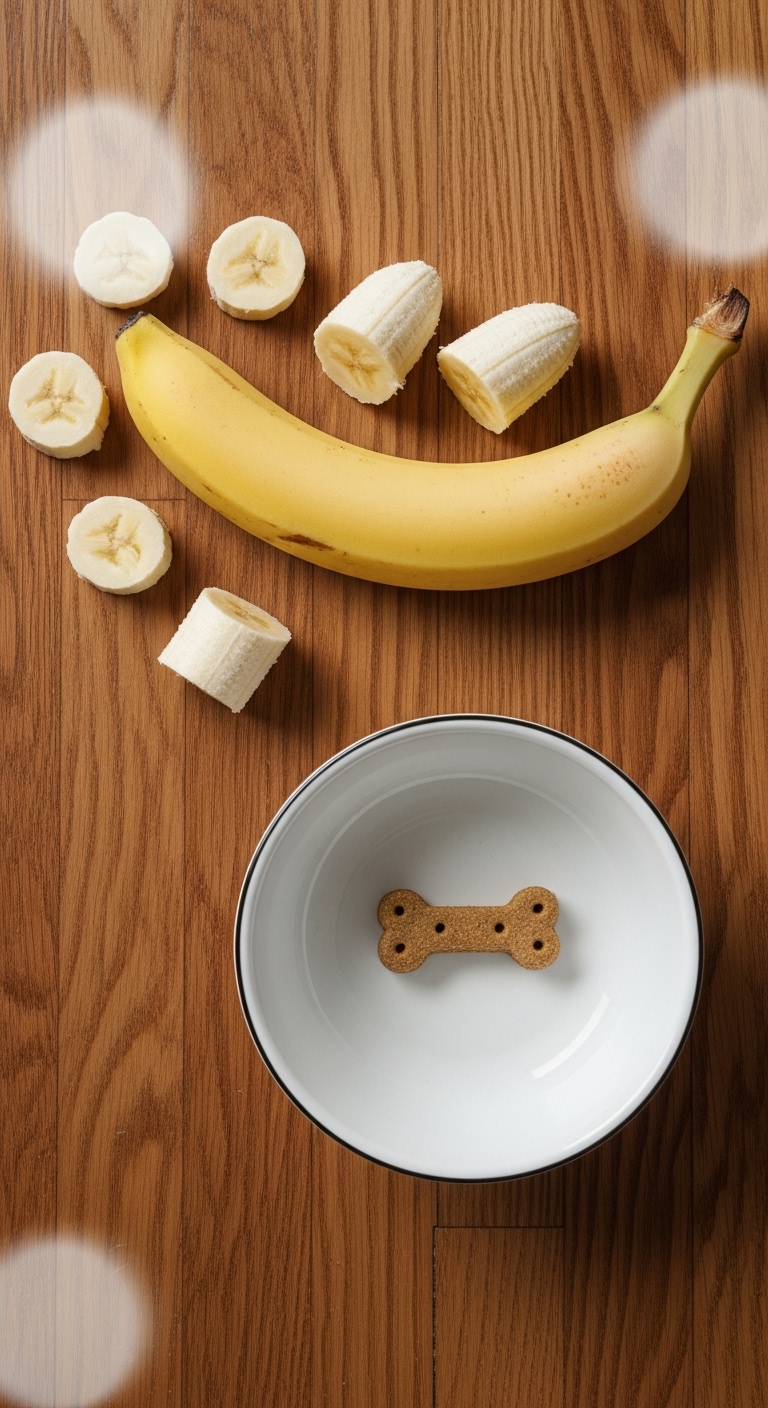
I once met a dog owner who gave their pup an entire banana every day, thinking it was a healthy treat. Within a week, the dog became lethargic and developed a dull coat. After switching to small, occasional pieces, the dog bounced back to normal. It’s a reminder that even good things can become problematic in excess. Another common mistake is assuming all fruits are safe: grapes, for example, are highly toxic to dogs, so always double-check before sharing human food.
Daily Care Habits
Bananas can be a great training reward because most dogs love the taste and smell. Keep small, bite-sized pieces in a treat pouch for quick access during walks or playtime. If your dog is on a diet, use banana slices sparingly: just a tiny piece can satisfy their craving without adding too many calories. For dogs who are picky eaters, mixing a small amount of mashed banana into their kibble can make mealtime more appealing. Just be sure to adjust their regular food portion to account for the extra calories from the banana.
Choosing the Right Product
When buying bananas for your dog, opt for organic if possible to avoid pesticide residue. Overripe bananas with brown spots are sweeter and easier to digest, but avoid those with mold, which can be dangerous. If you’re using banana as a food topper, freeze-dried banana chips can be a convenient option, but check the label for added sugars or preservatives. Fresh bananas are always the best choice, but if you’re traveling, banana-based dog treats can be a good alternative.
Safety and Comfort
Never feed your dog banana peels, as they’re tough to digest and can cause blockages. If your dog swallows a large piece of peel by accident, monitor them closely for signs of choking or intestinal distress. Bananas are acidic, so if your dog has a sensitive stomach, introduce them slowly and in very small amounts. Avoid giving bananas to dogs with kidney issues, as the high potassium content could be problematic. Always supervise your dog when introducing new foods to ensure they’re chewing properly and not gulping down large chunks.
Cleaning and Hygiene
After feeding your dog banana, wipe their face and paws to remove any sticky residue that might attract dirt or pests. If you’re using banana as a food mixer, clean your dog’s bowl thoroughly afterward to prevent bacterial growth. Store uneaten banana pieces in an airtight container in the fridge for up to three days, or freeze them for longer storage. When thawing frozen banana treats, let them sit at room temperature for a few minutes to avoid brain freeze or discomfort.
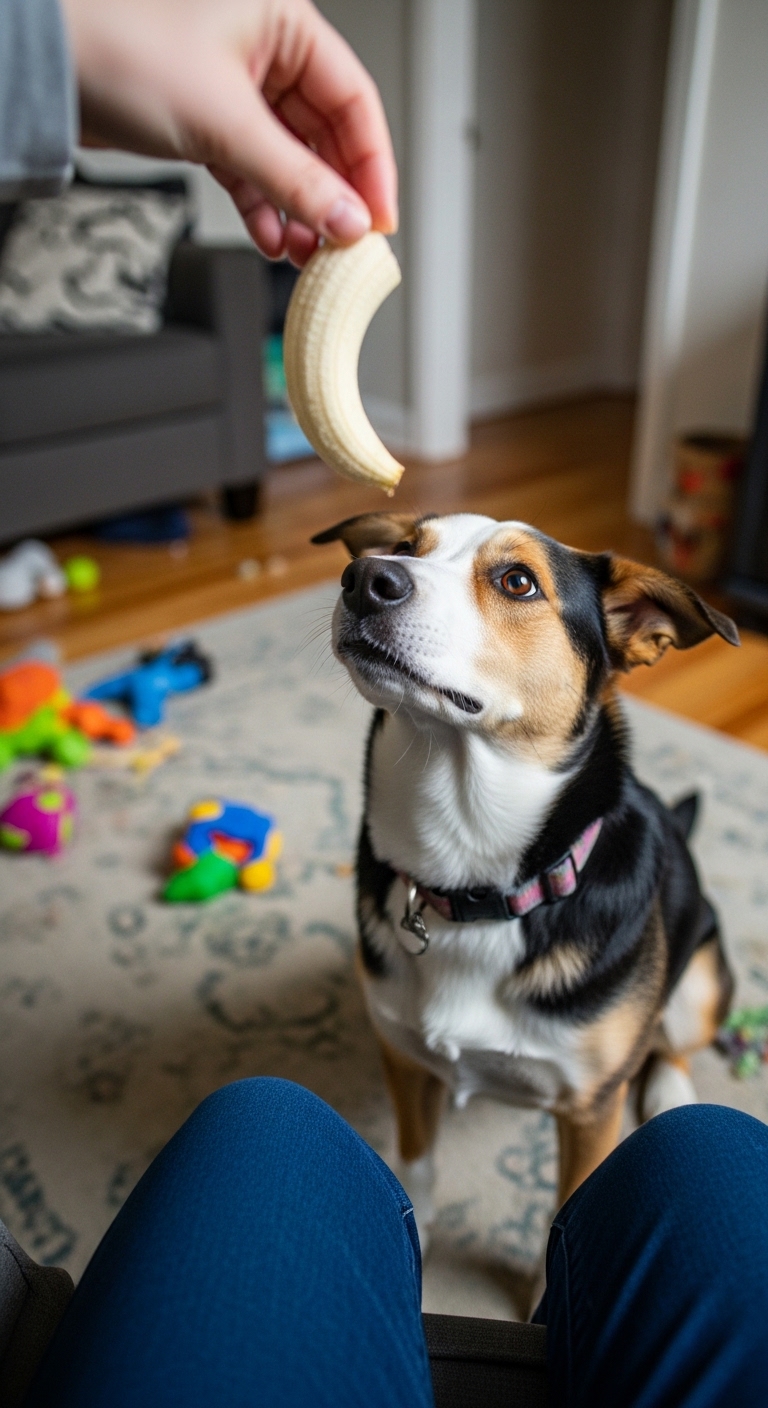
Bananas can be a fun and healthy addition to your dog’s diet when given responsibly. Always prioritize balance and moderation to keep your pet happy and healthy.
Frequently Asked Questions
- → Can dogs eat banana peels?
No, dogs should not eat banana peels. The peel is tough to digest and may cause intestinal blockages or stomach upset. Always remove the peel before offering banana to your dog.
- → How much banana can I give my dog?
Bananas should be given as an occasional treat, not a daily food. A good rule is to limit banana to no more than 10% of your dog's daily caloric intake. For small dogs, a few small pieces are enough, while larger dogs can have up to half a banana in one serving.
- → Are bananas good for dogs with diabetes?
Bananas are high in sugar, so they may not be suitable for dogs with diabetes. Always consult your veterinarian before introducing new foods to a dog with dietary restrictions or health conditions.
- → What are the benefits of bananas for dogs?
Bananas provide potassium, vitamin C, and fiber, which support heart health, immune function, and digestion. They also make a low-calorie, tasty treat that many dogs enjoy.
- → Can puppies eat bananas?
Yes, puppies can eat bananas in moderation. Ensure the pieces are small and easy to chew. Introduce new foods gradually to avoid digestive upset and monitor your puppy for any signs of allergies or sensitivity.
- → How should I prepare bananas for my dog?
Peel the banana and cut it into small, bite-sized pieces. You can serve it fresh, frozen as a cool treat, or mashed and mixed with your dog's regular food. Avoid adding any sweeteners or toppings that may be harmful.