 Pin
Pin
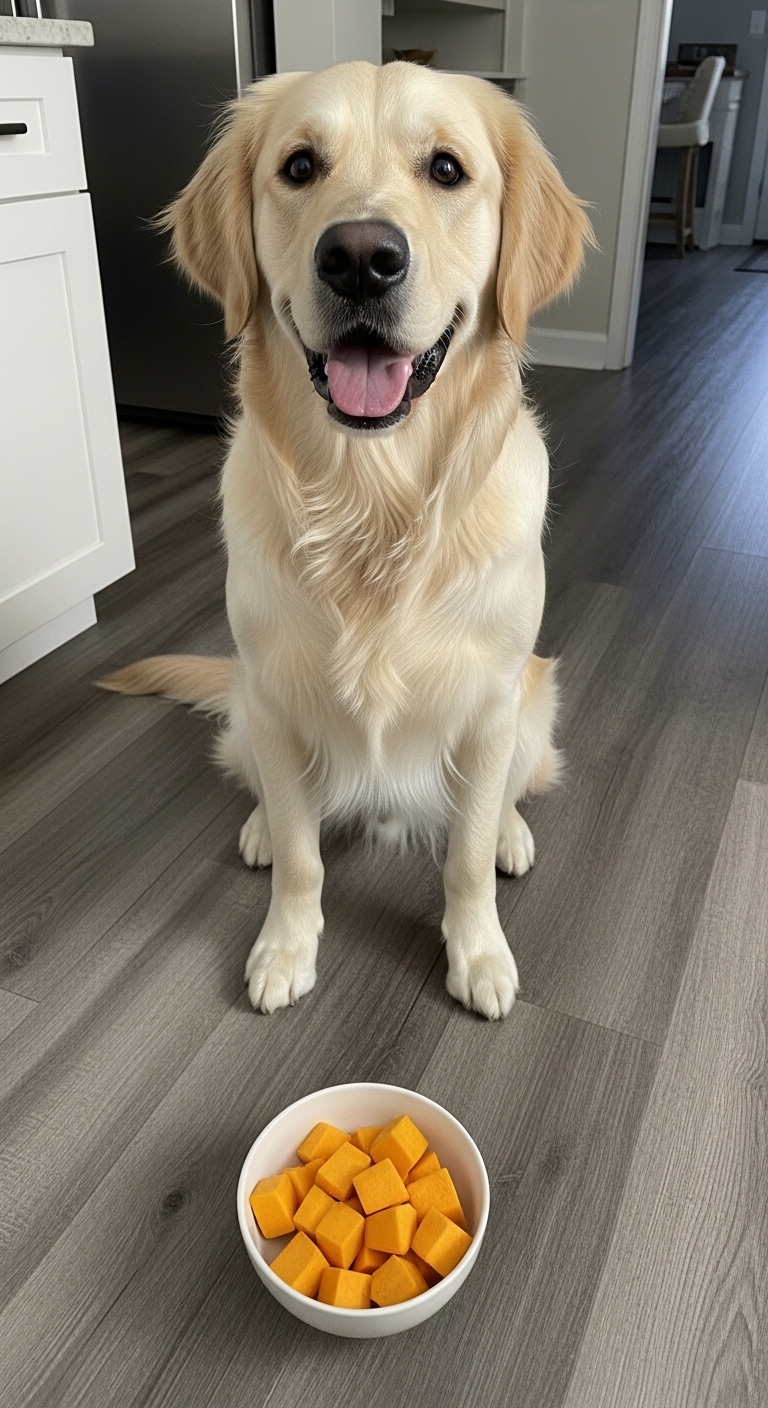
Butternut squash is a popular vegetable that often finds its way into our kitchens, and many dog owners wonder if it is safe to share with their furry friends. The good news is that butternut squash can be a healthy addition to your dog’s diet when prepared correctly. It is packed with nutrients like fiber, vitamins A and C, and potassium, which can support digestion, immune health, and overall well-being.
Adding small amounts of cooked butternut squash to your dog’s meals can be a great way to mix things up, but it is important to know the right way to serve it.
Key Things to Understand
- Butternut squash is non-toxic for dogs: and can be a healthy treat in moderation
- Always remove the skin and seeds: before feeding, as they can be hard to digest or pose a choking hazard
- Cook the squash plain: without added seasonings, oils, or butter, which can upset your dog’s stomach
- Start with small portions: to check for any digestive sensitivity or allergies
- Too much butternut squash: can cause stomach upset due to its high fiber content
What to Look For
When introducing butternut squash to your dog, observe their reaction after the first few bites. Look for signs of digestive comfort, such as normal stool and no vomiting or diarrhea. If your dog seems to enjoy it and shows no adverse effects, you can gradually increase the portion size. Always ensure the squash is soft and easy to chew, especially for smaller dogs or seniors. Avoid any squash that has been seasoned or cooked with ingredients like onions, garlic, or excessive salt, as these can be harmful.
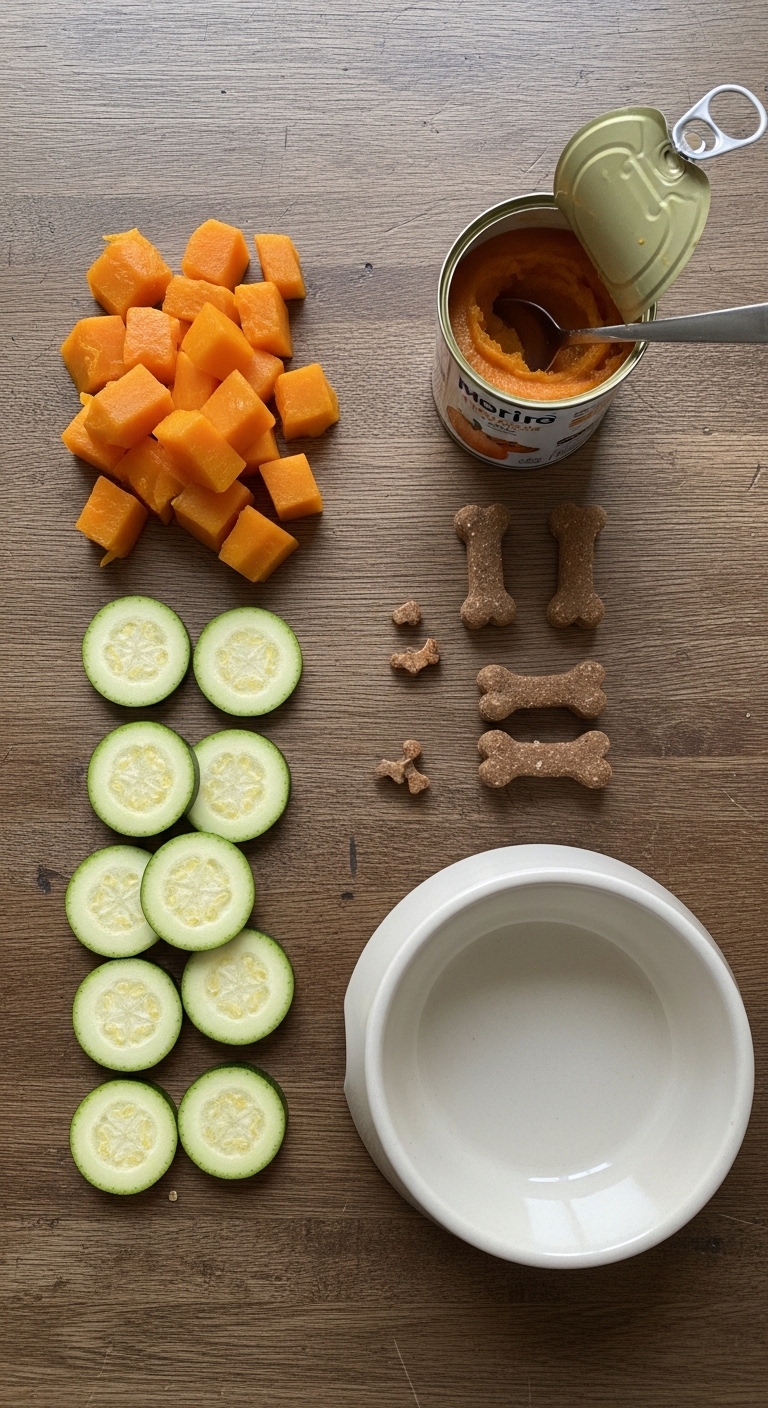
One common mistake is assuming that because a food is healthy for humans, it is automatically safe for dogs in any form. For example, raw butternut squash can be tough to digest, so cooking it until soft is essential. Also, while the flesh is safe, the seeds and skin should always be removed.
Daily care habits
Incorporating butternut squash into your dog’s routine can be as simple as mixing a spoonful into their regular food or offering it as a treat. If your dog enjoys it, you can use it as a low-calorie snack, especially for weight management. Just remember to keep portions small, no more than 10% of their daily caloric intake should come from treats or human foods.
Choosing the right product
If you are buying pre-packaged butternut squash, opt for plain, unsweetened versions without additives. Fresh squash is ideal, but frozen or canned (without added salt or sugar) can also work in a pinch. Always check the label for any harmful ingredients before sharing.
Safety and comfort
Butternut squash is generally safe, but some dogs may have sensitive stomachs. If you notice any signs of discomfort, such as gas, bloating, or changes in stool, discontinue feeding it and consult your vet. Also, avoid giving your dog the stringy pulp or any part of the squash that is tough to chew.
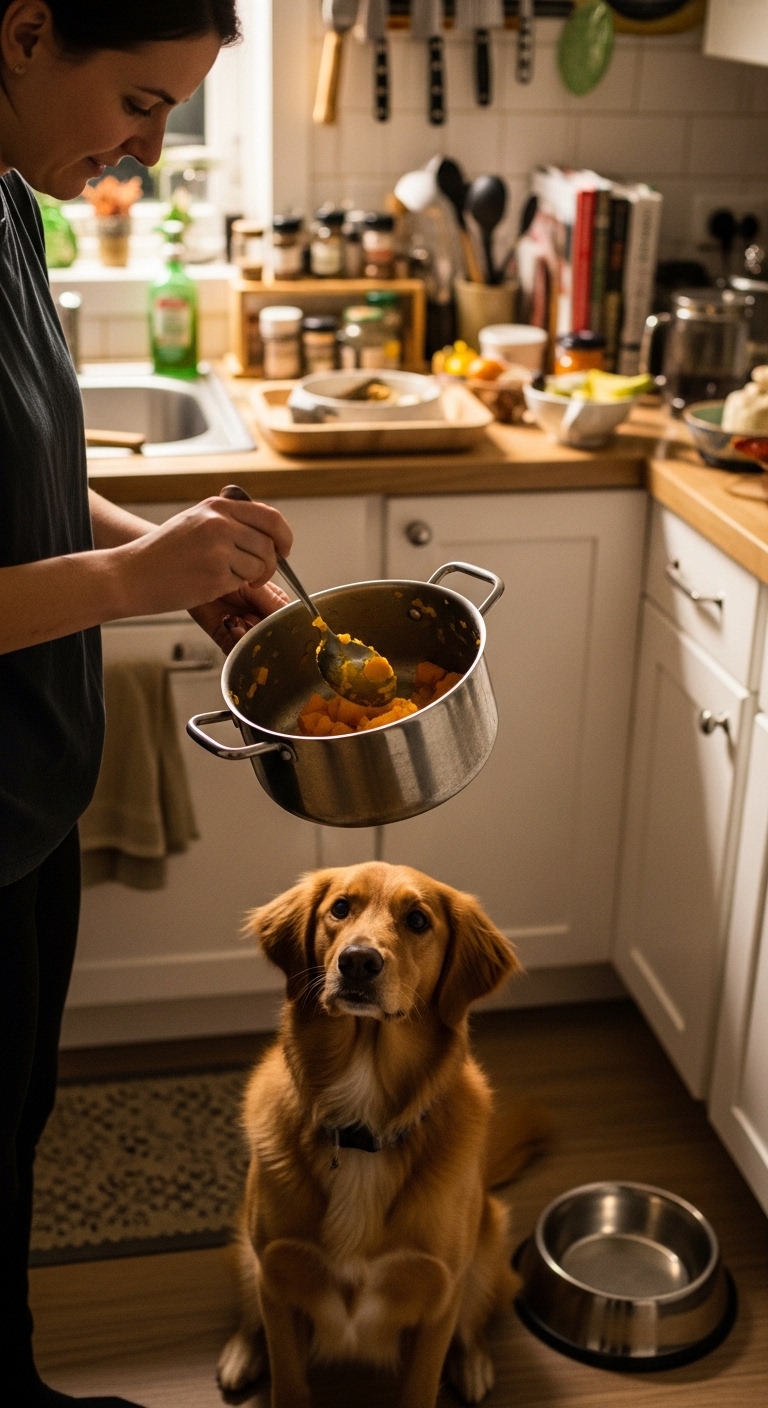
Butternut squash can be a nutritious and enjoyable addition to your dog’s diet when prepared and served correctly.
Frequently Asked Questions
- → Is butternut squash safe for all dogs?
Most dogs can eat butternut squash safely in moderation. However, dogs with diabetes, obesity, or specific allergies should avoid it or consult a vet first. Always introduce new foods slowly to check for adverse reactions.
- → How should I prepare butternut squash for my dog?
Cook the squash thoroughly by steaming, boiling, or baking without any seasoning, oil, or additives. Remove seeds and skin before serving. Avoid raw squash, as it’s hard to digest and may cause choking.
- → Can puppies eat butternut squash?
Yes, puppies can eat butternut squash in small, soft pieces. Ensure it’s cooked and mashed or finely chopped to prevent choking. Introduce it gradually as part of a balanced diet.
- → How much butternut squash can I give my dog?
Start with a teaspoon for small dogs and up to a tablespoon for larger breeds. Butternut squash should make up no more than 10% of your dog’s daily food intake to avoid digestive issues or excess sugar.
- → What are the benefits of butternut squash for dogs?
Butternut squash is high in fiber, which aids digestion, and contains vitamins A, C, and potassium for immune support and muscle health. Its low-calorie content makes it a great treat for weight management.
- → Can butternut squash upset my dog’s stomach?
Butternut squash is not toxic to dogs, but the seeds and skin can pose a choking hazard or cause intestinal blockages. Always remove them before serving.