Making your own dog shampoo is a way to give your pup a gentle, chemical-free clean tailored to their specific skin and coat needs. Store-bought shampoos often contain harsh ingredients that can irritate sensitive skin or strip away natural oils, leaving your dog itchy or uncomfortable. By creating a homemade version, you control exactly what goes on their fur, ensuring a soothing bath time that strengthens your bond while keeping their coat healthy and shiny.
I still remember the first time I made a homemade shampoo for my golden retriever after a bad reaction to a store-bought brand. The difference in her comfort and coat texture was noticeable within just a few baths.
Key Things to Understand
- A mild, pet-safe base: Castile soap or unscented baby shampoo works best as the foundation of homemade dog shampoo
- Oatmeal: A game-changer for dogs with itchy or dry skin because it calms irritation and moisturizes
- Coconut oil: Adds shine, helps with flea prevention, and keeps the skin hydrated
- Avoid essential oils: Tea tree or citrus can be toxic to dogs even in small amounts
- Patch test: Always do a patch test on a small area of your dog’s skin before full use to check for reactions
- Dilution: The shampoo should be diluted properly to prevent residue buildup or skin dryness
What to Look For
When choosing ingredients for your homemade dog shampoo, focus on items that serve a dual purpose, like oatmeal, which both cleanses and soothes. Look for finely ground oatmeal to avoid clumping in the fur, and opt for organic options when possible to minimize additives. For dogs with sensitive skin, coconut oil is a great addition because it’s naturally anti-inflammatory and helps repair the skin barrier. If your dog has a strong odor, consider adding a small amount of apple cider vinegar to the mix, but always dilute it well to avoid irritation. Pay attention to how your dog reacts during the first bath with the new shampoo; excessive scratching or redness means it’s time to switch formulas. Also, check the consistency of the shampoo: it should be thick enough to cling to the fur but not so heavy that it’s hard to rinse out.
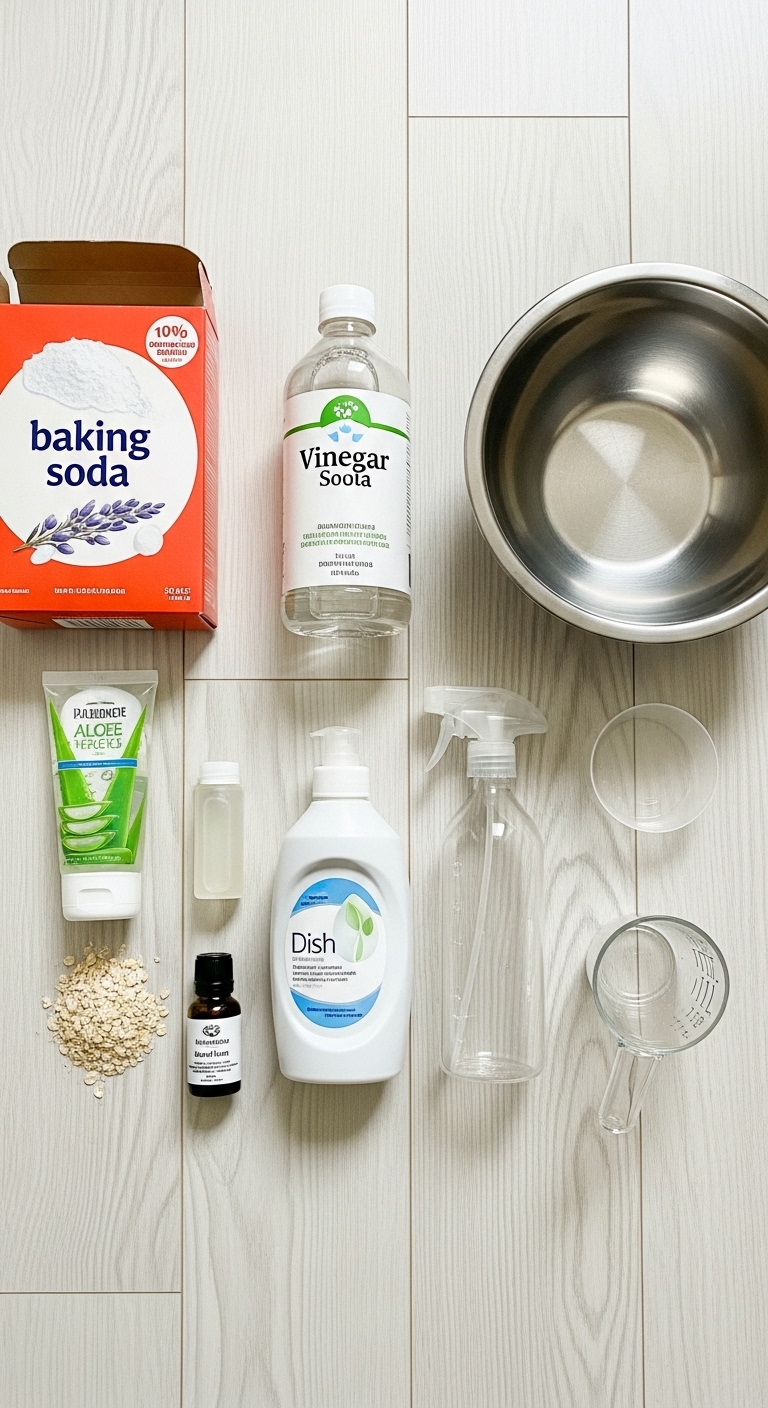
I once made the mistake of using too much baking soda in a shampoo batch, thinking it would help deodorize. The result was a stiff, crumbly mess that took forever to rinse out: lesson learned! Also, if your dog has white fur, a tiny bit of turmeric can add a brightening effect, but use it sparingly to avoid staining.
Daily Care Habits
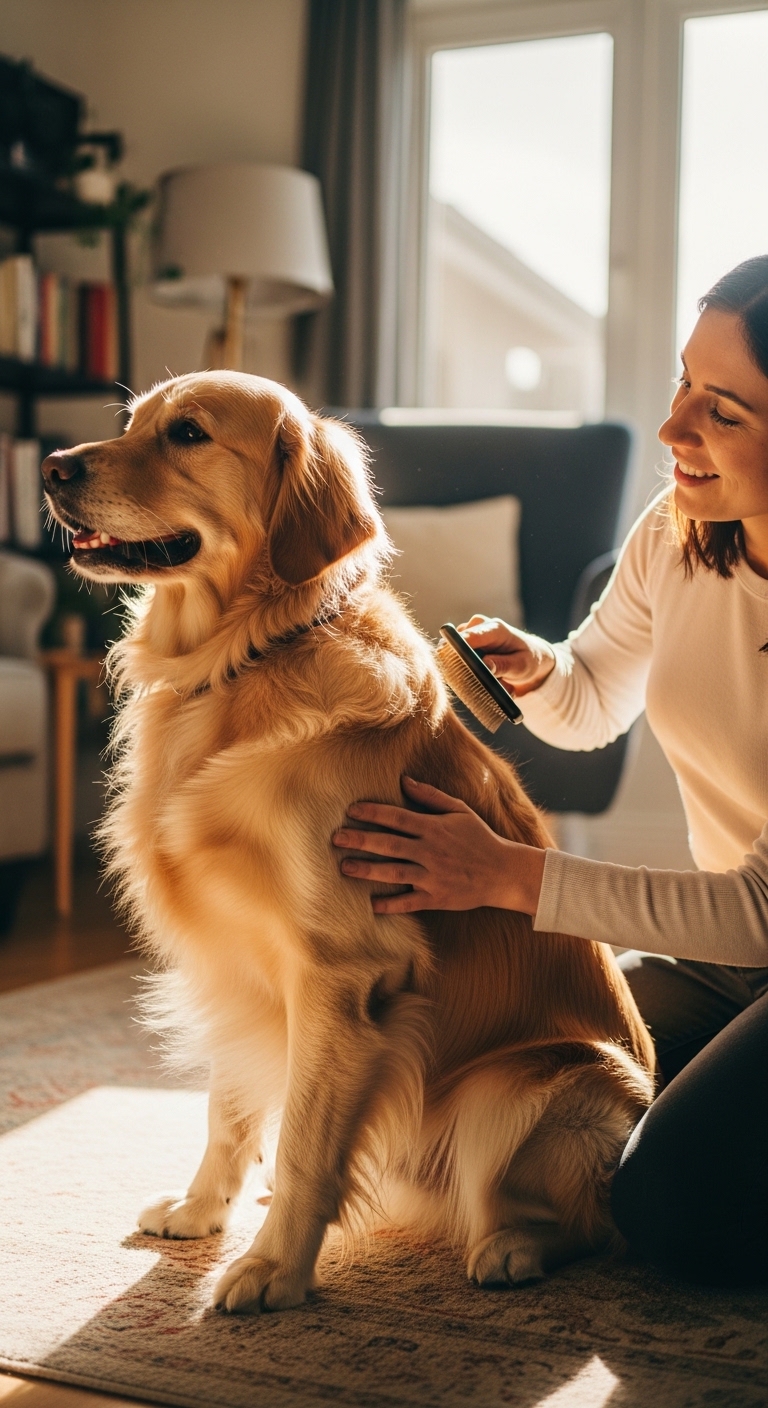
Incorporate homemade shampoo into your dog’s routine every 4 to 6 weeks, or more often if they love rolling in mud. Always brush your dog thoroughly before bathing to remove loose fur and tangles, which helps the shampoo work more effectively. After the bath, towel-dry them gently and consider using a blow dryer on a low, cool setting if your dog tolerates it: just keep it at a safe distance to avoid overheating.
Choosing the Right Product
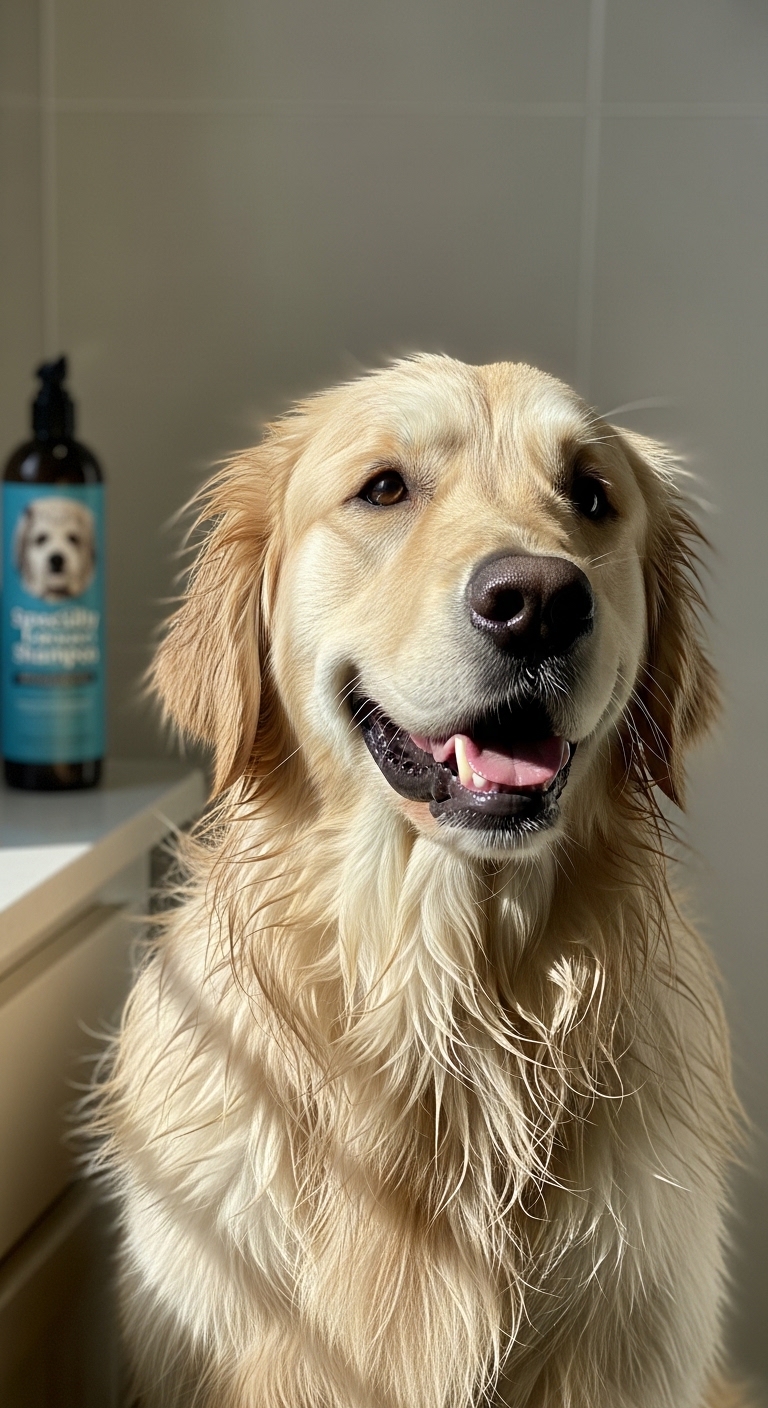
If you’re not up for making shampoo from scratch, look for natural, fragrance-free options with simple ingredient lists. Avoid products with sodium lauryl sulfate (SLS) or artificial dyes, as these can be harsh on sensitive skin. Brands that highlight oatmeal, aloe vera, or coconut oil as key ingredients are usually a safer bet.
Safety and Comfort
Always use lukewarm water for baths to prevent shocking your dog’s system or causing discomfort. Test the water temperature on your wrist first: it should feel warm, not hot. Keep the bath area free of drafts, and have towels ready to wrap your dog in immediately after rinsing to prevent chilling.
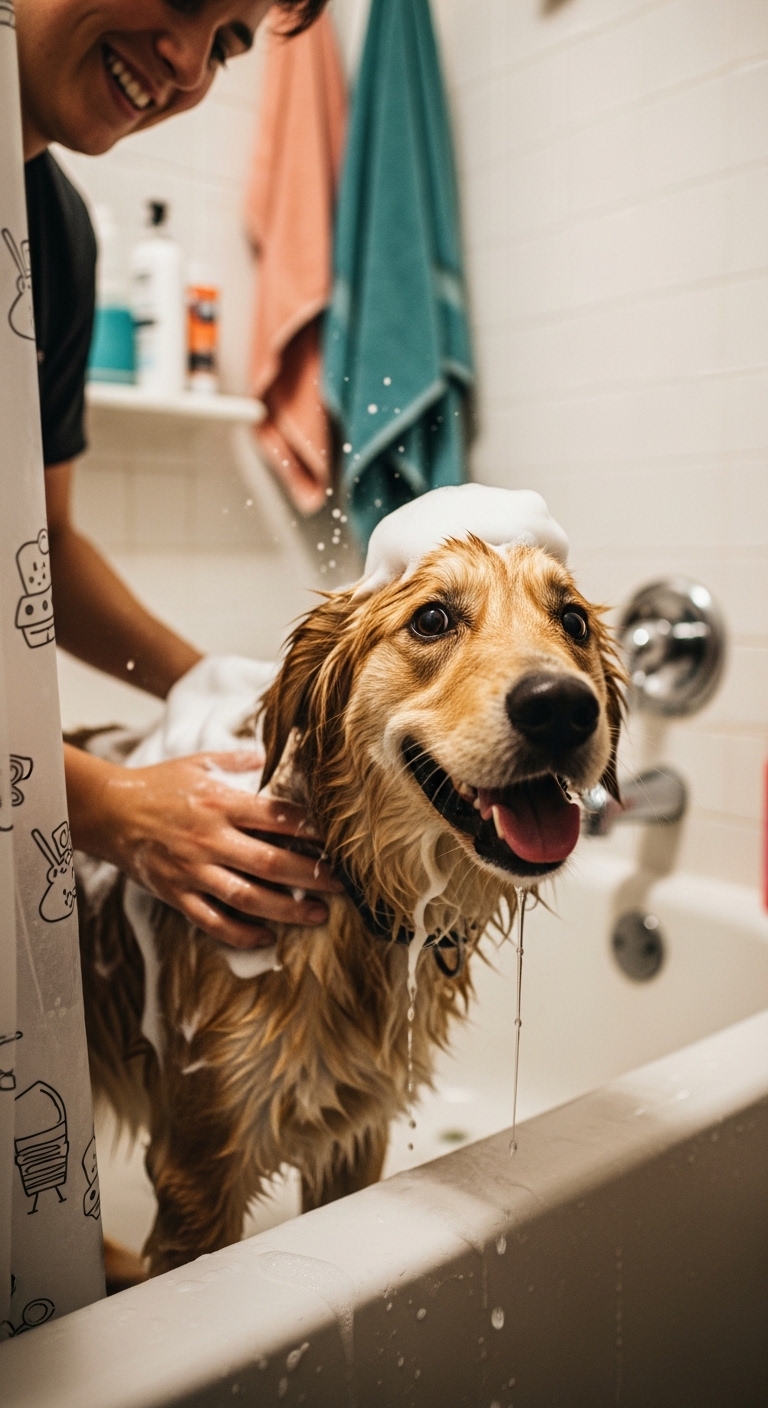
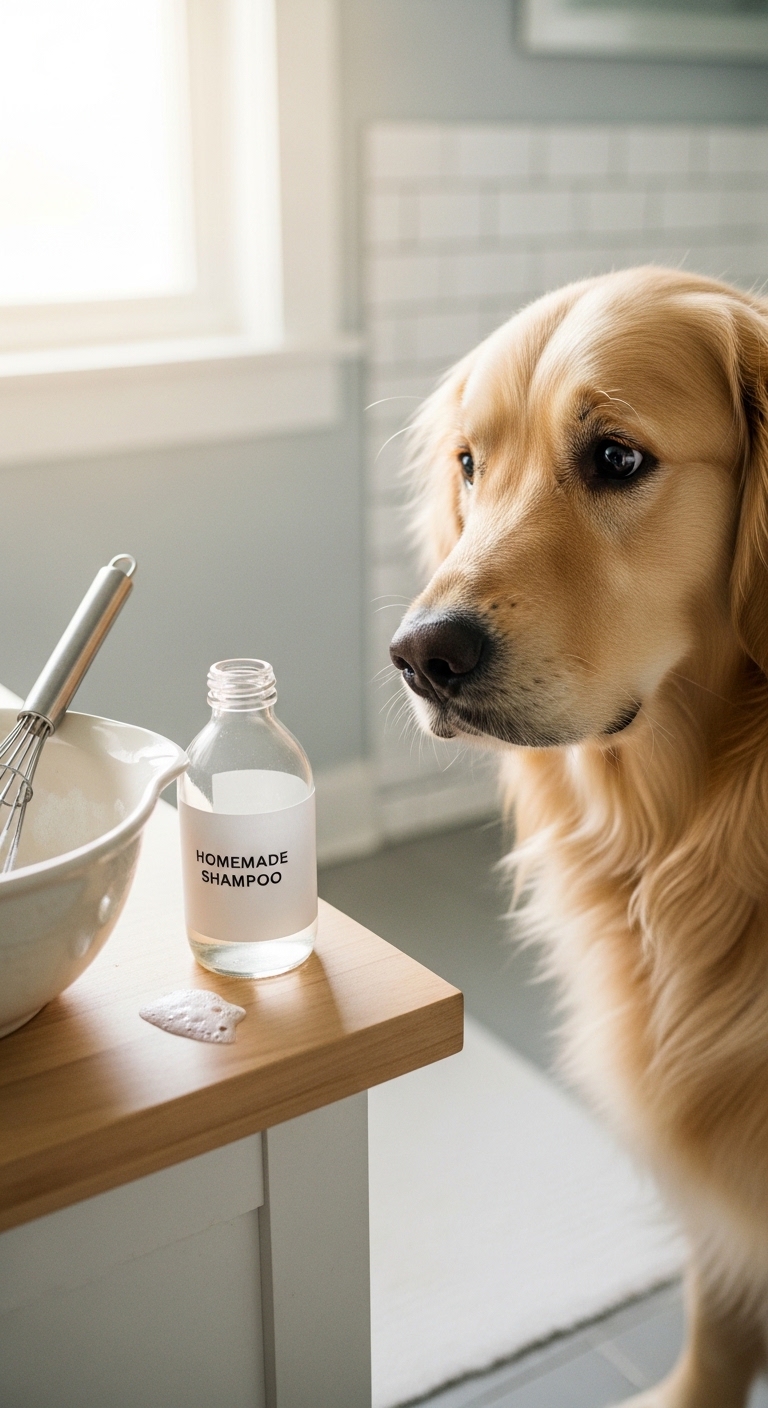
The best part of making your own dog shampoo is seeing how much your dog enjoys the process. Mine always tilts her head when I mix the ingredients, like she knows something good is coming.
Frequently Asked Questions
- → What are the best ingredients for homemade dog shampoo?
Safe and effective ingredients include oatmeal (soothes skin), coconut oil (moisturizes), apple cider vinegar (balances pH), and baking soda (deodorizes). Avoid essential oils like tea tree or citrus, as they can be toxic to dogs.
- → How do I make a simple oatmeal shampoo for my dog?
Blend 1 cup of oatmeal with 2 cups of warm water, strain the mixture, and mix in 1 tablespoon of coconut oil. Apply gently, massage into the coat, and rinse thoroughly.
- → Can homemade dog shampoo help with skin allergies?
Yes! Oatmeal and coconut oil can reduce itching and inflammation, while apple cider vinegar helps restore skin pH. Always consult your vet before using new remedies for allergic dogs.
- → How long does homemade dog shampoo last?
Most homemade shampoos last 5–7 days when stored in the fridge. For longer shelf life, add a natural preservative like vitamin E oil or store in small batches.
- → Is baking soda safe for dogs in shampoo?
Yes, in small amounts. Baking soda helps neutralize odors and deodorize the coat. However, avoid using it too frequently, as it can dry out the skin. Always rinse thoroughly after use.
- → What should I avoid in homemade dog shampoo?
Avoid ingredients like dish soap, human shampoo, tea tree oil, citrus oils, and artificial fragrances. These can irritate or harm your dog’s skin and coat.