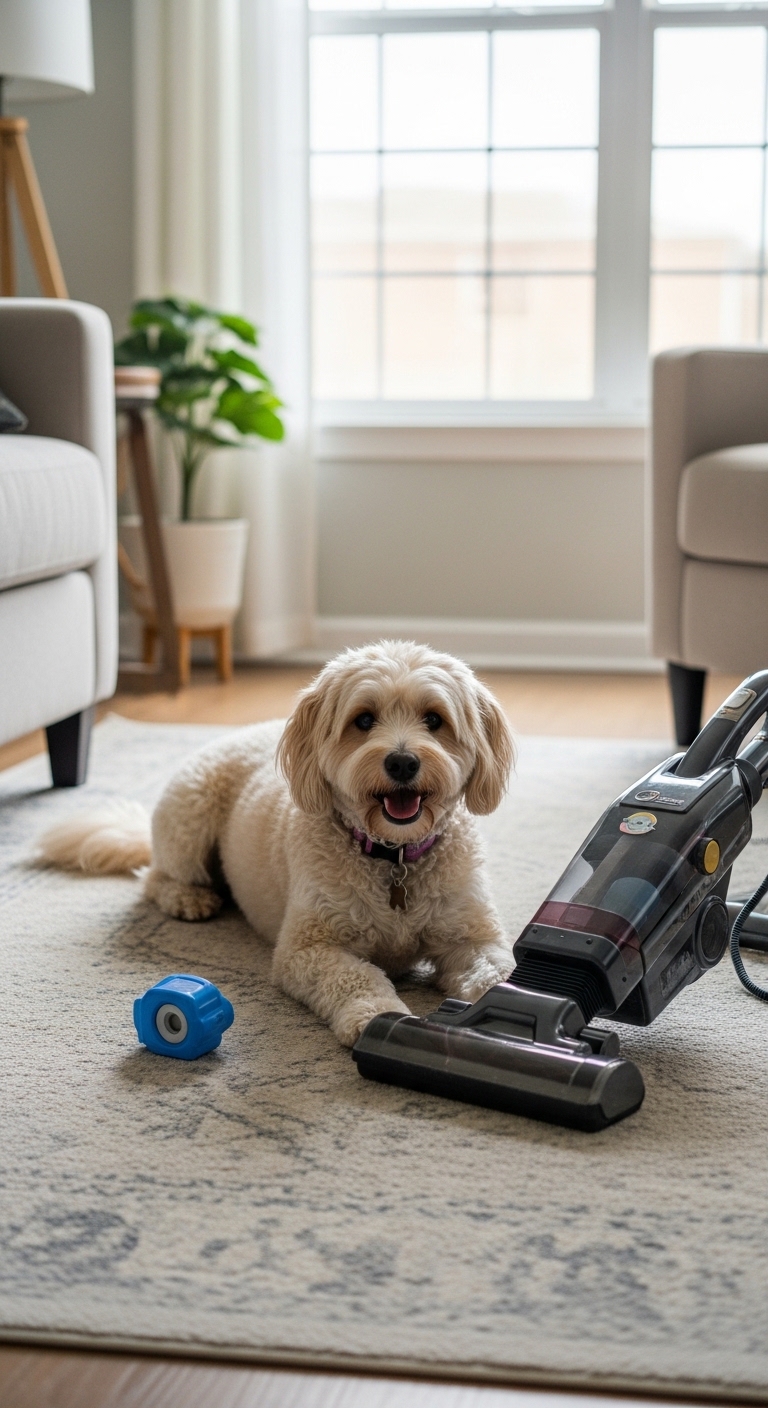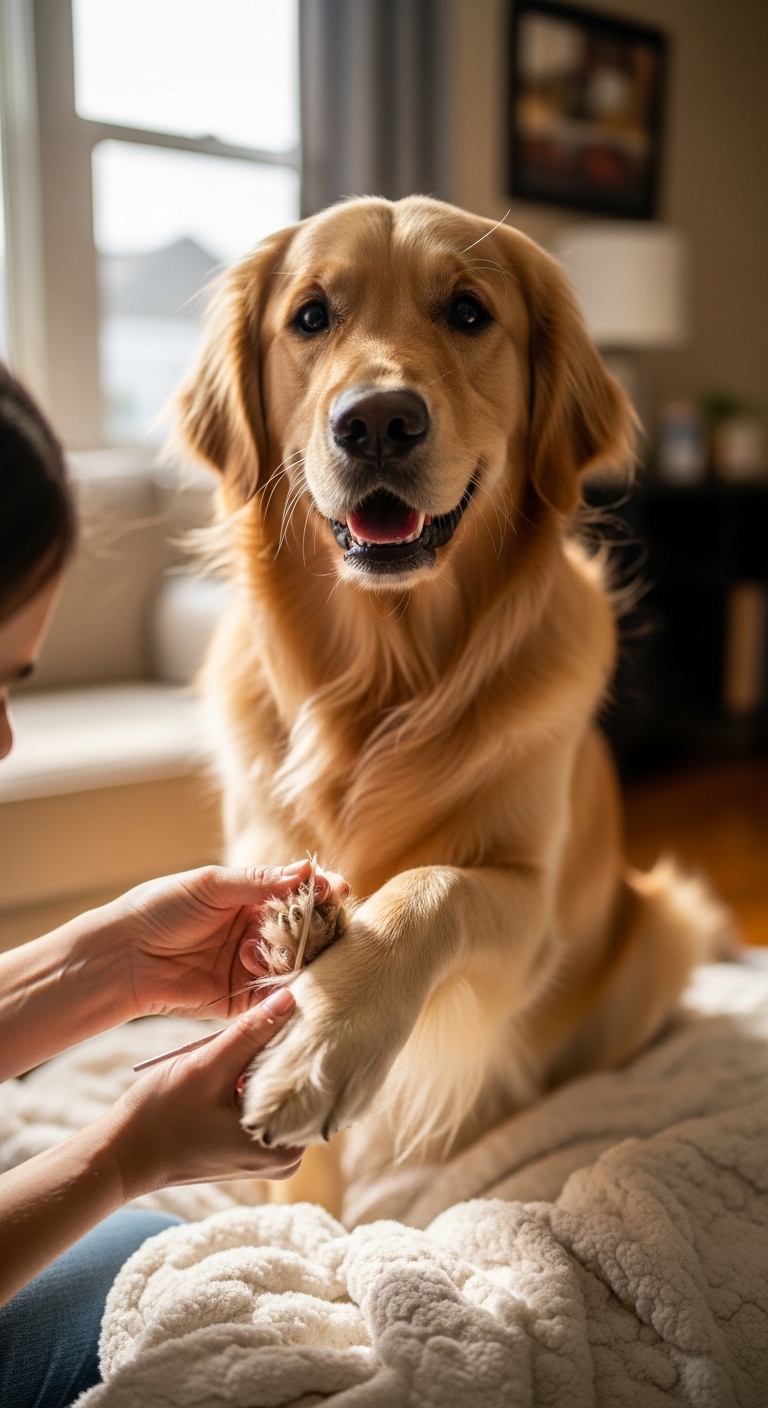
Brushing your dog isn’t just about keeping their coat looking shiny: it’s a chance to check their skin, bond with them, and even spot potential health issues early. Many pet owners skip brushing because they don’t realize how much it actually helps, from reducing shedding around the house to preventing painful mats that can pull on their skin. A quick daily brush can save you from vacuuming up fur every other day and keep your dog feeling comfortable, especially if they have long or thick fur.
I’ve noticed that dogs who get brushed regularly tend to stay calmer during grooming sessions because they’re used to the sensation. It’s like how we feel when someone gives us a good back scratch: familiar and soothing.
Key Things to Understand
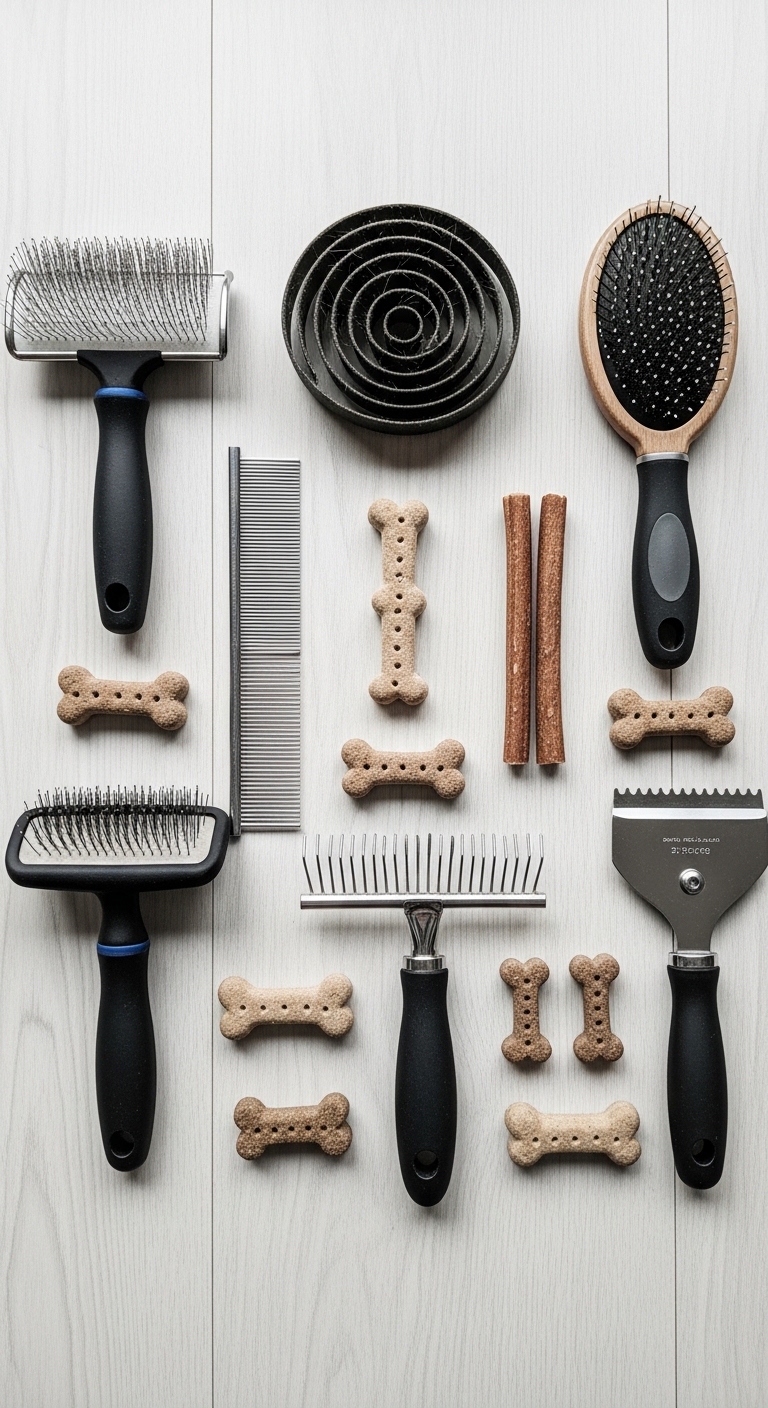
- A soft-bristle brush works best for short-haired dogs: like Beagles or Labradors because it removes loose fur without irritating their skin
- Long-haired breeds need a slicker brush: such as Collies or Golden Retrievers to prevent painful tangles and mats
- Brush in the direction of hair growth first: then gently go against it to remove loose undercoat
- Check for lumps, bumps, or redness: these could signal infections, allergies, or even early signs of skin cancer
- Use a fine-tooth comb after brushing: to make sure no small mats are hiding near the skin
- Never pull hard on a tangle: hold the base of the mat and work it out slowly to avoid hurting your dog
What to Look For
Watch how your dog reacts during brushing. If they flinch, pull away, or seem unusually sensitive in certain spots, it could mean they have a sore or an underlying issue that needs attention. Pay attention to their coat texture too: dry, flaky skin might suggest a need for a different shampoo or dietary changes. For dogs with double coats, like Huskies, focus on the undercoat during shedding season, as that’s where most of the loose fur hides. If you notice your dog scratching more than usual after brushing, it might be a sign the brush is too harsh or that they’re developing an allergy to something in their environment.
I’ve seen dogs who hated brushing turn into cooperative partners once their owners switched to a gentler brush and made it part of a routine they associate with good things. It’s amazing how much difference a little patience and the right tool can make.
Daily care habits
Make brushing part of your morning or evening routine, just like feeding or walking. Dogs thrive on consistency, and a set schedule helps them relax into the process. If your dog has a thick coat, consider using a de-shedding tool once a week to keep fur under control. For short-haired dogs, a rubber grooming glove can be a quick way to remove loose fur while petting them.
Choosing the right product
The best brush depends on your dog’s coat. A pin brush works well for silky coats like those on Cocker Spaniels, while a rake-style brush is ideal for double-coated breeds like German Shepherds. If you’re unsure, ask your groomer or vet for recommendations: they’ve seen what works for different breeds firsthand.
Safety and comfort
Never brush a wet coat, as this can cause breakage and discomfort. If your dog’s fur is tangled, spray a little detangling spray or use a light conditioner before brushing. Always brush gently around sensitive areas like the belly, armpits, and behind the ears, where skin is thinner and more prone to irritation.
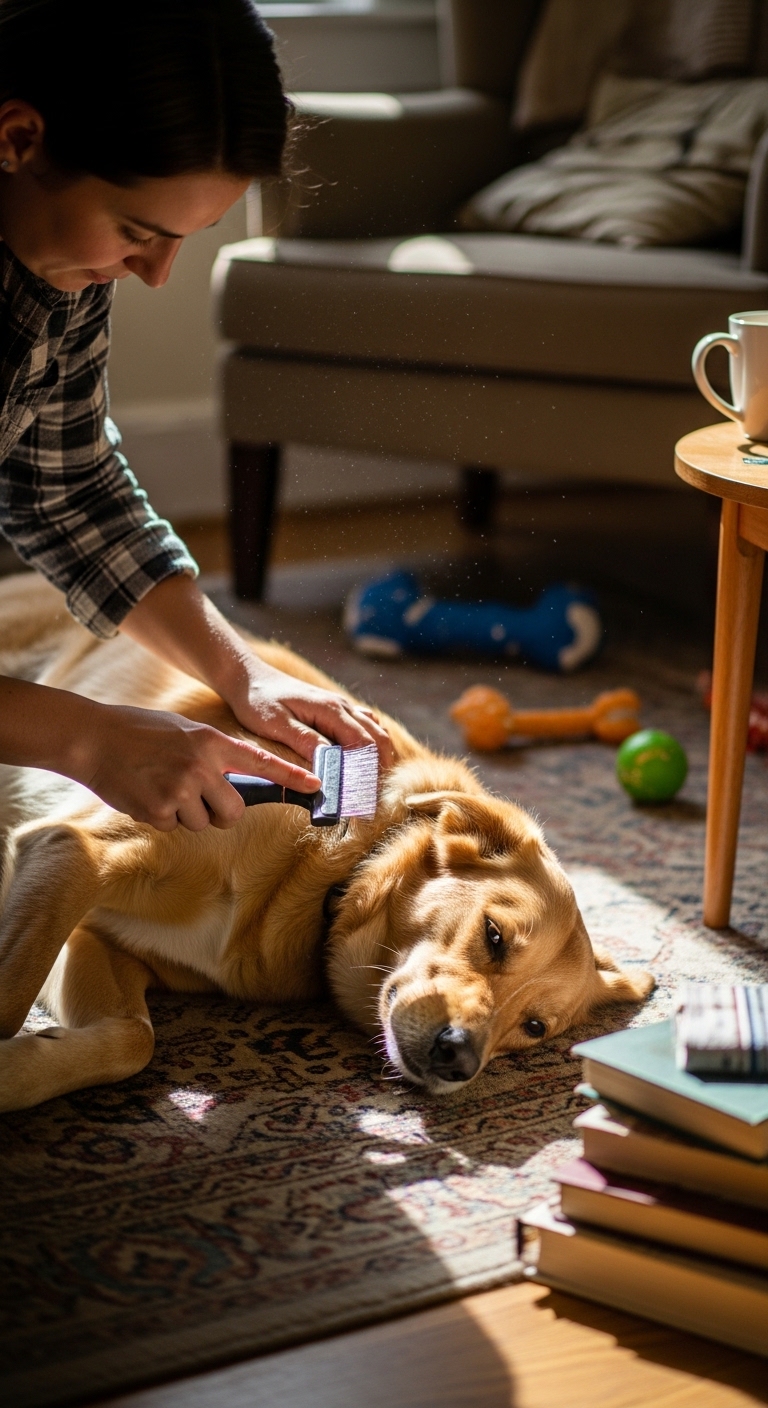
A well-brushed dog isn’t just a pretty sight: it’s a happy, healthy one. The few minutes you spend each day can prevent weeks of discomfort for your pet and save you from dealing with fur-covered furniture and mysterious tangles.
Frequently Asked Questions
- → How often should I brush my dog?
Brushing frequency depends on your dog’s coat type and shedding level. Long-haired breeds like Golden Retrievers or Collies may need daily brushing to prevent mats, while short-haired breeds like Beagles or Labradors can often be brushed 2-3 times a week. Shedding seasons (spring and fall) may require more frequent brushing to manage excess fur.
- → What type of brush is best for my dog’s coat?
Use a slicker brush for long or curly coats to remove tangles and loose fur. A rubber curry brush works well for short coats, while a deshedding tool is ideal for breeds that shed heavily, like German Shepherds. Always choose a brush with soft bristles if your dog has sensitive skin.
- → Can brushing help reduce my dog’s shedding?
Yes! Regular brushing removes loose fur before it ends up on your furniture or clothes. It also stimulates the skin and distributes natural oils, which can reduce excessive shedding over time. Pair brushing with a high-quality diet for even better results.
- → What’s the best way to brush a dog that hates grooming?
Start slowly and use positive reinforcement like treats and praise. Begin with short sessions and gradually increase the time as your dog becomes more comfortable. Consider using a grooming glove for a gentler touch or break the session into smaller parts to avoid overwhelming them.
- → Should I brush my dog before or after bath time?
Brush your dog before bathing to remove loose fur and tangles, which makes the bath more effective. After bathing, brush again once their coat is dry to prevent mats from forming as the fur dries. This also helps distribute conditioner evenly if you’re using one.
- → How do I brush a dog with sensitive skin?
Opt for a soft-bristled brush or a grooming glove to minimize irritation. Brush gently in the direction of hair growth, avoiding excessive pressure. If your dog has skin conditions like allergies or hot spots, consult your vet before using any grooming tools.