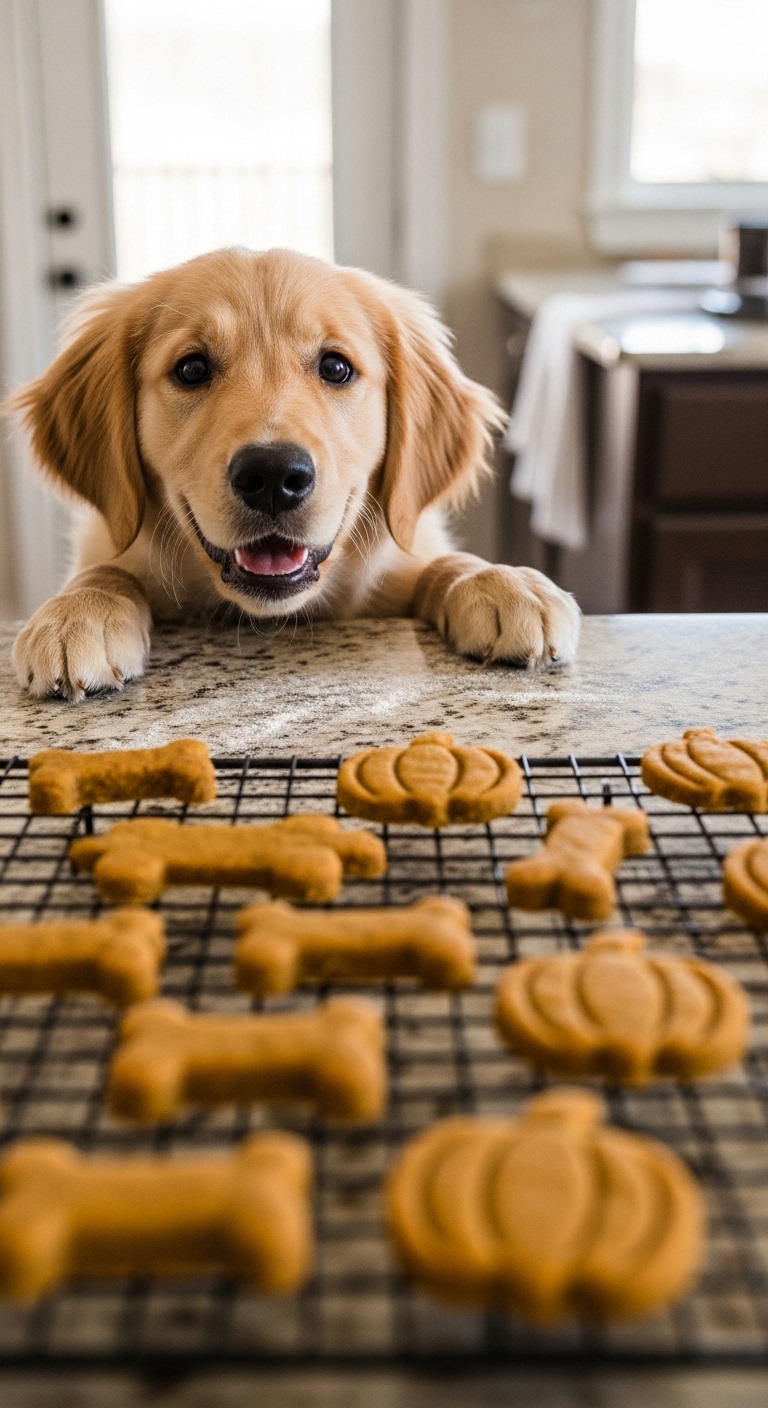
Homemade dog meals can feel like a game-changer when you're tired of guessing if your pup is really getting the nutrients they need from store-bought kibble. So many owners worry about fillers, preservatives, or just the quality of ingredients slipping through the cracks. Cooking for your dog at home lets you control exactly what goes into their bowl, which can make a real difference in their energy levels, coat shine, and even their long-term health.
I remember when my own dog started refusing his usual kibble: turns out he was just bored with the same flavors. Switching to homemade meals not only fixed his picky eating but also gave me peace of mind about what he was actually eating.
Key Things to Understand
- Nutritional balance: Homemade meals aren’t automatically healthier just because they’re made at home. Without the right balance of proteins, fats, and carbs, your dog could end up malnourished over time. That’s why it’s important to follow recipes designed specifically for canine nutrition.
- Calcium requirements: Calcium is often overlooked in home cooking but is crucial for strong bones and teeth. Many homemade recipes miss this, which can lead to serious health issues down the line.
- Portion control: Portion sizes matter just as much as ingredients. Overfeeding or underfeeding can cause weight problems or deficiencies, so always measure carefully based on your dog’s size and activity level.
- Toxic ingredients: Some human foods are toxic to dogs, like onions, garlic, grapes, and chocolate. Even small amounts can be dangerous, so double-check every ingredient before adding it to the meal.
What to Look For
When you’re preparing homemade meals, pay attention to how your dog reacts after eating. A sudden change in energy, digestive issues, or skin problems could mean the recipe isn’t quite right for them. Keep a food diary to track what they eat and how they respond: it makes troubleshooting much easier.
Look for signs that your dog is thriving on the new diet. A shiny coat, healthy weight, and consistent energy levels are all good indicators that the meals are working. If you notice lethargy, vomiting, or diarrhea, it’s time to reassess the ingredients or portion sizes.
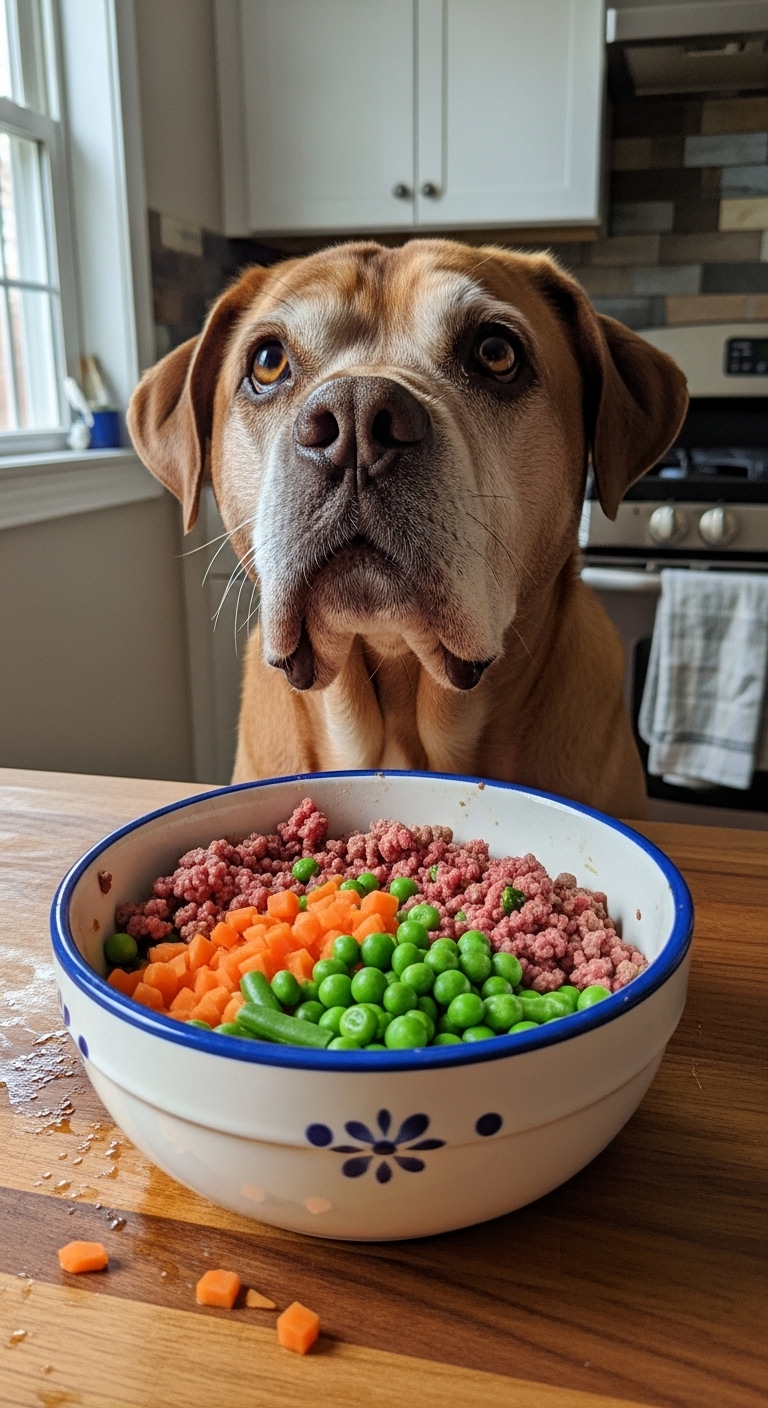
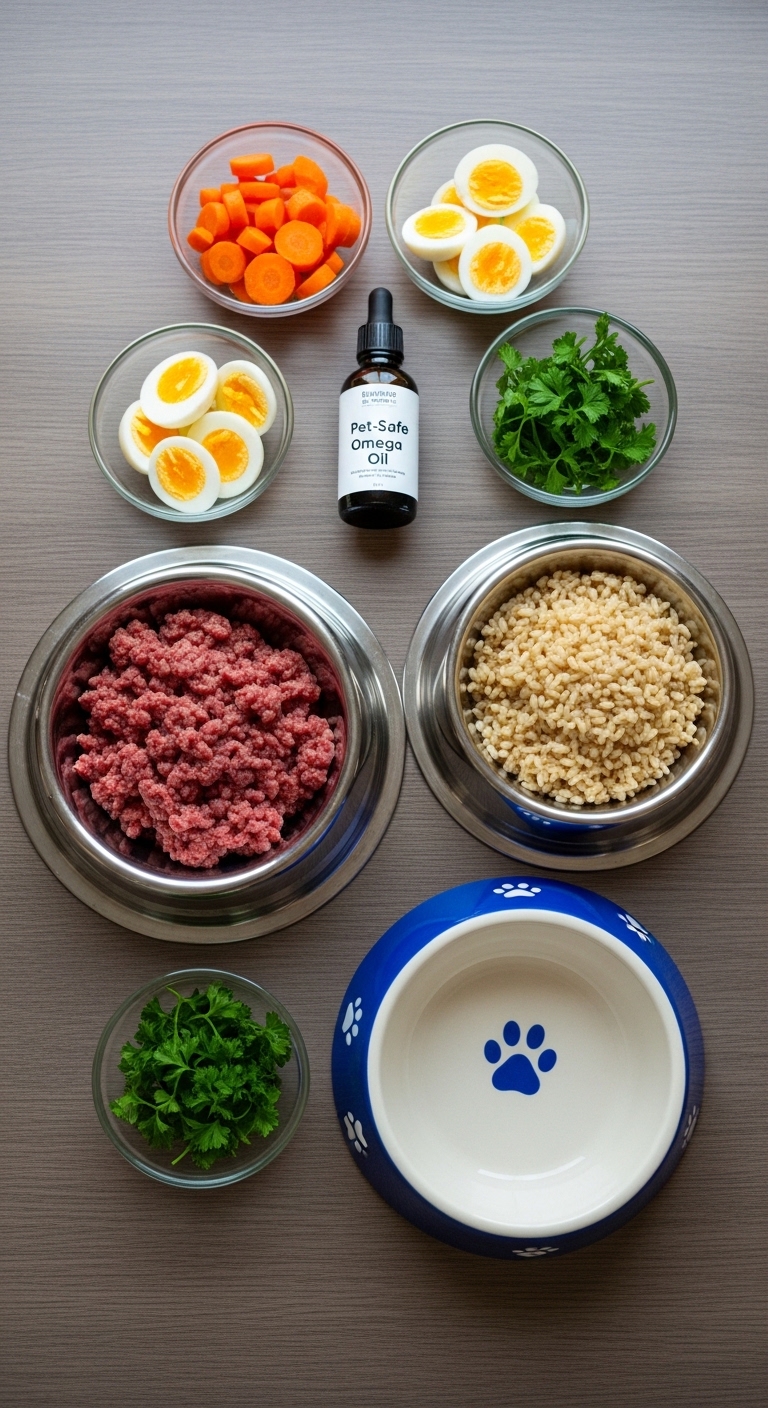
Check the quality of the ingredients you’re using. Fresh, lean proteins like chicken breast or ground turkey are great choices, but avoid fatty cuts or seasoned meats that could upset your dog’s stomach. Whole grains like brown rice or oats can add fiber, while vegetables like carrots or green beans provide vitamins without too many calories.
I once met a dog owner who switched to homemade meals without realizing her pup needed extra calcium. By the time she noticed his bones were weakening, it took months of vet visits to correct the imbalance. A little research upfront could have saved her a lot of stress.
Transitioning to Homemade Meals
If your dog has never eaten homemade food before, introduce it slowly by mixing small amounts into their regular meals. This helps their digestive system adjust without causing upset. Over time, you can increase the portion size as their body adapts.
Meal Preparation and Storage
Preparing meals in bulk saves time and ensures consistency. Use airtight containers to store portions in the refrigerator for up to 3 days or freeze them for longer storage. Label each container with the date and ingredients to keep track of freshness and avoid confusion.
Variety and Rotation
Rotating proteins and vegetables every few weeks prevents nutritional gaps and keeps meals exciting for your dog. For example, alternate between chicken, beef, and fish as protein sources, and mix vegetables like sweet potatoes, spinach, and pumpkin to provide a range of vitamins and minerals.
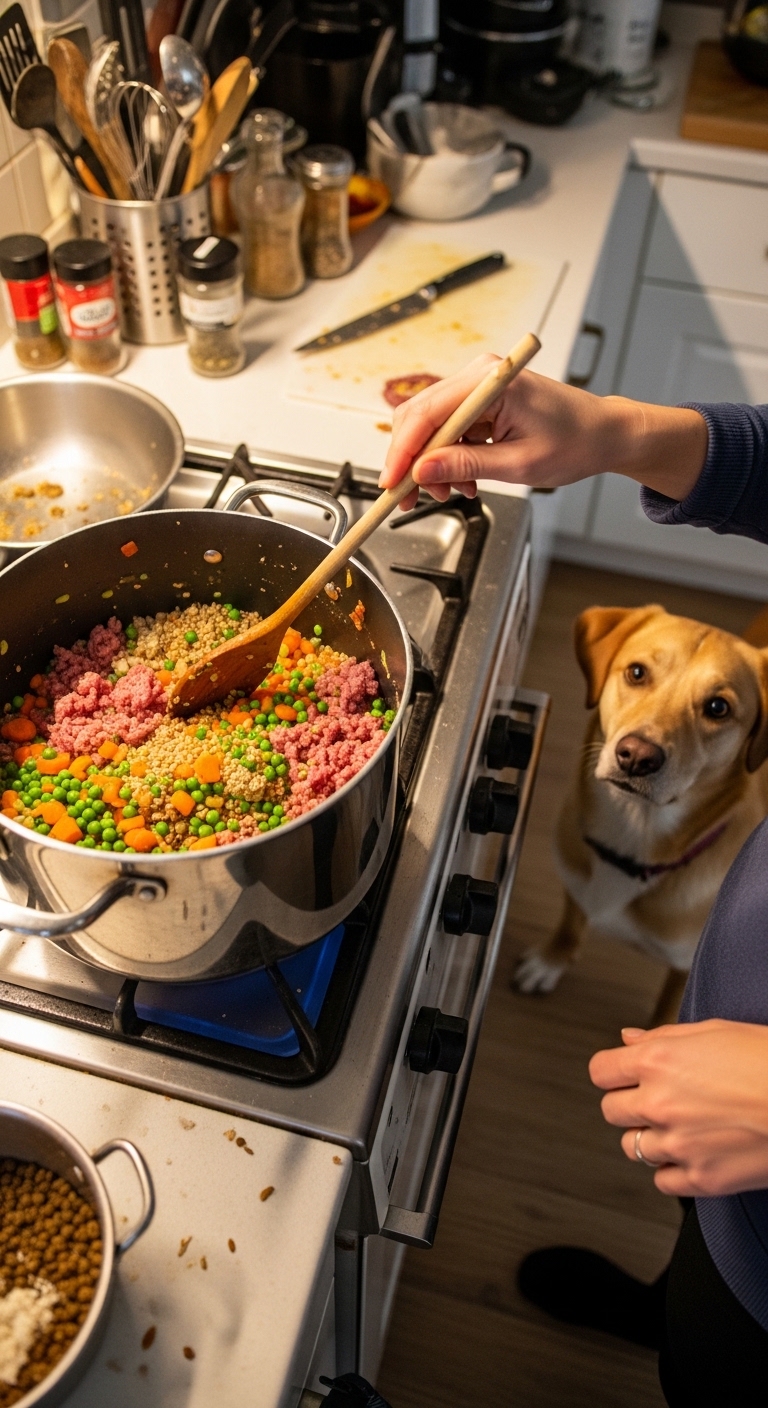
Switching to homemade meals can transform your dog’s health and happiness. With careful planning and attention to their needs, you’ll create a diet that’s as nutritious as it is delicious.
Frequently Asked Questions
- → What are the best protein sources for homemade dog meals?
Lean meats like chicken, turkey, and beef are excellent choices. Fish such as salmon or sardines provide omega-3 fatty acids. Always cook proteins thoroughly and avoid seasoning with salt, garlic, or onions.
- → Can I feed my dog only homemade meals long-term?
Yes, but ensure meals are nutritionally complete. Consult your vet to balance proteins, fats, carbohydrates, vitamins, and minerals. Rotate ingredients to prevent deficiencies and monitor your dog’s health regularly.
- → How do I transition my dog to homemade meals?
Start by mixing 25% homemade food with 75% of their current diet, gradually increasing the homemade portion over 7–10 days. This helps avoid digestive upset and allows your dog to adjust to the new taste and texture.
- → Are there foods I should never include in homemade dog meals?
Avoid onions, garlic, grapes, raisins, chocolate, xylitol, and avocado. These are toxic to dogs. Also skip high-fat cuts of meat, excessive salt, and spices like nutmeg or macadamia nuts.
- → How should I store homemade dog meals?
Refrigerate meals in airtight containers for up to 3 days. For longer storage, freeze portions in sealed bags or containers for up to 3 months. Thaw in the fridge before serving and avoid microwaving to prevent nutrient loss.
- → Do homemade dog meals help with allergies?
Yes, homemade meals can reduce allergic reactions by eliminating common commercial food additives and fillers. Use novel proteins (like duck or rabbit) and limited-ingredient recipes if your dog has food sensitivities. Always confirm with your vet.