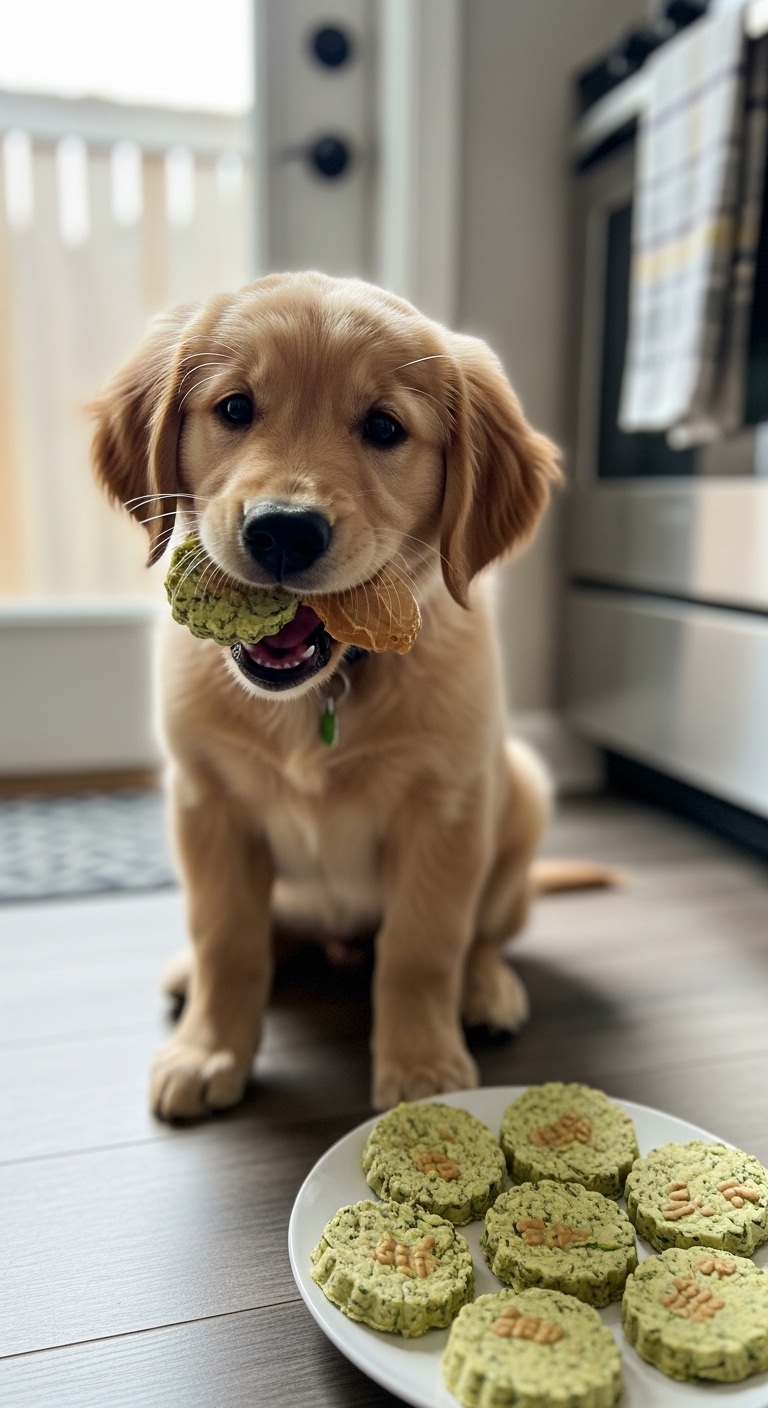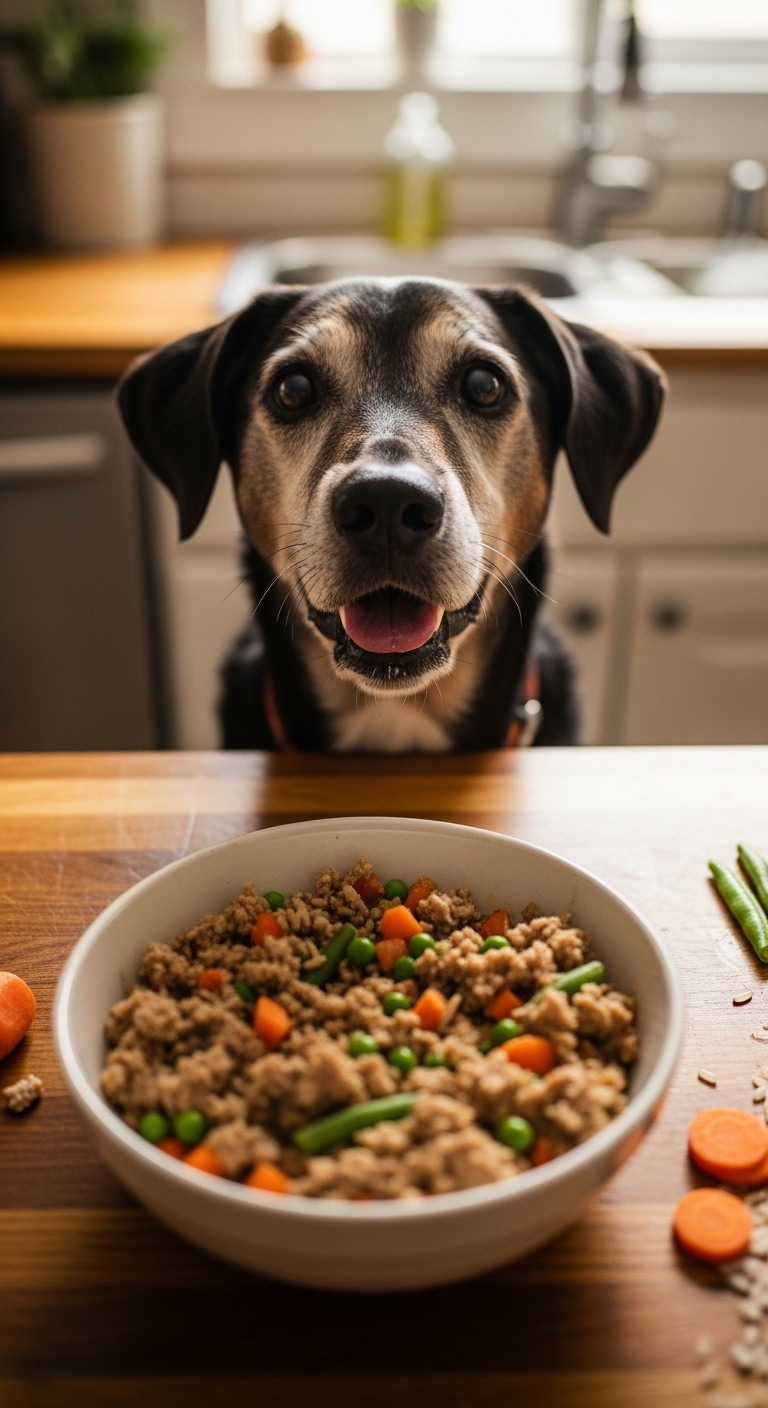
Homemade sweet potato treats are a nutritious, easy-to-make option for rewarding your dog without the preservatives or artificial ingredients found in many store-bought products. These treats offer a natural source of vitamins and fiber, making them ideal for training, occasional snacks, or simply showing your pet some extra love. For pet owners who prioritize whole-food ingredients, this is a simple way to ensure your dog enjoys a wholesome, tasty reward.
The first time I offered these to my rescue dog, his reaction was unforgettable. He had always ignored generic store biscuits, but these homemade treats had him sitting politely for seconds. That moment confirmed how much dogs appreciate fresh, simple ingredients—and how rewarding it is to provide them.
Key Things to Understand
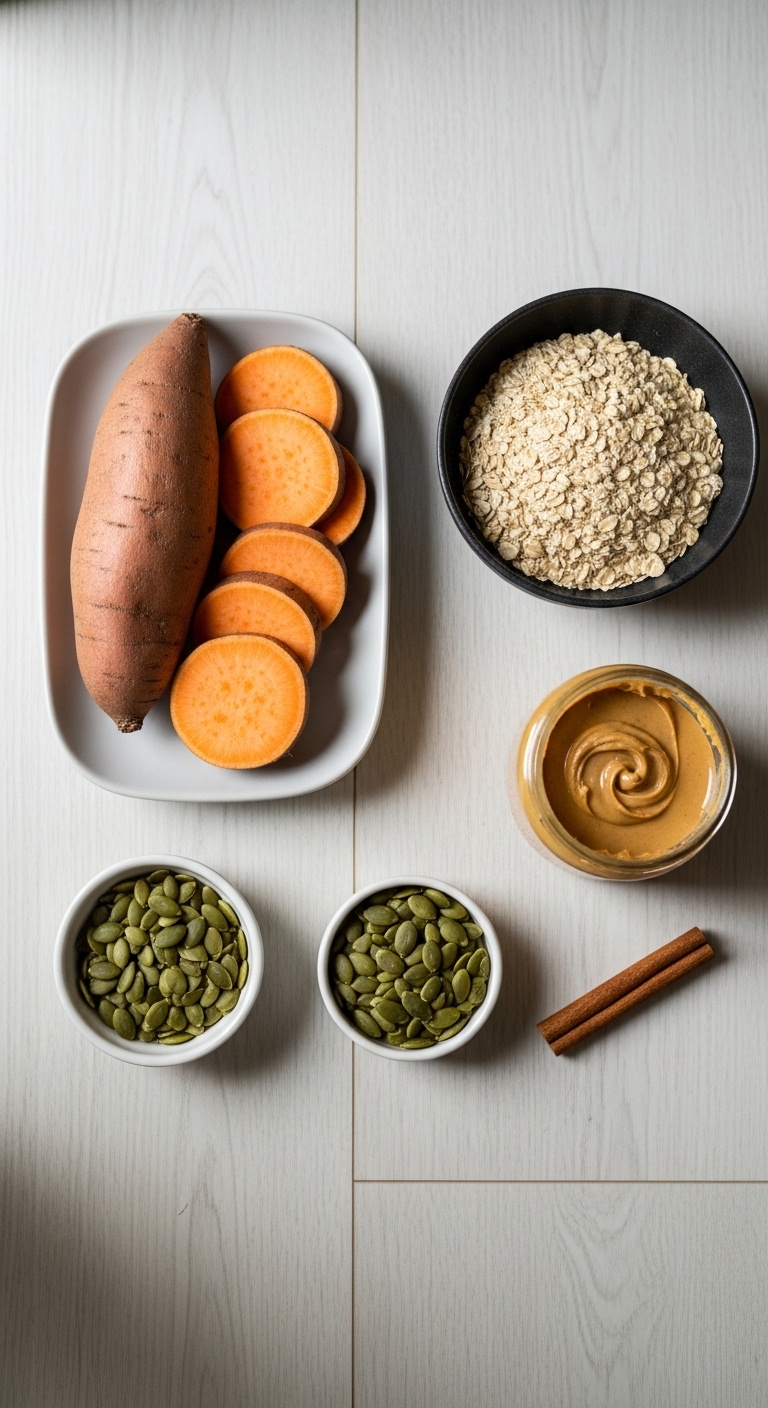
- Nutritional benefits: Sweet potatoes provide fiber, vitamin A, and antioxidants to support immune health and digestion
- Minimal ingredients: The base recipe requires only sweet potato puree, a binder (egg or applesauce), and a flour like oat or coconut
- Natural appeal: Their mild sweetness makes them ideal for picky eaters who reject bland commercial treats
- Storage flexibility: Keeps fresh in the fridge for a week or can be frozen for longer use
- Gradual introduction: Always test new treats in small amounts to monitor for allergies or digestive changes
What to Look For
Select firm, smooth sweet potatoes with bright orange flesh, as this indicates higher beta-carotene levels for skin and coat health. For canned puree, verify it’s unsweetened and free of salt or spices. Oat flour suits sensitive stomachs, while coconut flour works for grain-free diets. If your dog has an egg allergy, unsweetened applesauce can replace the egg as a binder. The dough should be rolled thinly for even baking, and cookies should remain slightly soft when removed from the oven to prevent hardness.
Early on, I rushed the cooling process and ended up with a sticky, crumbly mess. Now, I let the cookies rest for at least 10 minutes after baking—they hold their shape better and are easier for my dog to chew. It’s a small step that makes a big difference in texture and handling.
Daily Care Habits
Use these treats to reinforce training or as a light snack between meals, ensuring they account for no more than 10% of your dog’s daily calories. For added variety, crumble them over kibble to enhance mealtime interest. Always supervise your dog with new treats and watch for signs of intolerance, such as vomiting or diarrhea.
Choosing the Right Product
If purchasing pre-made sweet potato treats, prioritize brands with short, recognizable ingredient lists and no hidden sugars or artificial additives. While homemade is ideal for control over quality, reputable commercial options can be a convenient backup when time is limited.
Safety and Comfort
For dogs with sensitive stomachs, slightly underbake the treats to keep them softer and easier to digest. Store treats in an airtight container to maintain freshness and prevent odor absorption. Clean baking tools promptly to avoid attracting pests, and always introduce new treats gradually to assess tolerance.
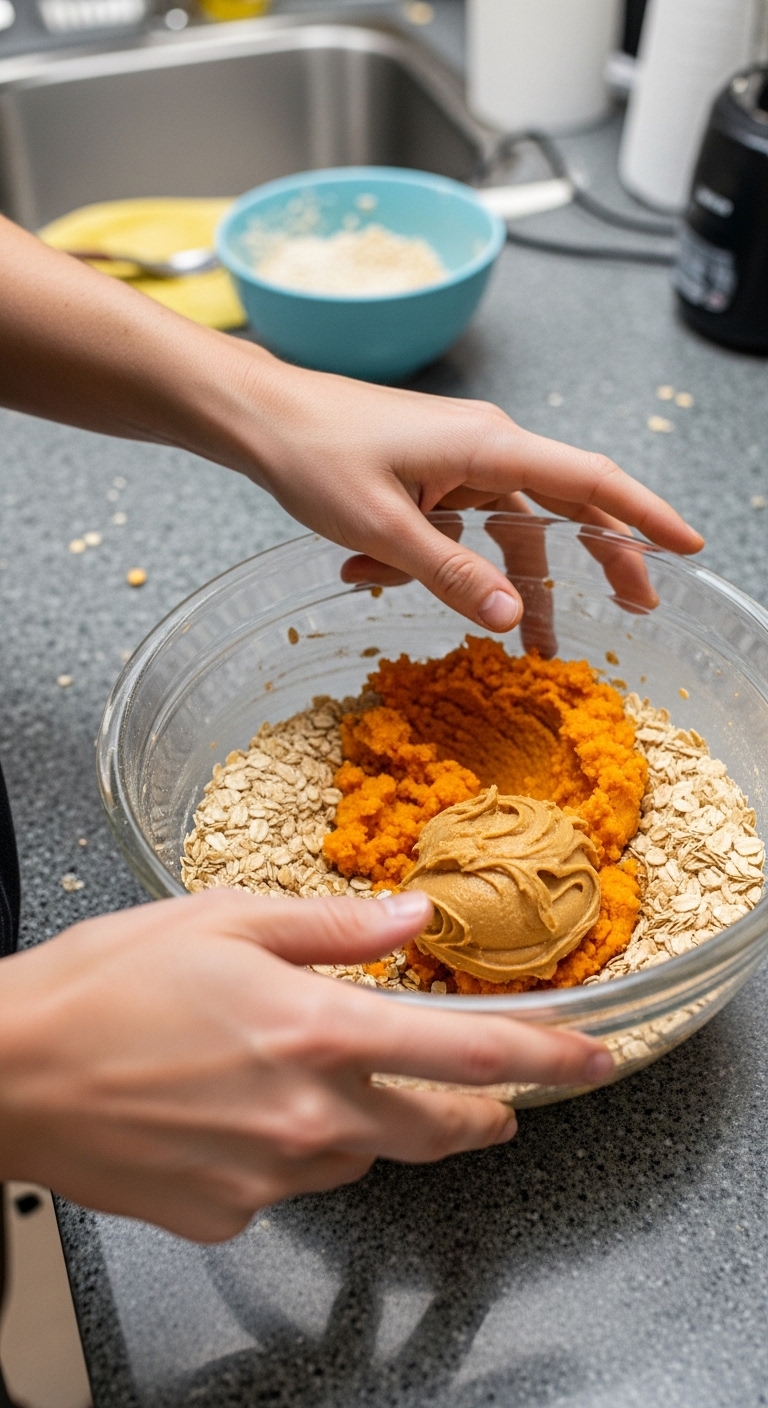
Homemade treats like these strengthen the bond with your pet while giving you full control over their diet. A little effort in the kitchen pays off in tail wags and better health.
Frequently Asked Questions
- → Can I use regular potatoes instead of sweet potatoes?
No, sweet potatoes are recommended for their natural sweetness and higher nutritional value. Regular potatoes lack the fiber and vitamins dogs need.
- → How long do these cookies last?
Store-bought treats last 1-2 weeks in an airtight container. Homemade cookies stay fresh for up to 2 weeks at room temperature or 3 months frozen.
- → Are these cookies safe for all dogs?
Yes, but always check for allergies first. Introduce treats gradually and monitor your dog’s reaction to new ingredients.
- → Can I add other ingredients?
Yes! Try adding pumpkin puree, cinnamon, or flaxseed for extra nutrition. Avoid xylitol, chocolate, or grapes, which are toxic to dogs.
- → How do I serve these cookies?
Use as training rewards, meal toppers, or a healthy snack. Break into smaller pieces for puppies or small breeds.
- → Do I need to bake these cookies?
Yes, baking ensures they’re firm and safe to eat. Dehydrating is an alternative but requires longer prep time and equipment.