Vaginal odor is something many pet owners notice in their dogs, especially females, and it often raises concerns about health or cleanliness. A strong or unusual smell can signal an underlying issue that needs attention, so understanding what’s normal and what’s not helps keep your pet comfortable and healthy. Whether it’s a temporary change or something more persistent, knowing how to address it makes a big difference in your dog’s well-being.
It’s one of those things that feels awkward to talk about, but knowing the basics can save you stress and your dog discomfort. Most people don’t realize that a dog’s natural scent changes with her heat cycle, diet, or even stress levels. I once had a client whose dog’s odor improved just by switching to a higher-quality food: small changes can make a bigger difference than you’d expect.
Key Things to Understand
- A mild musky smell is normal for intact female dogs, especially during heat cycles: This is part of their natural biology and usually not a cause for concern.
- A sudden strong or foul odor often means a bacterial or yeast infection that needs treatment: These infections can worsen if ignored, leading to more serious health problems.
- Diet plays a huge role: Low-quality food or allergies can make odor worse, as poor nutrition affects skin and coat health.
- Overwashing or using scented products can disrupt natural balance and make the problem worse: Dogs have a delicate pH balance that harsh products can upset.
- Persistent odor that doesn’t improve with basic hygiene could signal a deeper health issue like pyometra, which is life-threatening if ignored: This condition requires immediate veterinary attention.
What to Look For
Pay attention to how the odor changes throughout your dog’s heat cycle. A slight musk is normal, but if it becomes sharp, fishy, or foul, that’s a sign something isn’t right. Compare the smell to what you’re used to: if it’s noticeably different, it’s worth investigating. Also watch your dog’s behavior. Excessive licking, scooting, or redness around the vulva often goes hand in hand with odor issues. These behaviors usually mean irritation or infection.
Check your dog’s discharge too. Clear or slightly bloody discharge during heat is normal, but thick yellow, green, or foul-smelling discharge is a red flag. The color and consistency can tell you a lot about whether the odor is harmless or something more serious. If you’re unsure, taking a quick photo of the discharge (before it dries) can help your vet assess it faster.
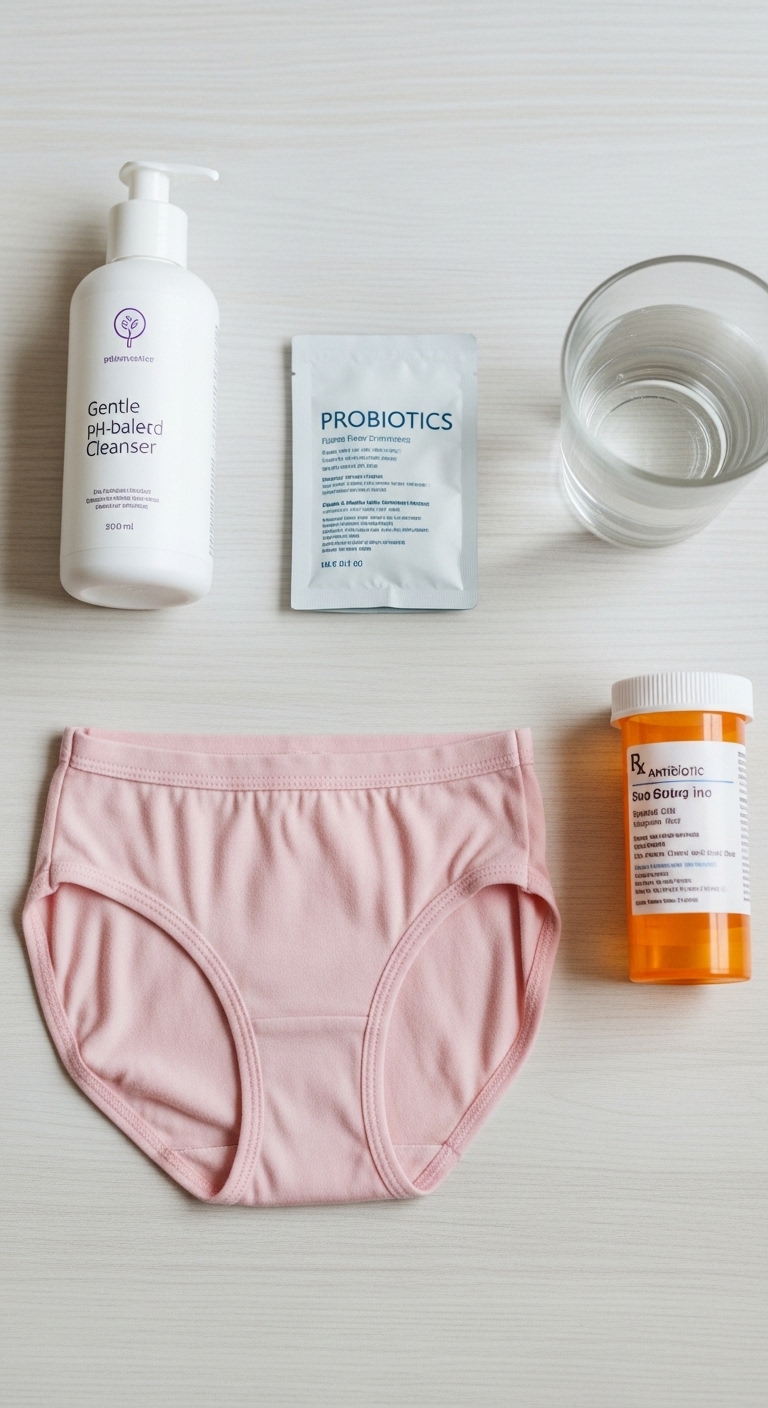
I’ve seen dogs with chronic yeast infections that cleared up once their owners switched to a grain-free diet and added a daily probiotic. It’s not always the first thing people think of, but diet can be a game-changer. Another common mistake is using human products like baby wipes or scented sprays, which can make irritation worse. Stick to pet-safe options and keep it simple.
Daily Care Habits
Wipe your dog’s vulva gently with a damp, clean cloth during her heat cycle to remove discharge and reduce odor. Avoid bathing her too often: overwashing strips natural oils and can make odor worse. Use unscented, hypoallergenic wipes for quick cleanups between baths. Keep her bedding clean and dry to prevent bacteria buildup that contributes to smell.
Choosing the Right Product
Look for pH-balanced, fragrance-free wipes or cleansers designed for dogs. Avoid products with alcohol, artificial fragrances, or harsh chemicals. If you’re using a shampoo, choose one with oatmeal or aloe to soothe sensitive skin. For dogs with recurring issues, ask your vet about medicated wipes or sprays.
Safety and Comfort
Never use douches or internal cleansers on your dog: these can cause serious irritation or infection. If your dog seems uncomfortable or the odor is accompanied by swelling or discharge, see a vet right away. Avoid letting your dog swim in dirty water, which can introduce bacteria and worsen odor.
Seasonal Adjustments
In hot weather, dogs can develop more odor due to sweat and bacteria buildup, so extra wipe-downs may be needed. Diet changes in summer, like adding more water-rich foods, can help keep her system balanced. If your dog gets wet from rain or swimming, dry her thoroughly to prevent moisture-related odor.
Age-Specific Advice
Puppies may have a slightly stronger odor as their bodies develop, but it should fade as they mature. Senior dogs with weaker immune systems are more prone to infections, so keep an eye on any changes in scent. Intact females of any age will have stronger odors during heat cycles, but spaying can help reduce this over time.
When in doubt, trust your nose and your dog’s behavior. If the odor is new, worsening, or accompanied by other symptoms, don’t wait: schedule a vet visit.
Frequently Asked Questions
- → What causes vaginal odor?
Common causes include poor hygiene, hormonal fluctuations, bacterial vaginosis, yeast infections, or dietary factors. Sweat, menstrual blood, and semen can also temporarily alter odor.
- → Are natural remedies safe for vaginal odor?
Most natural remedies like probiotics, apple cider vinegar (diluted), and plain yogurt are safe when used externally. Avoid internal applications unless directed by a healthcare professional.
- → How often should I clean my vaginal area?
Wash with warm water and mild, fragrance-free soap once daily. Over-washing or using harsh cleansers can disrupt natural pH balance and worsen odor.
- → Can diet affect vaginal odor?
Yes. Foods like garlic, onions, asparagus, and strong spices may temporarily alter odor. Probiotic-rich foods (yogurt, kefir) and plenty of water can promote a healthier balance.
- → When should I see a doctor about vaginal odor?
Consult a healthcare provider if odor is accompanied by itching, burning, unusual discharge, or if symptoms persist despite home care. These may indicate an infection requiring treatment.
- → Do scented products help with odor?
No. Scented sprays, douches, or perfumed wipes can irritate and disrupt your natural pH, often making odor worse. Stick to gentle, unscented products.