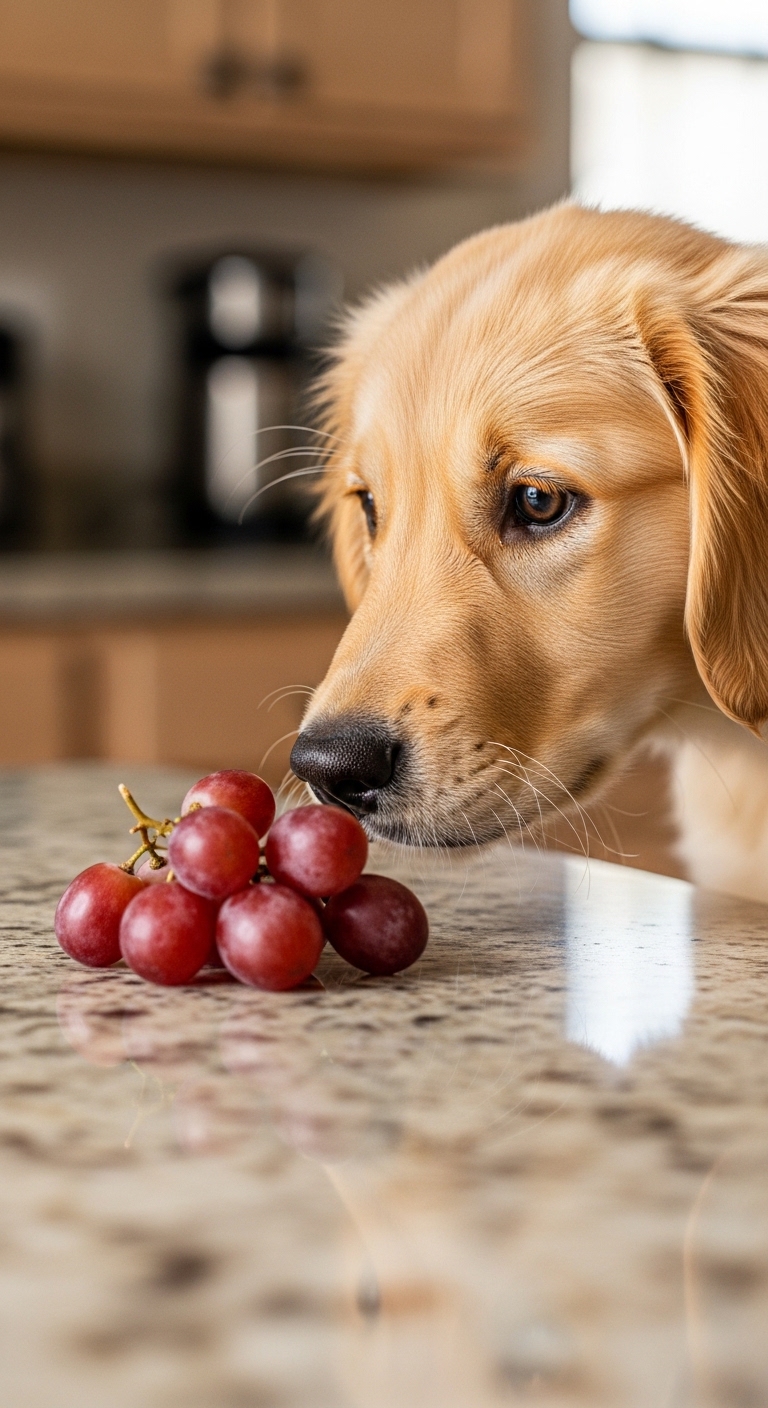
Can dogs eat pineapple? It’s a question many pet owners ask when their furry friend gives them those big, hopeful eyes while they’re cutting up fruit. Pineapple isn’t just a sweet treat for humans: it can be a healthy snack for dogs too, but there are some important things to keep in mind before sharing it with your pup.
I remember the first time I gave my golden retriever a small piece of pineapple. He devoured it in seconds, tail wagging like crazy. But the next day, he had a little extra gas: something to keep in mind if your dog has a sensitive stomach.
Key Things to Understand
- Moderation is key: Pineapple is safe for dogs in moderation but should never replace their regular diet
- Remove the core and skin: The core and spiky skin of the pineapple can cause choking or intestinal blockages, so always remove them
- Choose fresh over canned: Fresh pineapple is the best option, as canned varieties often contain added sugars or syrups
- Watch for digestive upset: Too much pineapple at once can lead to digestive upset, including diarrhea or vomiting
- Limit frequency: The natural sugars in pineapple mean it should be given as an occasional treat, not a daily snack
What to Look For
When introducing pineapple to your dog, start with a very small piece to see how they react. Watch for signs of stomach upset like vomiting, diarrhea, or excessive gas. If your dog has never had fruit before, their digestive system might need time to adjust. Also, check the texture of the pineapple pieces you’re giving: soft, ripe chunks are easier to chew and digest than tough or fibrous bits. If your dog is small or a fast eater, cut the pieces into even smaller bits to prevent choking.
Another thing to consider is how your dog’s body responds over time. Some dogs tolerate pineapple well, while others might develop loose stools if given too much. If you notice any unusual changes in their energy levels, appetite, or bathroom habits after eating pineapple, it’s best to stop giving it to them and consult your vet.
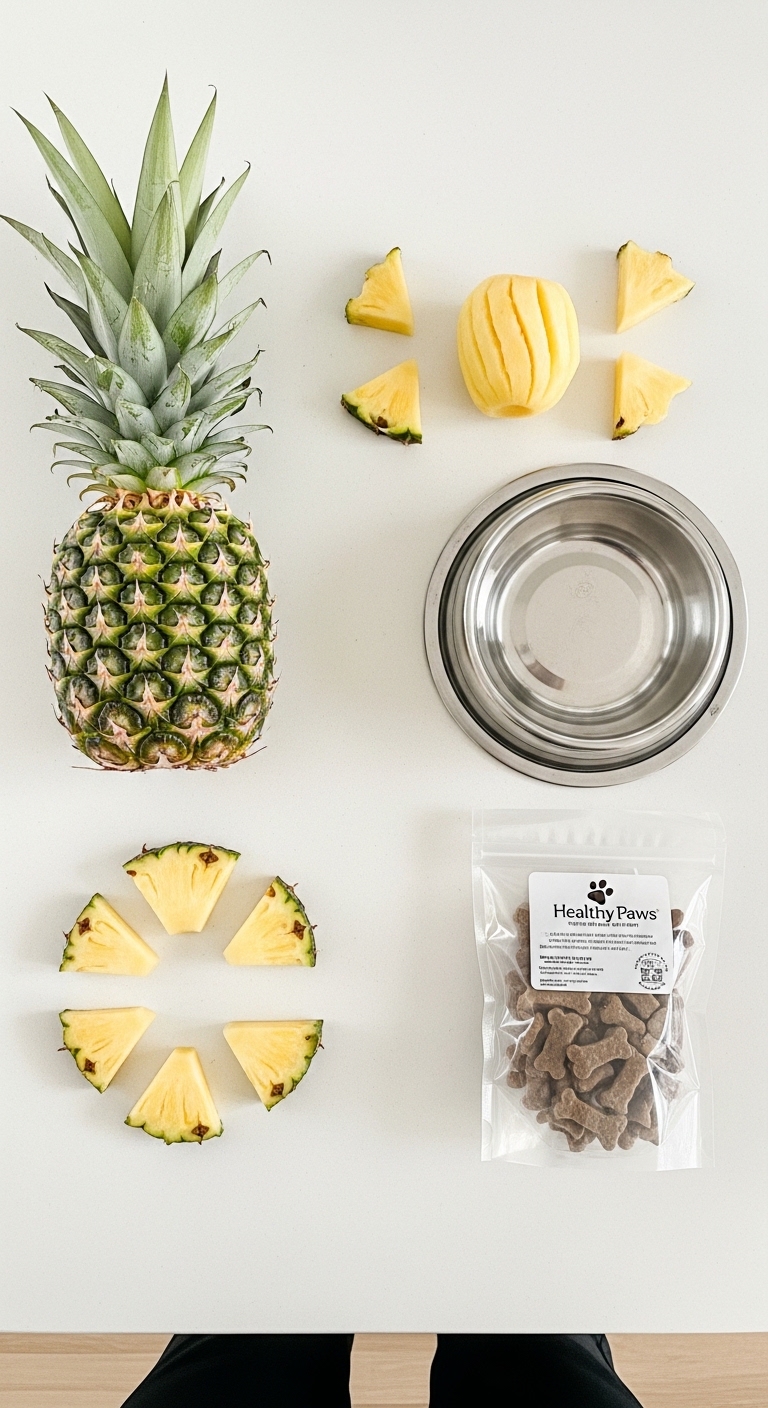
If your dog has never tried pineapple before, it’s smart to give it to them on a weekend when you’re around to watch their reaction. That way, if they do have an upset stomach, you can keep an eye on them and give them plenty of water. I once gave my dog pineapple right before a long car ride: big mistake. He spent the whole trip whining and looking miserable, so now I always test new treats at home first.
Serving Pineapple the Right Way
Fresh pineapple is the safest choice because it doesn’t contain preservatives or added sugars that can harm your dog. If you’re using canned pineapple, make sure it’s packed in water or natural juice with no added sweeteners. Even then, fresh is always better. You can serve pineapple as small, bite-sized pieces or even freeze it for a refreshing summer treat. Some dogs love the crunch of frozen pineapple chunks, while others prefer it thawed slightly.
Another fun way to serve pineapple is by blending it into a smoothie with other dog-safe fruits like blueberries or bananas. Just skip the yogurt if your dog is lactose intolerant. You can pour the mixture into an ice cube tray for easy portioning.
Pineapple for Special Dietary Needs
If your dog has specific dietary restrictions, like a sensitive stomach or food allergies, pineapple can still be an option but introduce it cautiously. Dogs with kidney issues should avoid pineapple because of its natural sugar content. For dogs with allergies, start with a tiny amount and watch for any signs of itching, redness, or ear infections. If your dog has pancreatitis or is prone to flare-ups, pineapple should be avoided entirely due to its sugar content.
For senior dogs, pineapple can be a good source of vitamins, but their teeth might not handle the fibrous texture as well. In that case, blending it into a puree or mixing it with their regular food can make it easier for them to enjoy. Always adjust portion sizes based on your dog’s age, weight, and activity level.

Pineapple can be a fun, healthy addition to your dog’s diet when given responsibly. Always prioritize their safety and monitor their reaction to new foods.
Frequently Asked Questions
- → Can dogs eat pineapple safely?
Yes, dogs can eat pineapple in moderation. It’s a healthy treat rich in vitamins and fiber, but should be given in small amounts to avoid digestive upset.
- → How much pineapple can I give my dog?
Start with a small piece, about the size of a teaspoon, and observe your dog’s reaction. For larger dogs, a few small chunks are fine, but avoid overfeeding due to the natural sugars.
- → Is canned pineapple safe for dogs?
No, canned pineapple often contains added sugars or syrups, which are unhealthy for dogs. Stick to fresh pineapple and always remove the core and skin.
- → What are the benefits of pineapple for dogs?
Pineapple contains vitamin C, manganese, and bromelain, which supports digestion and immune health. It’s also hydrating and can be a low-calorie treat option.
- → Can pineapple cause allergies in dogs?
While rare, some dogs may be allergic to pineapple. Watch for signs like itching, swelling, or digestive issues. If symptoms occur, discontinue use and consult your vet.
- → How should I prepare pineapple for my dog?
Wash the pineapple thoroughly, remove the tough core and spiky skin, then cut into small, bite-sized pieces. Serve fresh and avoid any seasonings or additives.