Pumpkin protein balls aren’t just for humans: they’re a game-changer for pets too. Whether you’re looking for a healthy training treat, a supplement for your dog’s coat, or a way to sneak extra nutrients into your cat’s diet, these little bites pack a punch. They’re easy to make, store well, and most pets go wild for the taste. Plus, they’re a great way to use up leftover pumpkin puree after the holidays, reducing waste while boosting your pet’s nutrition.
I still remember the first time I made these for my rescue dog, who turned his nose up at every commercial treat. Within minutes of trying one of these, he was wagging his tail like he’d won the lottery. It was a reminder that sometimes the simplest homemade solutions work best.
Key Things to Understand
- Pumpkin is a superfood for pets: It’s rich in fiber and beta-carotene, which supports digestion and immune health.
- Protein is essential: It helps maintain muscle, especially in active or senior pets.
- Natural sweeteners work best: Honey or unsweetened applesauce make treats appealing without harmful sugars.
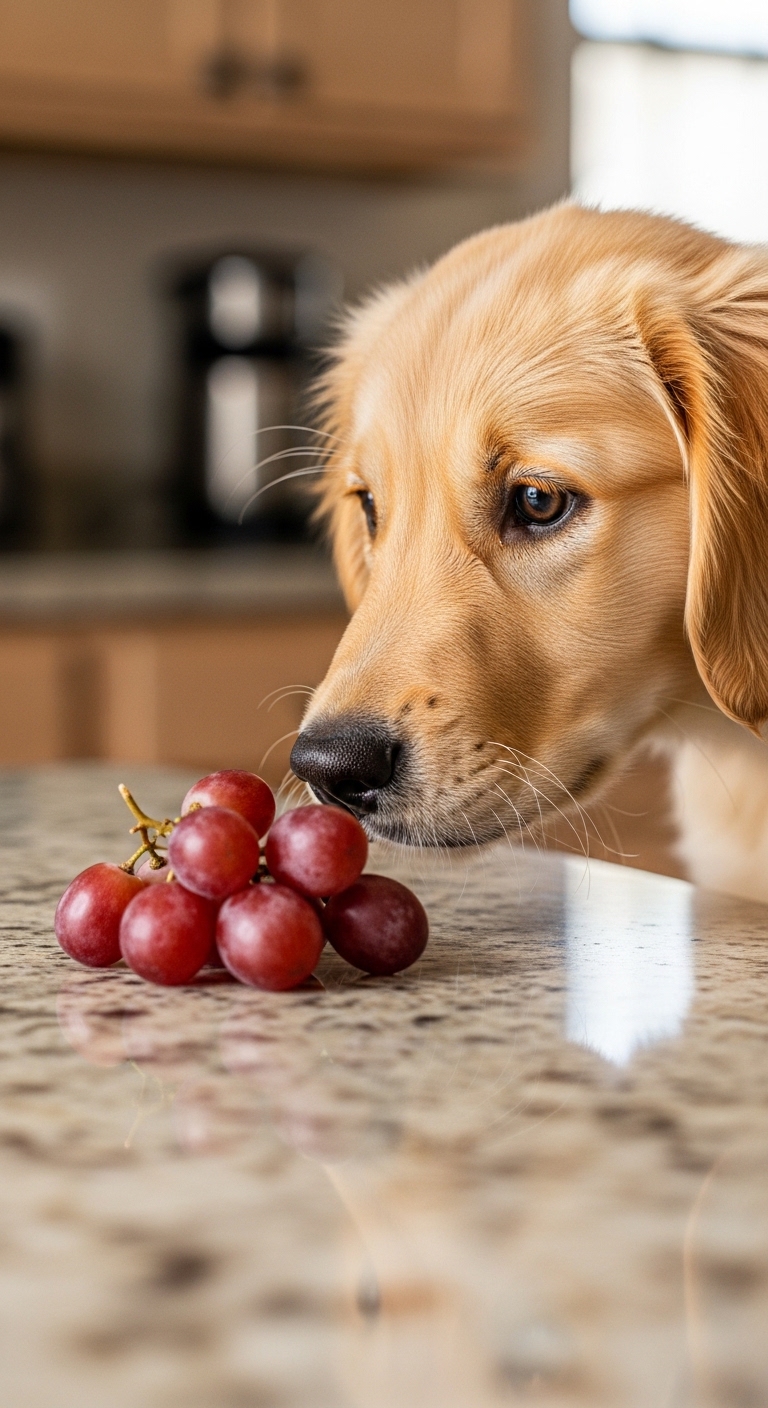
- Avoid toxic ingredients: Xylitol, chocolate, raisins, and excessive salt are dangerous even in small amounts.
- Texture matters: The mix should be firm enough to roll but soft enough for pets to chew easily.
What to Look For
Watch for signs your pet enjoys the taste without any digestive upset like gas or diarrhea. Some pets might take a few tries to warm up to the flavor, especially if they’re used to strong-smelling commercial treats. If your pet has a sensitive stomach, introduce the treats gradually over a week, starting with just one small piece per day. Texture matters too: if the balls are too hard, they could pose a choking hazard for small pets, while overly soft ones might crumble and make a mess. For picky eaters, try rolling the balls in a little grated cheese or freeze-dried meat powder to make them more enticing.
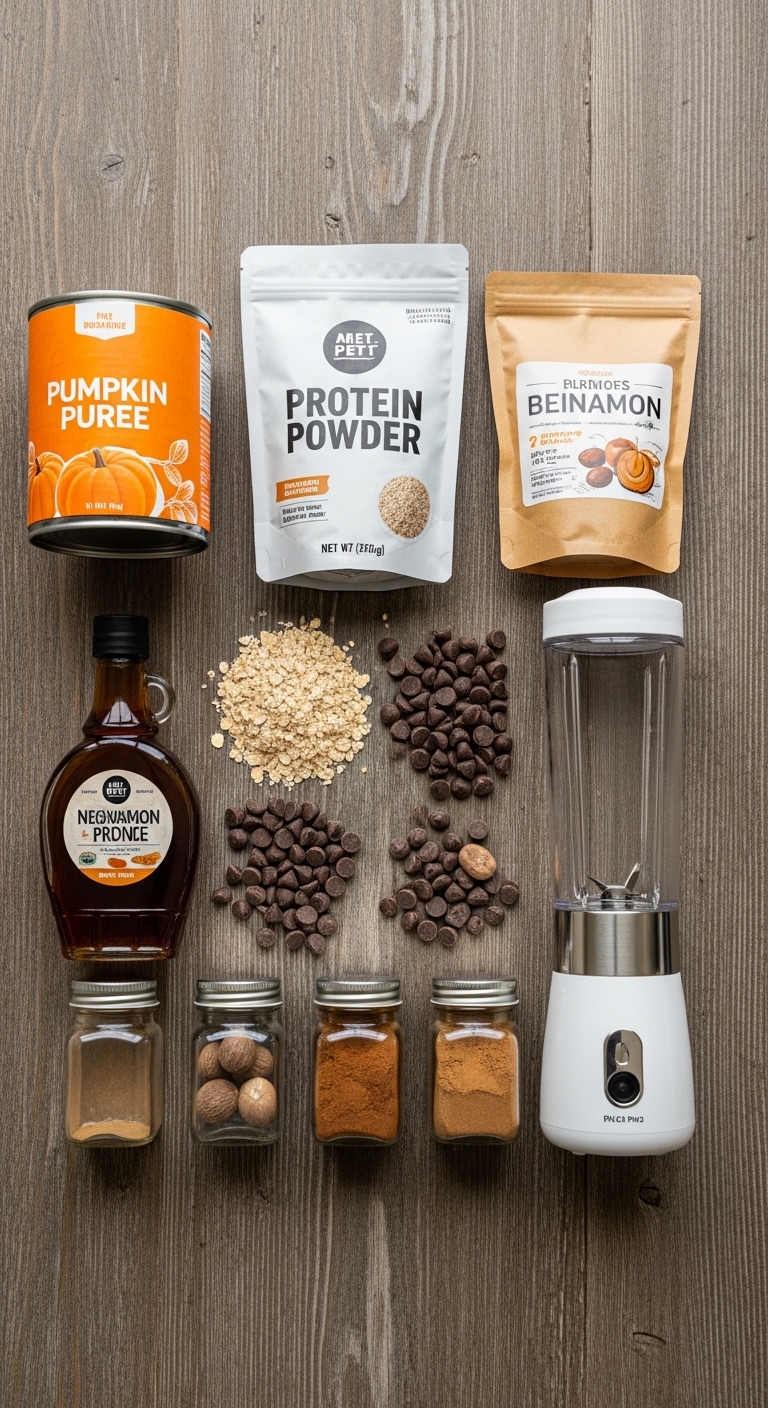
A common mistake is overdoing the protein, which can lead to weight gain or digestive upset. I once made a batch with too much peanut butter for my Labrador, and while he loved them, he spent the next day looking a little too interested in the backyard. Stick to the recipe ratios, and you’ll avoid any messy surprises. Another reminder: always check with your vet before introducing new treats, especially if your pet has health conditions like diabetes or kidney disease.
Daily Care Habits
Incorporate these treats into your pet’s routine as a reward during training sessions or as a midday pick-me-up. They’re perfect for keeping pets occupied during vet visits or grooming appointments when they might feel anxious. For pets who spend long hours alone, a single treat in a puzzle feeder can help alleviate boredom and prevent destructive chewing.
Choosing the Right Product
If you’re not up for making your own, look for commercial treats labeled 'limited ingredient' or 'grain-free' if your pet has allergies. Check the ingredient list for real pumpkin puree rather than artificial flavors, and avoid products with added sugars or artificial preservatives. Smaller pets need softer, bite-sized treats, while larger dogs can handle slightly firmer textures.
Safety and Comfort
Always supervise your pet the first few times they try pumpkin protein balls, especially if they’re prone to gulping food without chewing. If your pet has a history of pancreatitis, use caution with high-fat ingredients like peanut butter or coconut oil. For outdoor pets, these treats can be a great way to supplement their diet during colder months when they burn more calories staying warm.
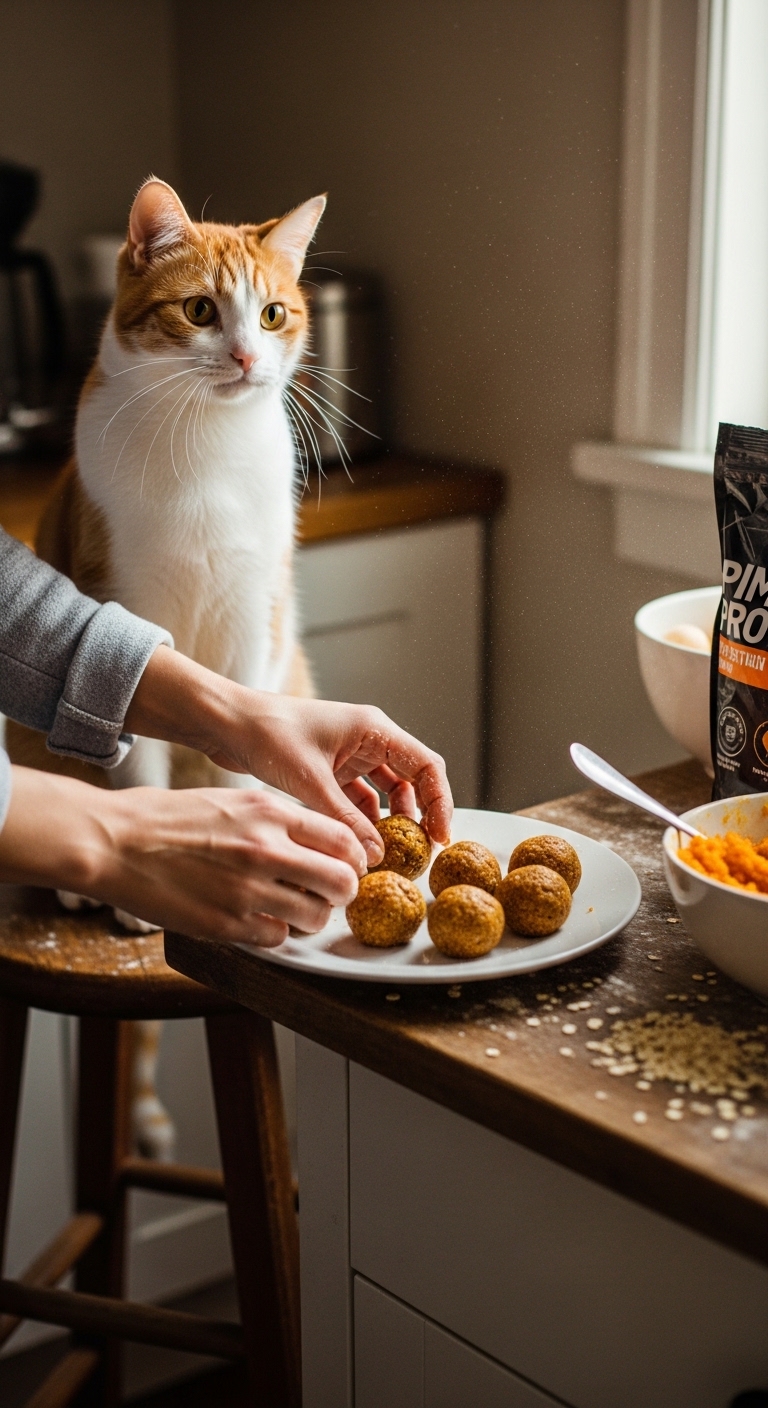
Homemade treats like these can transform your pet’s diet and happiness with minimal effort. Keep it simple, safe, and tailored to their needs.
Frequently Asked Questions
- → What are the main benefits of pumpkin protein balls for dogs?
Pumpkin protein balls provide essential protein for muscle maintenance, fiber for digestive health, and natural vitamins from pumpkin. They are also a low-calorie treat option compared to store-bought alternatives.
- → Can I use any type of protein powder in the recipe?
It's best to use a dog-safe protein powder without artificial sweeteners or additives. Whey protein or plant-based protein powders designed for pets work well. Always check with your vet if unsure.
- → How long do these protein balls last?
Stored in an airtight container in the refrigerator, they last up to 1 week. For longer storage, freeze them for up to 3 months. Thaw before serving.
- → Are pumpkin protein balls suitable for all dog breeds?
Yes, but portion sizes should be adjusted based on your dog's size and activity level. Consult your vet for specific dietary recommendations, especially for dogs with allergies or health conditions.
- → Can I add other ingredients to customize the recipe?
Absolutely! You can add oats for extra fiber, flaxseed for omega-3s, or a bit of honey for sweetness. Avoid ingredients like xylitol, chocolate, or grapes which are toxic to dogs.
- → How do I introduce pumpkin protein balls to my dog?
Start with a small piece to check for any allergic reactions. Gradually increase the portion size based on your dog's tolerance. Use as a training reward or occasional treat.