Best cat nail clippers might seem like a small detail, but they make a big difference in keeping your cat comfortable and your furniture safe. Overgrown nails can cause pain, affect walking, or even lead to infections if they curl into the paw pads. A good pair of clippers also reduces the stress of nail trims for both you and your cat, making the process smoother and faster.
I still remember the first time I trimmed my cat’s nails without the right clippers—it was a disaster. The tool slipped, and she bolted under the couch, leaving me with a bleeding nail and a lesson learned the hard way.
Key Things to Understand
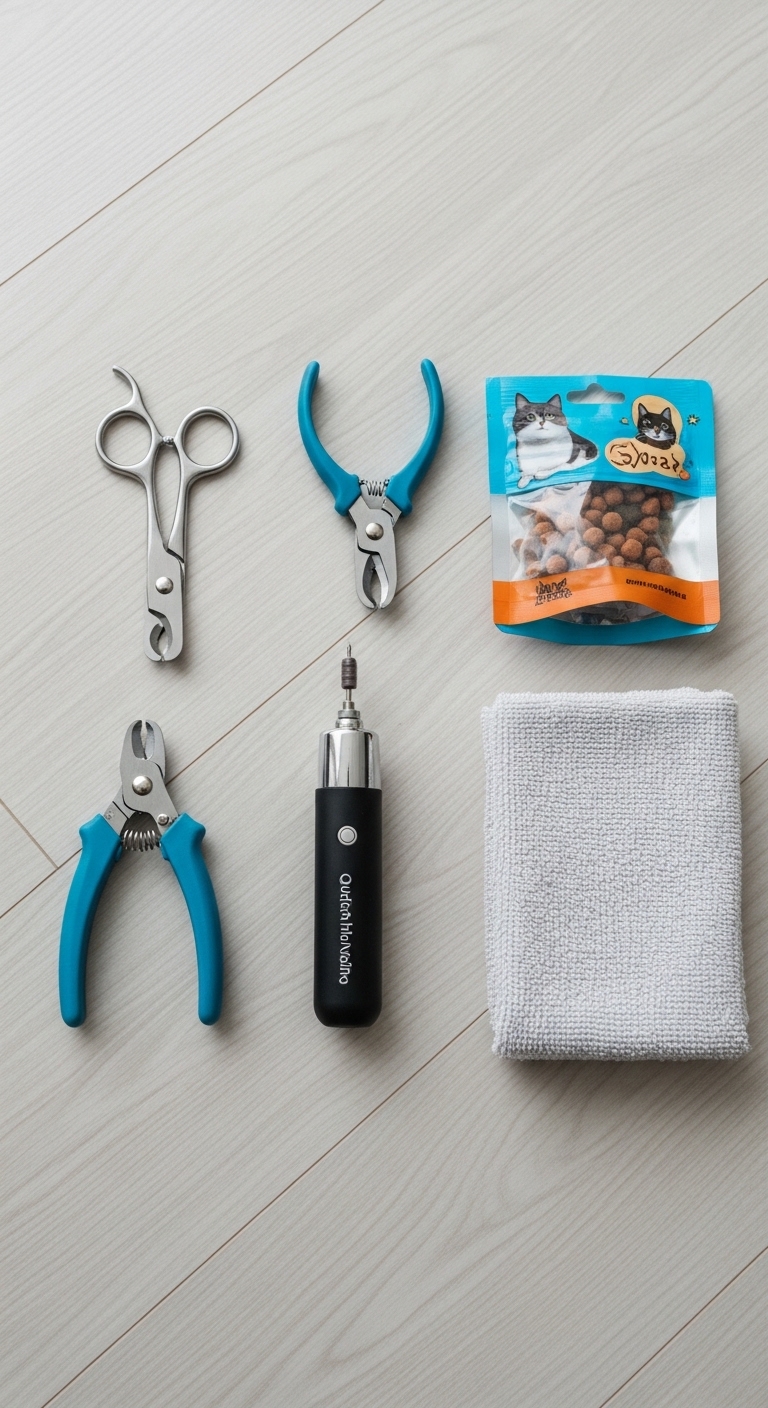
- Sharp blades are essential: dull clippers crush nails instead of cutting them cleanly, which can hurt your cat and make them more resistant to future trims.
- Safety guards help prevent over-trimming: but they’re not foolproof—always check the nail length before cutting.
- Size matters: small clippers work for kittens or tiny breeds, while larger ones are better for adult cats with thicker nails.
- Guillotine-style clippers are popular: but can pinch if not positioned correctly, so test the fit before making the cut.
- Scissor-style clippers give more control: and are often easier for beginners to handle without slipping.
- Always have styptic powder or cornstarch nearby: in case you nick the quick—they stop bleeding fast.
What to Look For
Pay attention to how your cat reacts during the trim. If they flinch or pull away, it might mean the clippers are too bulky or the blades are dull. A good pair should feel balanced in your hand, not too heavy or awkward to hold. Watch the nail’s shape after cutting—it should look clean and slightly rounded, not jagged or split. If the nail looks crushed or frayed, the blades need sharpening or replacement. Also, notice where your cat’s quick (the pink part inside the nail) sits. In light-colored nails, it’s easy to see, but in dark nails, you’ll need to trim in very small increments to avoid it.
Most people don’t realize how much a cat’s comfort depends on regular nail care. I once skipped trims for a few months with my senior cat, and she started limping because her nails had curled into her paw pads. A quick trim fixed it, but it was a reminder that even small tasks add up to big health benefits.
Daily care habits
Make nail trims a monthly routine, even if your cat’s nails don’t look long. Indoor cats’ nails wear down slower, so they need more frequent attention. Pair the trim with a treat or play session to create positive associations. If your cat hates the process, try doing it after they’ve exercised and are naturally calmer.
Choosing the right product
Look for clippers with stainless steel blades—they stay sharp longer and resist rust. Ergonomic handles reduce hand strain, which is a lifesaver if you trim multiple cats. Read reviews to see how others handle fussy cats with the same model. Some brands include a built-in magnifier to help see the quick in dark nails.
Safety and comfort
Never rush the process. Hold your cat securely but gently, and take breaks if they get stressed. Use a towel wrap for wriggly cats to keep them still without causing discomfort. If your cat is extremely resistant, try trimming one nail a day over a week to ease them into it.
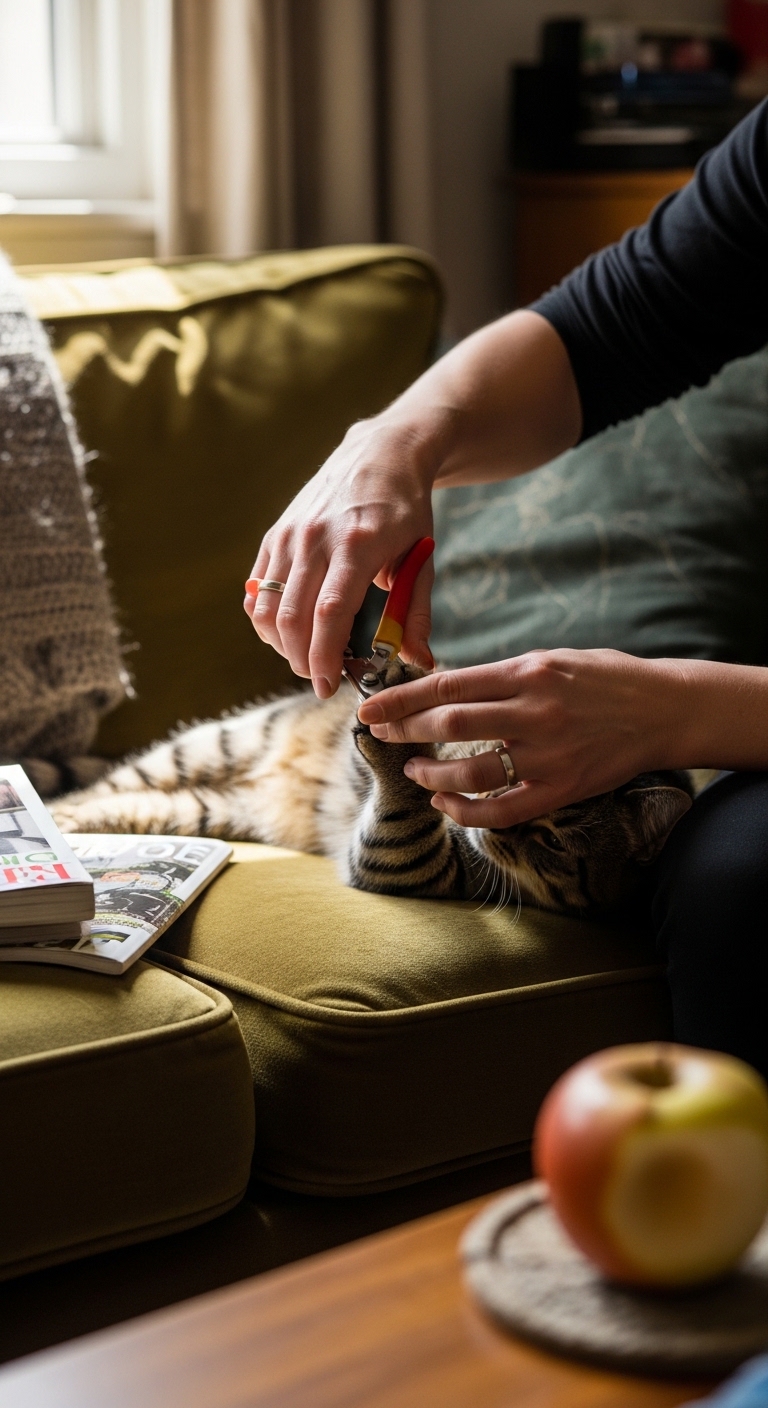
Investing in the right clippers and learning proper technique turns a dreaded chore into a quick, painless routine. Your cat will thank you with fewer scratches on the furniture and more relaxed paws.
Frequently Asked Questions
- → What features make cat nail clippers safe?
Safe cat nail clippers feature sharp stainless steel blades to prevent crushing, safety guards to avoid over-trimming, and non-slip handles for better control. Some include built-in filing surfaces for smoothing edges.
- → How often should I trim my cat's nails?
Most cats need their nails trimmed every 2-3 weeks. Active cats that scratch posts may require less frequent trimming. Check nails regularly for overgrowth or splitting.
- → Can I use human nail clippers on my cat?
No, human clippers aren't designed for cat nails and can cause crushing or splitting. Cat-specific clippers have sharper blades and better angles for precise trimming without discomfort.
- → What's the best way to hold my cat during nail trimming?
Gently wrap your cat in a towel or use a grooming glove for security. Hold their paw firmly but gently, applying light pressure to extend the nail. Reward with treats to keep them calm.
- → Do cat nail clippers come with filing features?
Many premium clippers include built-in filing surfaces or come with separate nail files. These help smooth rough edges after trimming, reducing snagging on furniture or fabrics.
- → How do I know when to replace my cat's nail clippers?
Replace clippers when blades become dull (causing crushing instead of clean cuts) or if handles become loose. Dull blades increase the risk of nail splitting or discomfort for your cat.
- → Are there clippers for nervous cats?
Yes, some clippers feature quiet operation, ergonomic designs, or even LED lights to reduce stress. Slow-feeder treats or calming pheromone sprays can also help anxious cats during grooming.