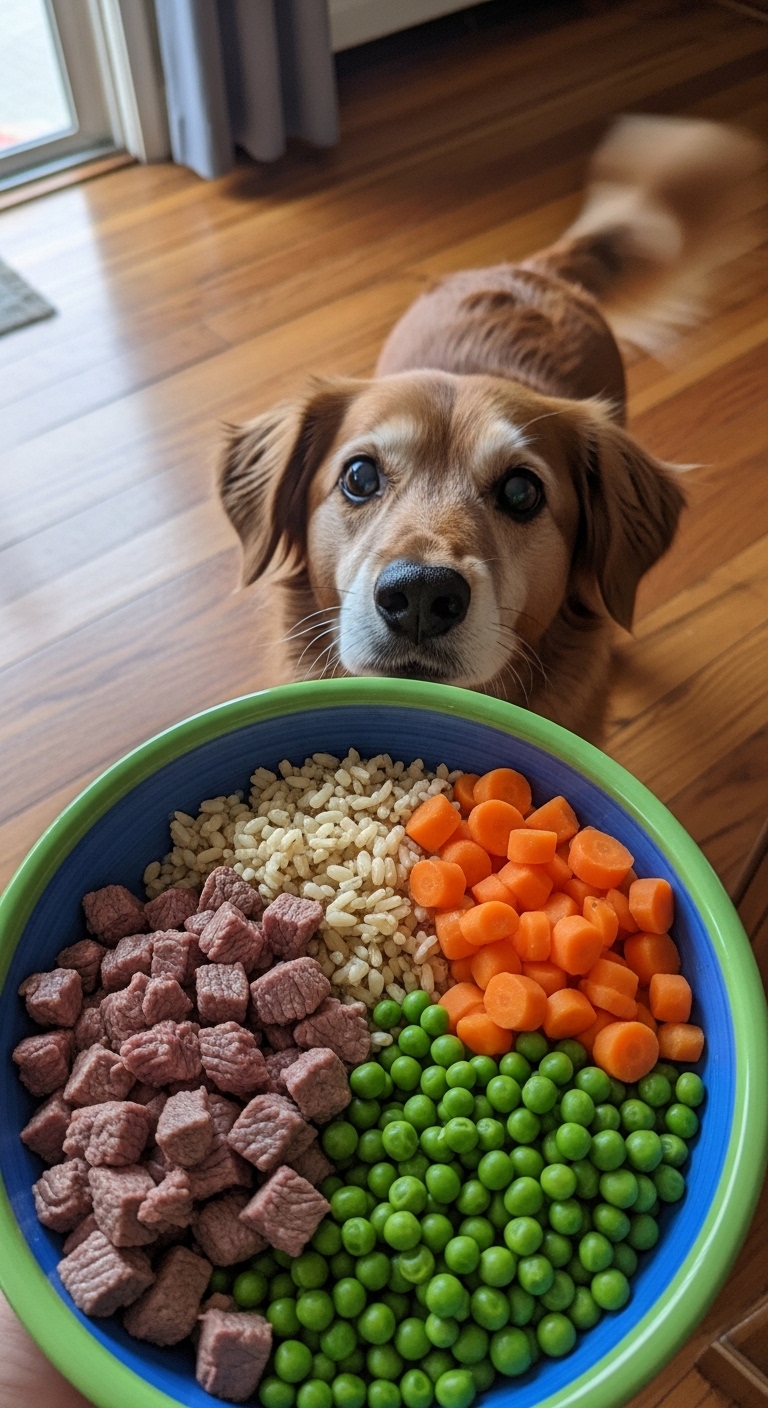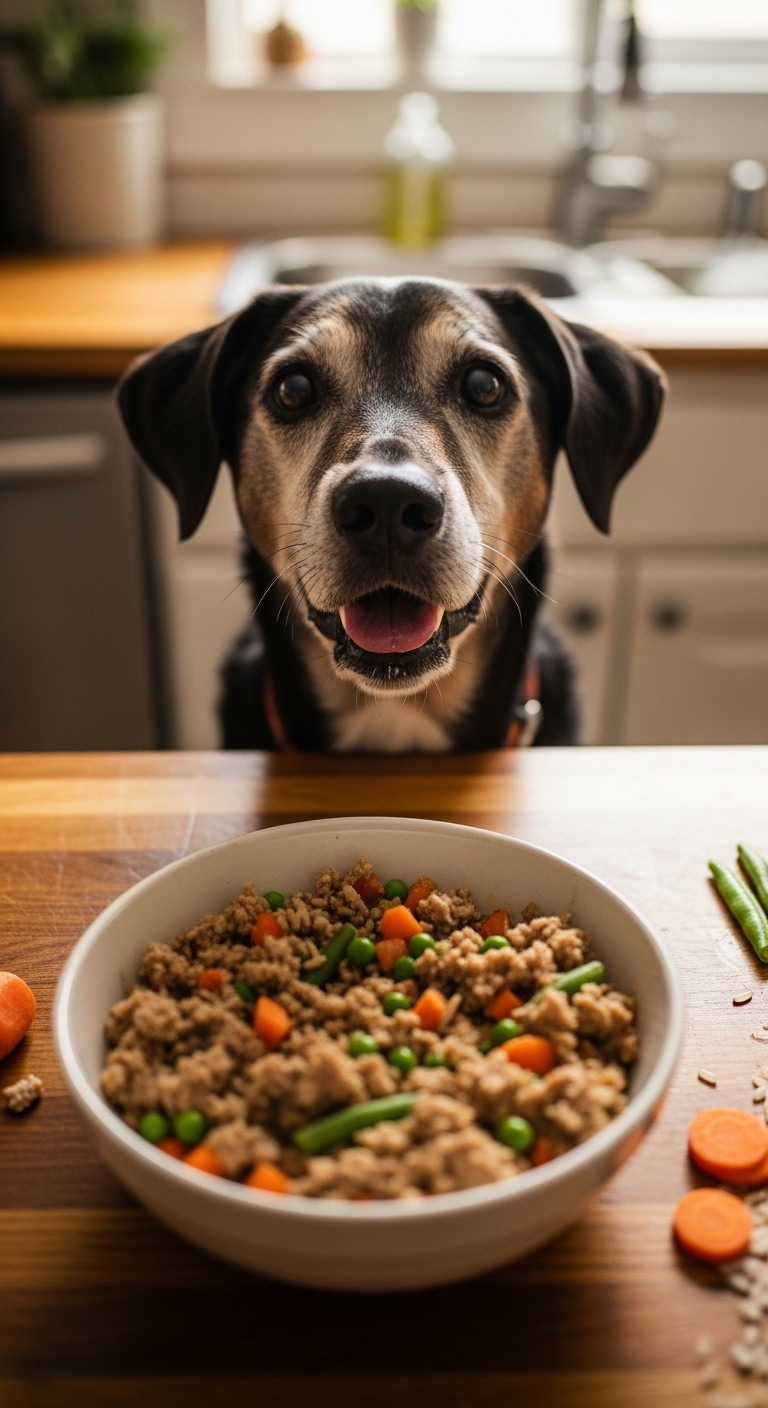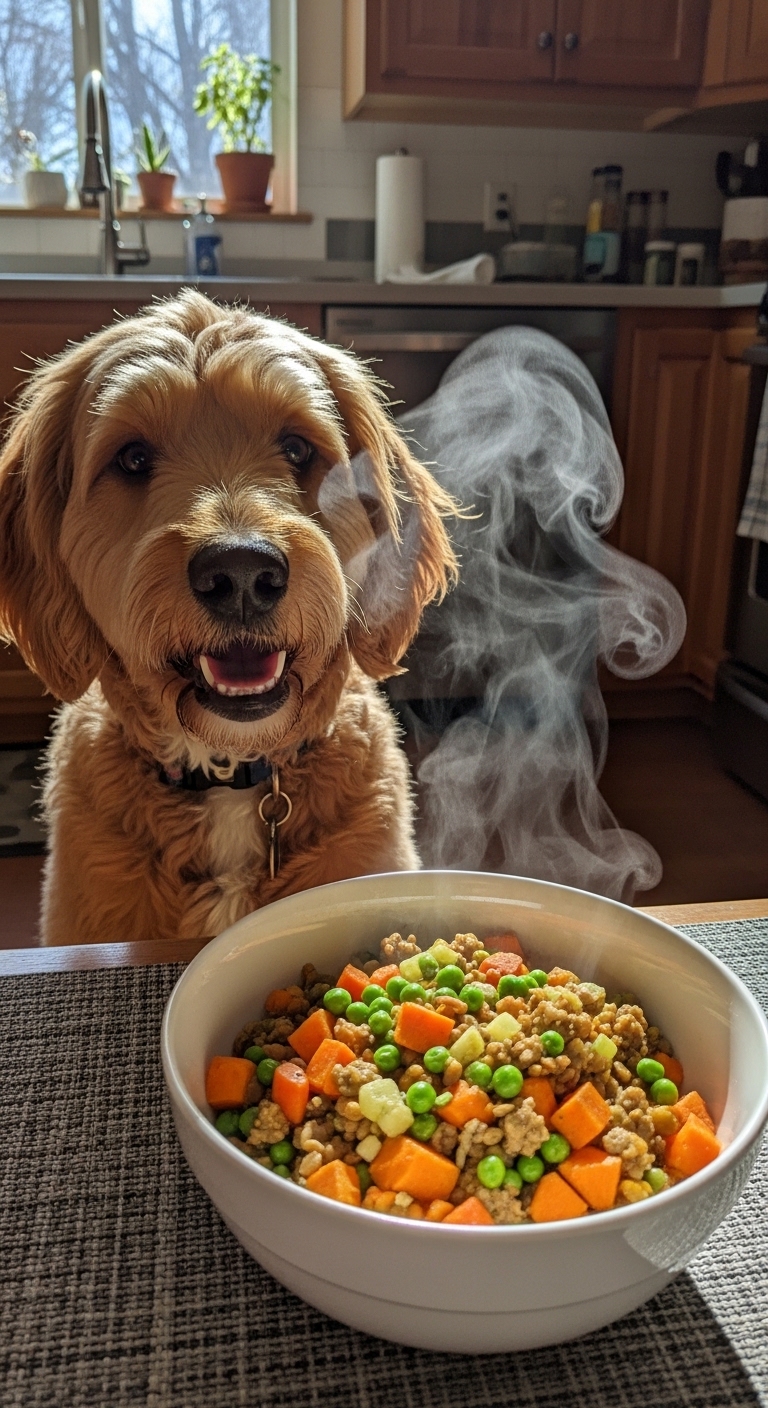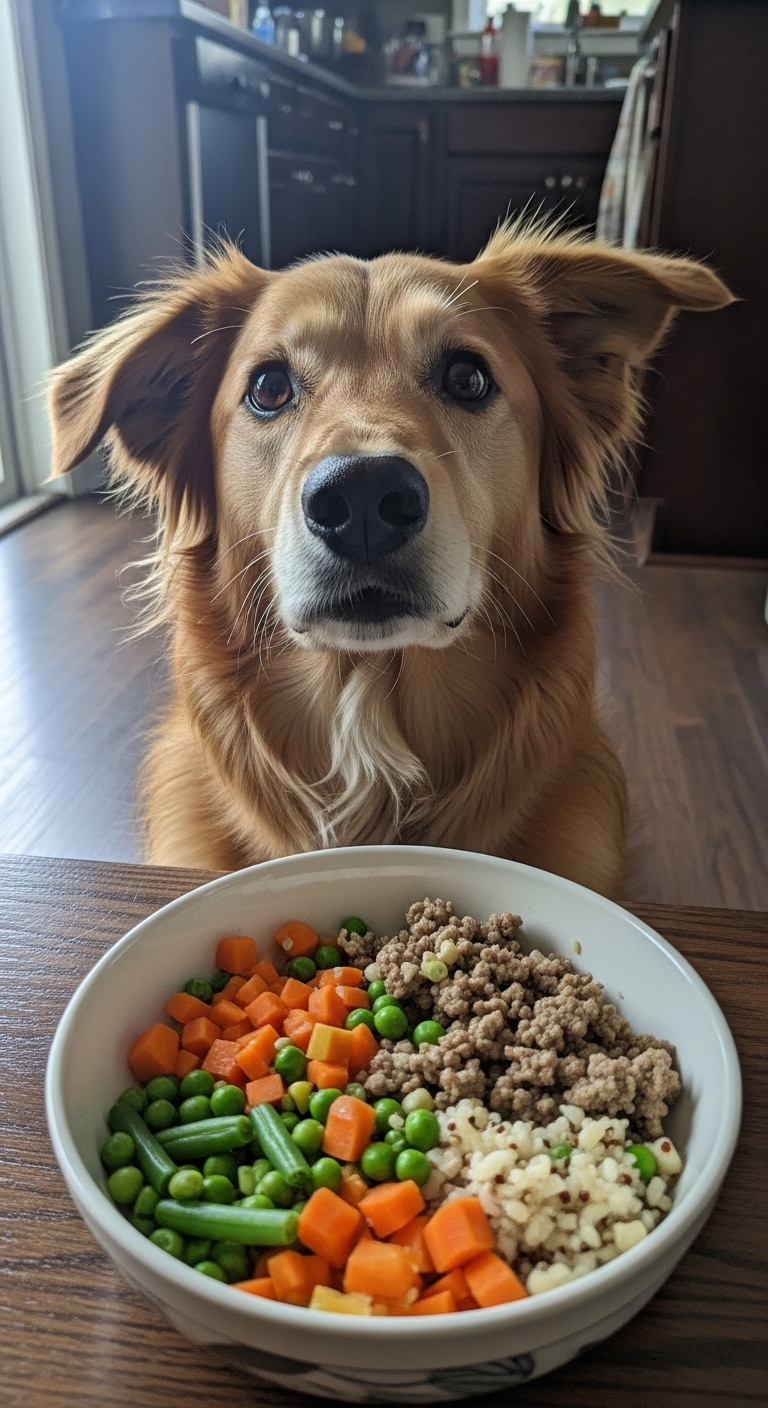
Homemade dog food is becoming more popular among pet owners who want to control exactly what goes into their dog’s meals. Many people worry about commercial dog food ingredients, preservatives, or recalls, so preparing meals at home can feel safer and more transparent. It’s also a great way to tailor nutrition to your dog’s specific needs, whether they have allergies, a sensitive stomach, or just need a boost in certain nutrients.
I remember when my neighbor switched her senior dog to homemade meals after years of store-bought food. Within weeks, the dog’s energy improved, and her coat looked shinier. It made me realize how much control we have over our pets’ health when we take the time to prepare their food properly.
Key Things to Understand
- Balanced nutrition: A balanced homemade diet should include protein, healthy fats, carbohydrates, vitamins, and minerals
- Protein safety: Common protein sources like chicken, beef, or fish need to be cooked thoroughly to kill bacteria
- Carbohydrate preparation: Carbohydrates like rice, sweet potatoes, or oats provide energy but should be cooked for easier digestion
- Calcium needs: Calcium is crucial for bone health, so adding eggshell powder or a supplement is often necessary
- Toxic ingredients: Avoid ingredients toxic to dogs such as onions, garlic, grapes, and chocolate
- Portion control: Portion sizes depend on your dog’s weight, age, and activity level to prevent overfeeding or underfeeding
What to Look For
When planning homemade meals, pay attention to your dog’s energy levels and coat condition. A dull coat or low energy might mean they’re missing essential fatty acids or proteins. Watch their stool too: if it’s consistently loose or overly firm, it could signal an imbalance in their diet or an ingredient they’re sensitive to. Over time, you’ll start noticing how different ingredients affect your dog’s digestion and overall well-being. If you’re introducing new foods, do it gradually to avoid upsetting their stomach.
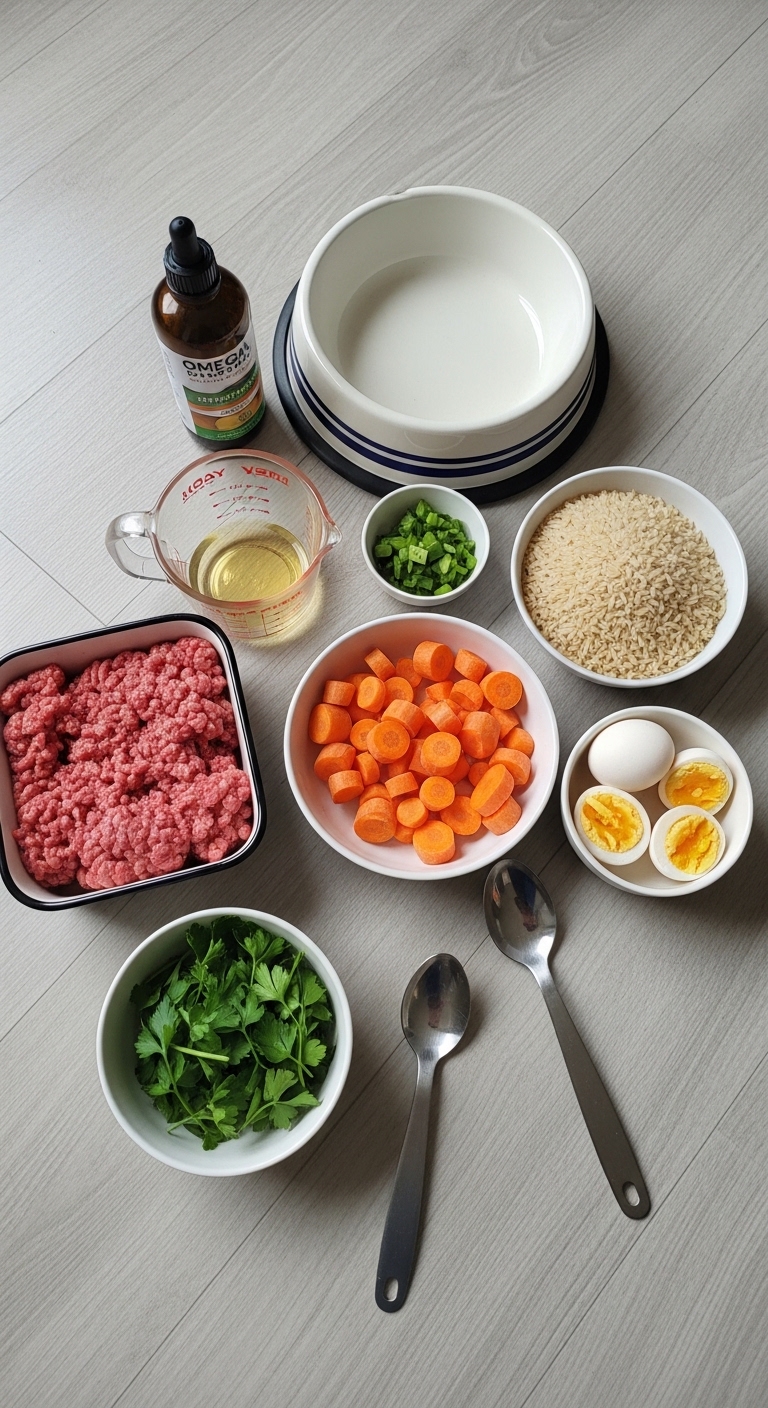
A common mistake is assuming that meat alone is enough. Many first-time homemade dog food makers forget that dogs need a variety of nutrients, not just protein. I once met someone who fed their dog only chicken for months before realizing the pup was developing joint issues from the lack of calcium and other minerals. Another thing to remember is that puppies and senior dogs have different nutritional needs, so their meals shouldn’t be prepared the same way.
Daily Care Habits
Preparing homemade dog food in batches saves time and ensures you always have meals ready. Store portions in airtight containers in the fridge for up to three days or freeze them for longer storage. Thaw frozen meals in the fridge overnight to avoid bacterial growth. Keep a consistent feeding schedule, just like you would with commercial food, to help your dog’s digestion stay regular. If your dog is picky, try warming the food slightly to enhance the smell and make it more appealing.
Choosing the Right Product
If you’re not ready to make every meal from scratch, look for high-quality commercial mixes designed to be supplemented with fresh ingredients. These blends often include essential vitamins and minerals, so you only need to add protein and healthy fats. Read labels carefully to avoid products with fillers, artificial colors, or excessive salt. Some mixes are grain-free, which is great for dogs with sensitivities, but others include grains like oats or barley for extra fiber. Ask your vet for recommendations based on your dog’s specific needs.
Safety and Comfort
Always wash your hands, utensils, and surfaces thoroughly after handling raw meat to prevent cross-contamination. Use separate cutting boards for meat and vegetables to keep things clean. Avoid feeding bones unless they’re specifically designed for dogs, as cooked bones can splinter and cause injuries. If your dog has a sensitive stomach, introduce new ingredients slowly and in small amounts. Keep an eye out for signs of discomfort like vomiting, diarrhea, or lethargy, and adjust their diet accordingly.
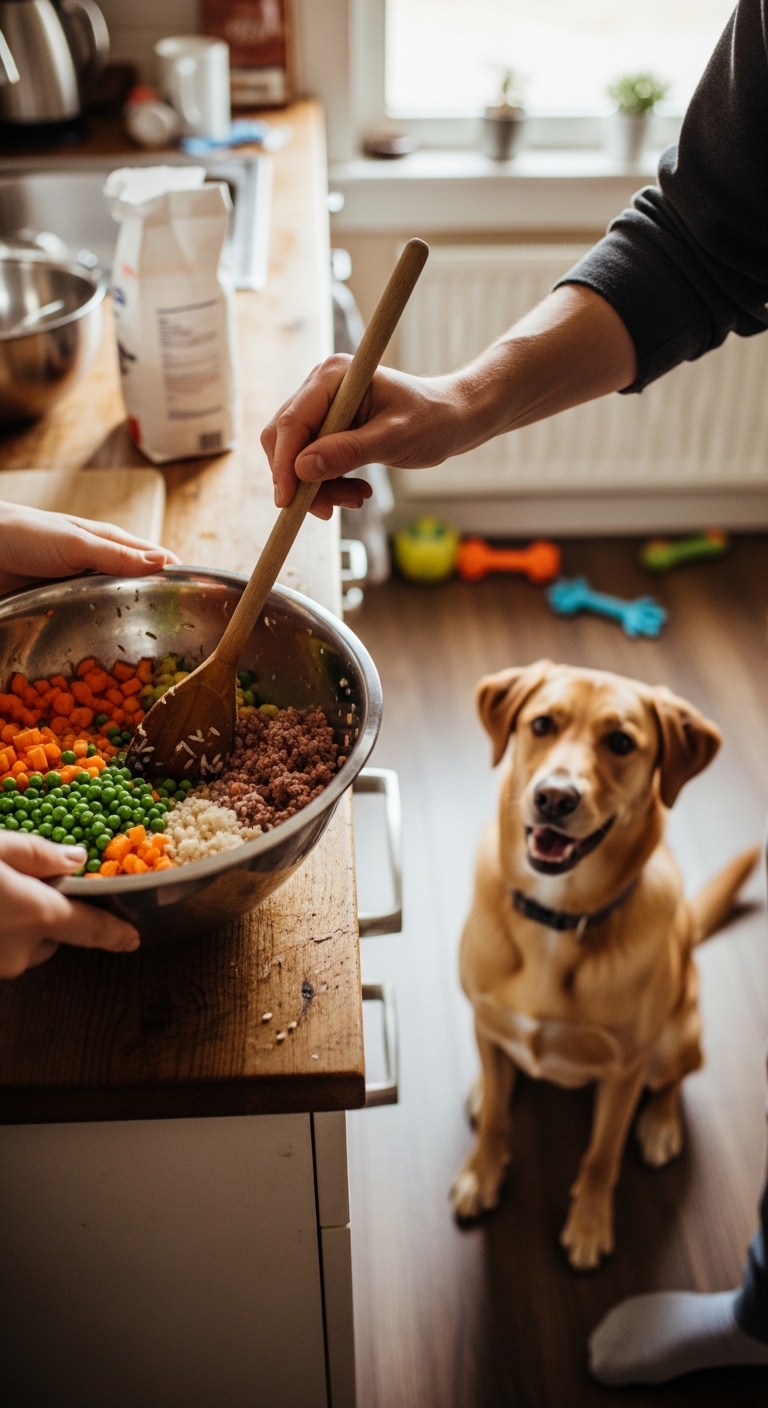
Taking the time to prepare balanced homemade meals can greatly improve your dog’s health and happiness.
Frequently Asked Questions
- → Is homemade dog food healthier than store-bought?
Homemade dog food can be healthier if made with high-quality, fresh ingredients and balanced nutrition. Store-bought foods often contain fillers, artificial additives, and preservatives that may not suit all dogs.
- → What are the best protein sources for homemade dog food?
Lean meats like chicken, turkey, beef, and fish are excellent protein sources. Organ meats like liver provide essential nutrients, but should be fed in moderation.
- → Can I feed my dog homemade food every day?
Yes, but it must be nutritionally balanced. Consult your vet to ensure the diet meets your dog’s specific needs, including calcium, vitamins, and minerals.
- → How do I transition my dog to homemade food?
Start by mixing a small portion of homemade food with their current diet. Gradually increase the homemade portion over 7–10 days to avoid digestive issues.
- → What vegetables are safe for dogs?
Carrots, peas, green beans, sweet potatoes, and spinach are safe in moderation. Avoid onions, garlic, mushrooms, and raw potatoes, which are toxic.
- → How long can I store homemade dog food?
Store in airtight containers in the fridge for up to 3 days or freeze for up to 3 months. Thaw in the fridge before serving.
- → Do I need to add supplements to homemade dog food?
Possibly. A vet may recommend supplements like calcium, omega-3s, or multivitamins to ensure a complete diet, especially for puppies or senior dogs.