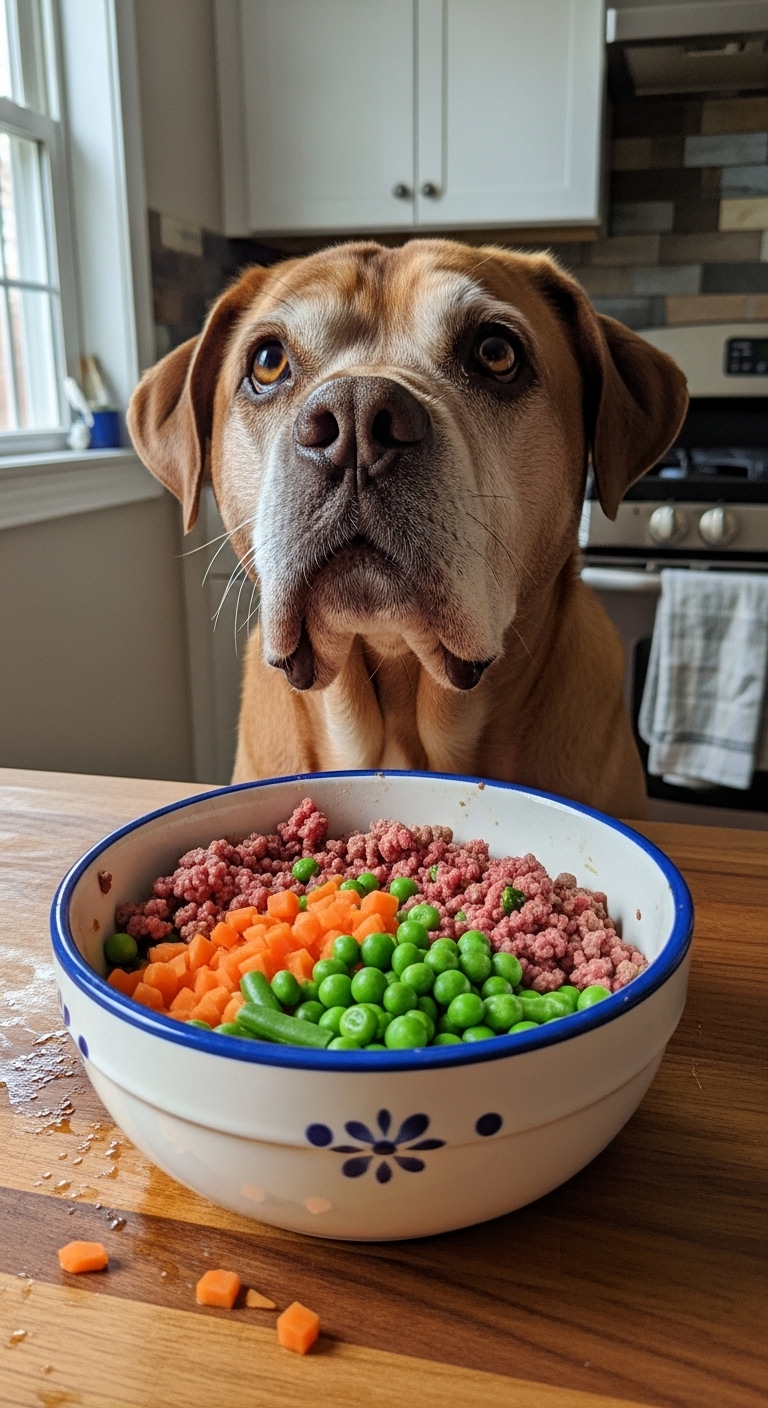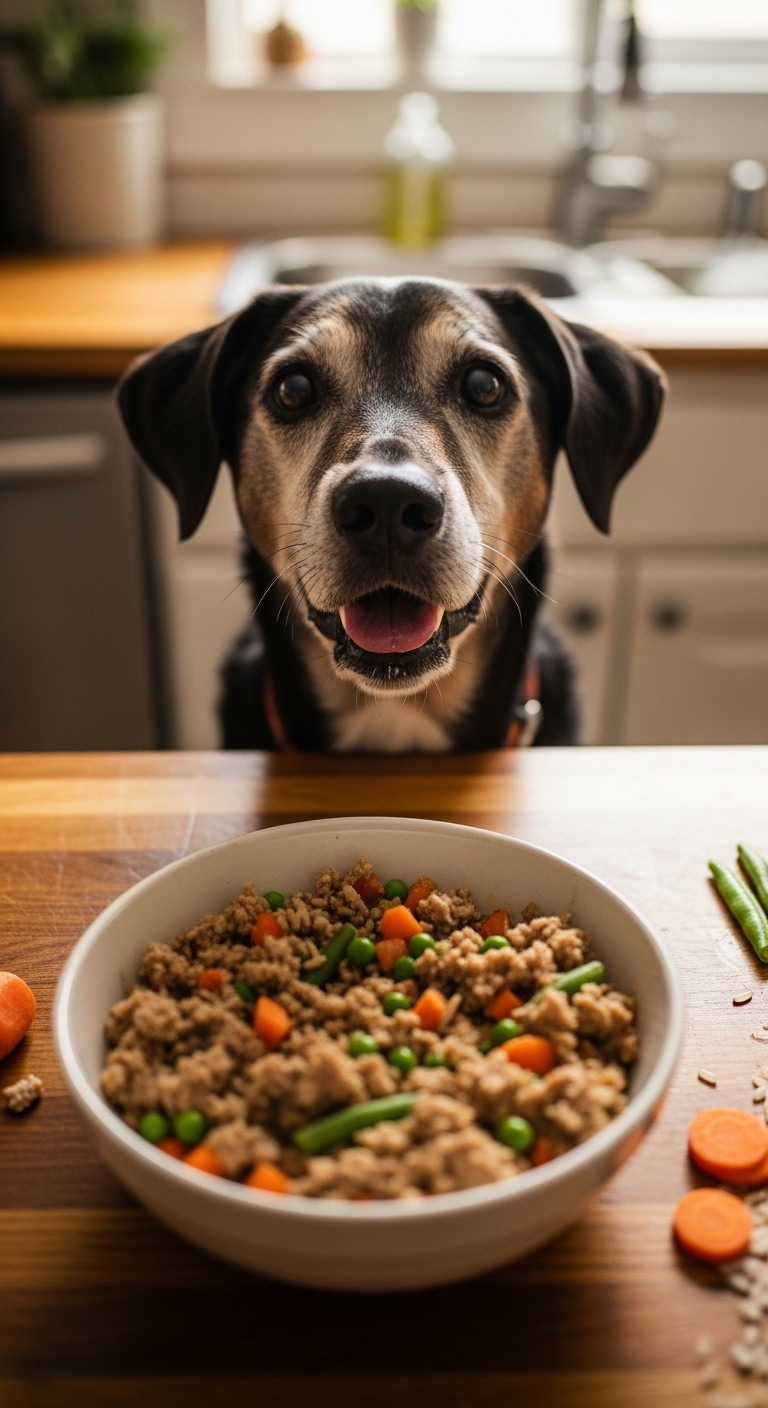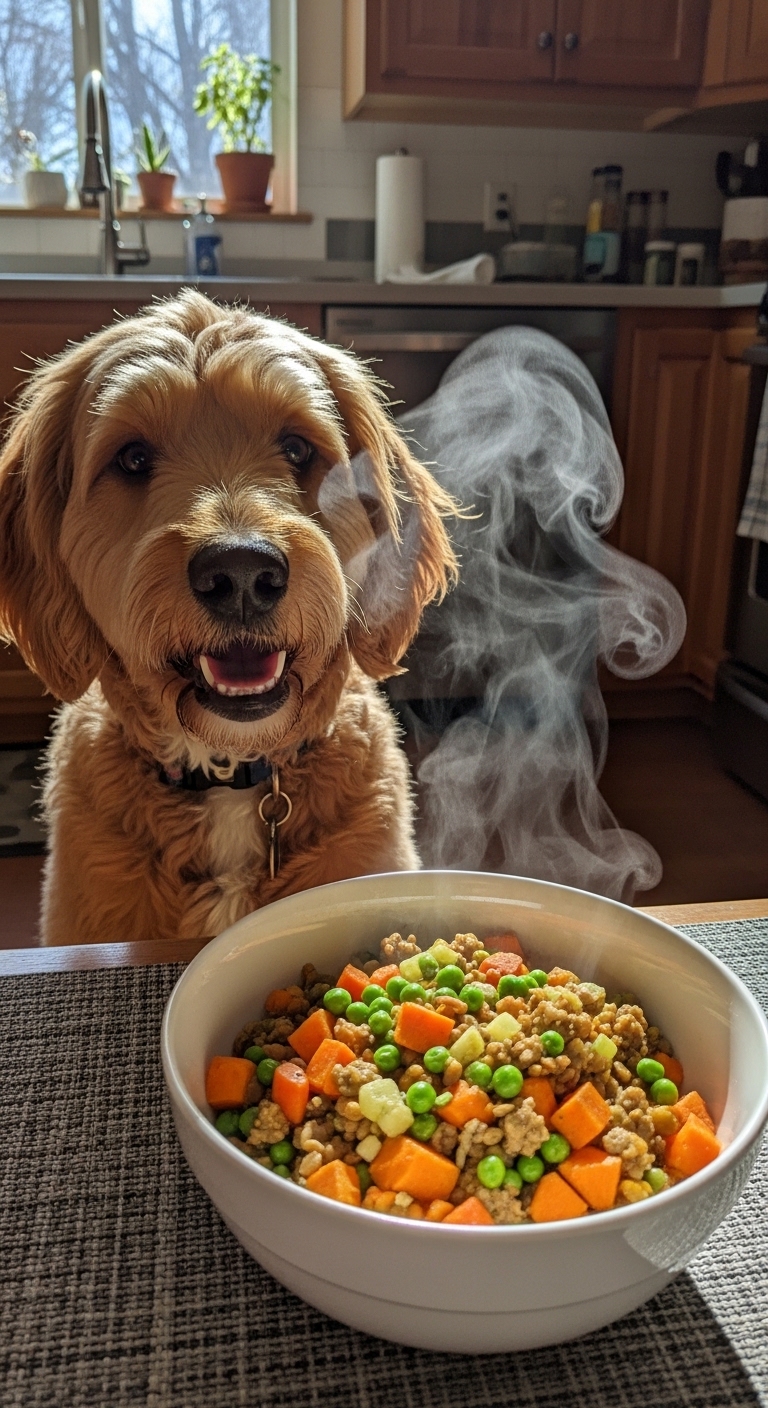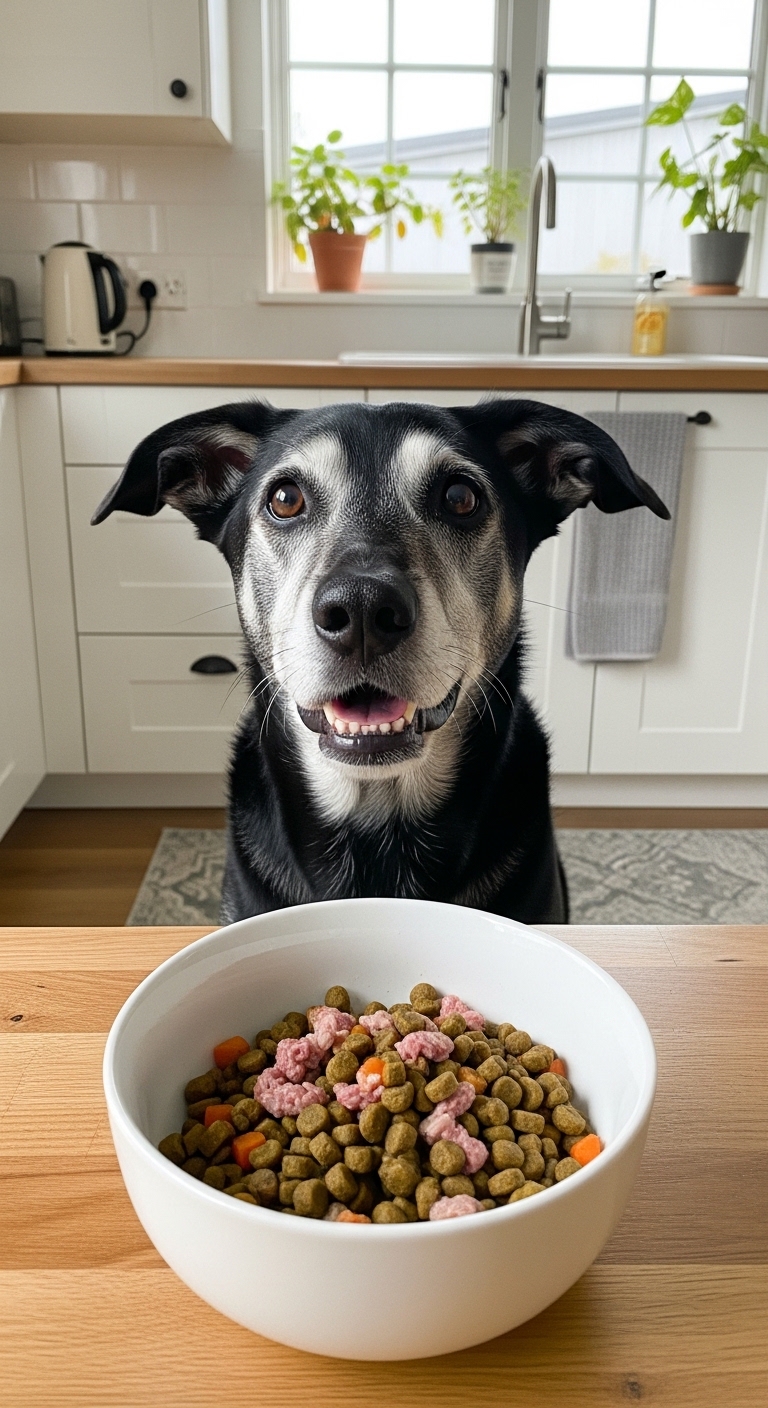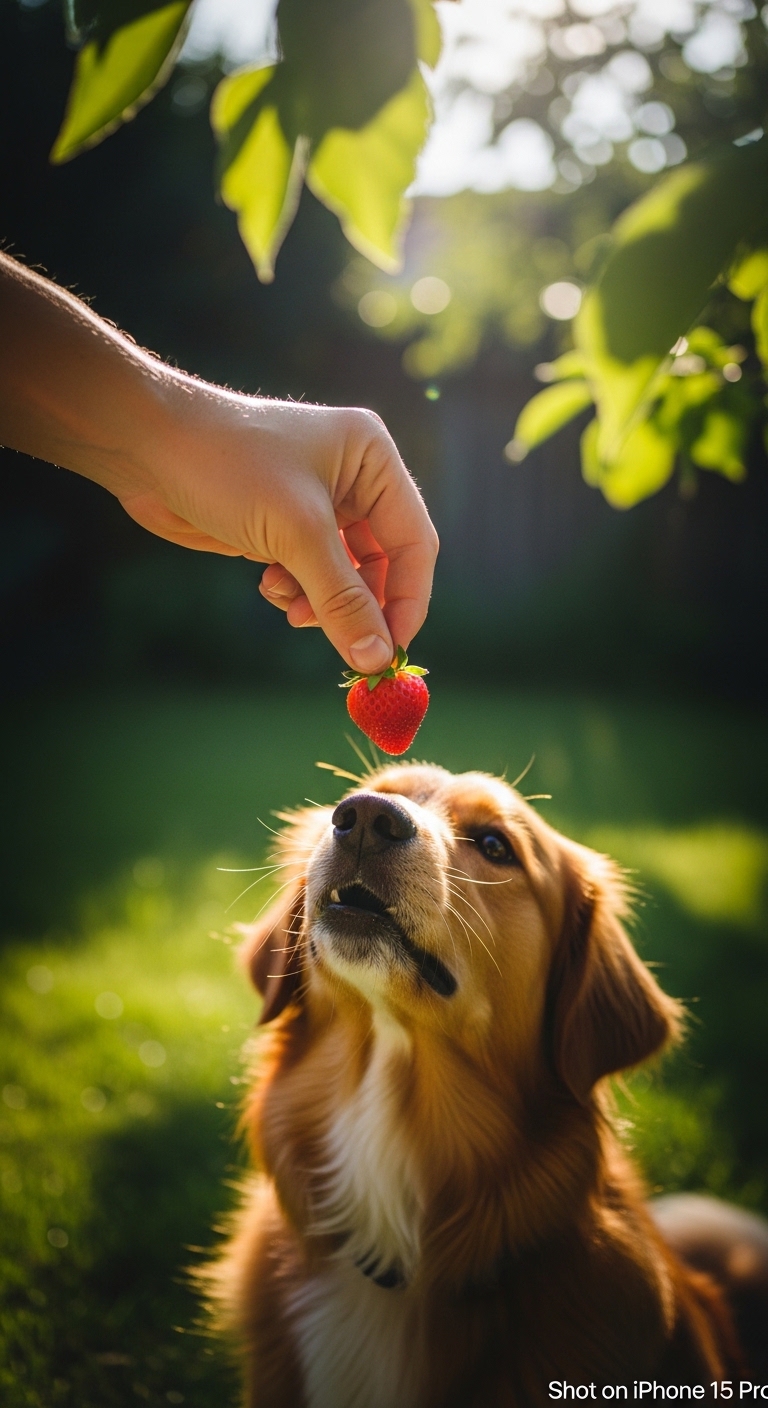
Homemade dog food can feel like a game-changer when you're tired of reading labels or worried about recalls. More than just a trend, it’s a way to know exactly what’s going into your dog’s bowl every day. For many pet owners, it’s not just about nutrition: it’s about trust, simplicity, and giving their dog the best possible start in life.
I still remember the first time I cooked for my rescue terrier. She went from a hesitant eater to a tail-wagger at dinner: proof that fresh, simple food can make a real difference in how your dog feels every day.
Key Things to Understand
- A balanced homemade diet needs protein, healthy fats, and fiber: to keep your dog energized and satisfied
- Portion sizes depend on your dog’s weight and activity level: overfeeding can lead to weight gain, just like with people food
- Common ingredients like onions, garlic, and grapes are toxic: and must be avoided completely
- Cooking methods matter: boiling or baking keeps nutrients intact better than frying
- Supplements like calcium or fish oil may be needed: depending on your recipe to fill nutritional gaps
What to Look For
Watch for signs your dog isn’t getting enough protein: dull coat, low energy, or weight loss can all be clues. If your dog starts leaving food uneaten after months of finishing every bite, it might be time to adjust the recipe or check for health changes. Pay attention to how your dog’s stool looks after meals; firm but not hard, well-formed stools usually mean the food is agreeing with them. If you notice loose stools or gas, it could signal an ingredient isn’t sitting well and the recipe might need tweaking.
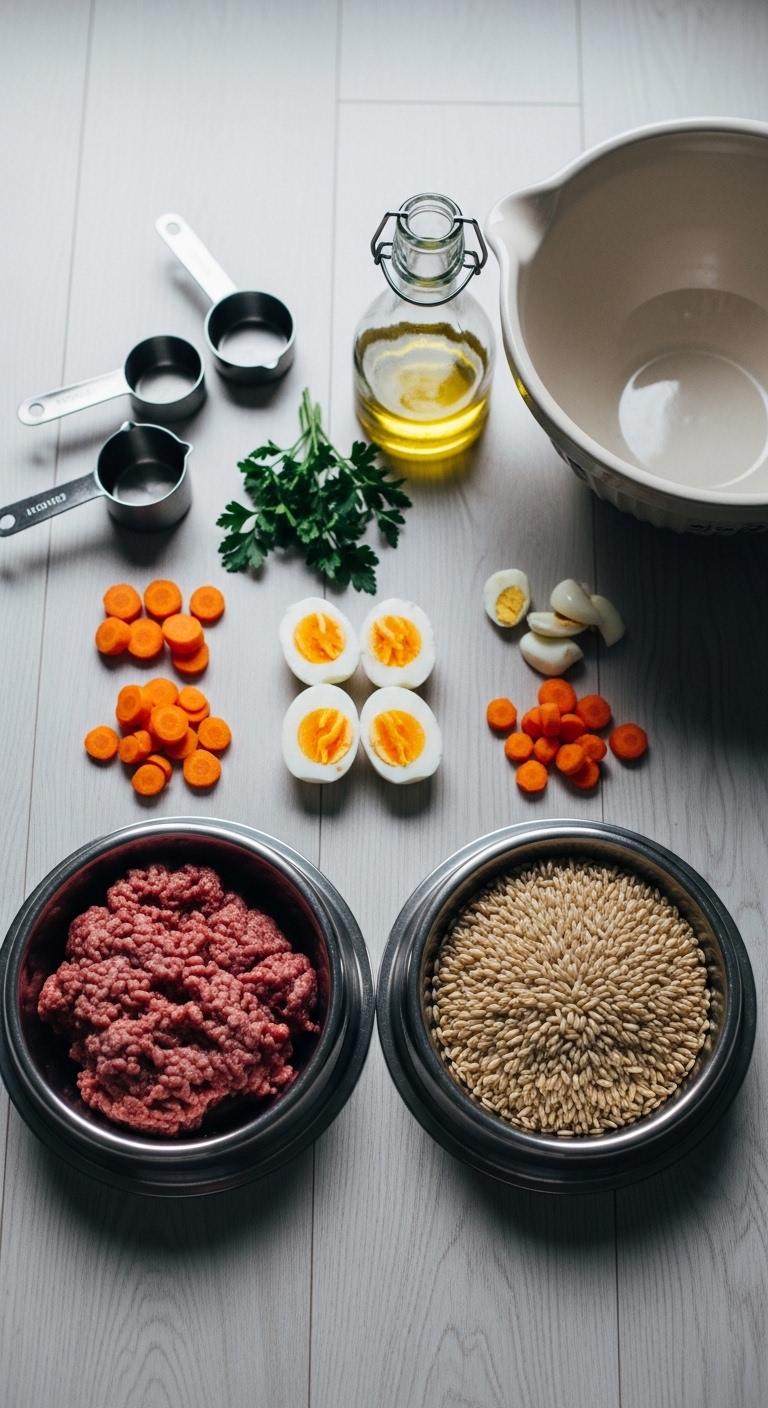
I once switched my dog to a homemade recipe right before a family trip. The change in her energy and coat quality made the extra prep worth it, especially since I could pack her meals in advance. It’s easy to overlook how much diet affects behavior, but a well-fed dog is usually a calmer, happier one. If your dog seems restless or overly hungry after meals, it might be a sign the portions aren’t quite right.
Daily Care Habits
Set a feeding schedule and stick to it: dogs thrive on routine just like kids do. If you’re gone all day, consider a slow feeder or puzzle bowl to make mealtime last longer and prevent gulping. Keep fresh water available at all times, especially when switching to a new diet. Watch for changes in thirst, as it can signal an imbalance or health issue.
Choosing the Right Product
If you’re short on time, look for pre-mixed base blends that just need protein added. Compare ingredient lists side by side: meat should always be the first item, not a vague term like “meat meal.” Avoid recipes with artificial colors or preservatives, even if they claim to be natural. Check the packaging for storage instructions: some homemade mixes need refrigeration while others are shelf-stable.
Cleaning and Hygiene
Wash bowls and utensils daily to prevent bacteria buildup, especially when handling raw meat. Store leftovers in airtight containers and label them with the date: homemade food usually lasts 3 to 5 days in the fridge. If you batch cook, freeze portions in single-serving sizes for easy thawing later. Clean the feeding area regularly to keep pests away and maintain a fresh environment.
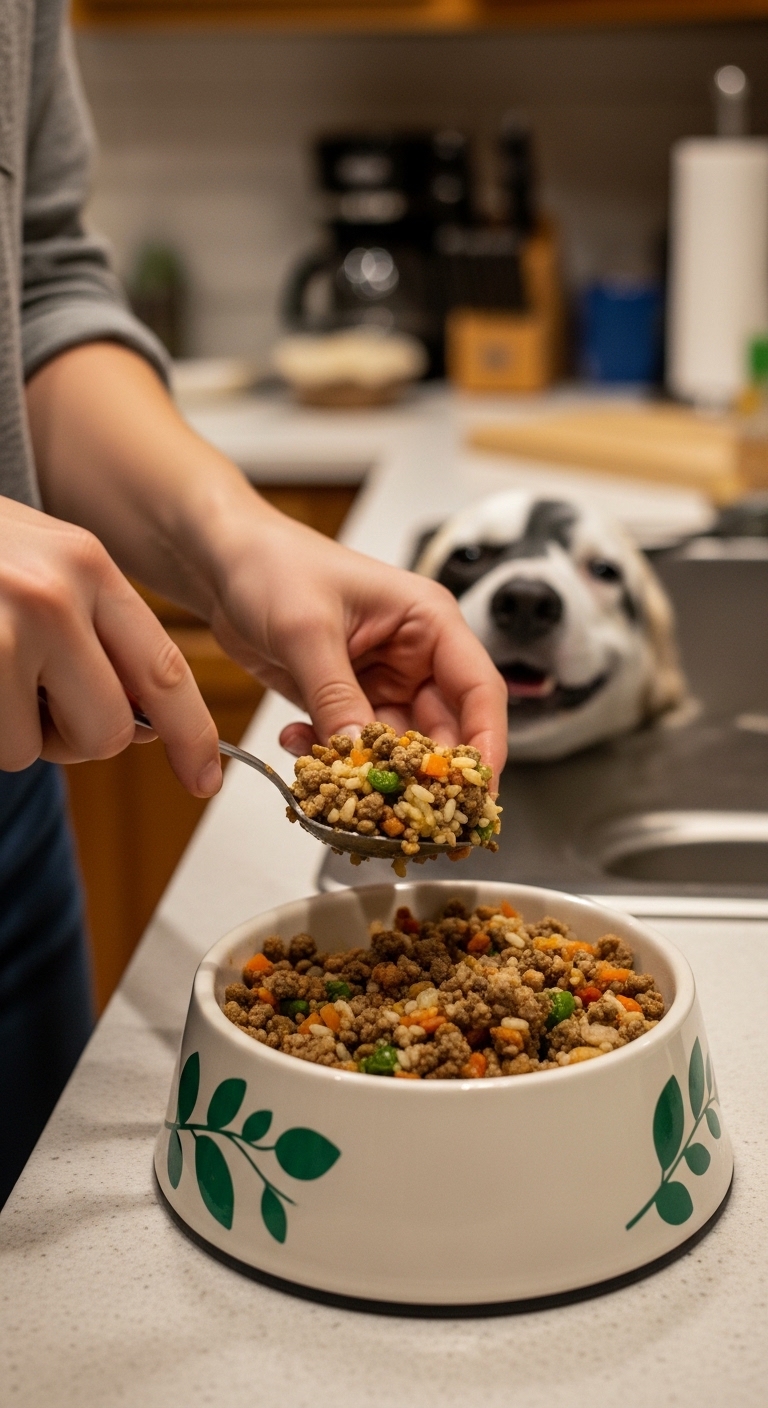
Homemade dog food puts you in control of your pet’s nutrition, but balance and consistency are key. Small adjustments can make a big difference in their health and happiness.
Frequently Asked Questions
- → What are the benefits of homemade dog food?
Homemade dog food allows you to control ingredients, avoid preservatives, and tailor meals to your dog's nutritional needs. It can improve digestion, coat health, and energy levels when properly balanced.
- → Can I use this recipe for all dog breeds?
While the recipe is generally safe for most dogs, portion sizes and ingredient ratios should be adjusted based on your dog's size, age, and activity level. Consult your vet for breed-specific recommendations.
- → How long does homemade dog food last?
Store prepared food in an airtight container in the refrigerator for up to 3 days or freeze for up to 3 months. Thaw frozen portions in the fridge before serving.
- → What proteins work best in dog food recipes?
Lean meats like chicken, turkey, and beef are excellent choices. Fish such as salmon provides omega-3 fatty acids. Always cook proteins thoroughly and avoid seasoning with salt or spices.
- → How do I transition my dog to homemade food?
Start by mixing a small portion of the new food with your dog's current food, gradually increasing the ratio over 7-10 days. Monitor for any digestive changes or allergies during the transition.
- → Are vegetables safe for all dogs?
Most vegetables are safe, but some like onions, garlic, and mushrooms are toxic. Stick to dog-friendly options like carrots, green beans, and sweet potatoes. Always introduce new vegetables gradually.