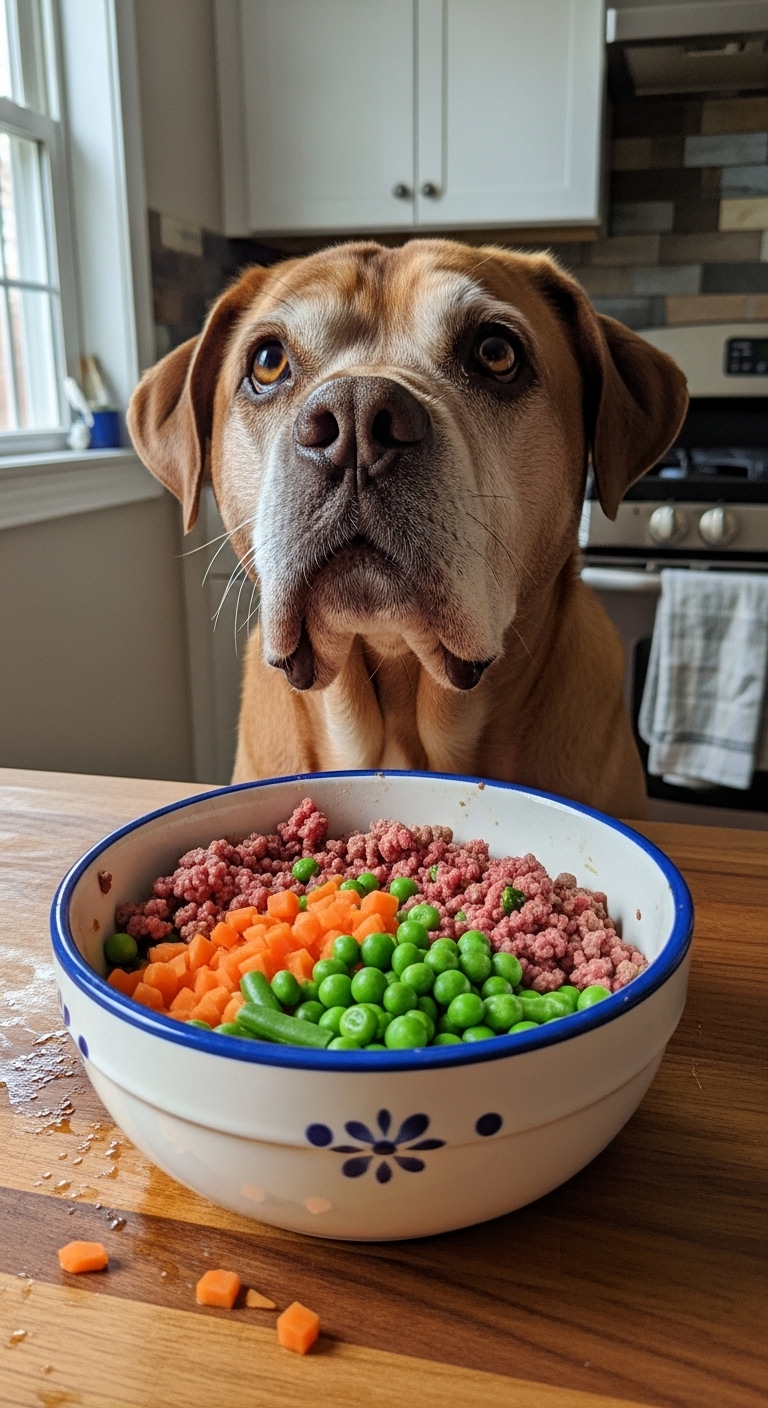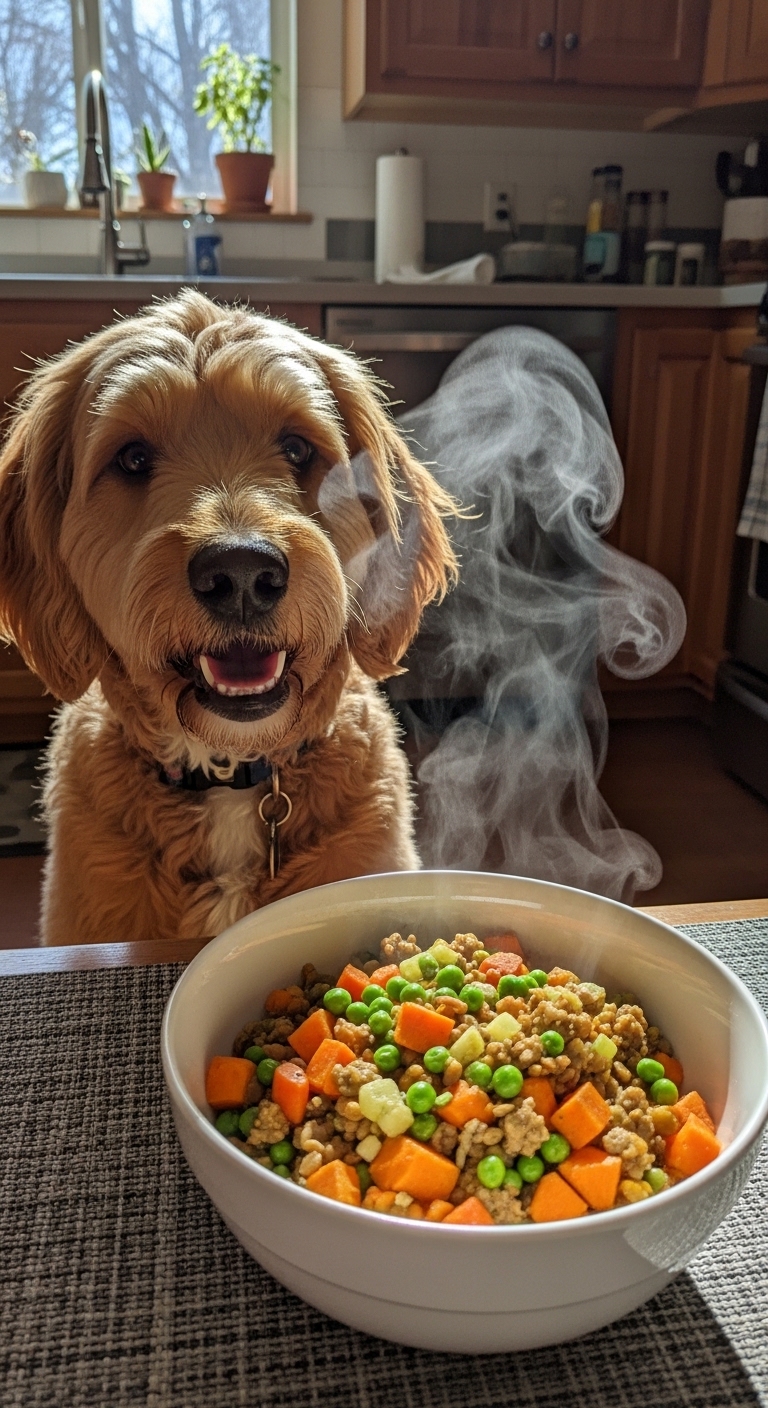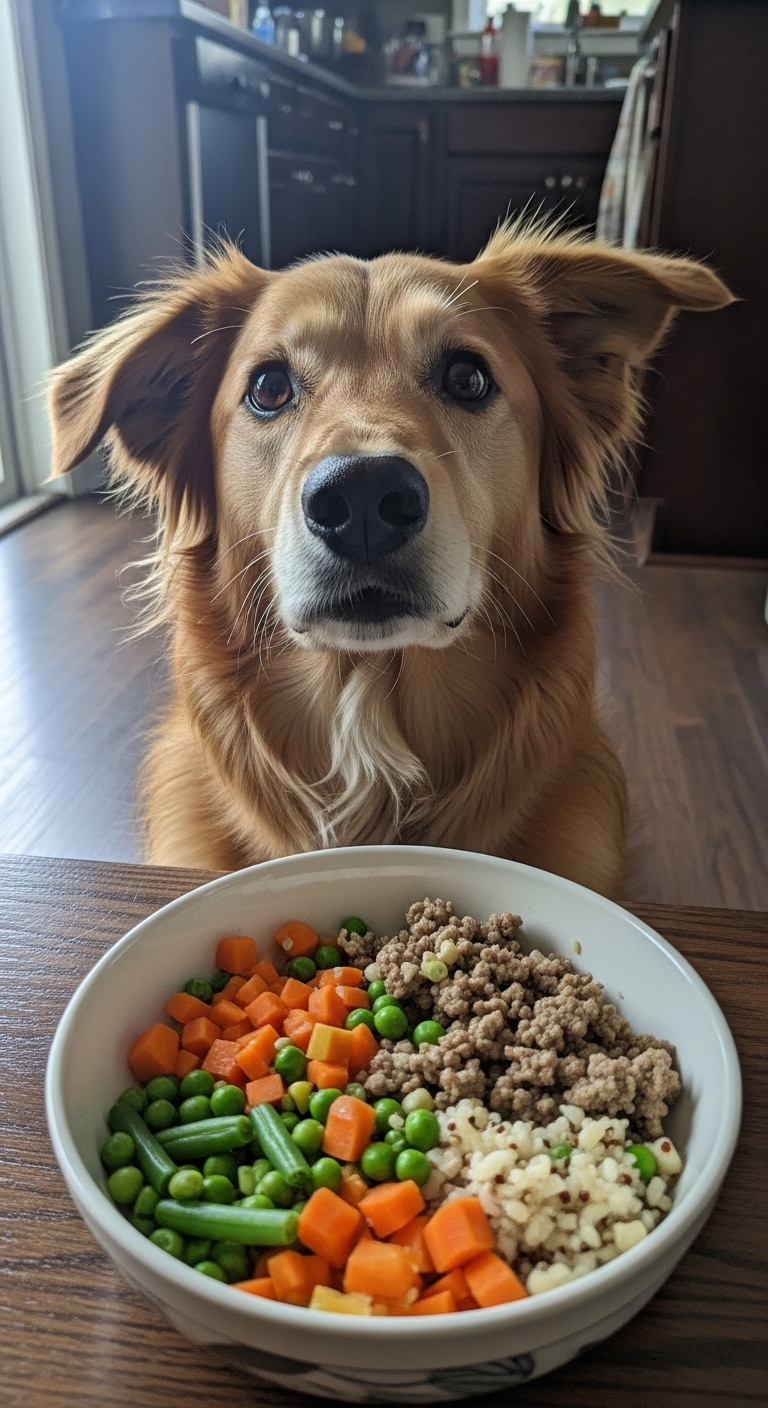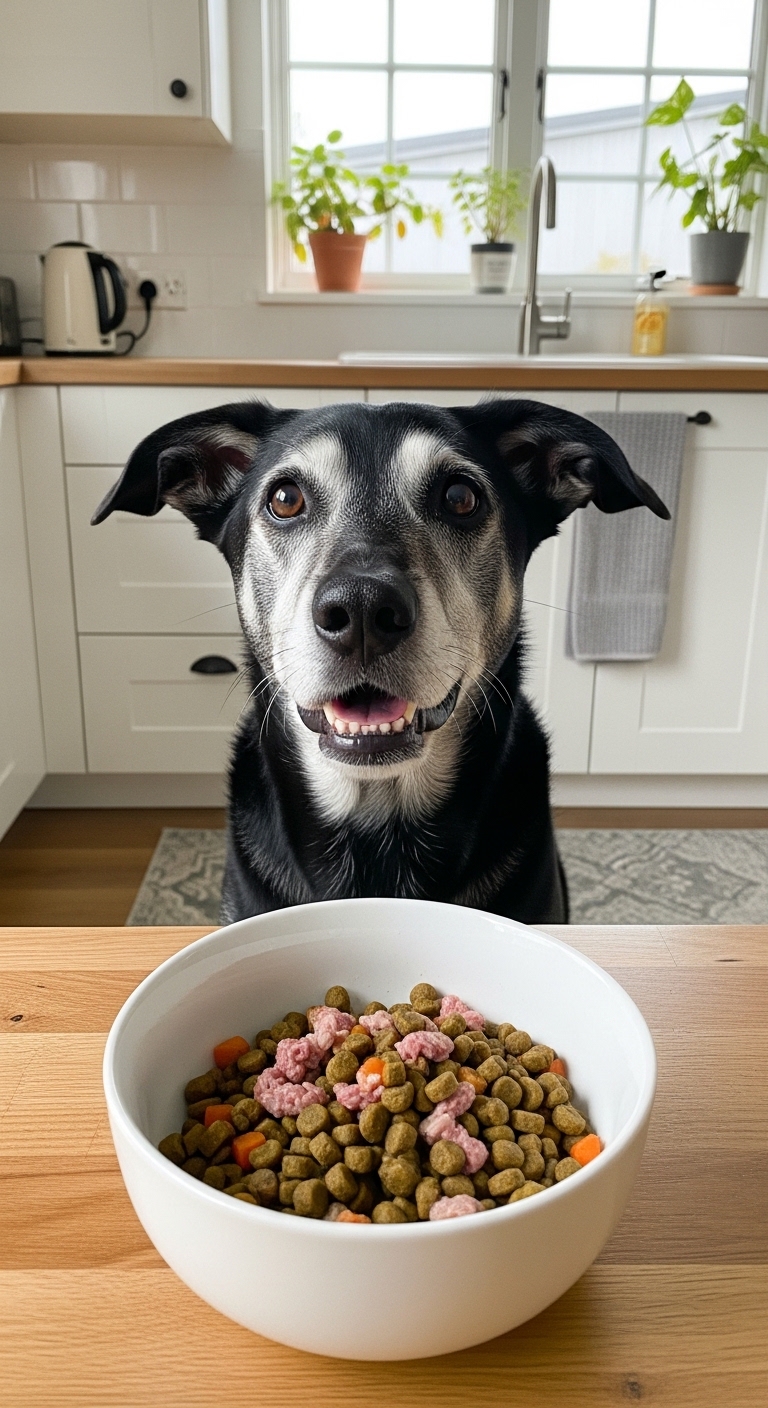
Homemade dog food has become a popular choice for pet owners who want to take control of what their furry friends eat. With rising concerns about commercial pet food ingredients and recalls, many are turning to simple, whole-food meals to ensure their dogs get the nutrition they need. Whether addressing allergies, improving digestion, or providing fresher meals, cooking for your dog can make a real difference in their health and happiness.
I still remember the first time I switched my senior dog to homemade meals. Within weeks, her energy picked up, and her coat looked shinier—small changes that made a big difference in her daily life.
Key Things to Understand
- Balanced nutrition: Homemade dog food must include the right mix of protein, fats, carbohydrates, vitamins, and minerals. Without proper planning, deficiencies can harm your pet over time.
- Vet consultation: Always consult your vet before making major dietary changes, especially if your dog has health conditions.
- Safe ingredients: Use fresh, high-quality ingredients and avoid toxic foods like onions, garlic, grapes, and chocolate.
- Cooking methods: Steaming or boiling preserves nutrients better than frying. Portion sizes should match your dog’s weight, age, and activity level.
What to Look For
When preparing homemade meals, pay attention to your dog’s reaction after eating. Look for signs of improved energy, a healthier coat, or better digestion, but also watch for negative changes like vomiting, diarrhea, or lethargy. The food texture should be soft and easy to chew, especially for older dogs or those with dental issues. Grains like rice or oats should be cooked thoroughly to aid digestion. Lean meats (chicken, turkey) work well as protein sources, but avoid fatty cuts that could upset the stomach. Fresh vegetables should be chopped finely or pureed for better nutrient absorption. If your dog has allergies, monitor ingredients that might trigger reactions, such as certain proteins or grains.
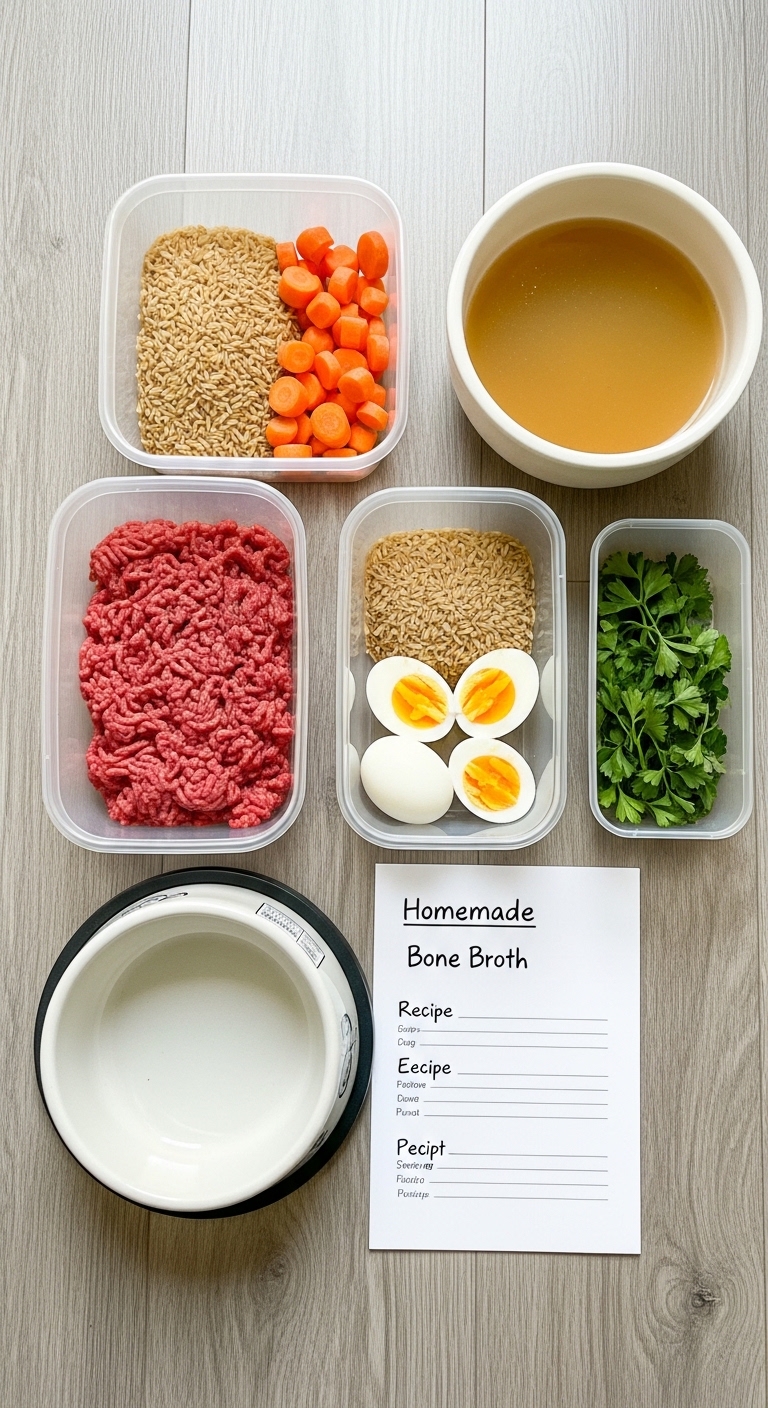
I once met a dog owner who switched to homemade food but forgot to add calcium. Her puppy developed bone weakness before she realized the mistake.
Daily Care Habits
Incorporating homemade meals into your dog’s routine can be simple. Start by replacing one meal a day, then gradually increase if your dog tolerates it well. Store leftovers in airtight containers in the fridge for up to three days, or freeze portions for longer storage. Thaw frozen meals in the fridge overnight and serve at room temperature. For picky eaters, try warming the food slightly or mixing in plain yogurt for extra flavor.
Choosing the Right Product
Not all ingredients are safe for dogs. Lean proteins like chicken, beef, or fish are excellent, but avoid seasoning with salt, pepper, or spices. Safe vegetables include carrots, green beans, and sweet potatoes, while fruits like seedless apples and blueberries make great treats. Avoid toxic foods like avocado, mushrooms, and raw potatoes. When in doubt, consult your vet or a reliable source to confirm an ingredient’s safety.
Safety and Comfort
Always wash hands and utensils thoroughly after handling raw meat to prevent bacterial contamination. Use separate cutting boards for meat and vegetables to avoid cross-contamination. Introduce new foods slowly for dogs with sensitive stomachs, watching for discomfort like bloating or excessive gas. Keep meals simple at first, then gradually add variety to monitor your dog’s response.
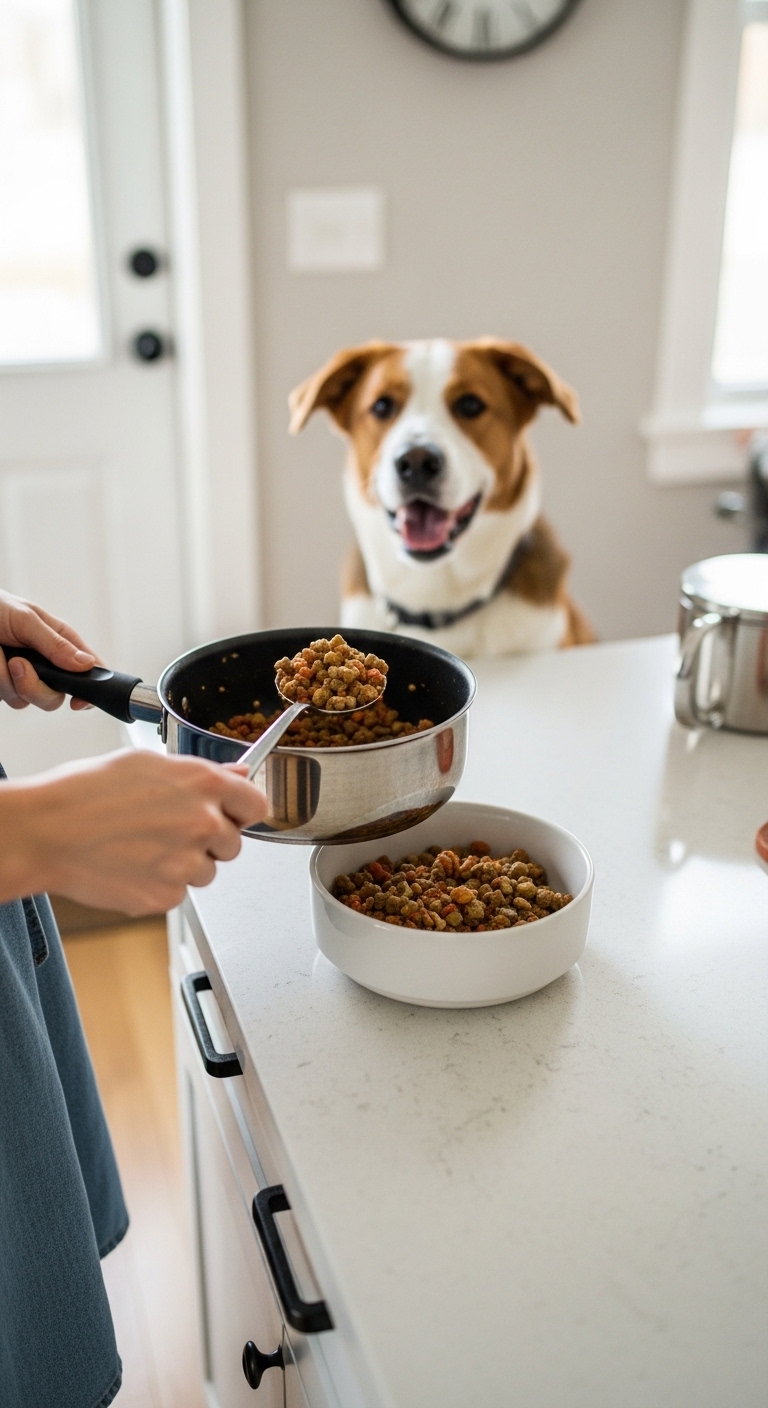
The effort put into homemade meals can lead to better health and a happier, more energetic dog.
Frequently Asked Questions
- → What are the benefits of homemade dog food?
Homemade dog food allows you to avoid artificial additives, preservatives, and low-quality fillers found in commercial foods. It ensures freshness, customization for dietary needs (allergies, weight management), and better ingredient transparency. Many pet owners report improved digestion, shinier coats, and increased energy levels in their dogs.
- → Which proteins work best for homemade dog food?
Lean proteins like chicken, turkey, beef, and fish are excellent choices. Organ meats (liver, kidney) provide essential nutrients, but avoid fatty cuts. Always cook proteins thoroughly to eliminate bacteria, and ensure they’re boneless to prevent choking hazards. Rotate proteins to provide varied nutrition.
- → How do I balance nutrients in homemade dog food?
Consult your vet to ensure meals meet AAFCO standards. A balanced recipe typically includes 50% protein, 25% vegetables, and 25% carbohydrates (like rice or sweet potato). Add calcium supplements (eggshell powder or bone meal) and essential fatty acids (fish oil) for overall health. Avoid toxic foods like onions, garlic, grapes, and chocolate.
- → Can I feed homemade food to puppies?
Yes, but it requires careful planning. Puppies need higher protein, fat, and calcium for growth. Work with your vet to create a puppy-specific recipe that supports bone and muscle development. Monitor their weight and adjust portions as they grow. Avoid homemade diets for puppies under 8 weeks old.
- → How long does homemade dog food last?
Fresh homemade food lasts 3–4 days in the fridge or up to 3 months in the freezer. Store meals in airtight containers and thaw in the fridge before serving. Discard any uneaten food left out for over 2 hours to prevent spoilage. Label meals with dates to track freshness.
- → Are there risks to homemade dog food?
Yes, if not properly balanced, homemade diets can lead to deficiencies (e.g., calcium, vitamin D) or excesses (e.g., fat). Always follow vet-approved recipes or consult a veterinary nutritionist. Avoid overfeeding fats, which can cause pancreatitis, and never use seasonings like salt or garlic. Transition slowly to avoid digestive issues.