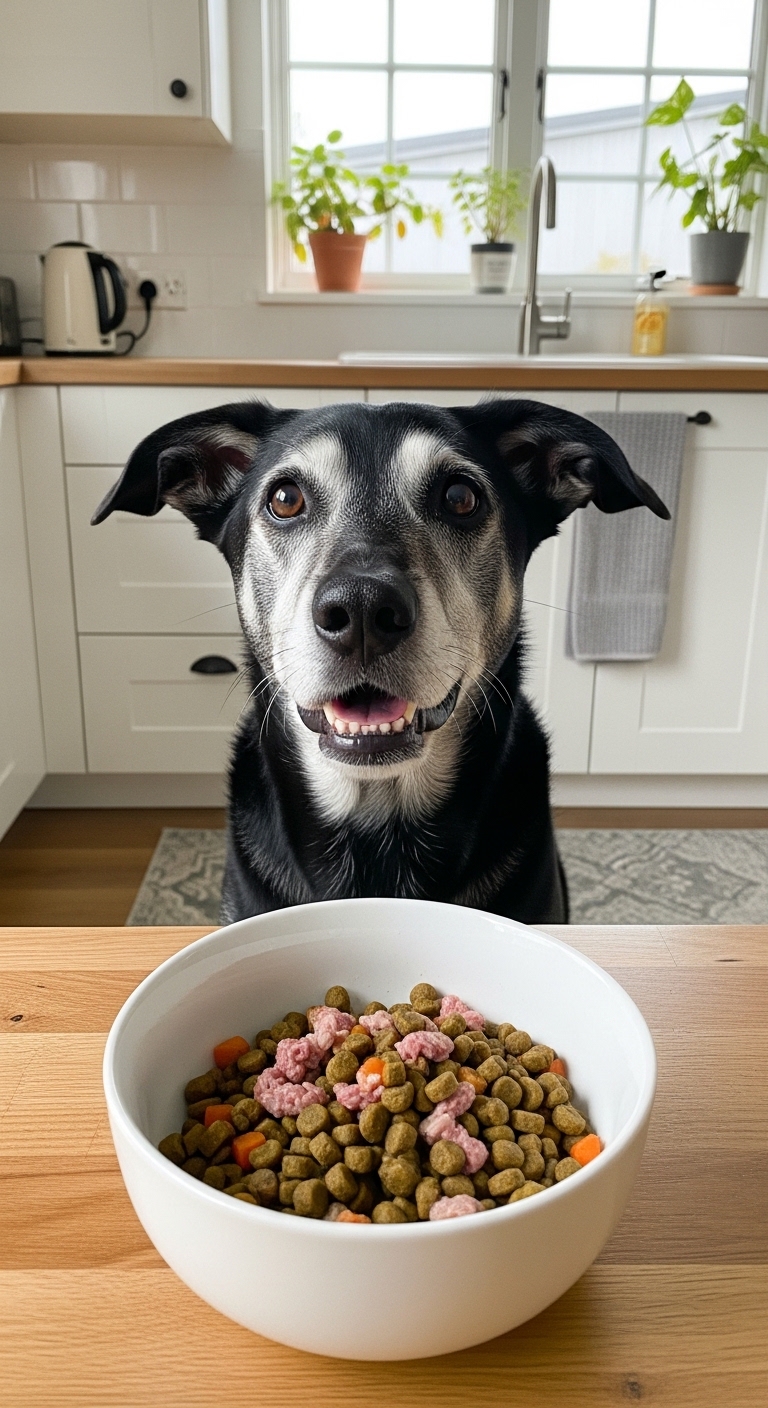
Feeding your dog fresh, homemade meals can improve their health while being budget-friendly. A crockpot simplifies the process by allowing you to prepare balanced, additive-free meals with minimal effort. This approach is especially useful for dogs with sensitive stomachs or food allergies, as it lets you control every ingredient. Whether you want to repurpose leftovers or ensure your pup gets seasonal produce, slow cooking makes it easy to provide wholesome nutrition without sacrificing convenience.
I’ll never forget the first time I served my senior lab a batch of crockpot dog food. Her excitement at mealtime—and the way she devoured every bite—made it clear how much she appreciated the fresh, gentle meal after years of processed kibble. It was a small change that made a big difference in her energy and digestion.
Key Things to Understand
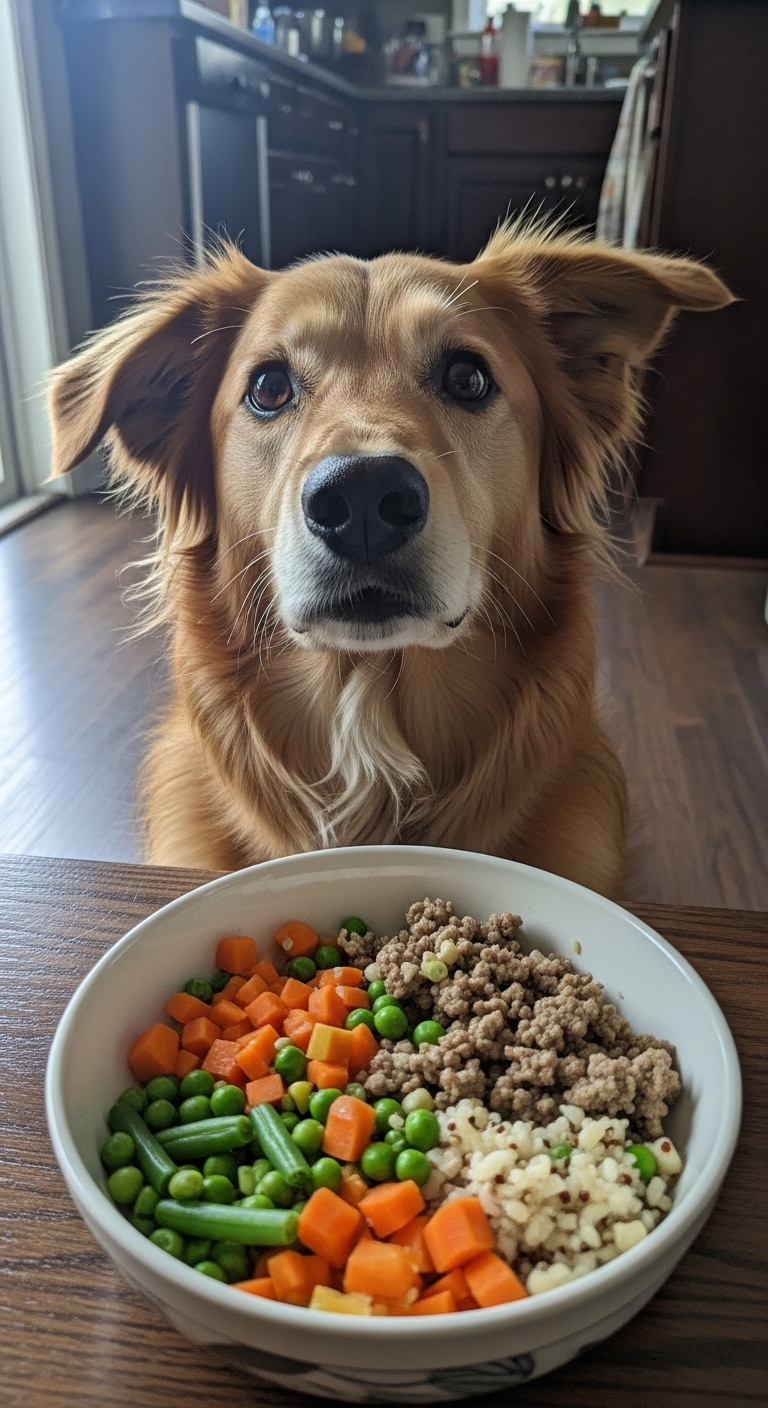
- Nutritional balance: A vet-approved homemade diet should include 50% protein, 25% vegetables, and 25% grains or starches. Never replace prescribed diets without professional advice.
- Toxic ingredients: Avoid onions, garlic, grapes, raisins, excessive salt, and spices, as these can harm your dog.
- Cooking adjustments: Dense vegetables need more time to soften, while delicate greens should be added later to retain nutrients.
- Portion control: A 30-pound dog typically requires 1 to 1.5 cups per meal, but adjust based on weight and activity level.
- Storage: Freeze portions in airtight containers to extend freshness for up to 3 months.
What to Look For
Tailor recipes to your dog’s needs. For skin or coat issues, add omega-rich ingredients like salmon or flaxseed. Sensitive stomachs benefit from bland proteins (chicken, turkey) paired with easy-to-digest pumpkin or sweet potato. Monitor their reaction to new foods: some dogs thrive on grain-free meals, while others need rice or oats for energy. Adjust texture for fast eaters by finely chopping ingredients to slow them down. Introduce changes gradually—mix a small amount into their regular food for a few days before fully switching—to prevent digestive upset.
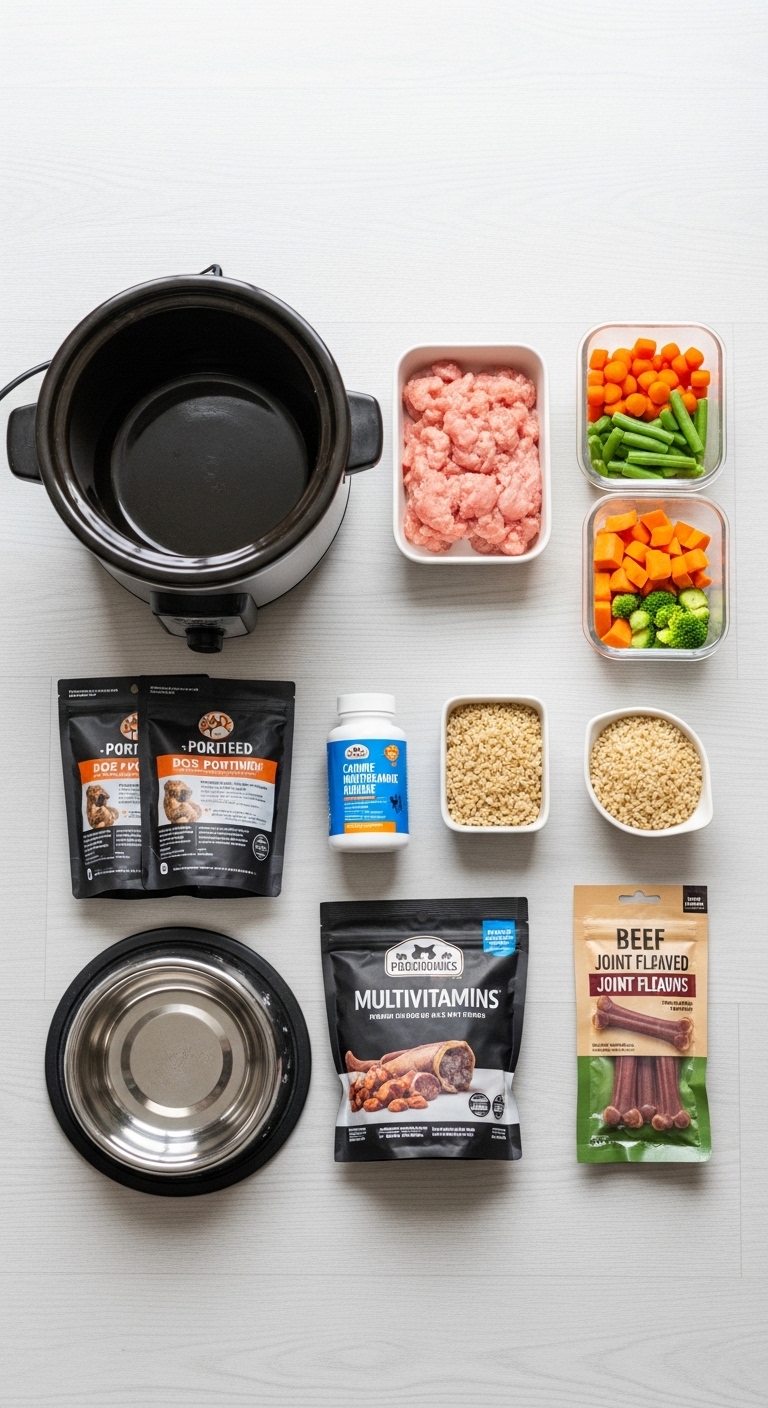
Early in my homemade dog food journey, I accidentally included garlic—only realizing later it’s toxic to dogs. A frantic call to the vet and a dose of activated charcoal saved my pup, but it was a stark reminder to verify every ingredient. Now, I keep a pet-safe first aid guide nearby whenever I experiment with new recipes. Even small mistakes can have serious consequences, so double-checking is non-negotiable.
Daily Care Habits
Batch cooking on weekends saves time and ensures your dog never misses a meal. Portion meals into labeled containers with dates and ingredients to track freshness. For dogs with allergies, log their reactions to different proteins or vegetables. Adjust portions as needed—for example, if your dog is recovering from illness or gaining weight. Storing meals in the fridge or freezer also lets you adapt quickly to changing dietary requirements.
Choosing the Right Product
Opt for a crockpot with a low-and-slow setting to prevent drying out meats. Removable stoneware inserts simplify cleaning, as dog food can leave stubborn residue. A 6-quart or larger model accommodates bulk cooking for multiple dogs or larger breeds. Avoid nonstick coatings that may scratch and harbor bacteria. Programmable timers are useful for starting meals before work, ensuring food is ready when you return home.
Safety and Comfort
Prevent cross-contamination by washing hands, utensils, and the crockpot before and after handling raw meat. Use separate cutting boards for pet food prep. Cool food to room temperature before serving to avoid burns, especially for puppies or senior dogs. For dental issues, mash food slightly or add warm water to soften it. Store cooked meals in shallow containers to cool evenly and quickly in the fridge.
Homemade dog food lets you prioritize your pet’s health without complicating your routine. With a little planning, you can provide meals that are as nourishing as they are delicious.
Frequently Asked Questions
- → What are the benefits of making dog food in a crockpot?
Crockpot dog food is healthier, free from artificial additives, and allows you to control ingredients. It’s also cost-effective and convenient for busy pet owners.
- → Can I use any type of meat in crockpot dog food?
Lean meats like chicken, turkey, or beef work best. Avoid fatty cuts, bones, and seasonings harmful to dogs, such as onions or garlic.
- → How long does it take to cook dog food in a crockpot?
Most recipes take 4-6 hours on low heat or 2-3 hours on high. Cooking times vary based on the ingredients and crockpot size.
- → Is crockpot dog food safe for all dogs?
Yes, if prepared with dog-safe ingredients. Always consult your vet before changing your dog’s diet, especially if they have health conditions.
- → Can I freeze crockpot dog food?
Absolutely! Portion the food into airtight containers or freezer bags and store for up to 3 months. Thaw in the fridge before serving.
- → What vegetables are safe for dogs in crockpot recipes?
Carrots, sweet potatoes, green beans, and pumpkin are excellent choices. Avoid toxic veggies like onions, mushrooms, or raw potatoes.