Can dogs eat bananas? It’s a question that pops up often among pet owners who want to share healthy snacks with their furry friends. Bananas are packed with potassium, fiber, and vitamins, making them a tempting treat, but not all human foods are safe for dogs. Before you slip your pup a piece, it’s worth knowing how to serve them properly to avoid any tummy troubles or bigger health issues.
I remember the first time I gave my golden retriever a banana slice: he looked so excited, but I panicked when he started gagging. Turns out, he just wasn’t used to the texture. That moment taught me how important it is to introduce new foods slowly and in small amounts.
Key Things to Understand
- Bananas are safe for dogs in moderation: they’re non-toxic and offer nutrients like potassium and vitamin B6.
- The high sugar content: means too much can lead to weight gain or digestive upset, especially in smaller breeds.
- The peel is difficult to digest: and can cause blockages, so always remove it before sharing.
- Some dogs may have allergies or sensitivities: so watch for signs like itching or vomiting after eating bananas.
- Frozen banana slices: can be a great hot-weather treat, but avoid adding any toppings like chocolate or sugar.
What to Look For
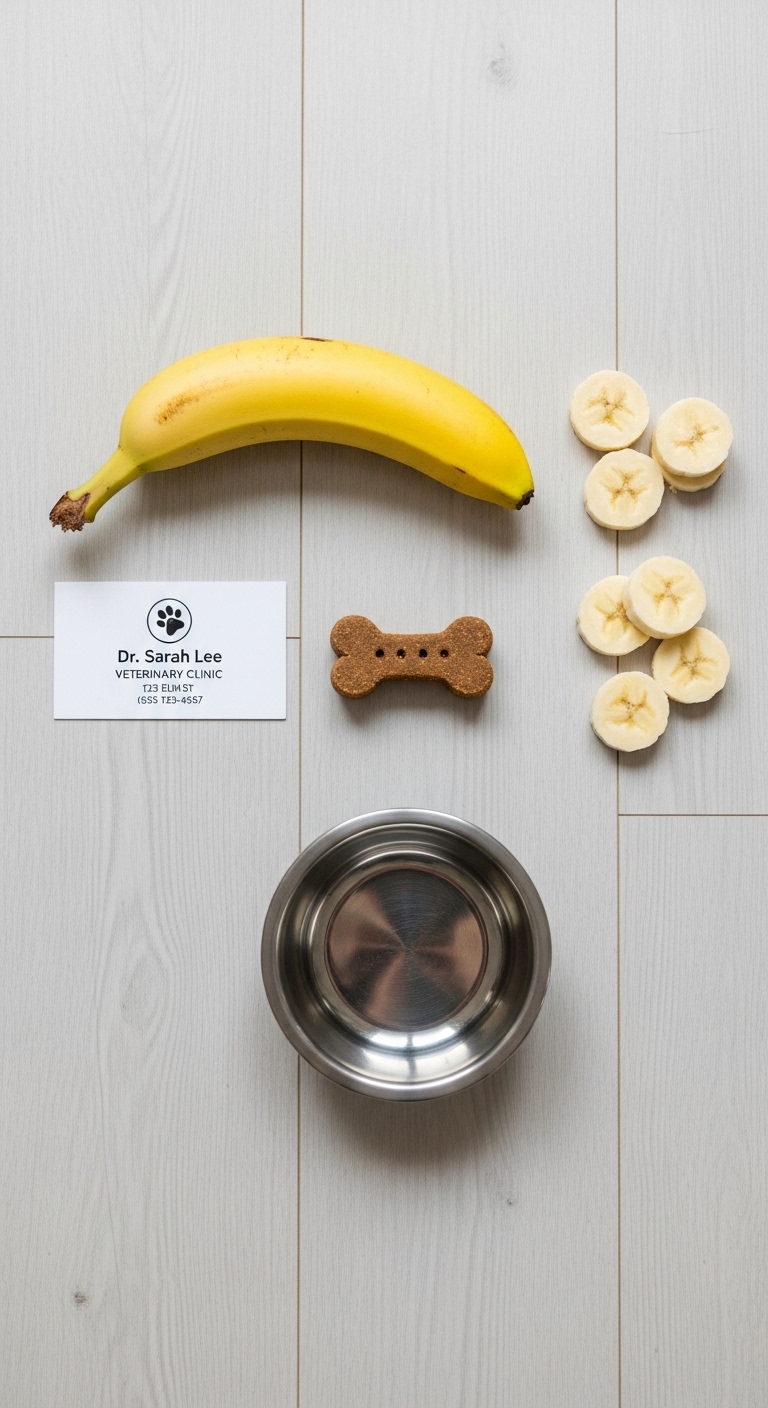
When introducing bananas to your dog, start with a tiny piece to see how they react. Watch for any changes in energy levels, stool consistency, or signs of discomfort like excessive licking or restlessness. If your dog seems fine after 24 hours, you can gradually increase the portion size, but keep it small: think one or two small slices for a medium-sized dog, less for smaller breeds.
Pay attention to the ripeness of the banana. Overripe bananas with brown spots are softer and easier for dogs to eat, but they also contain more sugar. Underripe bananas, with their greenish tint, are firmer and lower in sugar, which might be better for dogs prone to blood sugar spikes. If your dog has diabetes or is overweight, opt for less ripe bananas and serve them sparingly.
I once met a dog owner who fed her pup banana smoothies every day, thinking it was a healthy habit. Her dog ended up with severe diarrhea and had to visit the vet. The lesson? Even good things can cause problems if overdone. Moderation is key, and it’s always better to err on the side of caution.
Daily care habits
Bananas can be a fun way to add variety to your dog’s diet, but they shouldn’t become a daily habit. Rotate treats to keep things interesting and ensure your dog gets a balanced mix of nutrients from their regular food. If you’re using bananas as a training reward, break them into tiny pieces to avoid overfeeding.
Choosing the right product
When buying bananas for your dog, go for organic if possible to avoid pesticide residue. Wash the banana thoroughly even if you’re peeling it, just to be safe. Avoid bananas treated with preservatives or artificial ripening agents, as these can be harmful to pets.
Safety and comfort
Never force your dog to eat a banana if they’re not interested. Some dogs simply don’t like the taste or texture. If your dog has a sensitive stomach, introduce bananas slowly and in very small amounts. If you notice any signs of discomfort, like bloating or lethargy, discontinue use and consult your vet.
Common mistakes to avoid
One big mistake is assuming all fruits are safe for dogs. Grapes and raisins, for example, are toxic, so always double-check before sharing. Another error is giving your dog banana-flavored human snacks, like yogurt or cereal, which often contain additives that aren’t dog-friendly. Stick to plain, fresh bananas.
Cleaning and hygiene
If you’re using bananas as a treat during training or playtime, make sure to clean up any leftovers promptly. Bananas can attract ants or fruit flies if left out, and the sticky residue can be hard to clean off floors or carpets. A quick wipe-down with a damp cloth after your dog eats is all it takes to keep things tidy.
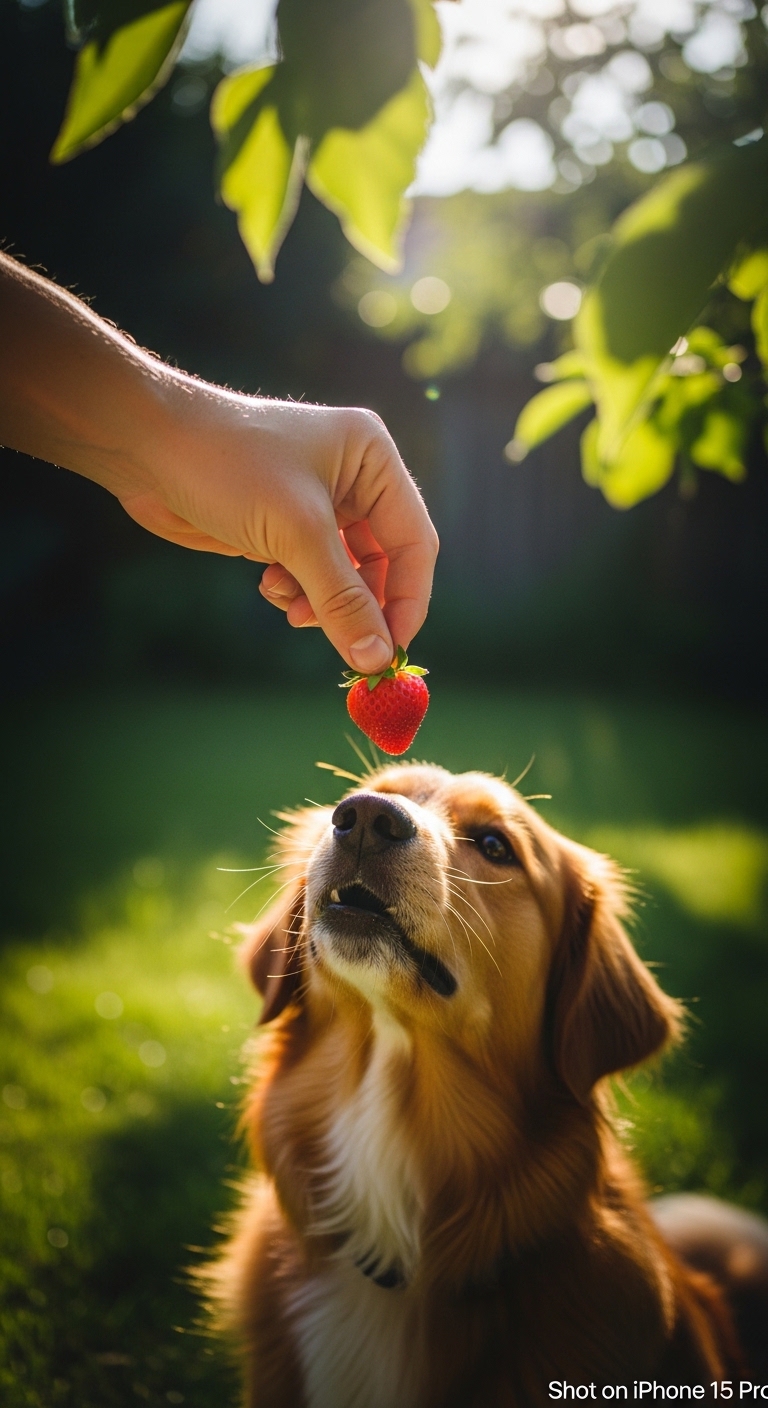
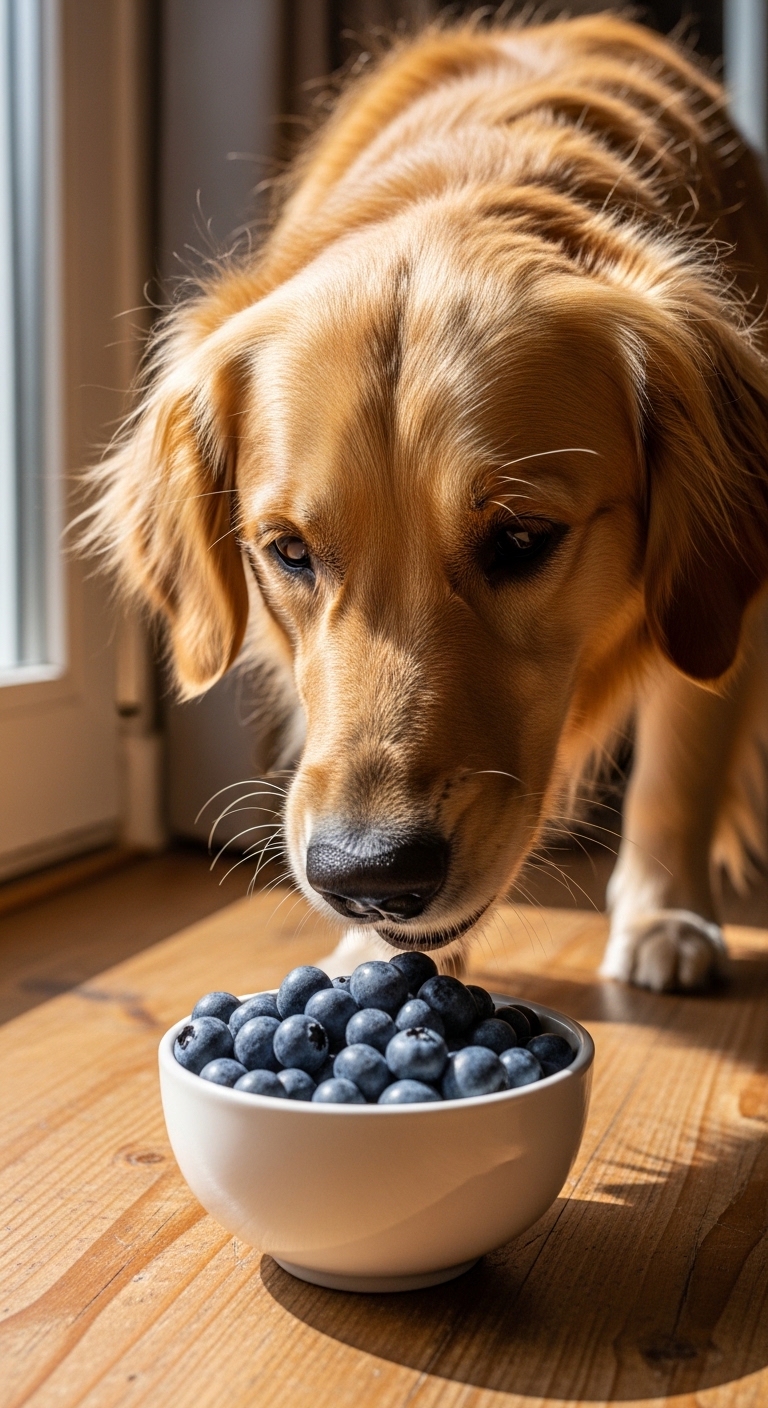
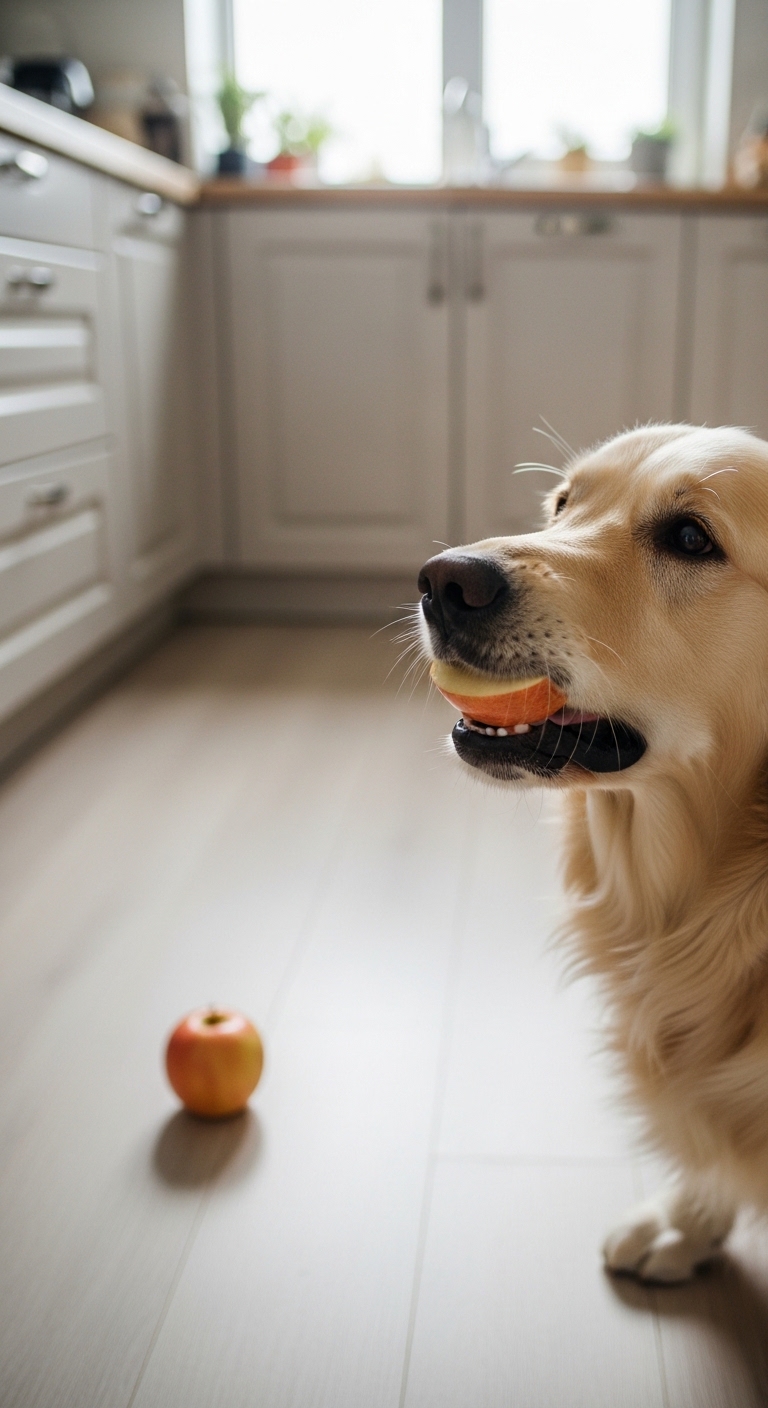
Some dogs go crazy for bananas, while others couldn’t care less. It’s all about individual taste, just like with humans. If your dog isn’t a fan, there are plenty of other dog-safe fruits to try, like blueberries or apple slices (without seeds).

Frequently Asked Questions
- → How much banana can I give my dog?
For small dogs, a few small pieces (about 1-2 inches) once or twice a week is sufficient. Larger dogs can have up to half a banana in one serving, but it should still be an occasional treat rather than a daily food.
- → Are banana peels safe for dogs?
No, banana peels are not safe for dogs. They are difficult to digest and can cause intestinal blockages or choking hazards. Always remove the peel before offering bananas to your dog.
- → Can puppies eat bananas?
Yes, puppies can eat bananas in very small amounts as an occasional treat. Ensure the pieces are tiny and soft to avoid choking. Introduce new foods slowly to monitor for any adverse reactions.
- → What are the benefits of bananas for dogs?
Bananas provide essential nutrients like potassium, vitamin B6, and vitamin C, which support heart health, immune function, and digestion. They are also a good source of fiber, which can aid in digestive regularity.
- → Can dogs with diabetes eat bananas?
Dogs with diabetes should avoid bananas due to their high sugar content. Even small amounts can spike blood sugar levels. Always consult your veterinarian before introducing new foods to a diabetic dog's diet.
- → How should I serve bananas to my dog?
Serve bananas plain, without any added sugars, spices, or toppings. You can slice them into small pieces, mash them, or even freeze them for a refreshing treat. Avoid canned or processed bananas, as they may contain added sugars or preservatives.