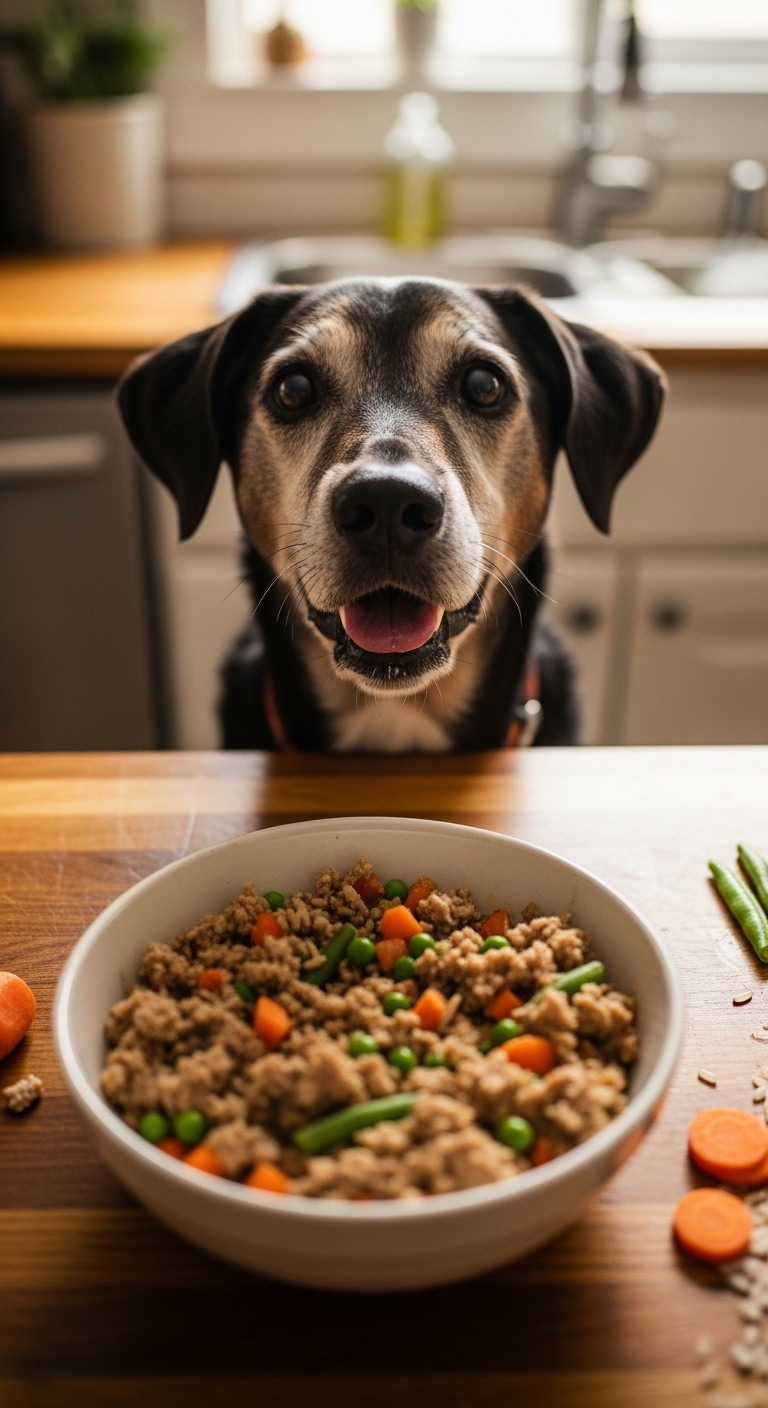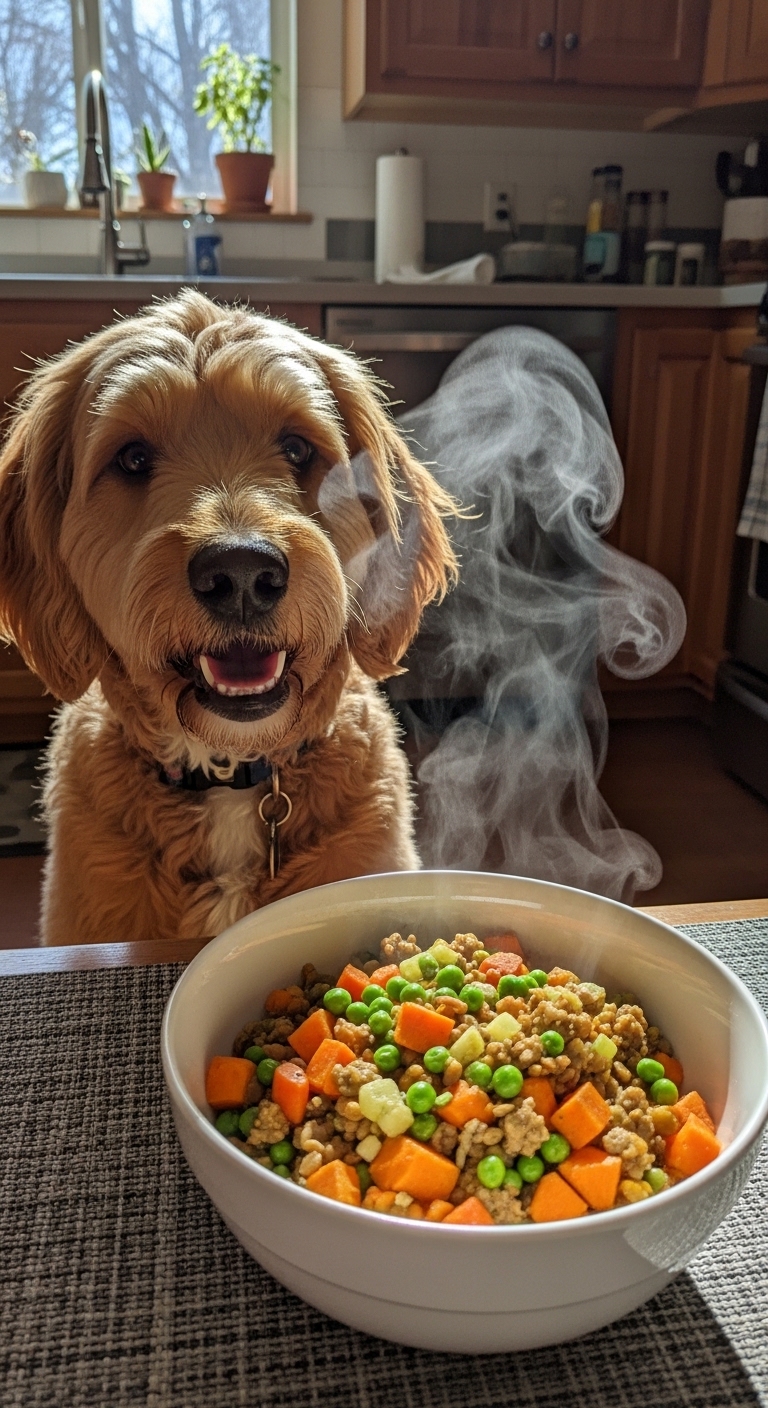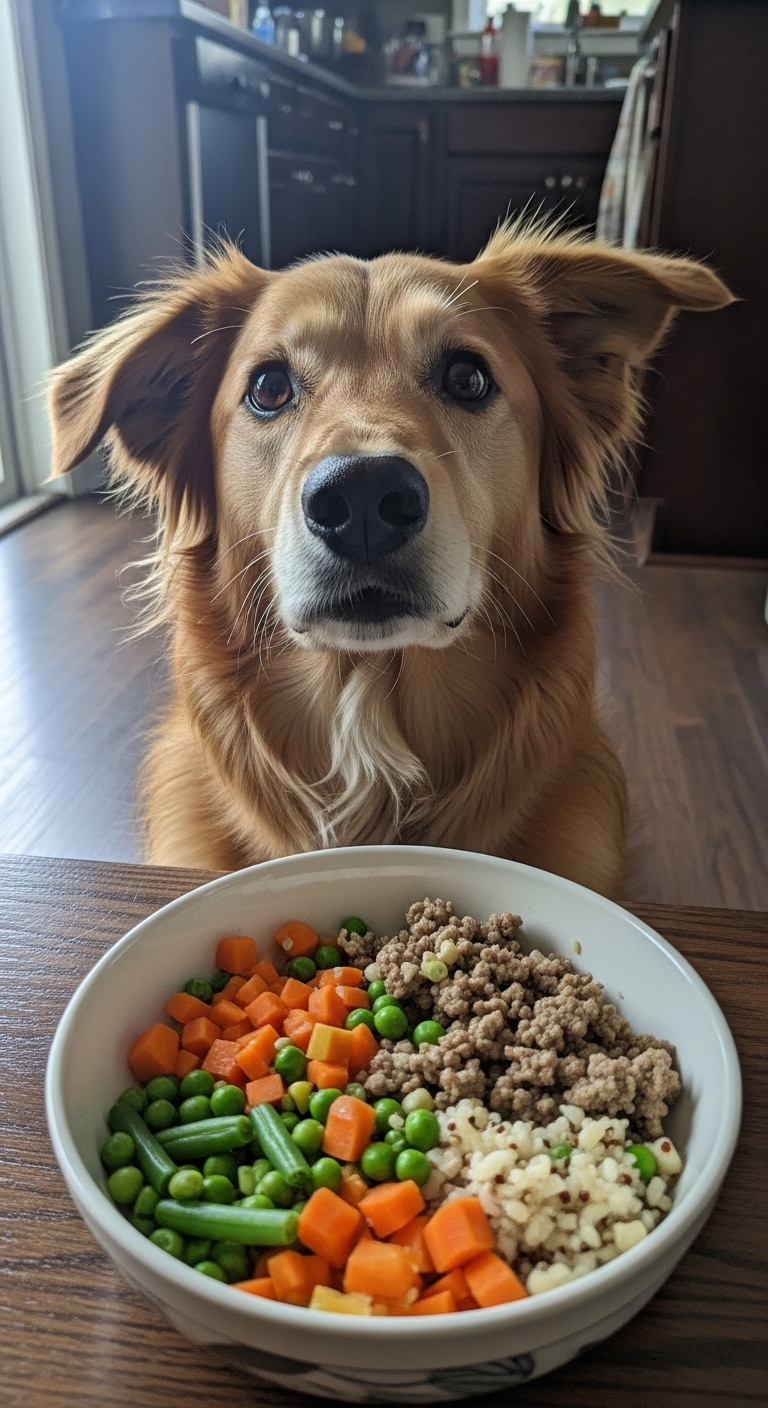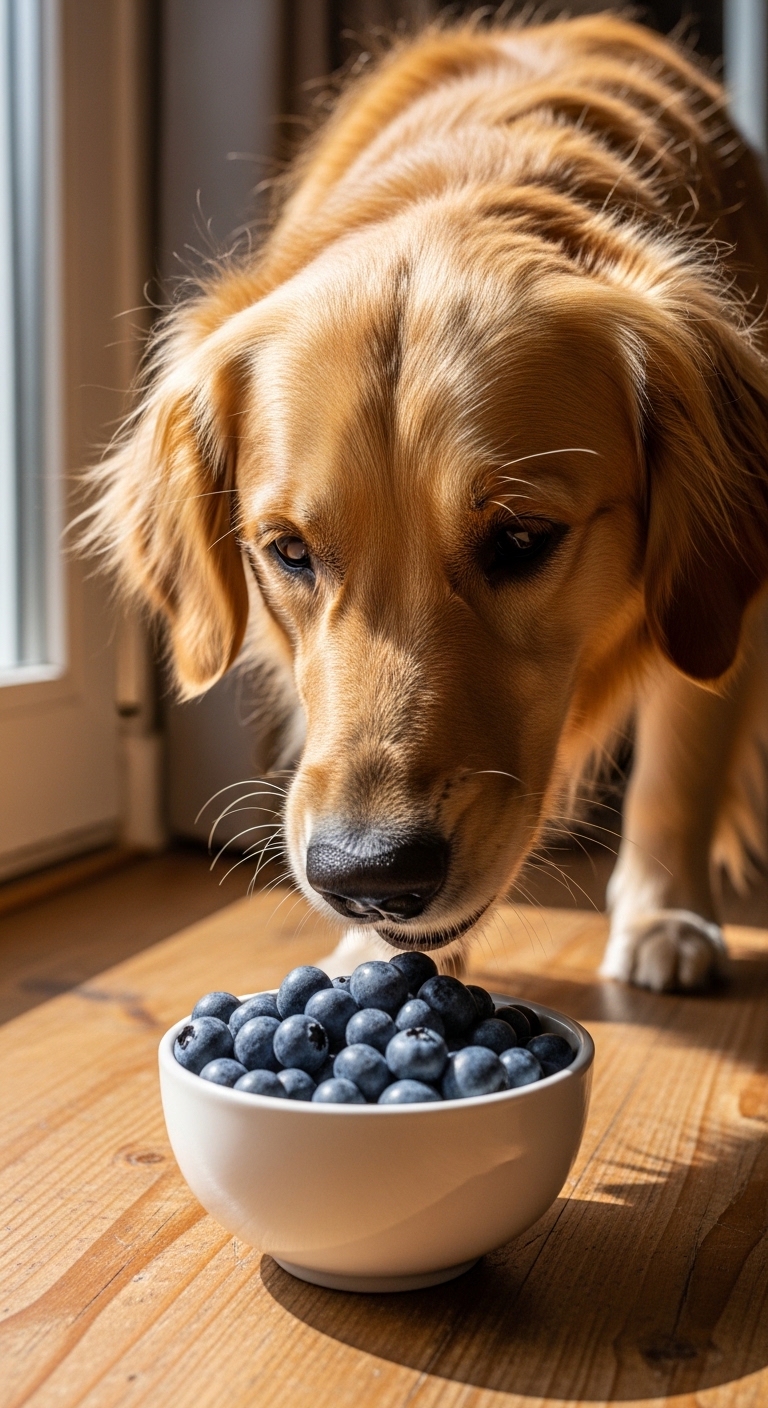
Dog recipes aren’t just about spoiling your pup with tasty treats: they’re a smart way to boost nutrition, address allergies, or even simplify mealtime. Whether you're looking to cook for your dog regularly or just want to add some homemade variety to their bowl, knowing what goes into their food matters. Homemade recipes let you control ingredients, avoid fillers, and tailor meals to your dog’s specific needs, from sensitive stomachs to weight management.
You’ll also avoid the guesswork of reading confusing pet food labels by knowing exactly what’s in your dog’s bowl. I’ve seen dogs go from picky eaters to enthusiastic foodies once their meals include fresh, wholesome ingredients. It’s not about replacing commercial food entirely: it’s about adding variety and quality where it counts.
Key Things to Understand
- Fresh ingredients matter more than you think: They impact your dog’s energy and coat health.
- Protein should always be the first ingredient: Prioritize it in any recipe.
- Avoid toxic foods: Onions, garlic, grapes, and xylitol are dangerous for dogs.
- Portion sizes depend on weight and activity: Adjust based on your dog’s needs.
- Cooking methods preserve nutrients: Boiling or baking is better than frying.
- Supplements fill gaps: Fish oil or calcium can enhance homemade meals.
What to Look For
When evaluating a dog recipe, pay attention to the protein source first. Chicken, beef, or fish should be listed as the main ingredient, not fillers like corn or wheat. The recipe should also include vegetables or fruits that provide fiber and vitamins, such as carrots, sweet potatoes, or spinach. Avoid recipes with excessive salt, sugar, or artificial additives, as these can cause long-term health issues. Look for balanced calcium and phosphorus levels, especially in growing puppies or large breeds. If the recipe doesn’t include bones or supplements, you may need to add them separately to support bone health.
Texture also matters: some dogs prefer chunky stews, while others enjoy smoother purees. Observe your dog’s reaction after trying a new recipe. Their energy levels and coat condition are good indicators of whether the meal is working for them.
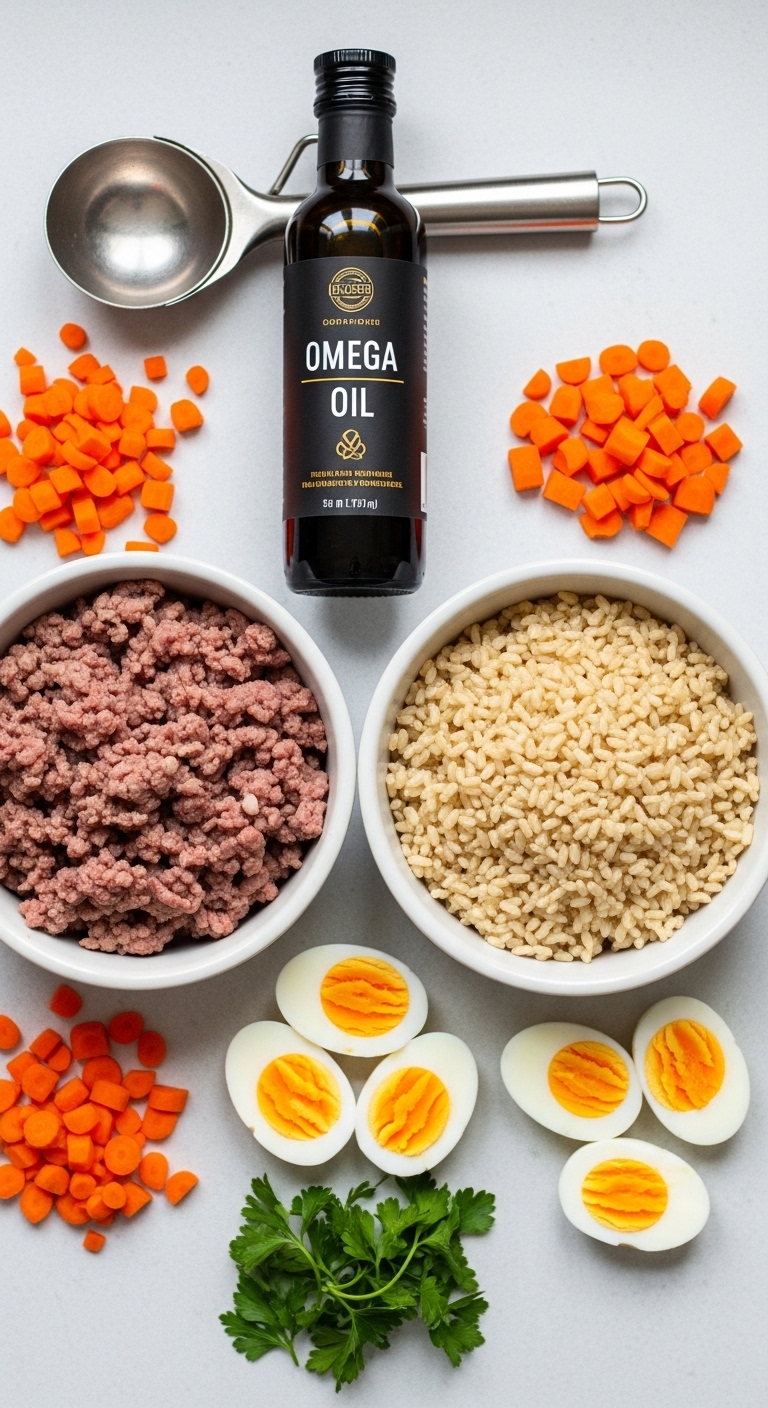
Many pet owners assume that cooking for their dog means they can skip regular vet checkups, but that’s not the case. A homemade diet might lack essential nutrients if not carefully planned. I’ve also noticed that dogs with food sensitivities often thrive on simple, single-protein recipes: just keep an eye on their reaction to each new ingredient.
Daily Care Habits
Transitioning your dog to homemade meals should happen slowly. Start by mixing a small portion of the new recipe with their regular food, gradually increasing the ratio over a week. This helps prevent stomach upset and lets you monitor their reaction. Keep a food diary to track any changes in energy, digestion, or coat quality.
Choosing the Right Product
If you’re not ready to cook from scratch, look for high-quality commercial dog foods labeled as “complete and balanced.” These meet AAFCO standards and provide all necessary nutrients. Avoid brands with vague terms like “meat meal” or “animal digest,” as these can hide lower-quality ingredients.
Safety and Comfort
Always cool meals completely before serving to prevent burns. Store food in clean, labeled containers to avoid contamination. If your dog has a history of allergies, introduce new ingredients one at a time and watch for reactions like itching or vomiting.
Cleaning and Hygiene
Wash all utensils, bowls, and surfaces thoroughly after preparing dog food to prevent cross-contamination with human food. Use separate cutting boards and knives if possible. Regularly clean your dog’s food and water bowls to avoid bacterial growth.
Indoor Routines
Incorporate meal prep into your weekly routine to save time. Batch-cook recipes and portion them into meal-sized containers for easy grab-and-go feeding. This works especially well for busy households or dogs with strict feeding schedules.
Outdoor Routines
If you’re hiking or traveling with your dog, pack homemade treats or pre-portioned meals in a cooler bag. Avoid feeding them directly from your hand while outdoors to prevent overfeeding or food aggression.
Seasonal Adjustments
In colder months, warm meals like stews or soups can be comforting and easier to digest. During summer, opt for lighter recipes with hydrating ingredients like cucumber or watermelon to keep your dog cool.
Age-Specific Advice
Puppies need more protein and fat for growth, while senior dogs benefit from recipes with joint-supporting ingredients like glucosamine. Always adjust portion sizes based on your dog’s life stage and activity level.
Behavior and Routine Support
Food can be a great training tool, but avoid overfeeding with treats. Use small, low-calorie snacks during training sessions and stick to scheduled mealtimes to maintain a healthy routine.
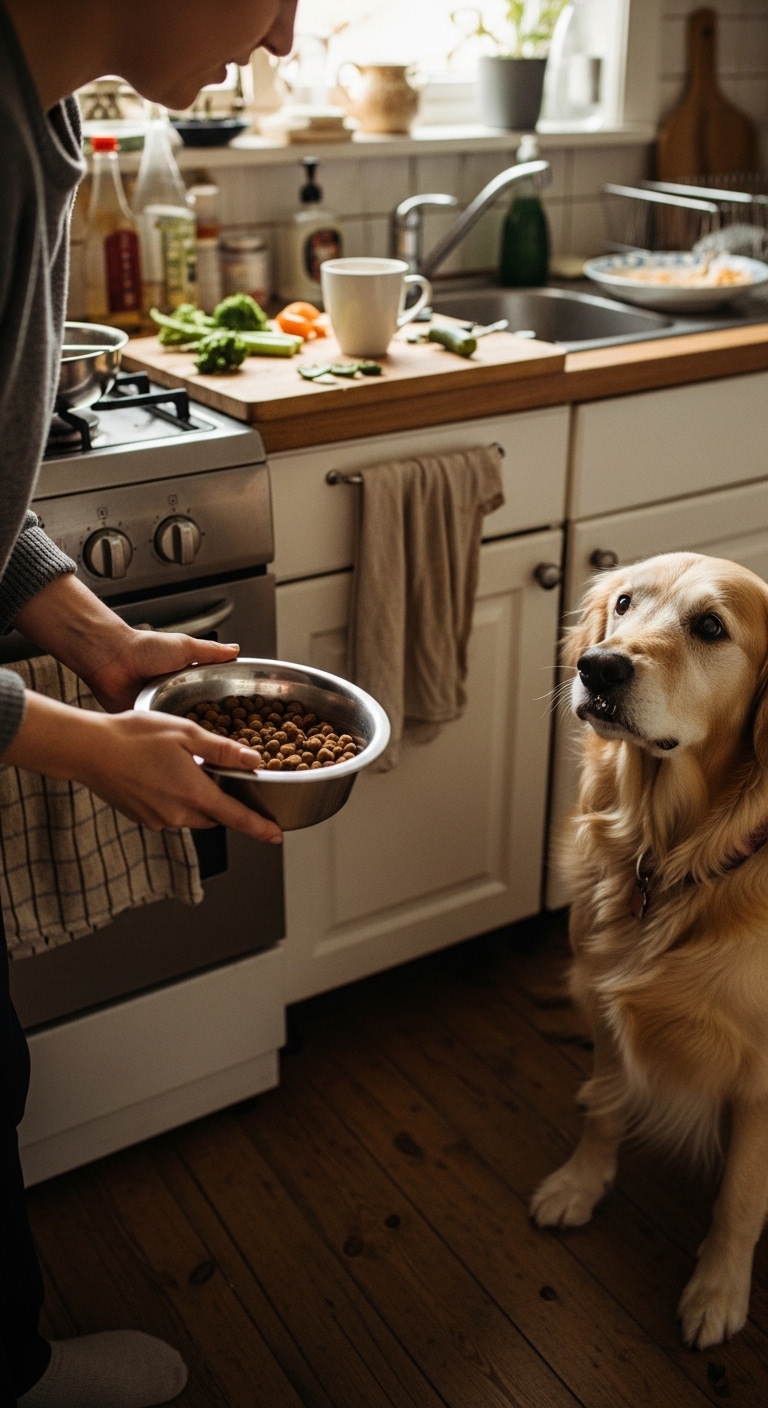
Making your own dog food can feel daunting at first, but once you find a few go-to recipes, it becomes second nature. The key is to keep it simple, observe your dog’s reactions, and adjust as needed.
Frequently Asked Questions
- → Are homemade dog recipes healthier than store-bought?
Homemade recipes allow you to control ingredients, avoiding fillers, artificial preservatives, and excessive salt or sugar found in many commercial foods. This can lead to better digestion, shinier coats, and more energy for your dog.
- → What are the best protein sources for homemade dog food?
Lean meats like chicken, turkey, beef, and fish are excellent choices. Organ meats like liver provide essential nutrients, but should be fed in moderation. Always cook proteins thoroughly to kill bacteria.
- → Can I feed my dog homemade food every day?
Yes, but it’s important to ensure the recipes are nutritionally complete. Consult your vet or a pet nutritionist to balance calcium, phosphorus, and other essential nutrients. Rotate proteins and veggies to provide variety.
- → How do I transition my dog to homemade food?
Start by mixing a small portion of homemade food with their current diet, gradually increasing the ratio over 7-10 days. Watch for digestive changes and adjust portions based on your dog’s weight and activity level.
- → What vegetables are safe for dogs?
Carrots, green beans, sweet potatoes, and pumpkin are safe and nutritious. Avoid onions, garlic, grapes, and mushrooms, which are toxic. Always cook or puree veggies for better digestion.
- → Do homemade dog recipes need supplements?
Depending on the recipe, supplements like calcium, fish oil, or multivitamins may be needed to meet nutritional requirements. A vet can recommend the right balance for your dog’s specific needs.