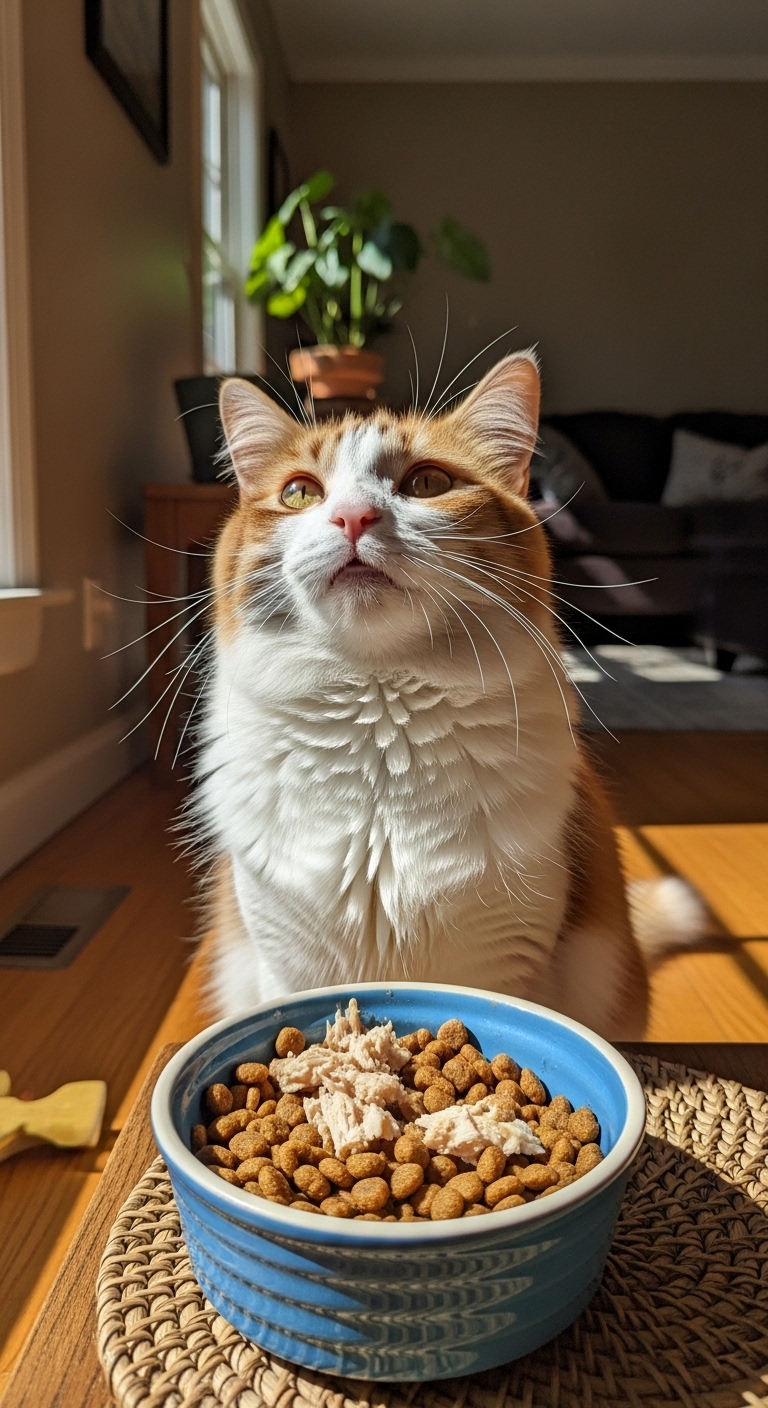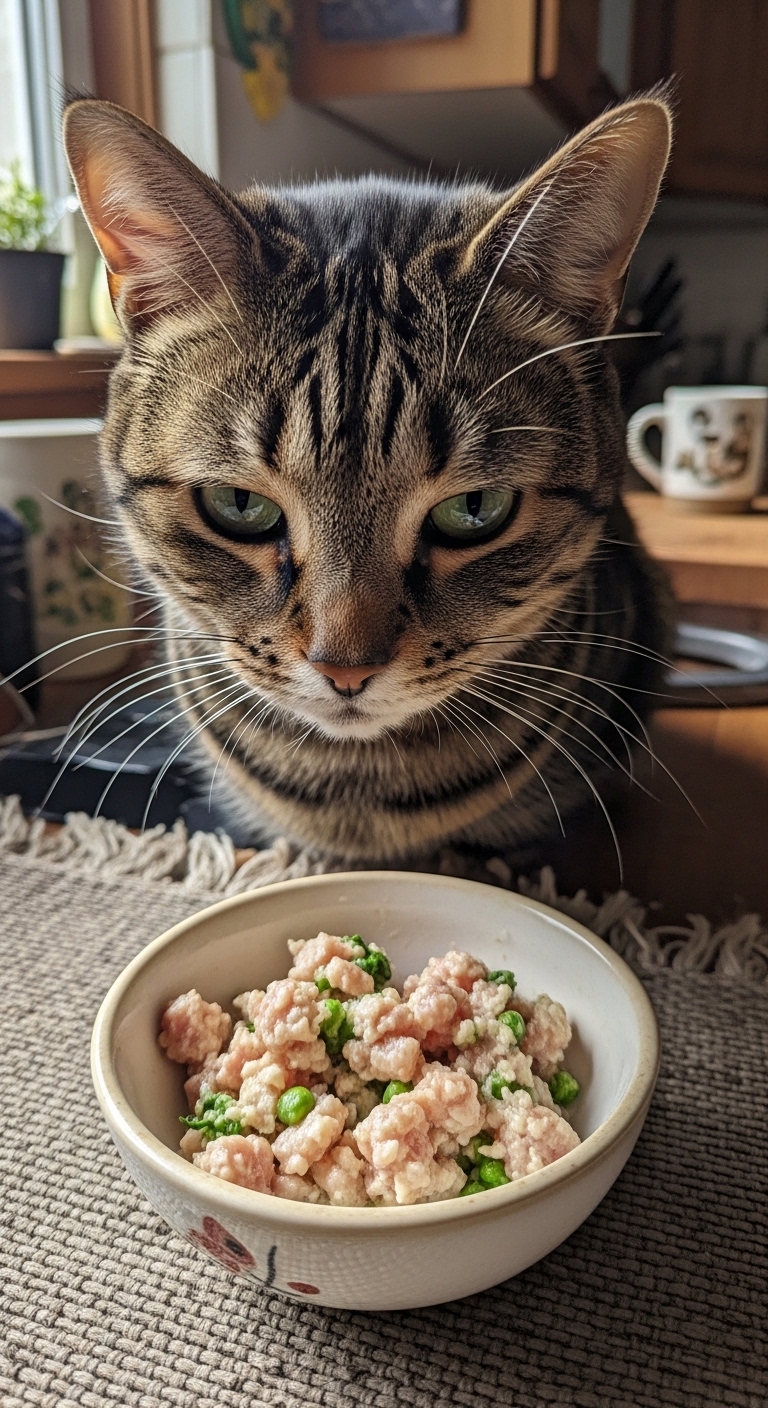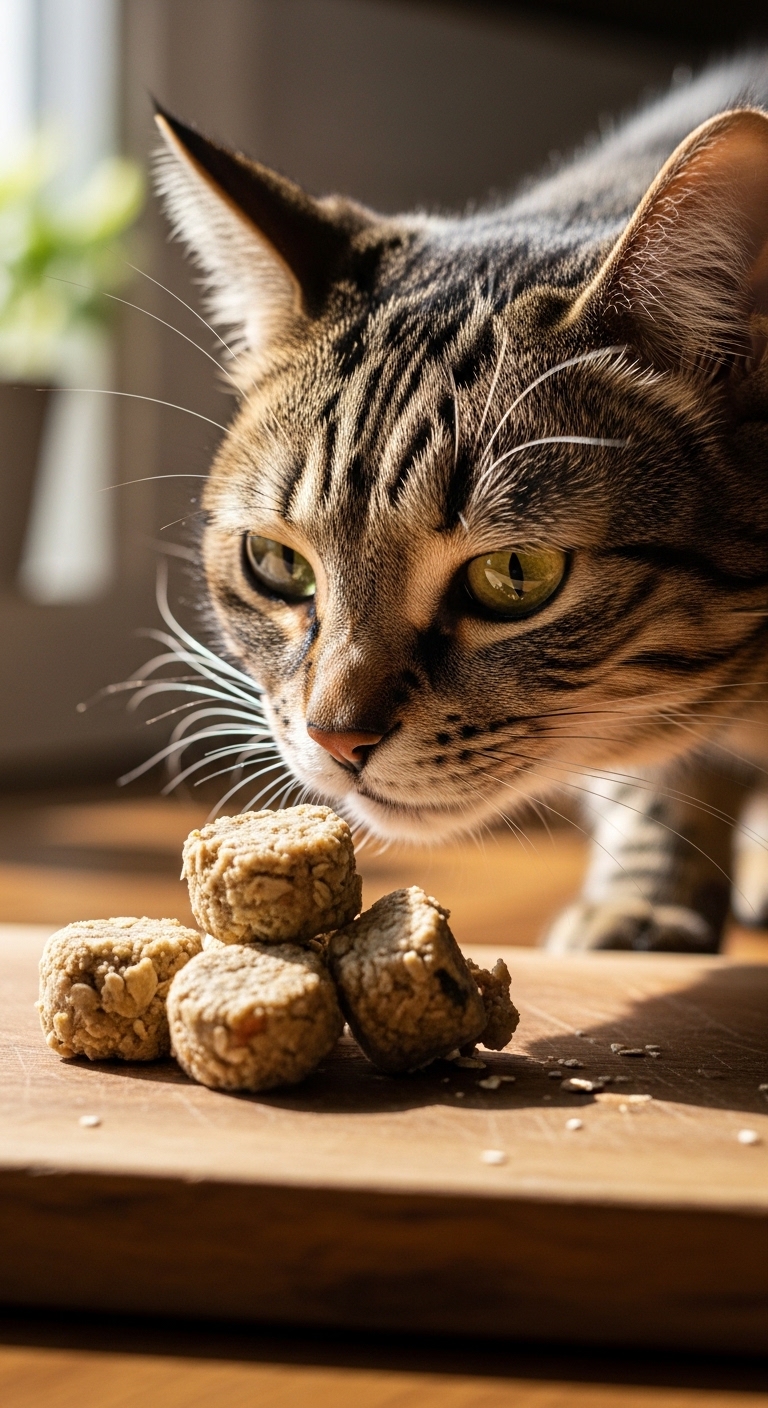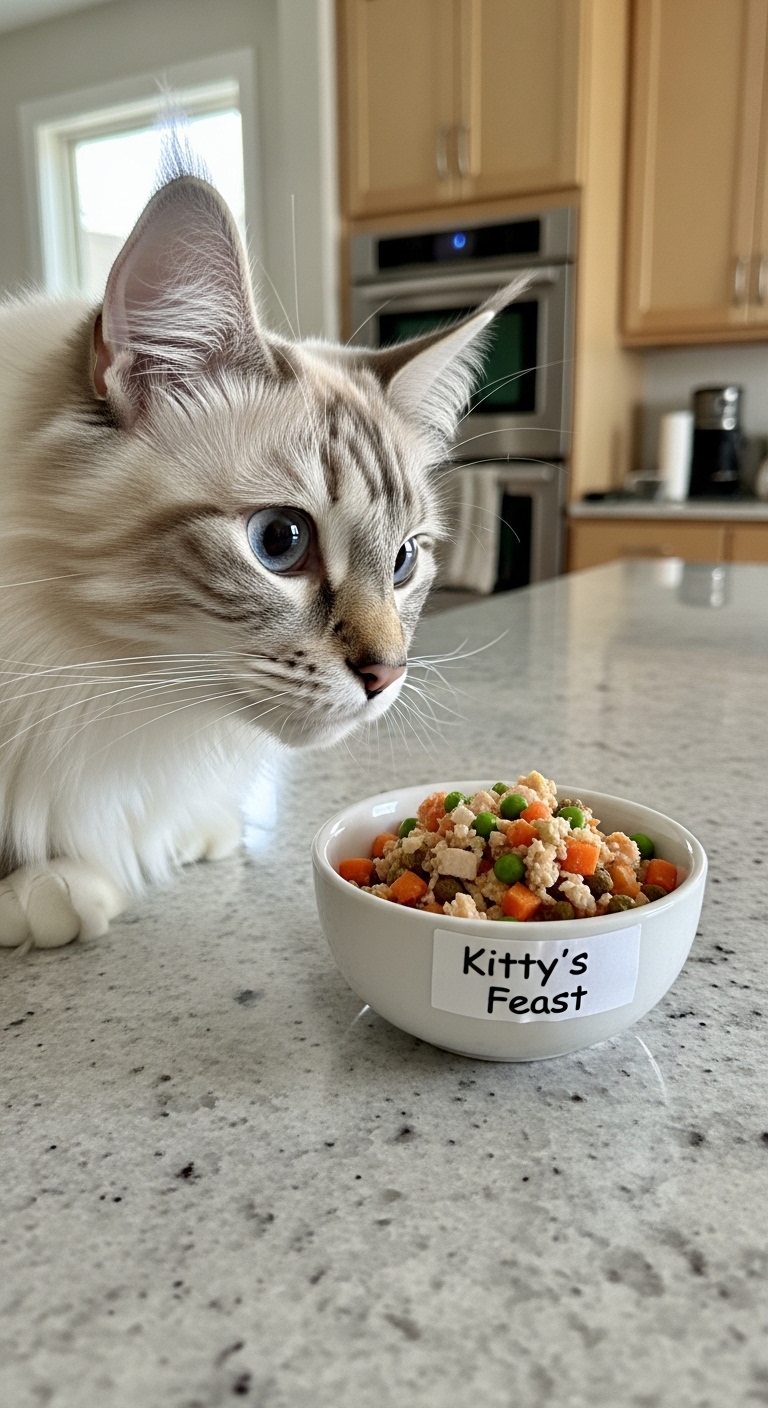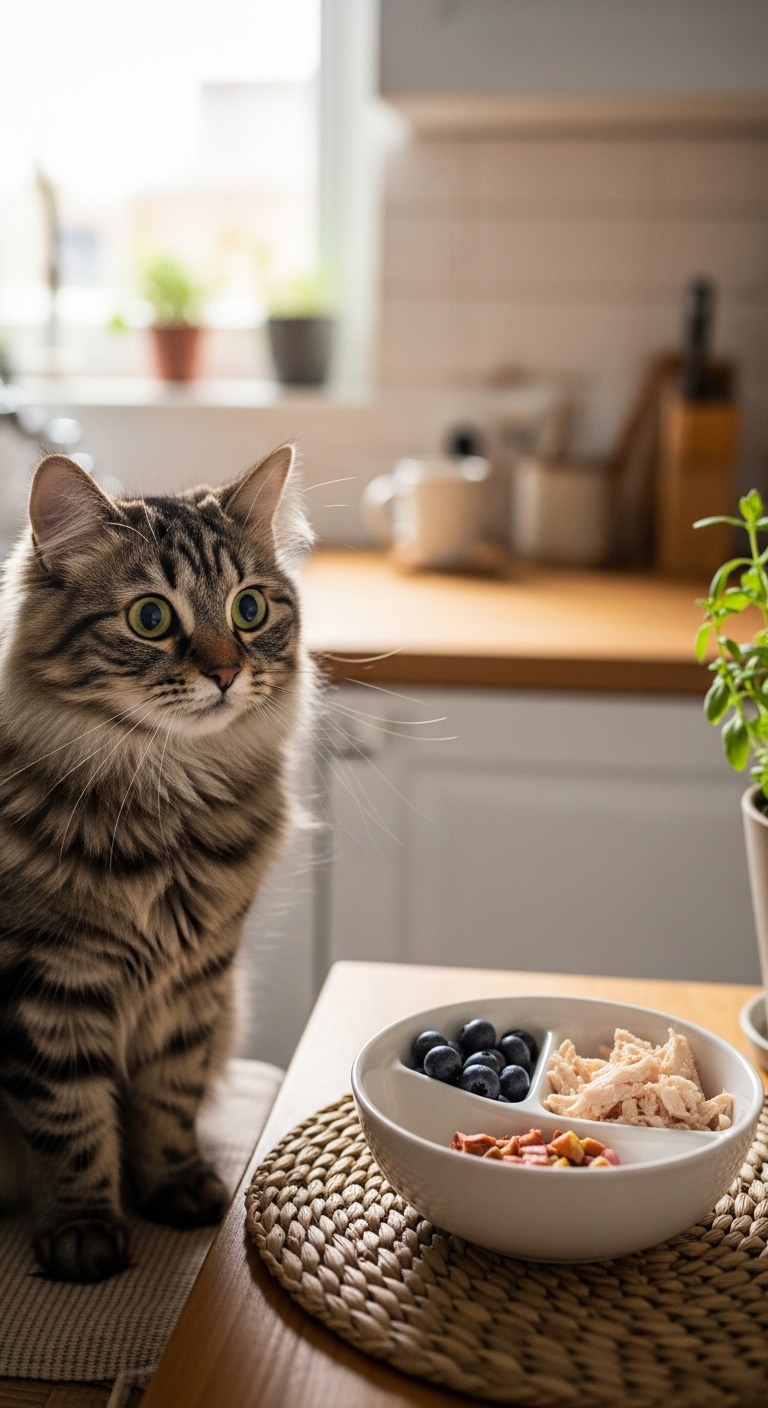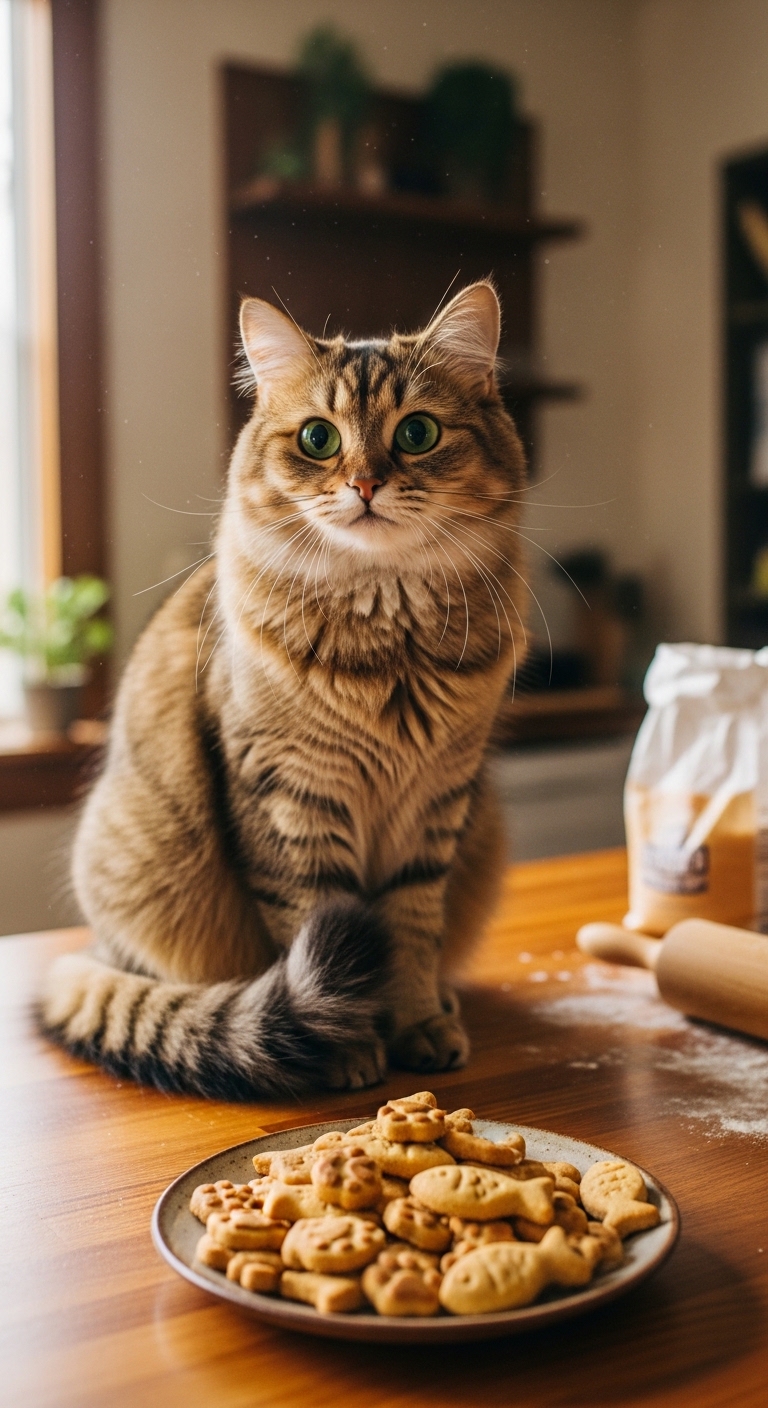
Homemade cat food for urinary health is a practical way to support your cat’s well-being from the inside out. Many cats struggle with urinary issues like infections, crystals, or discomfort, and diet plays a key role in prevention. By making meals at home, you control the ingredients, reducing inflammation, promoting a healthy urinary pH, and improving energy levels.
I’ve seen how small dietary changes can improve a cat’s mood and activity. One of my cats avoided the litter box after years of dry food, but switching to a moisture-rich homemade recipe made a noticeable difference within weeks.
Key Things to Understand
- Hydration is critical: Wet food or high-moisture homemade recipes help prevent concentrated urine and crystal formation.
- Mineral balance matters: Proper levels of magnesium, phosphorus, and calcium reduce the risk of urinary crystals.
- Avoid fillers: High-carb ingredients like grains can stress the urinary system.
- Natural pH support: Cranberry or apple cider vinegar (in small amounts) can promote urinary tract health.
- Vet consultation is essential: Always check with your vet before making dietary changes, especially for cats with urinary issues.
What to Look For
Monitor your cat’s water intake—low consumption can lead to concentrated urine and higher risk of crystals or infections. Signs of trouble include frequent litter box trips, straining, or blood in urine. When preparing food, use lean proteins like chicken or turkey, which are gentle on the urinary system. Freshness is key: spoiled meat can introduce harmful bacteria. For supplements, natural options like taurine or omega-3s support both urinary and overall health.
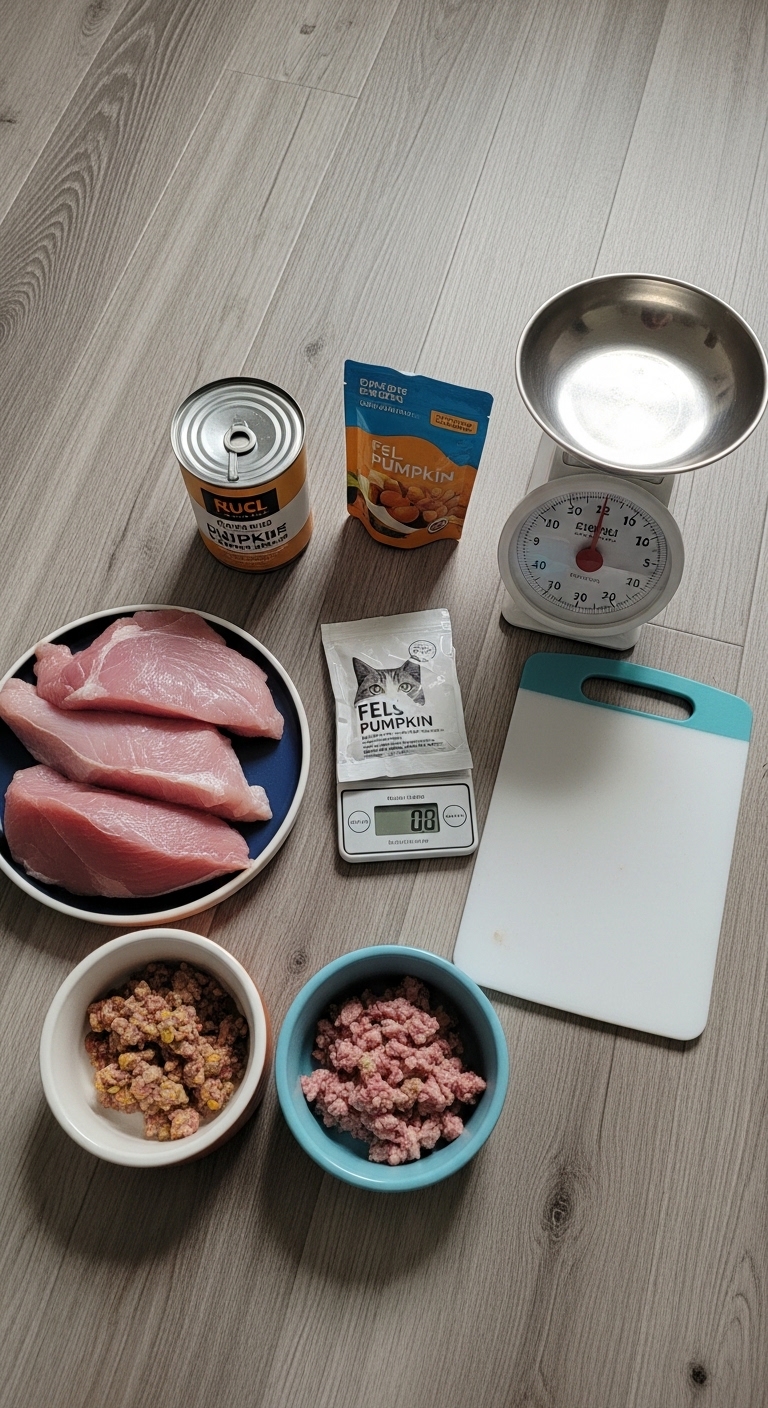
A cat owner switched their senior cat to a homemade diet after years of urinary infections. Within months, vet visits dropped, and the cat’s energy improved. Consistency was key: small, regular meals kept the urinary system balanced without sudden changes.
Daily Care Habits
Small, frequent meals help maintain hydration and digestion, which is vital for cats prone to urinary issues. Always provide fresh water, and consider a cat fountain if your pet drinks little. Grooming matters too: long-haired cats may ingest fur, which can contribute to blockages if not managed.
Choosing the Right Product
If homemade food isn’t an option, select commercial wet foods labeled for urinary support. Look for high moisture and low magnesium, and avoid artificial preservatives or fillers, which can irritate the urinary tract over time.
Safety and Comfort
Never feed raw meat unless vet-approved, as it may carry harmful bacteria. Store homemade food in airtight containers in the fridge (up to 3 days) or freeze portions. Warm food slightly before serving to enhance aroma and encourage picky eaters.
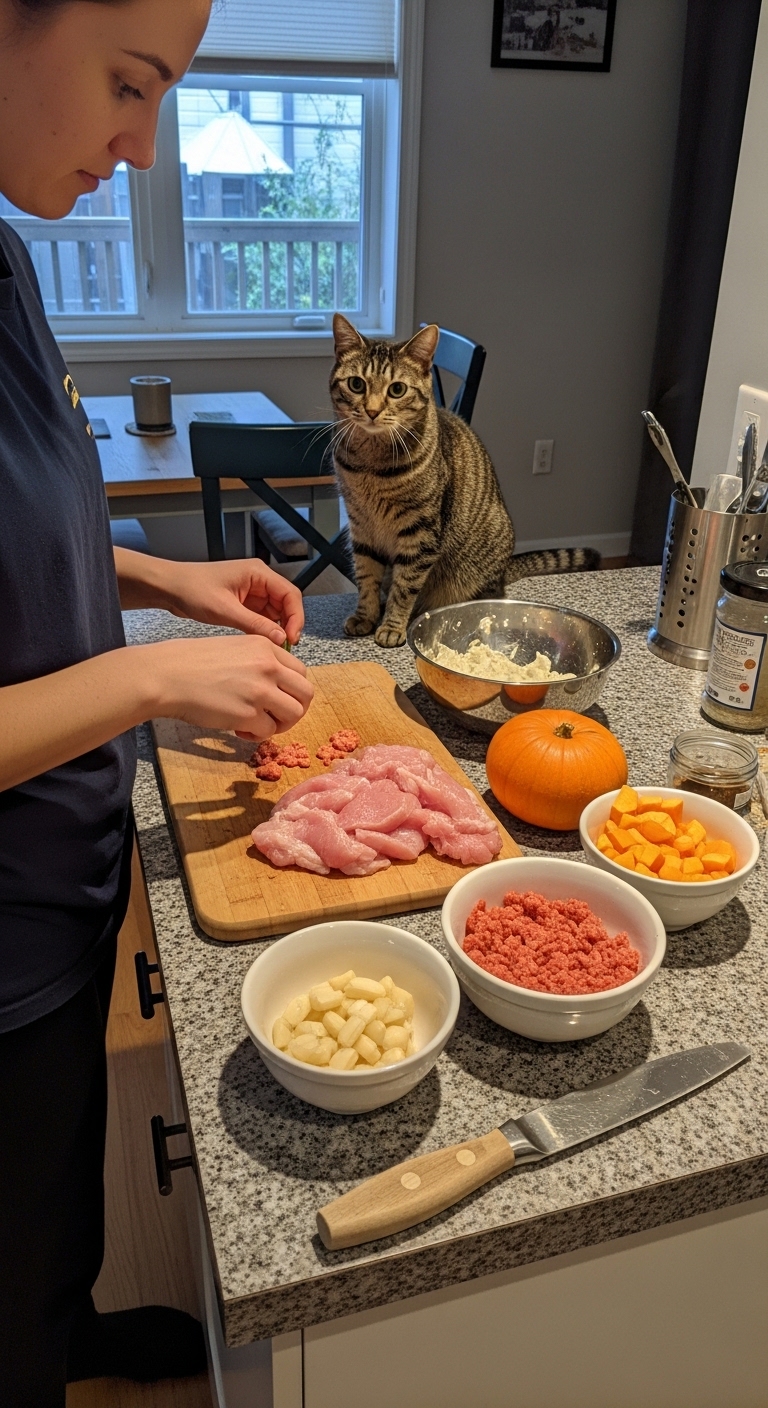
Homemade cat food can transform urinary health, but balance and consistency are key. Always prioritize vet guidance and fresh ingredients for long-term well-being.
Frequently Asked Questions
- → Why choose homemade cat food for urinary health?
Homemade cat food allows you to control ingredients, avoid harmful additives, and include moisture-rich components that support urinary health. It’s a proactive way to reduce risks like crystals or infections.
- → What key ingredients help urinary health in cats?
Look for lean proteins (chicken, turkey), moisture sources (broth, water), and balanced minerals (low magnesium, phosphorus). Cranberry and omega-3s can also help prevent urinary issues.
- → How often should I feed homemade cat food?
Consult your vet for a tailored plan, but generally, 2-3 meals daily works well. Ensure the diet is balanced and meets all nutritional needs for long-term urinary health.
- → Can I mix homemade food with commercial cat food?
Yes, but gradually transition to avoid digestive upset. Start with small portions of homemade food mixed into their regular diet to monitor tolerance and adjust as needed.
- → Are there risks to homemade cat food for urinary health?
Without proper balance, homemade food can lack essential nutrients or minerals. Always follow vet-approved recipes or consult a feline nutritionist to avoid deficiencies or excesses.
- → How do I store homemade cat food?
Refrigerate for up to 3 days or freeze portions for longer storage. Thaw in the fridge before serving to maintain freshness and nutritional integrity.