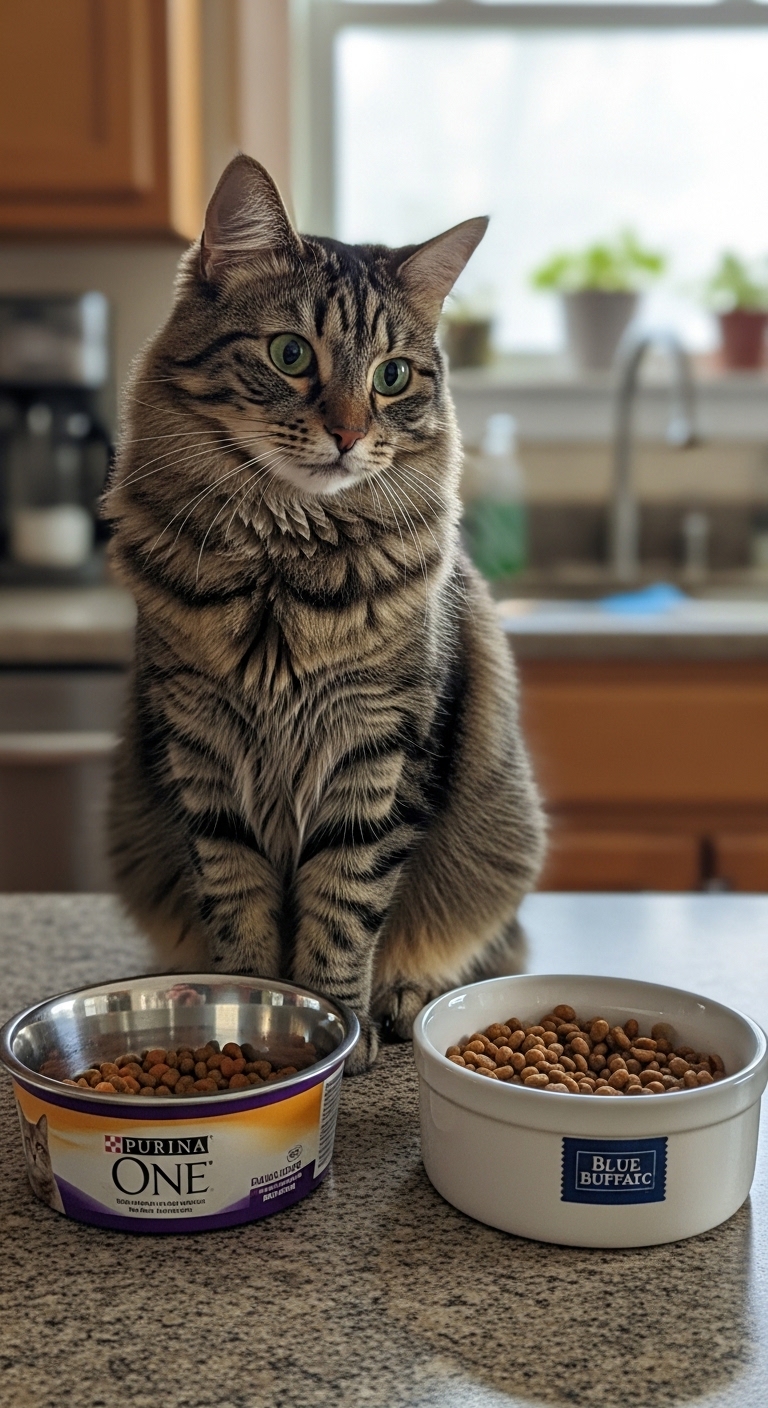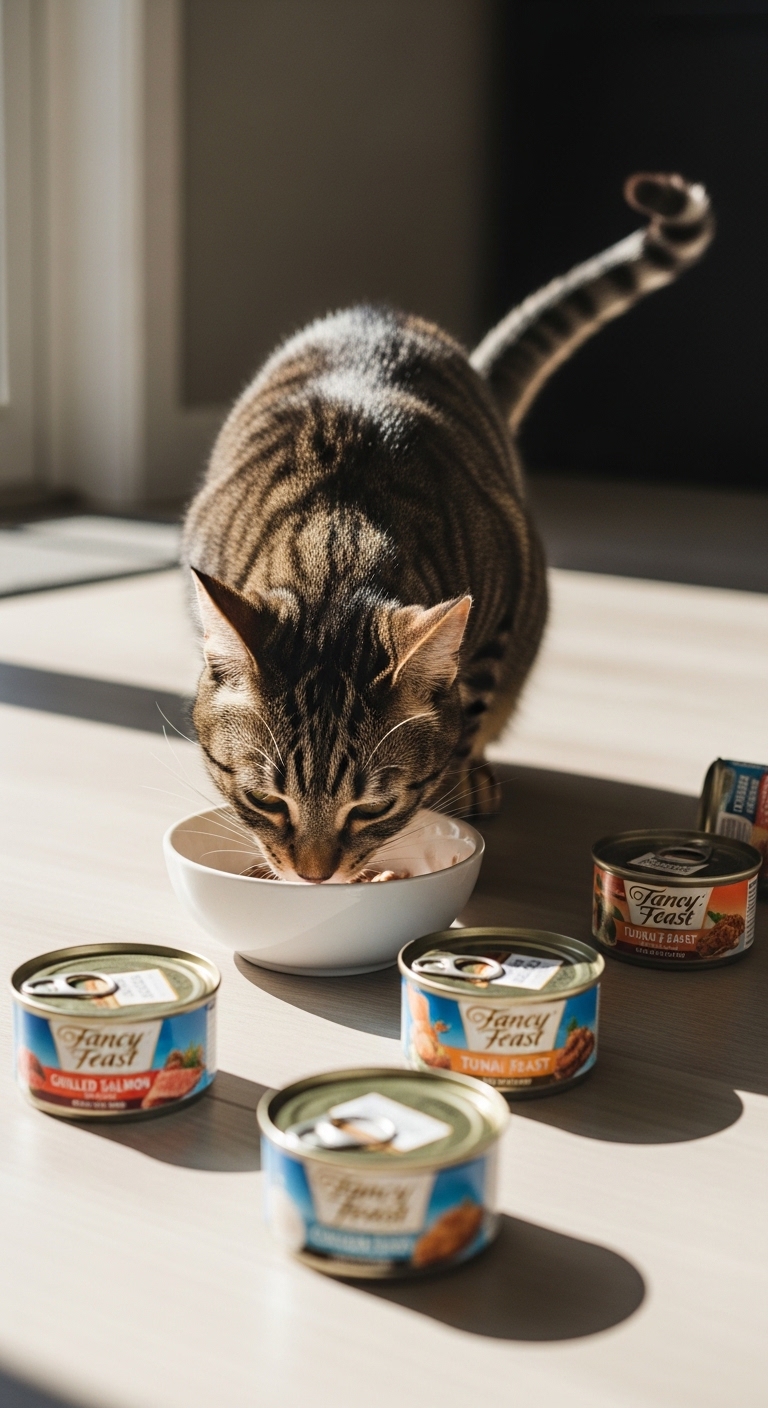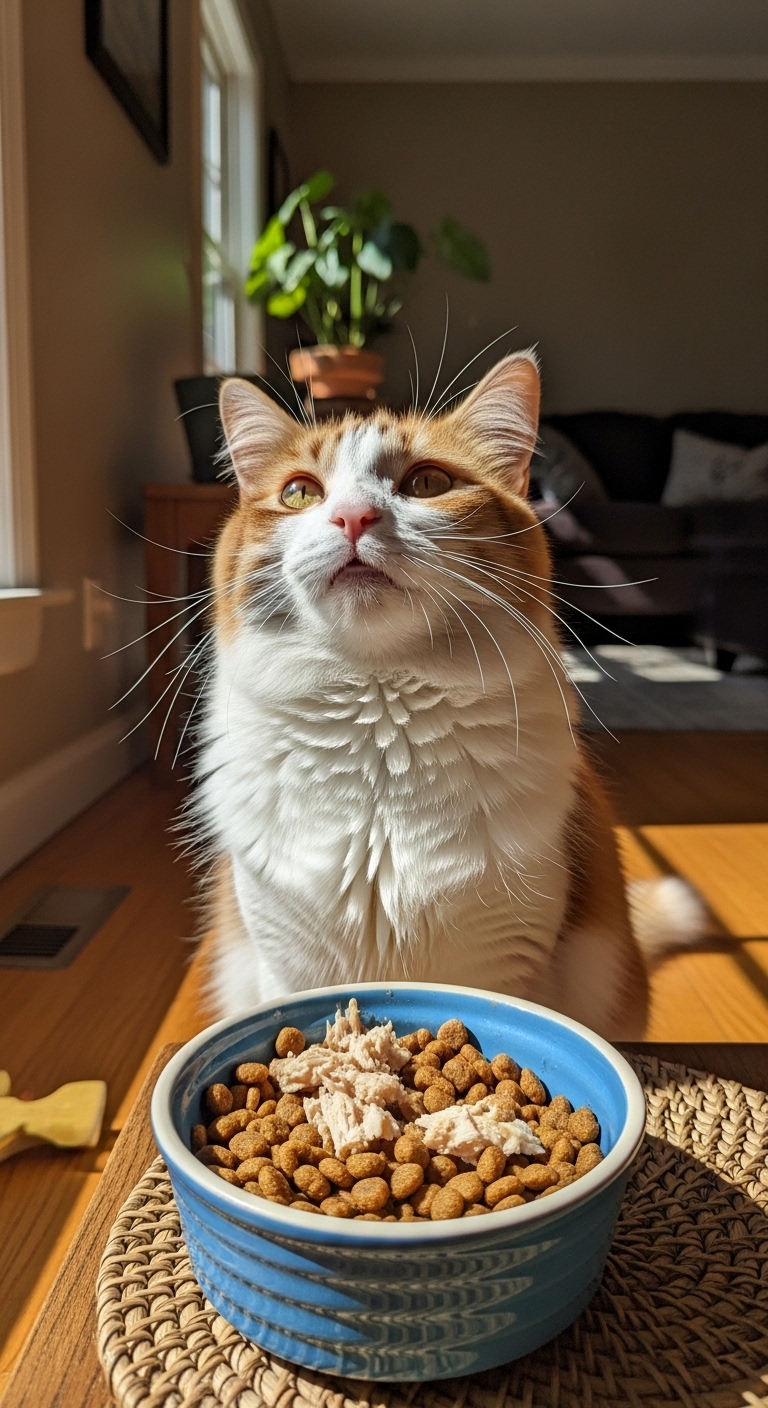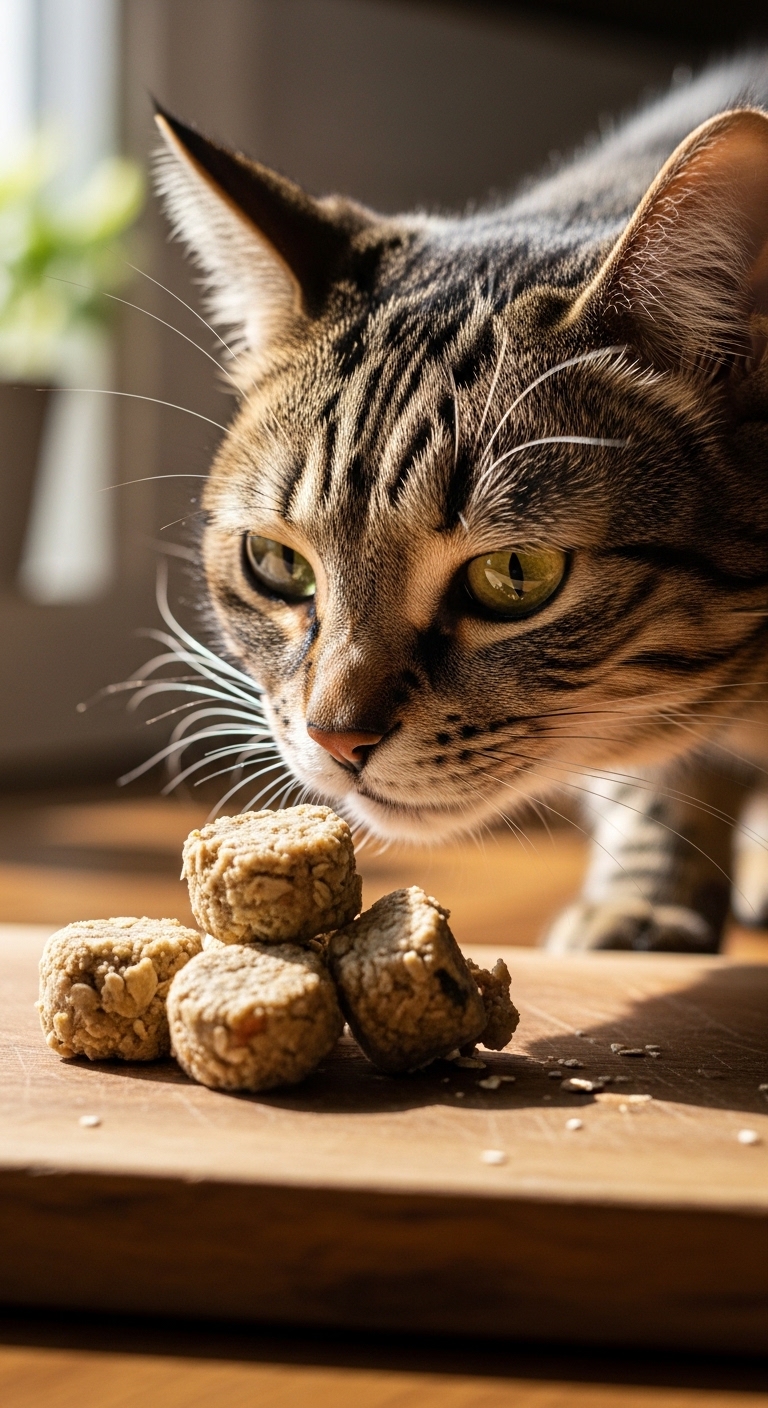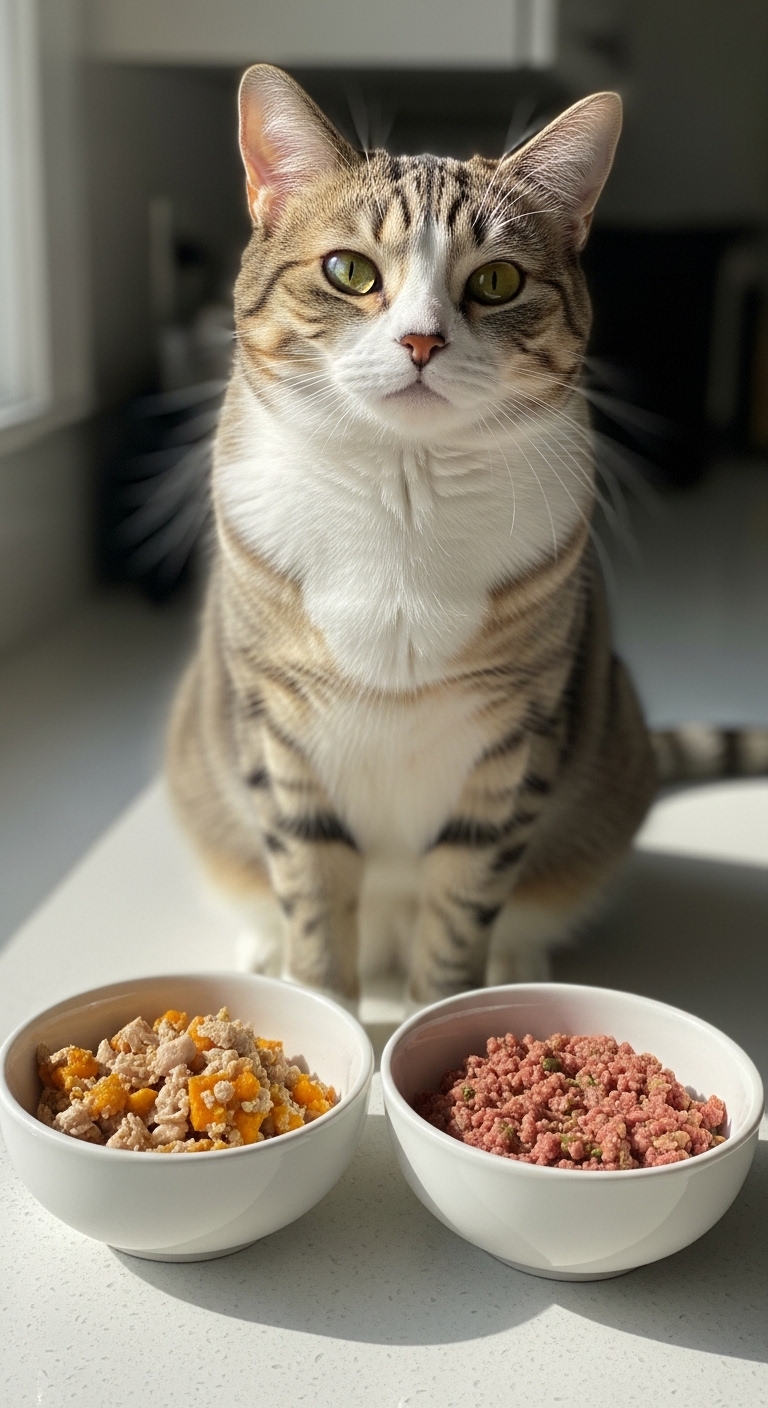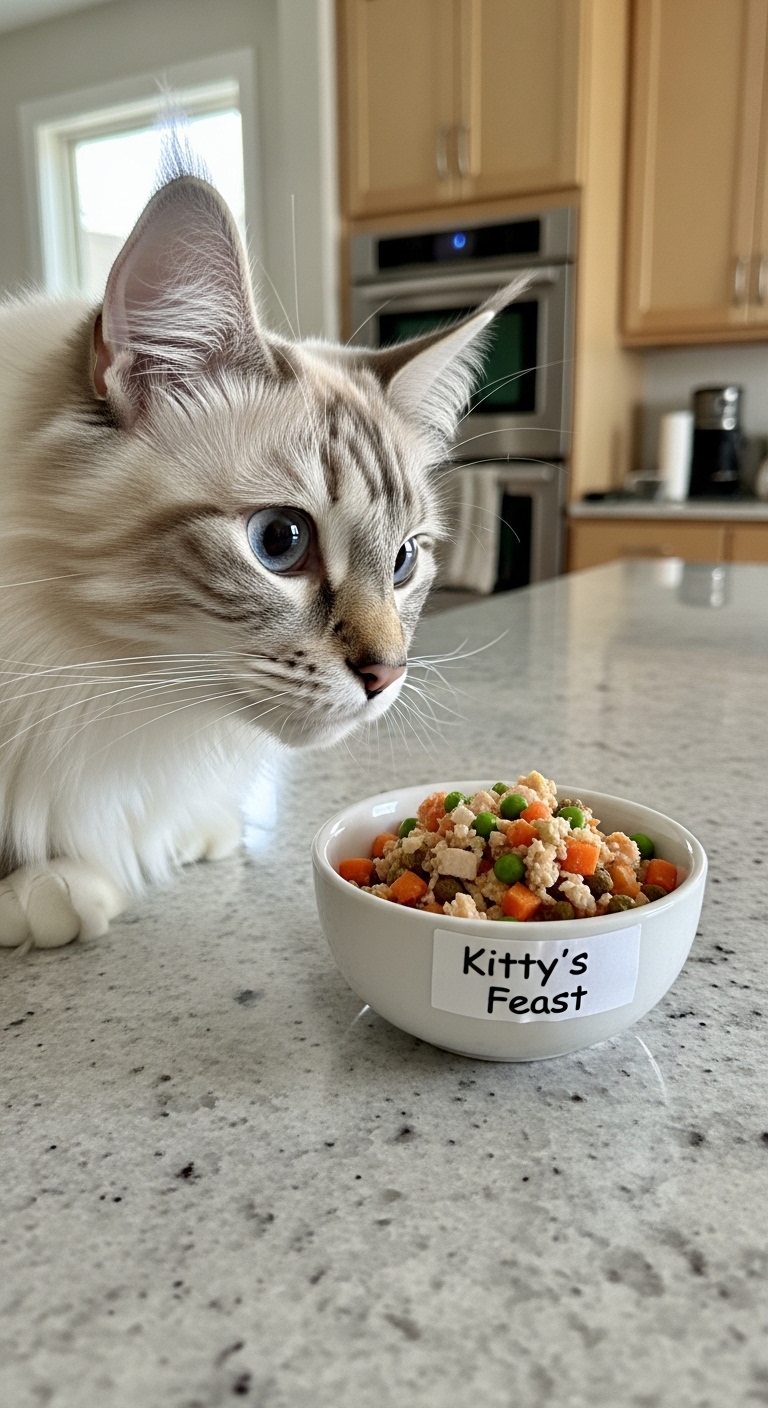
Homemade cat food for senior cats isn’t just about spoiling your feline friend with a fancy meal. It’s about giving them the nutrients they need to stay healthy, energetic, and comfortable as they age. Senior cats often slow down, their metabolism changes, and their dietary needs shift. A well-balanced homemade diet can help manage weight, support joint health, and even improve digestion. Plus, it’s a great way to bond with your cat while ensuring they’re getting the best possible care.
I’ve seen firsthand how a simple switch to homemade meals helped my own 14-year-old tabby, Whiskers, regain her energy and glossy coat. Before, she’d turn her nose up at her kibble, but a warm, moist homemade stew? She’d purr through the whole bowl.
Key Things to Understand
- Protein needs: Senior cats often need fewer calories but more high-quality protein to maintain muscle mass.
- Dental issues: Watch for signs of dental problems, which can make chewing dry food difficult.
- Nutritional gaps: Common deficiencies in homemade diets include calcium, taurine, and certain vitamins, so supplements may be necessary.
- Portion control: Overfeeding can lead to obesity, even with healthy ingredients.
- Transition gradually: Switching to homemade food should be done slowly to avoid digestive upset.
What to Look For
Pay attention to your cat’s energy levels and coat condition. A dull coat or lethargy could signal nutritional gaps in their diet. Check their litter box habits: loose stools or straining might mean the recipe isn’t agreeing with them. Notice how they react to different textures—some senior cats prefer softer, shredded meats over chunks, especially if they have dental sensitivity. Monitor their weight closely, as senior cats can gain or lose weight quickly. Observe their interest in food: if they’re turning up their nose, try warming the meal slightly or adding a sprinkle of cat-safe herbs like catnip or parsley for appeal.
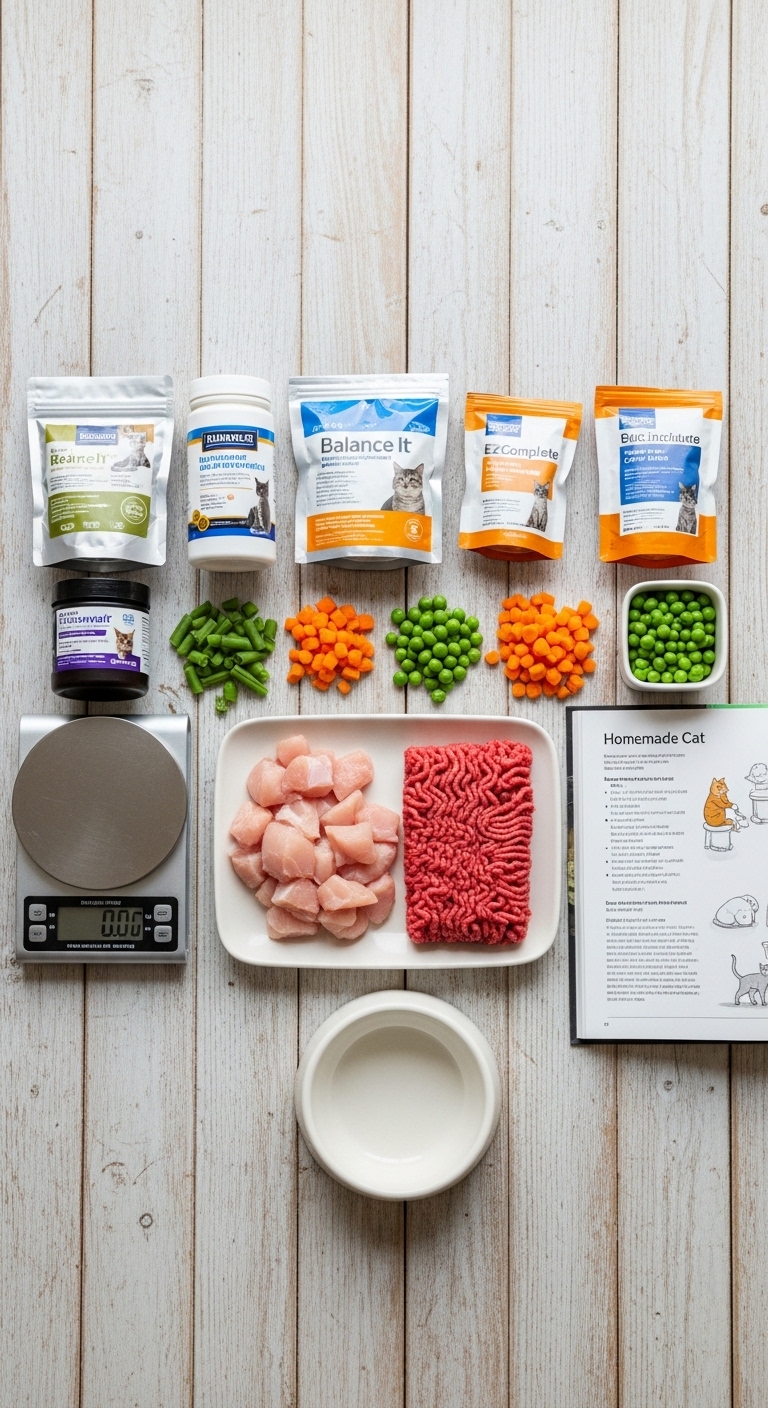
I once met a cat owner who skipped taurine in their homemade recipes, thinking meat alone would suffice. Their cat ended up with heart issues that required emergency care. It’s a harsh lesson, but one that highlights why even small details matter. Another common mistake is overdoing fish-based recipes, which can lead to vitamin E deficiencies over time. Variety is key: rotate proteins and veggies to cover all nutritional bases.
Daily Care Habits
Senior cats thrive on routine, so feeding them at the same times each day helps regulate their digestion and energy. Warm their food slightly before serving to enhance the aroma, which can entice picky eaters. If your cat has arthritis, elevate their food bowl to reduce neck strain while eating. Always provide fresh water nearby, as senior cats are prone to dehydration. Consider smaller, more frequent meals to accommodate slower digestion and prevent hairballs.
Choosing the Right Product
If you’re not making food from scratch, look for senior-specific cat foods labeled 'complete and balanced' by the AAFCO. Check the protein source: real meat (like chicken, turkey, or fish) should be the first ingredient. Avoid foods with artificial colors, flavors, or preservatives, which can irritate sensitive stomachs. For cats with kidney issues, phosphorus levels should be low to ease the burden on their kidneys. Wet food is often easier to digest than dry kibble, especially for cats with dental problems.
Safety and Comfort
Never feed your cat raw meat unless you’re following a vet-approved plan with proper handling and supplementation. Store homemade food in airtight containers in the fridge for up to three days or freeze portions for longer storage. Avoid plastic bowls, which can harbor bacteria and cause chin acne: opt for ceramic or stainless steel instead. If your cat has a sensitive stomach, introduce new ingredients one at a time to monitor reactions. Keep toxic plants, like lilies, out of reach, as even small amounts can be deadly.
Cleaning and Hygiene
Wash your cat’s food and water bowls daily to prevent bacterial growth. Use mild, unscented soap to avoid leaving residues that might deter your cat from eating. Clean up any spills immediately to avoid attracting pests like ants or roaches. If your cat has long fur, trim the fur around their mouth after meals to prevent matting and discomfort. Sanitize feeding areas regularly, especially if you have multiple cats sharing space.
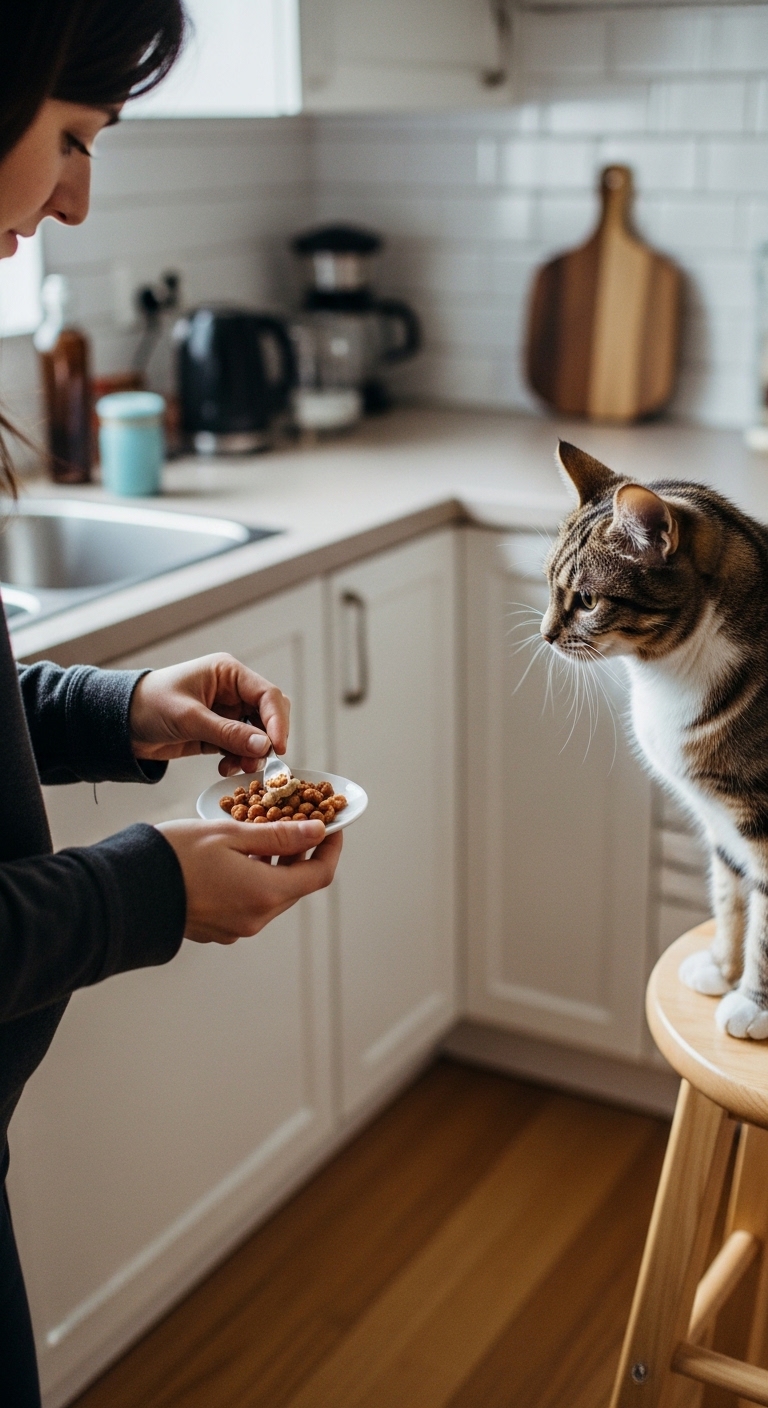
Switching your senior cat to homemade food is a labor of love, but the rewards—more energy, better health, and a happier companion—are worth every effort. Just remember, it’s not about perfection; it’s about progress.
Frequently Asked Questions
- → What are the benefits of homemade cat food for senior cats?
Homemade food allows you to control ingredients, avoid allergens, and provide fresh, high-quality nutrition tailored to your senior cat’s needs. It can improve digestion, energy levels, and coat health.
- → How do I ensure homemade cat food is balanced?
Include a mix of protein (chicken, turkey, or fish), healthy fats, and digestible carbs like pumpkin or sweet potato. Add supplements like taurine and calcium if recommended by your vet.
- → Can I use raw ingredients for homemade cat food?
Raw diets can be beneficial but require careful planning to avoid nutrient deficiencies. Always handle raw meat safely and consult your vet before starting a raw diet for your senior cat.
- → How often should I feed homemade food to my senior cat?
Start with small portions to monitor digestion and energy levels. Most cats do well with 2-3 meals daily, but adjust based on your cat’s weight and health needs.
- → What ingredients should I avoid in homemade cat food?
Avoid onions, garlic, grapes, raisins, chocolate, and excessive salt or spices. Also, skip ingredients your cat is allergic to, such as dairy or certain proteins.
- → Is homemade cat food more expensive than store-bought?
While homemade food can be costlier upfront, it may reduce vet bills long-term by improving your cat’s health. Bulk purchasing ingredients can help manage costs.