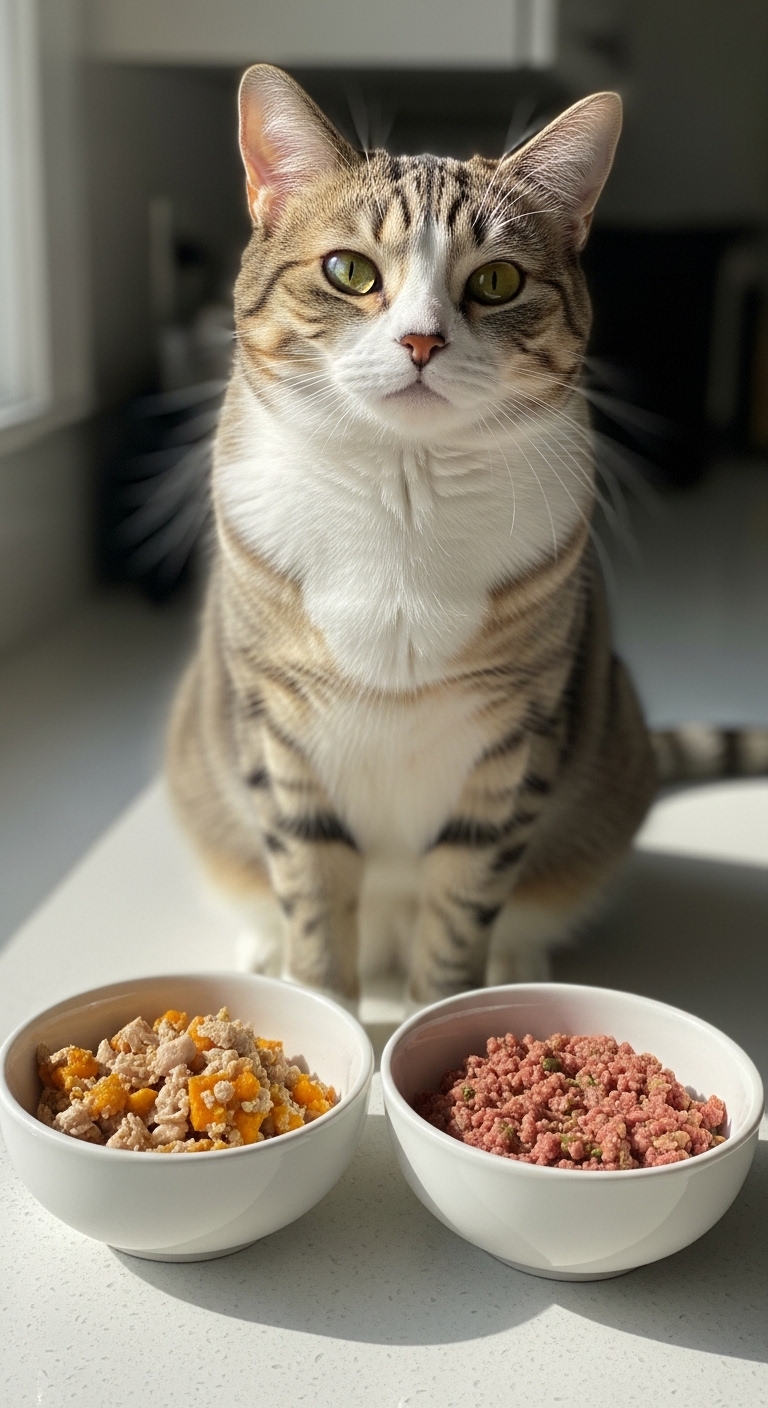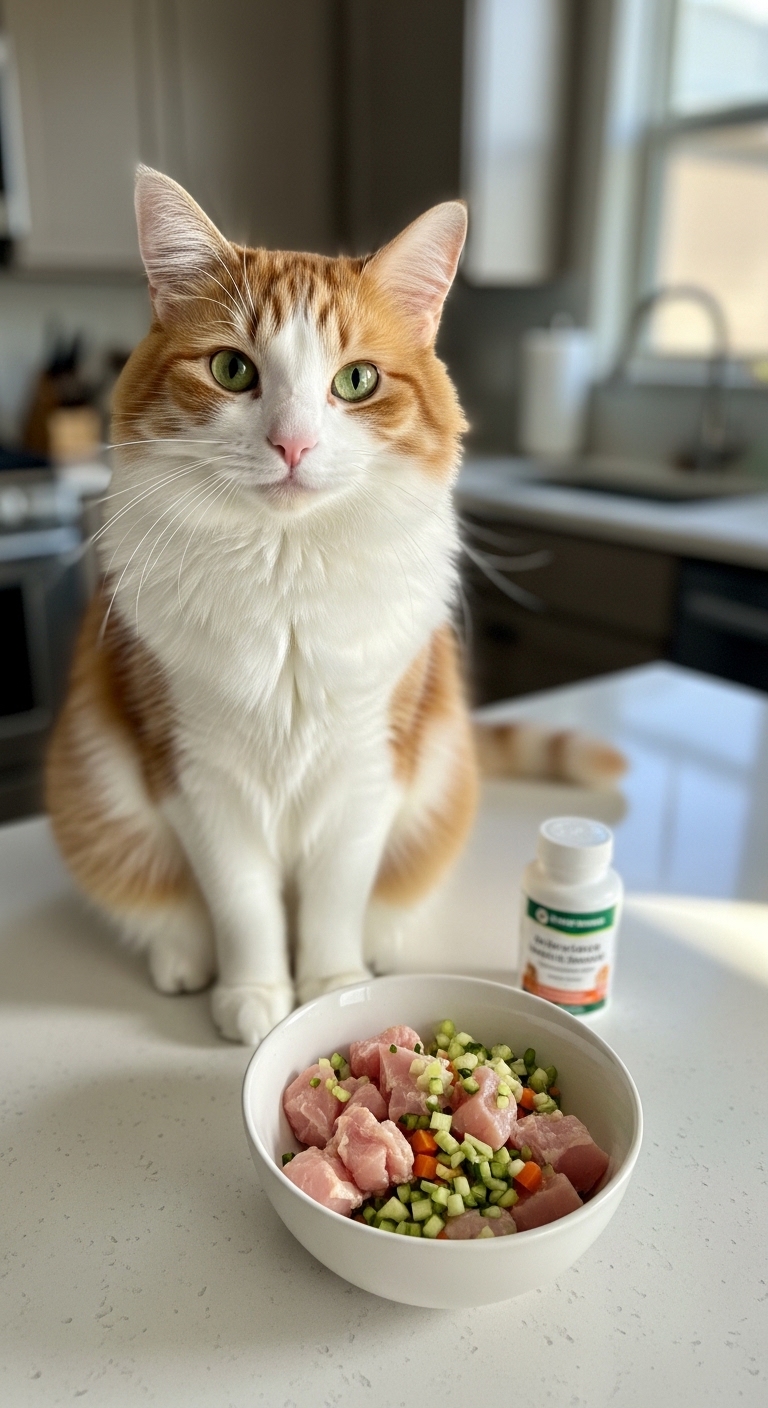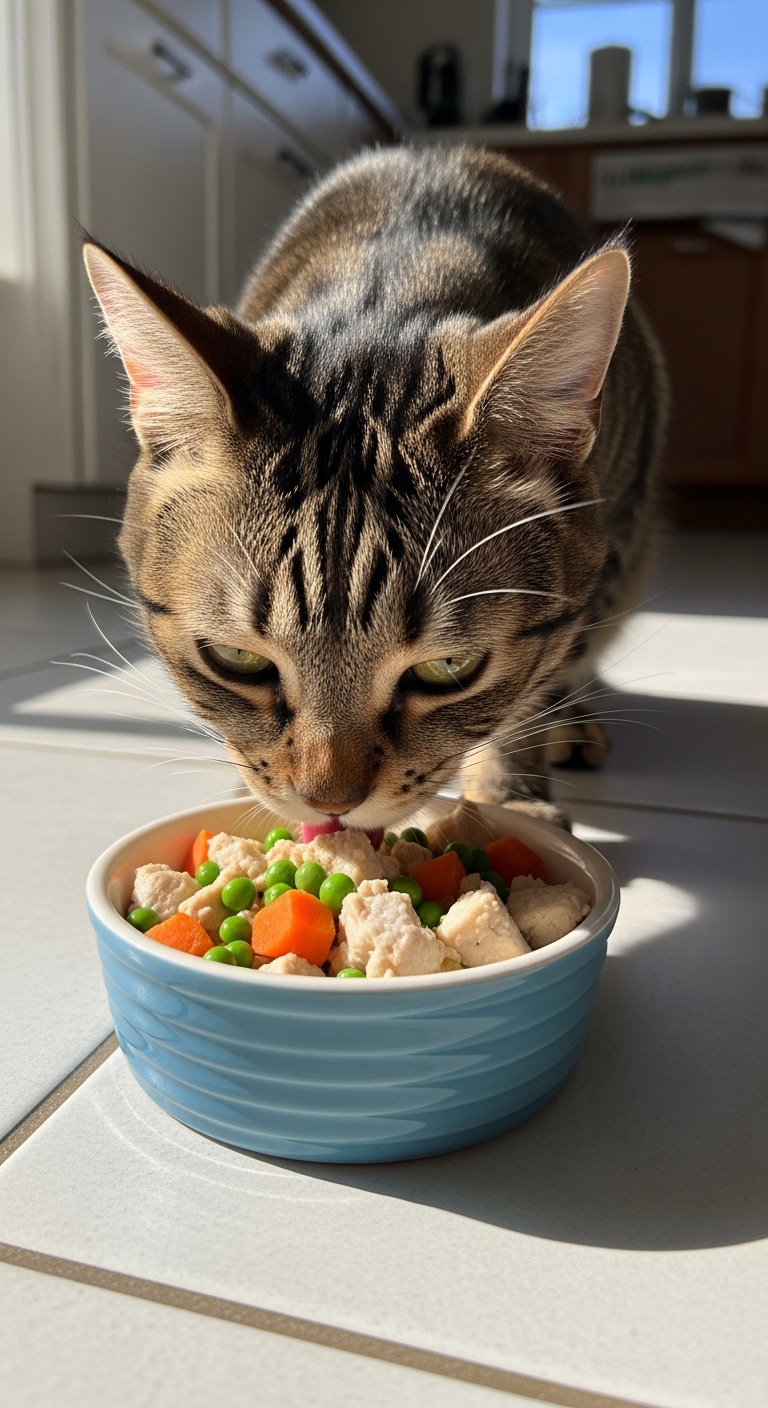
Foods for cats matter more than many owners realize. The right diet keeps your cat energized, supports their immune system, and prevents long-term health issues like obesity or urinary problems. With so many options on the market, it’s easy to feel overwhelmed by labels, ingredients, and marketing claims. But getting it right makes a real difference in your cat’s daily life and your peace of mind.
I still remember switching my own cat from a cheap brand to a grain-free option. Her coat became shinier within weeks, and she had way more energy during playtime.
Key Things to Understand
- High protein content: Essential for cats because they’re obligate carnivores and need animal-based proteins to thrive
- Wet food benefits: Often provides more moisture, which helps prevent dehydration and urinary issues
- Dry food limitations: Can be convenient but should never be the sole diet unless it’s specifically formulated for that purpose
- Common allergens: Chicken, beef, or grains can cause skin irritation or digestive upset in sensitive cats
- Life stage needs: Kittens, adults, and seniors have different nutritional requirements
What to Look For
Pay attention to the first few ingredients on the label, as they make up the bulk of the food. Look for named protein sources like chicken, turkey, or fish rather than vague terms like "meat meal" or "animal digest." The protein source should be clearly identifiable and ideally listed first. If the food includes fillers like corn, wheat, or soy, those are signs of lower-quality ingredients that offer little nutritional value.
Check the guaranteed analysis section for protein and fat percentages. Cats need at least 26-30% protein in their diet, and fat should be around 9-15% for most adults. Avoid foods with excessive carbohydrate content, as cats have a limited ability to process carbs. If your cat has a sensitive stomach, look for limited-ingredient formulas or novel proteins like duck or rabbit.
I once bought a "premium" dry food that promised shiny coats and strong bones, only to realize it was packed with plant-based proteins. My cat’s coat lost its luster, and she became lethargic until I switched her back to a meat-first formula. Always double-check the ingredient list, not just the marketing claims.
Daily Care Habits
Feeding your cat at consistent times helps regulate their digestion and prevents overeating. Most adult cats do well with two meals a day, while kittens need three to four smaller portions. Use a measuring cup to avoid overfeeding, as obesity is one of the most common health issues in domestic cats. If your cat grazes, portion out their daily food into small bowls placed around the house to encourage movement.
Choosing the Right Product
Start by identifying your cat’s life stage and any specific health needs. Kittens need food with higher protein and fat for growth, while seniors benefit from formulas with joint support. If your cat has a medical condition like kidney disease or diabetes, consult your vet before selecting a food. For healthy cats, look for foods with real meat as the first ingredient and minimal fillers. Avoid foods with artificial colors, flavors, or preservatives, as these offer no nutritional benefit.
Safety and Comfort
Store cat food in a cool, dry place to prevent spoilage and contamination. Once opened, wet food should be refrigerated and used within 2-3 days. Dry food can last longer but should be kept in an airtight container to maintain freshness. Always wash food and water bowls daily to prevent bacterial growth. If you notice your cat avoiding their food, check for signs of spoilage or unusual odors.
Common Mistakes to Avoid
Don’t assume all cat foods are the same: cheaper brands often cut corners with fillers and by-products. Avoid sudden diet changes, as they can cause stomach upset or refusal to eat. Never feed your cat dog food, as it lacks essential nutrients cats need. Don’t overlook the importance of hydration: many cats don’t drink enough water, so wet food or a cat fountain can help.
Cleaning and Hygiene
Wash food bowls with hot, soapy water after each meal to prevent bacteria buildup. Use separate bowls for food and water to keep the water clean. If you use a feeding mat, clean it regularly to avoid attracting pests. For wet food, rinse the can lid before storing leftovers to prevent residue from hardening. Consider using stainless steel or ceramic bowls, as plastic can harbor bacteria and cause chin acne in some cats.

Choosing the right food for your cat is one of the most impactful decisions you can make for their long-term health and happiness.
Frequently Asked Questions
- → What are the best foods for cats?
Look for high-protein, meat-based foods with real meat as the first ingredient. Avoid fillers like corn or artificial additives.
- → How much food should I feed my cat?
Follow feeding guidelines on the package, but adjust based on your cat's age, weight, and activity level. Consult your vet for personalized advice.
- → Is wet or dry food better for cats?
Wet food helps with hydration, while dry food can benefit dental health. A mix of both can provide balanced nutrition.
- → Can cats eat human food?
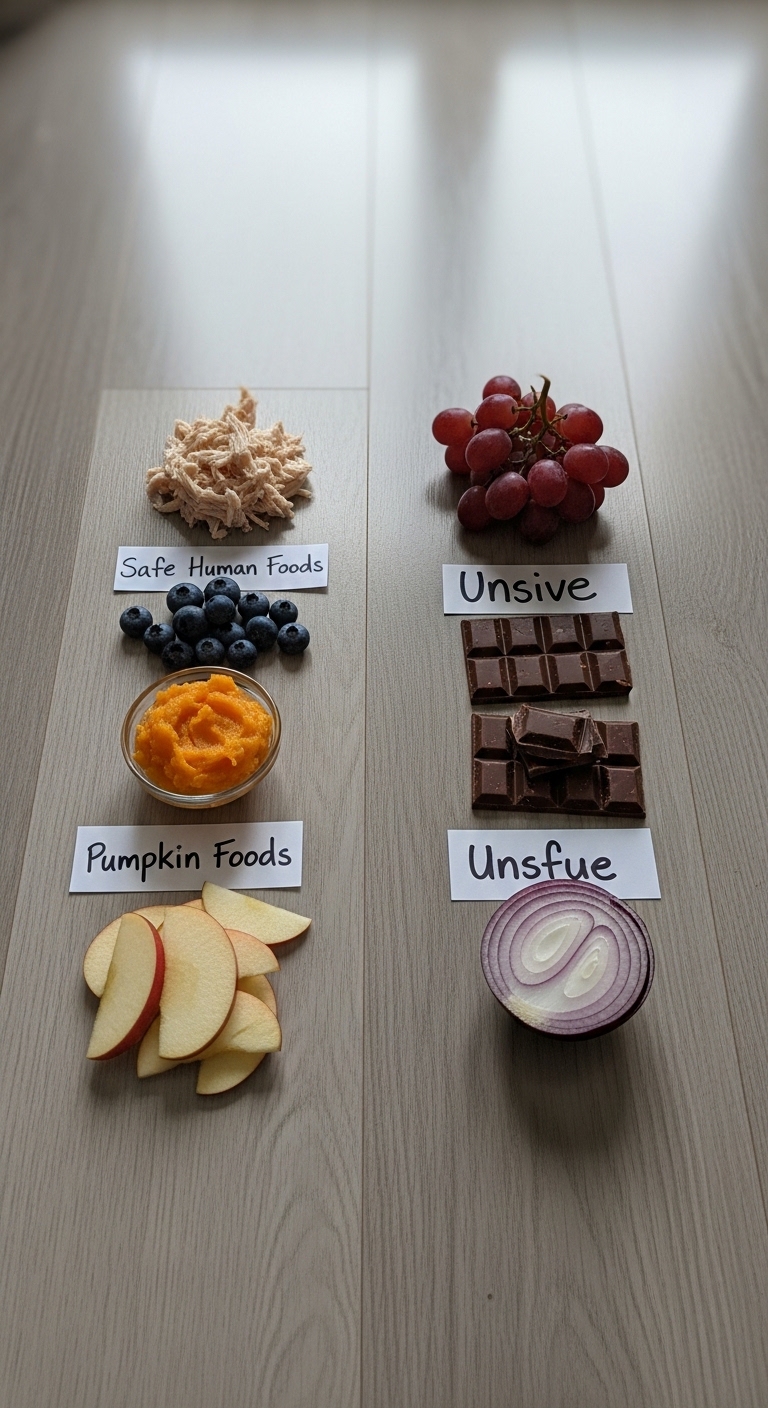
Avoid toxic foods like onions, garlic, and chocolate. Stick to cat-safe options like cooked chicken or fish in moderation.
- → How do I transition my cat to a new food?
Mix the new food with the old gradually over 7-10 days to avoid digestive upset. Monitor your cat's reaction during the transition.
- → What nutrients are essential for cats?
Cats need taurine, protein, fats, vitamins, and minerals. Look for foods labeled as 'complete and balanced' for AAFCO standards.