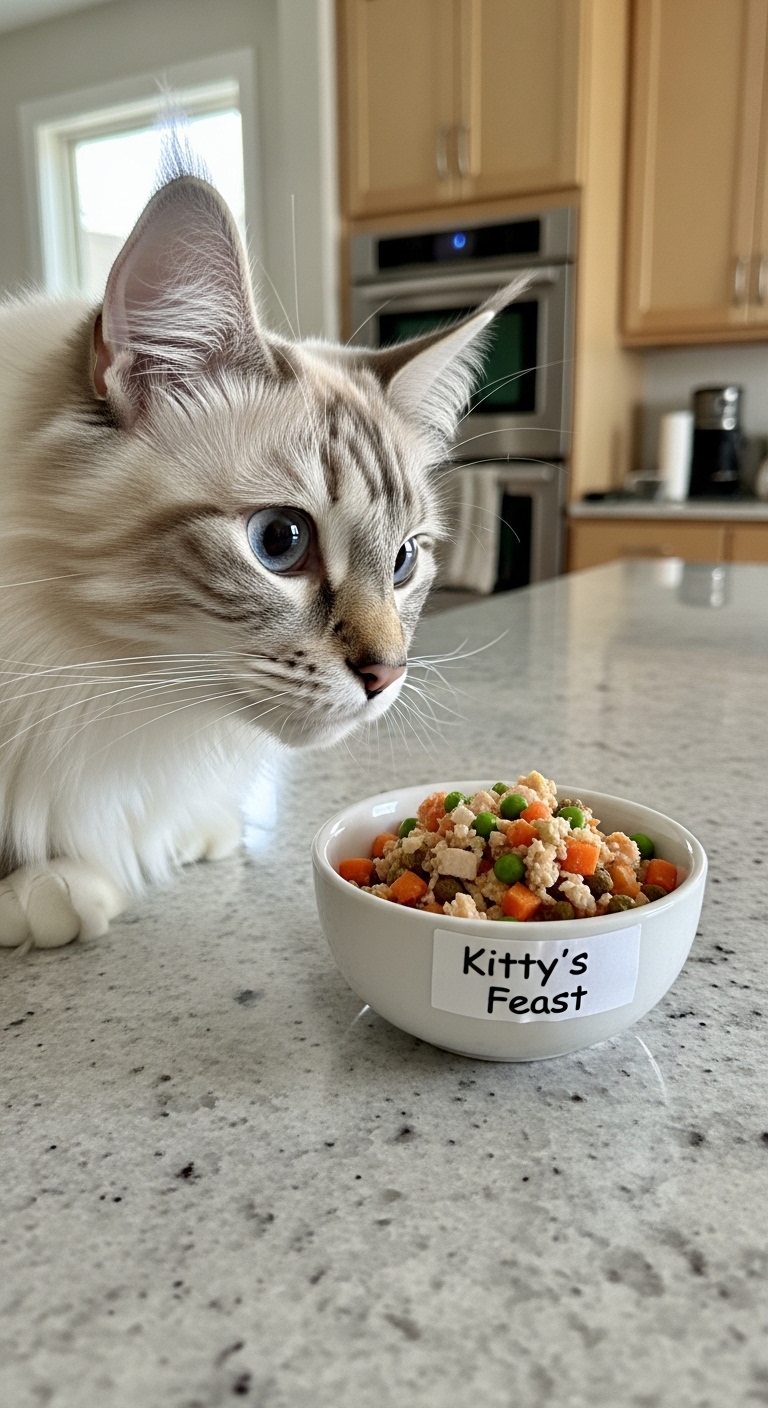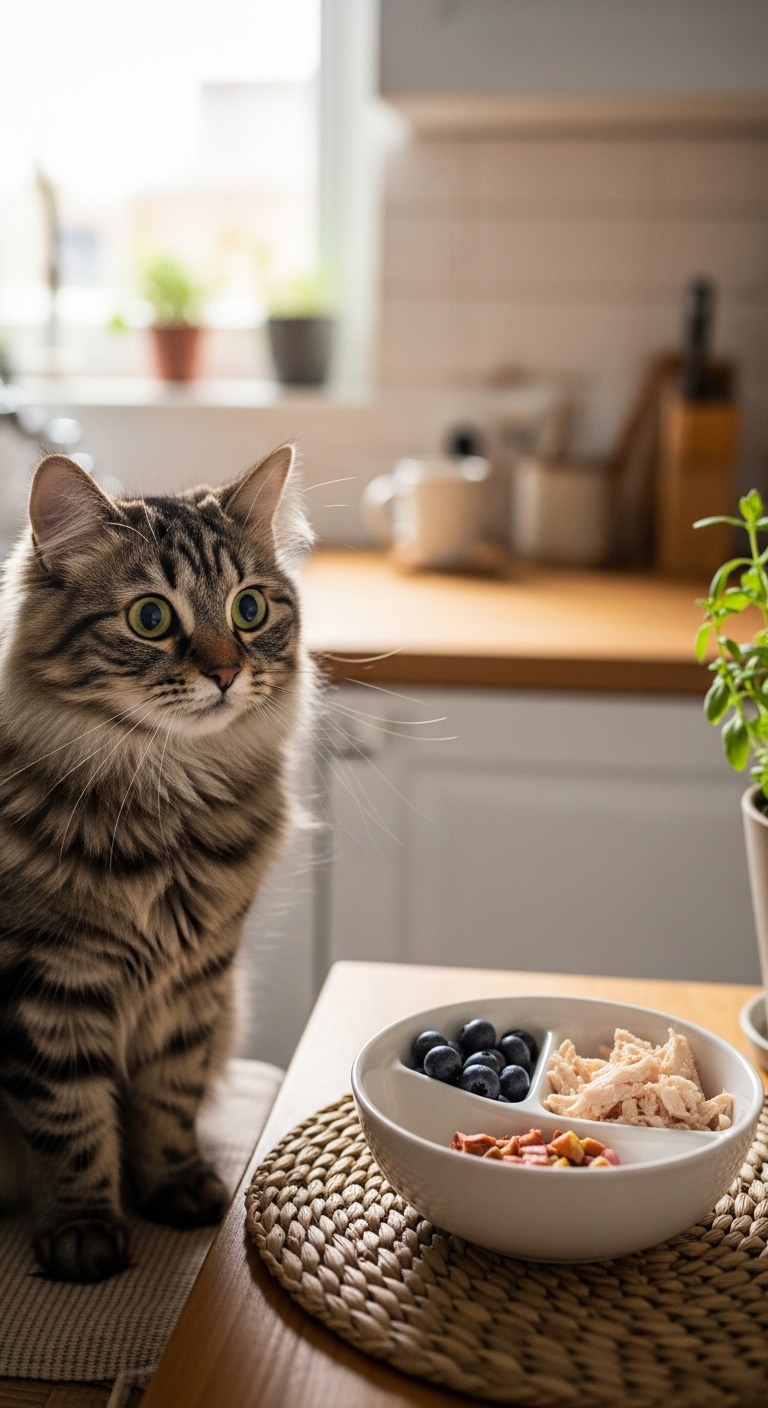
All natural cat treats aren’t just about spoiling your feline friend: they’re a way to give your cat food that’s free from mystery ingredients and packed with real nutrition. Many commercial treats contain fillers, artificial flavors, or preservatives that don’t do much for your cat’s health. Making your own treats puts you in control of what goes into their diet, which can lead to better digestion, a shinier coat, and even fewer trips to the vet for diet-related issues. Plus, it’s a fun way to bond with your cat while keeping their tail wagging (or purring) with excitement.
I’ve noticed that cats go crazy for homemade treats when they’re fresh out of the oven. The smell alone can turn even the pickiest eater into an eager participant. Plus, there’s something satisfying about seeing your cat’s reaction when they realize it’s snack time and it’s something you made just for them.
Key Things to Understand
- Protein focus: Homemade treats should be balanced with protein as the main ingredient since cats are obligate carnivores
- Toxic ingredients: Avoid ingredients toxic to cats like onions, garlic, chocolate, and xylitol
- Portion control: Keep portion sizes small: even healthy treats should make up no more than 10% of your cat’s daily calories
- Texture preferences: Cats with dental issues may prefer softer treats while younger cats often enjoy crunchier options
- Storage guidelines: Store treats properly in an airtight container in the fridge for up to a week or freeze for longer shelf life
What to Look For
Pay attention to how your cat reacts to new ingredients. Some cats have sensitive stomachs and may not tolerate certain proteins like chicken or fish right away. If you notice vomiting, diarrhea, or excessive scratching after trying a new treat, it’s best to switch to something simpler. Also, observe your cat’s energy levels and coat condition over time: improved digestion and a glossier coat often mean the treats are working well for them.
Look for recipes that use whole, recognizable ingredients like cooked meat, pumpkin, or cat-safe herbs. Avoid anything with vague terms like "natural flavors" or "meat by-products," which can hide lower-quality ingredients. If your cat has a history of allergies, stick to single-protein recipes at first to identify any potential triggers. Freshness is key too: treat your cat to small batches rather than making a large quantity that sits around too long.
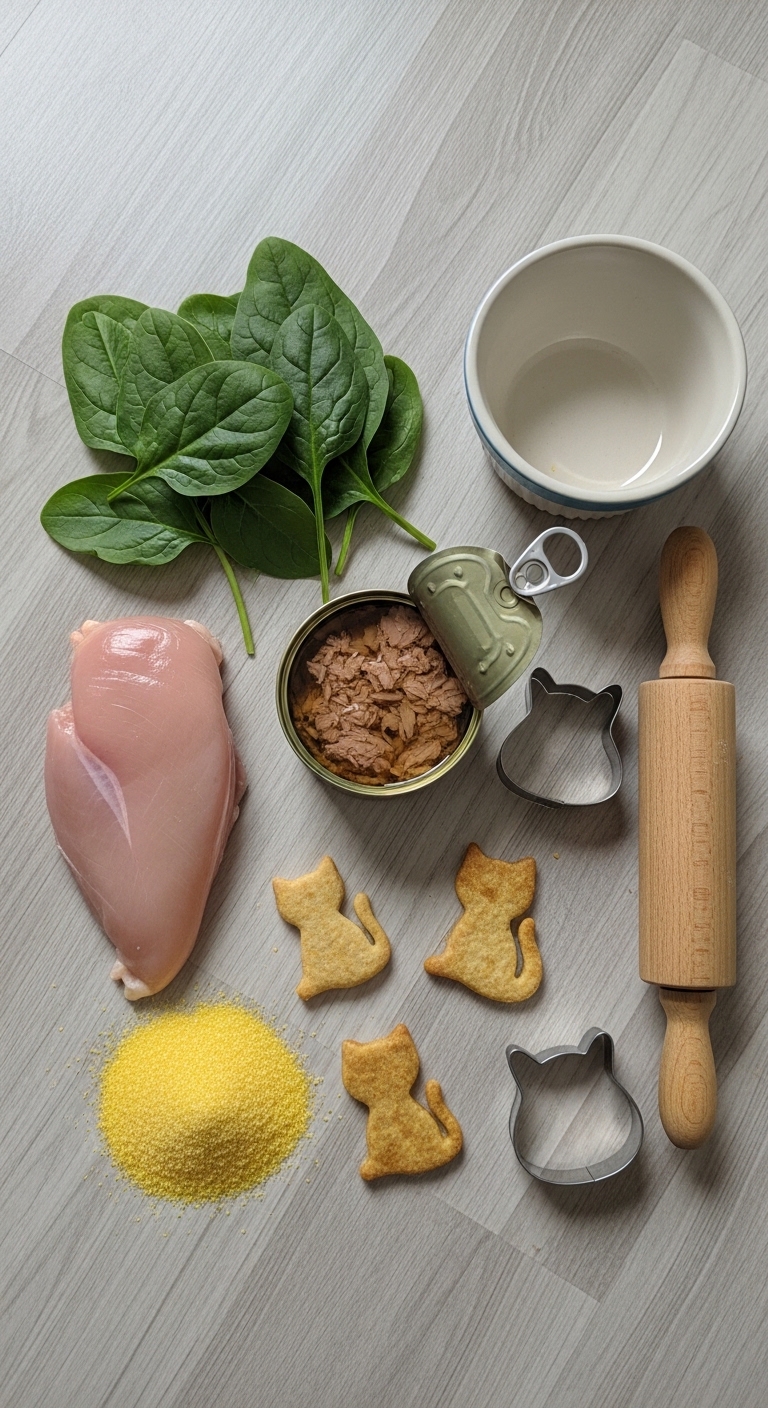
I’ve seen too many cat owners assume their pet can handle any human food, only to deal with a messy aftermath later. It’s easy to forget that what’s harmless to us isn’t always safe for them. Always double-check ingredients before sharing, even if your cat gives you those irresistible "feed me" eyes.
Daily Care Habits
Incorporate treats into your cat’s routine as a reward for good behavior or during training sessions. This reinforces positive habits while keeping their diet in check. If your cat is on a weight management plan, use treats sparingly and opt for low-calorie options like freeze-dried meat. Consistency is key: try to give treats at the same time each day so your cat knows what to expect.
Choosing the Right Product
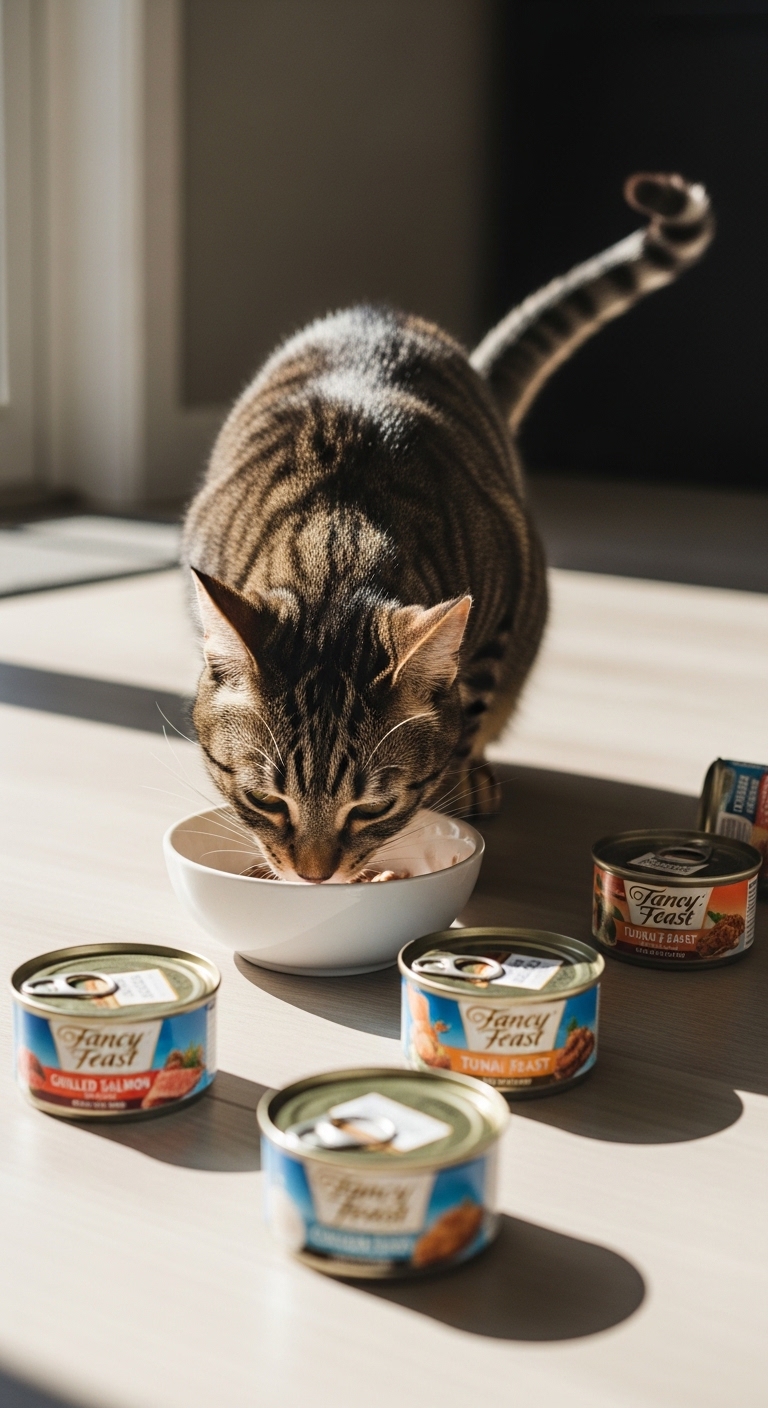
When buying store-bought treats, look for labels that list real meat as the first ingredient and avoid artificial colors or flavors. Check the calorie content per treat to ensure you’re not accidentally overfeeding. If you’re unsure about a particular brand, ask your vet for recommendations tailored to your cat’s health needs.
Safety and Comfort
Always supervise your cat while they enjoy a new treat, especially if it’s their first time trying it. Watch for signs of choking, particularly with small or hard treats. If your cat has dental issues, soft treats or mashable options may be more comfortable for them to eat. Store treats away from your cat’s litter box area to keep them fresh and appealing.
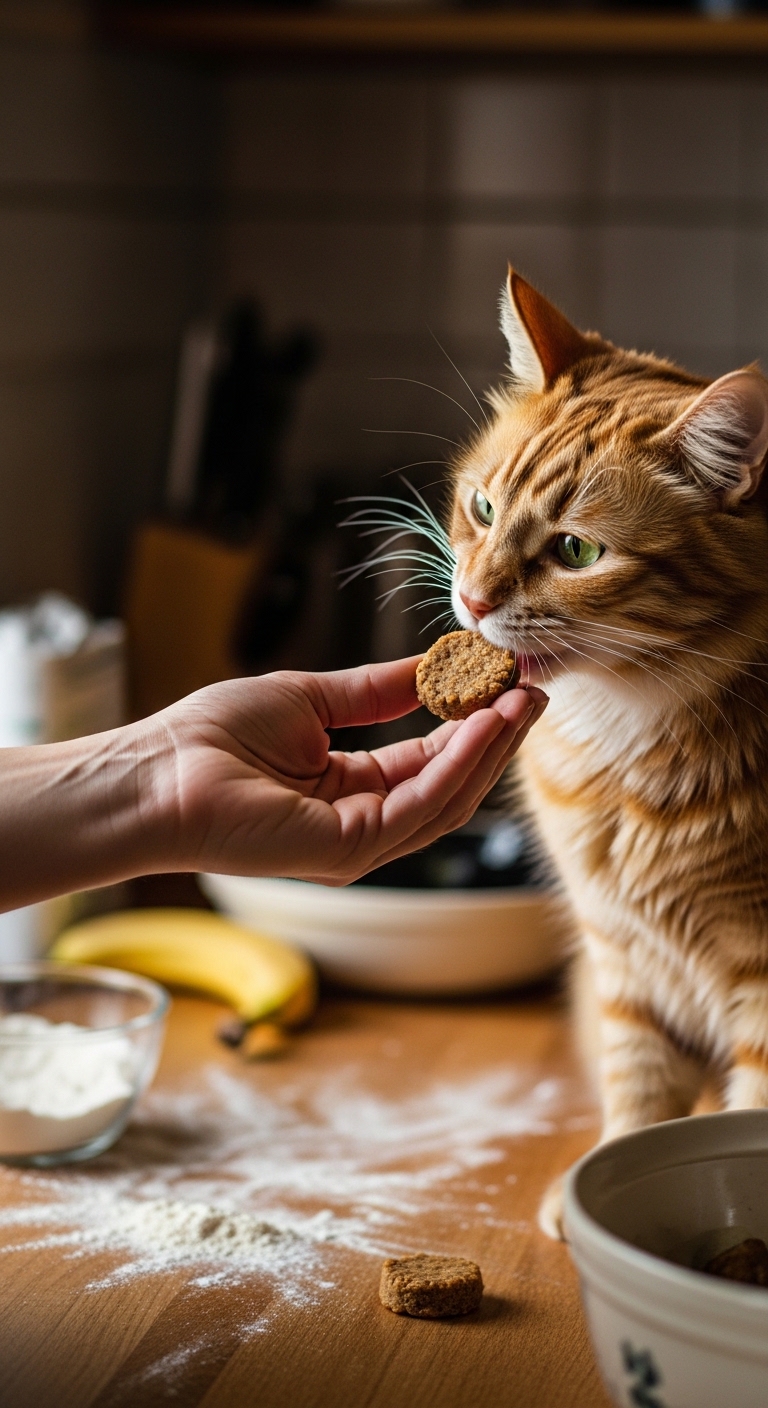
Before you start experimenting with recipes, take a moment to think about your cat’s preferences. The effort is worth it when you see your cat’s happy reaction.
Frequently Asked Questions
- → What are the best ingredients for all-natural cat treats?
Look for high-quality proteins like chicken, turkey, or fish, and avoid fillers or artificial additives. Ingredients like pumpkin, oats, and eggs work well as binders and provide nutritional benefits.
- → Can I use human-grade ingredients for cat treats?
Yes, human-grade ingredients are safe as long as they are cat-friendly. Avoid onions, garlic, chocolate, and excessive salt, which are toxic to cats.
- → How long do homemade cat treats last?
Store-bought treats typically last 1-2 weeks in an airtight container at room temperature or up to 3 months in the freezer. Always check for freshness before serving.
- → Are all-natural cat treats better than store-bought?
Homemade treats allow you to control ingredients, ensuring no artificial preservatives or unhealthy additives. They’re ideal for cats with dietary restrictions or sensitivities.
- → How do I introduce homemade treats to my cat?
Start with a small piece to test for allergies or digestive issues. Use treats as rewards during training or bonding time to encourage positive associations.
- → Can I bake cat treats without an oven?
Yes! You can dehydrate treats using a food dehydrator or even air-dry them in a low-temperature oven (below 200°F) for a few hours to preserve nutrients.