Choosing the right cat food can feel overwhelming with so many options on the market. Whether you're a first-time cat owner or have been feeding your feline friend for years, the right diet makes a huge difference in their energy, coat health, and long-term well-being. Small changes in their food can lead to noticeable improvements in their daily routine, from better digestion to a shinier coat.
I remember when my own cat started refusing his usual dry food: turns out he was bored with the flavor. Switching to a wet food with higher protein content solved the problem, and his energy levels improved within days.
Key Things to Understand
- Ingredients matter: Look for foods with real meat as the first ingredient, not by-products or fillers
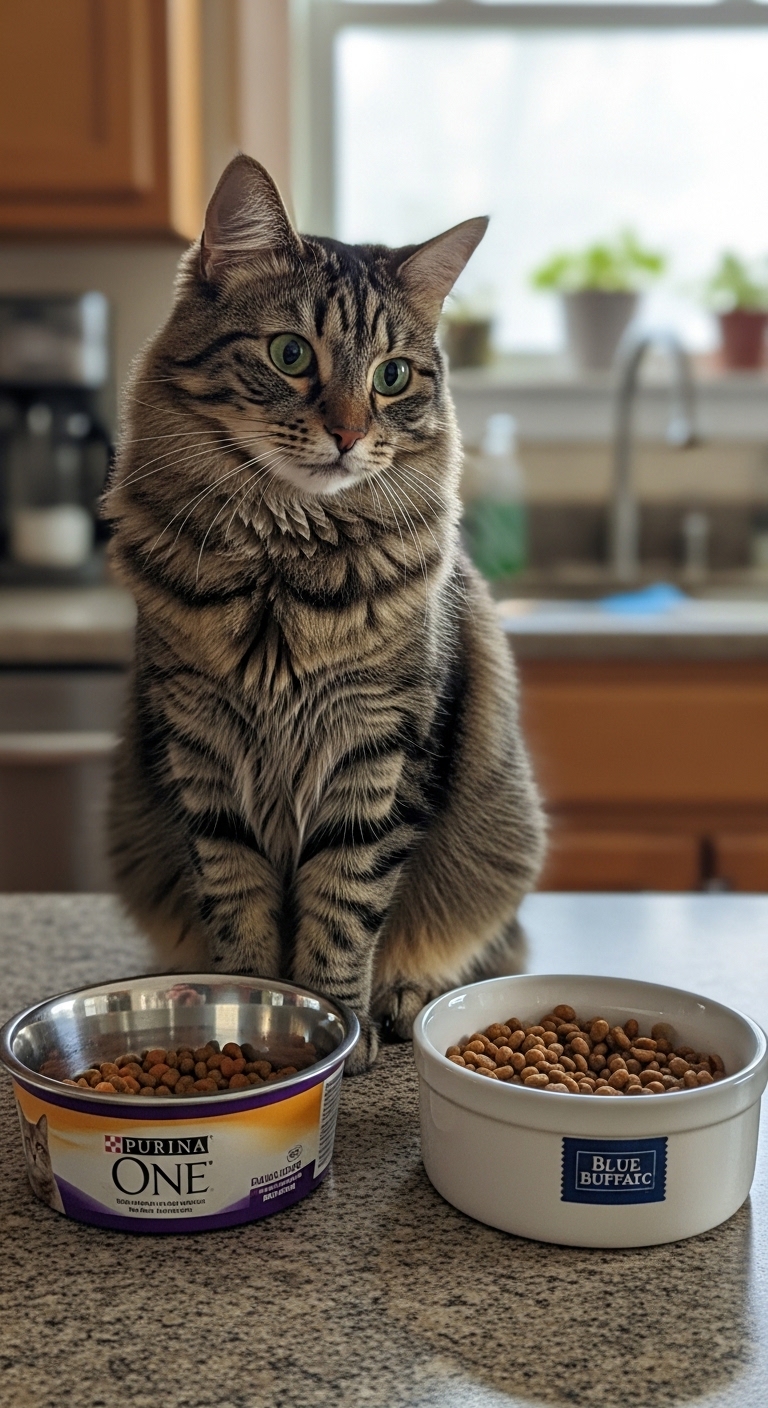
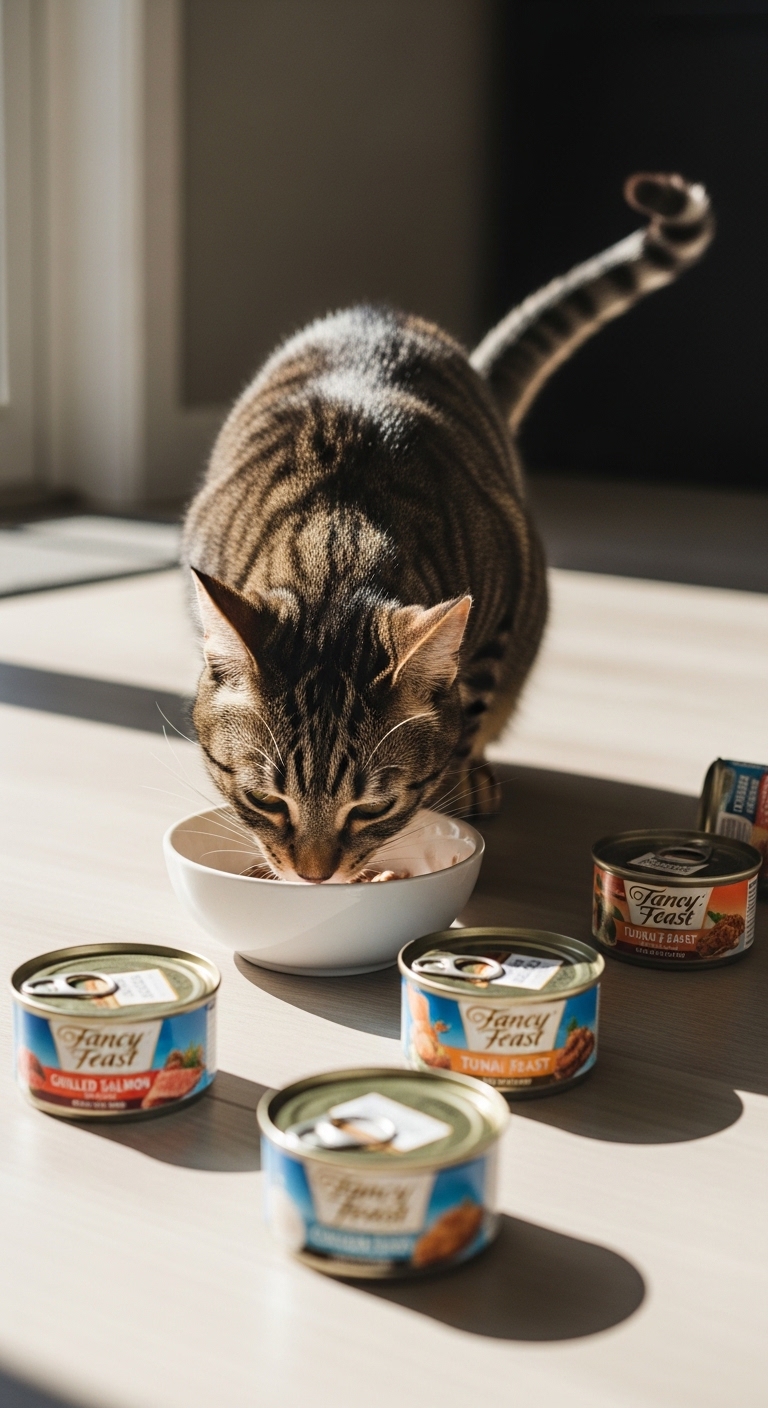
- Wet vs. dry food: Wet food is great for hydration, while dry food can help with dental health
- Nutritional standards: Check the AAFCO statement to ensure the food meets nutritional standards
- Avoid additives: Avoid foods with artificial colors, flavors, or preservatives
- Life stage needs: Consider your cat’s age, weight, and activity level when choosing a formula
What to Look For
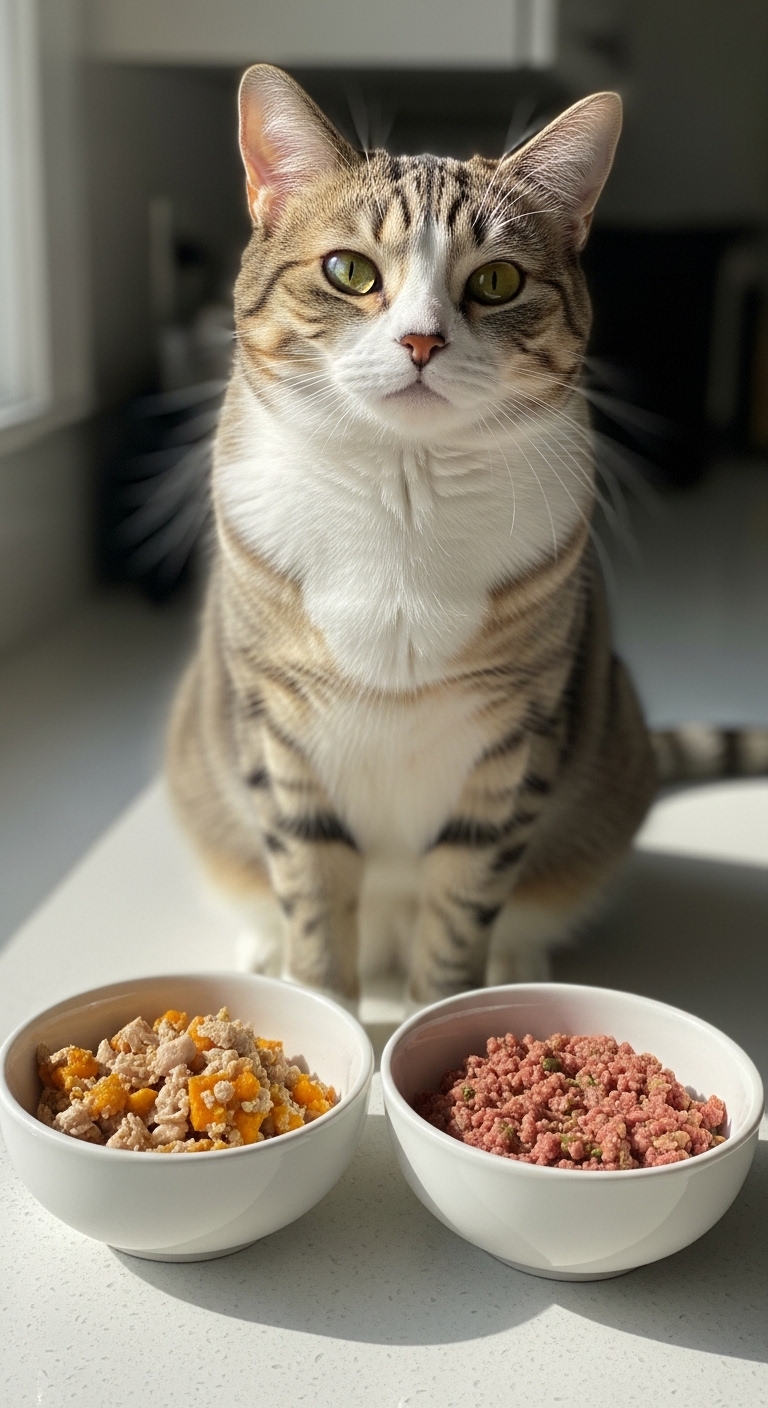
Pay attention to how your cat reacts after eating. A sudden change in litter box habits or energy levels can signal a food intolerance. Watch for signs of allergies like excessive scratching or skin irritation, which might mean it’s time to switch formulas. The texture and smell of the food also matter: some cats prefer pâté-style wet food, while others enjoy crunchy kibble. If your cat is a picky eater, try offering small portions of different textures to see what they like best.
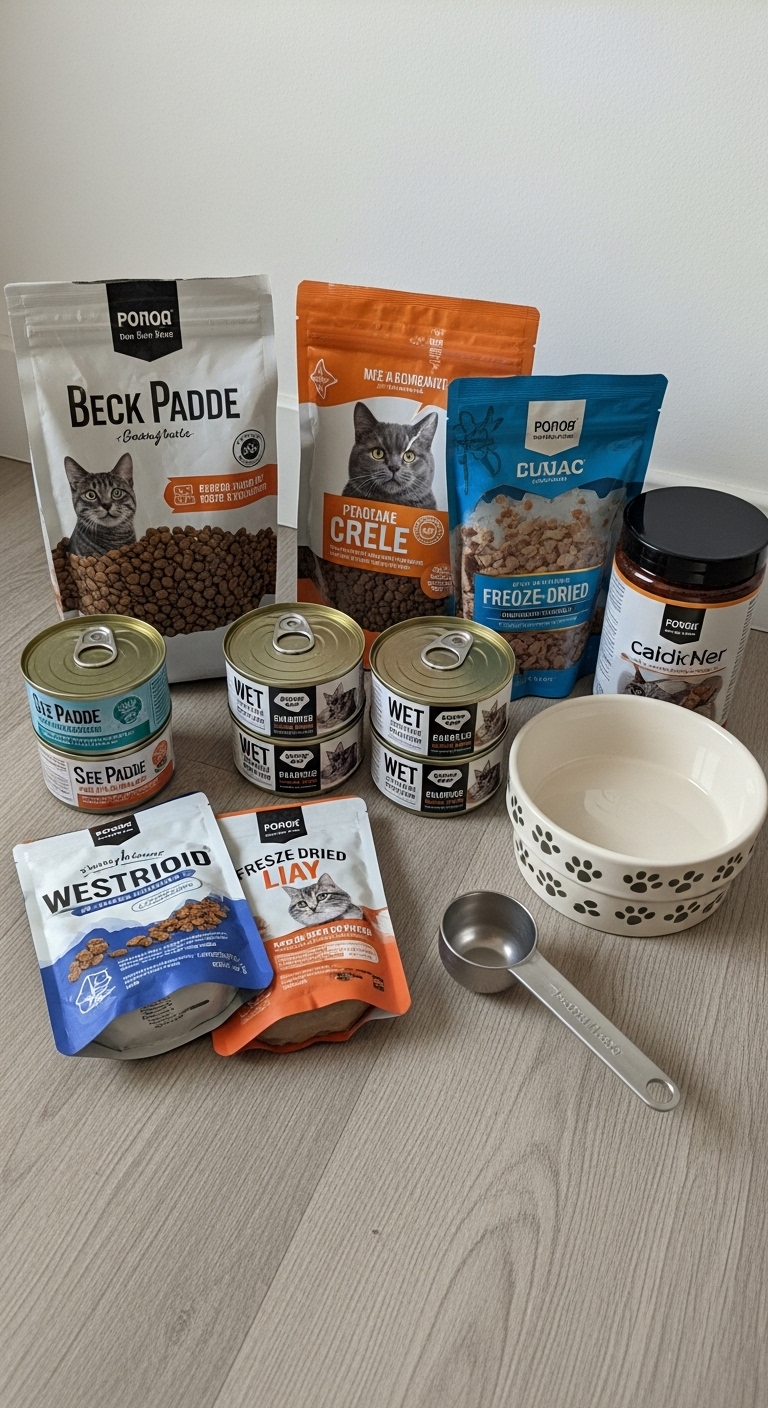
I once made the mistake of free-feeding dry food, only to realize my cat was gaining weight. Switching to measured portions and adding playtime helped her stay active and maintain a healthy weight.
Feeding Strategies for Picky Cats
If your cat seems uninterested in their food, try warming it slightly to enhance the aroma. A little creativity in feeding time can make a big difference in their appetite and overall happiness.
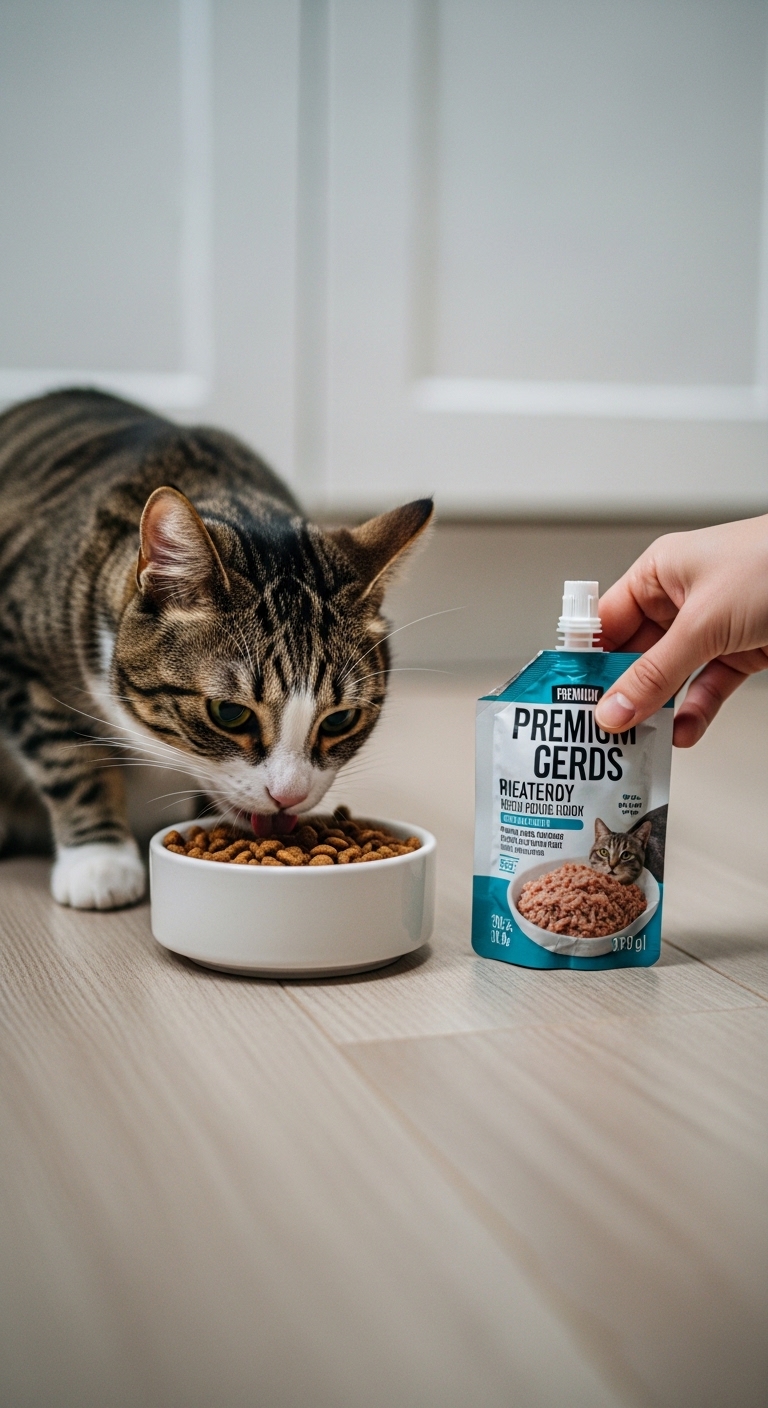
Choosing the right cat food is an ongoing process that evolves with your cat’s needs. Small adjustments can lead to big improvements in their health and happiness.
Frequently Asked Questions
- → What are the best types of cat food?
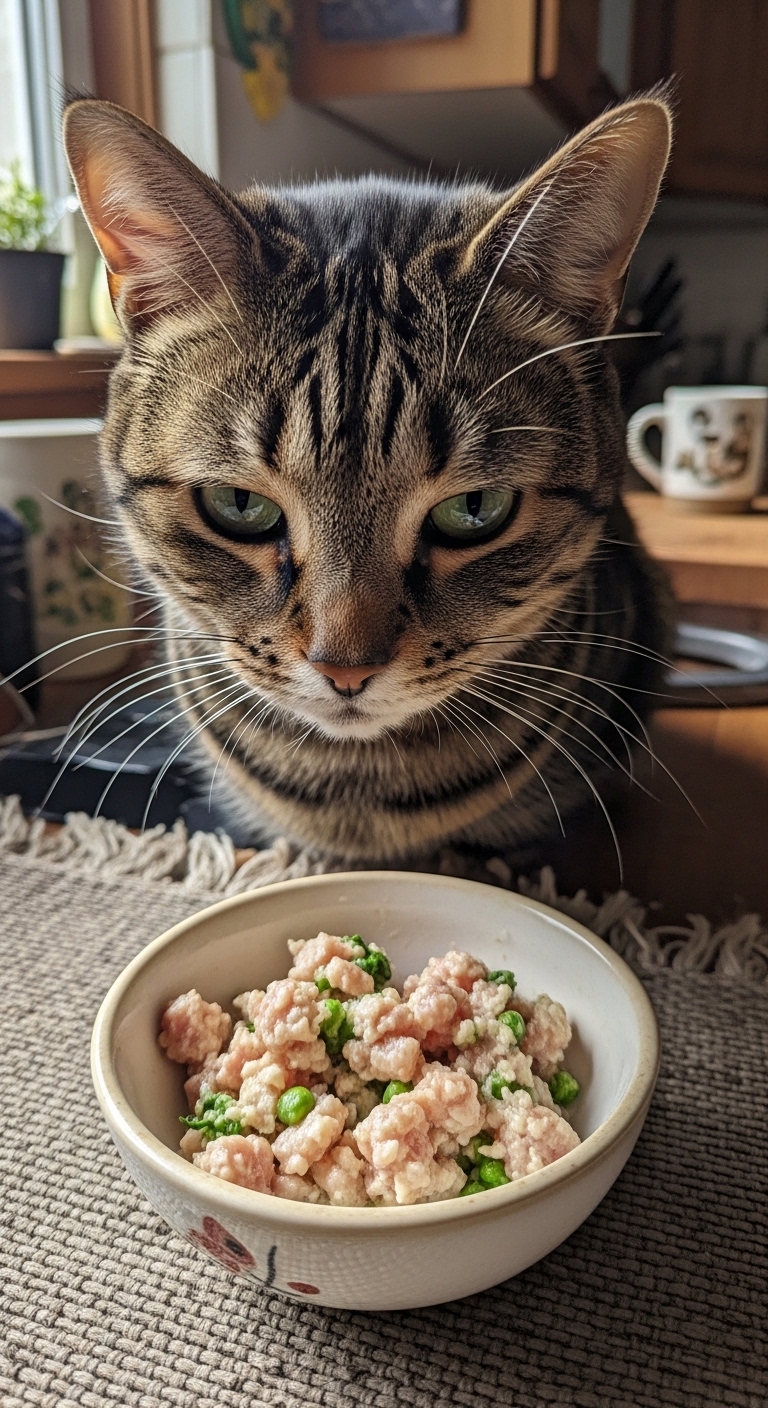
Wet food is great for hydration, dry food is convenient for free feeding, and raw food mimics a natural diet. Choose based on your cat’s preferences and health needs.
- → How do I know if my cat food is high-quality?
Look for real meat as the first ingredient, minimal fillers, and no artificial additives. Check for AAFCO approval to ensure balanced nutrition.
- → Can I mix wet and dry cat food?
Yes, mixing both can provide hydration from wet food and dental benefits from dry food. Ensure the total portions meet your cat’s caloric needs.
- → What cat food is best for senior cats?
Senior cats benefit from food with joint support (glucosamine), lower calories, and easy-to-digest proteins. Consult your vet for tailored recommendations.
- → How often should I feed my cat?
Adult cats typically need 2-3 meals daily, while kittens require more frequent feeding. Follow portion guidelines based on your cat’s weight and activity level.
- → Are grain-free cat foods better?
Grain-free isn’t always better unless your cat has allergies. Focus on high-quality protein sources and avoid unnecessary fillers like corn or soy.