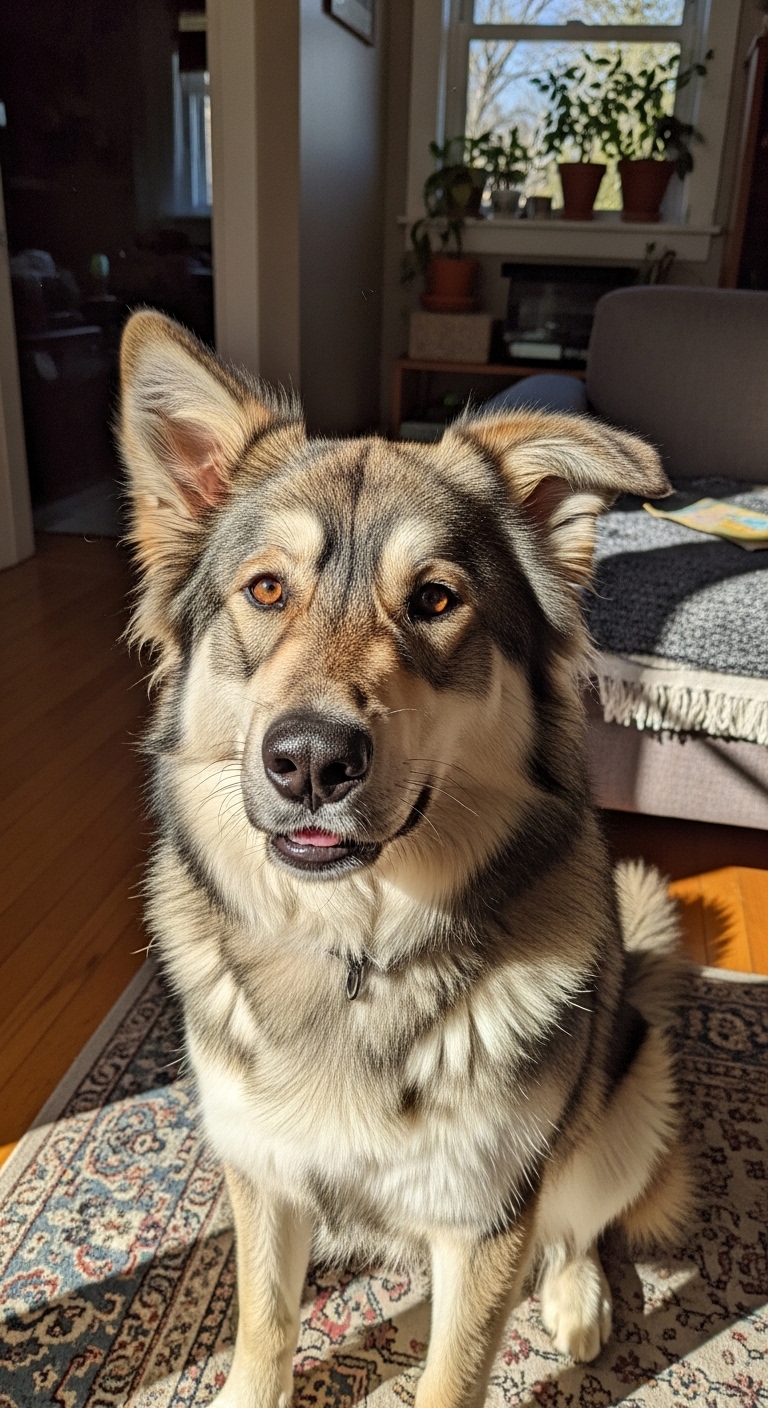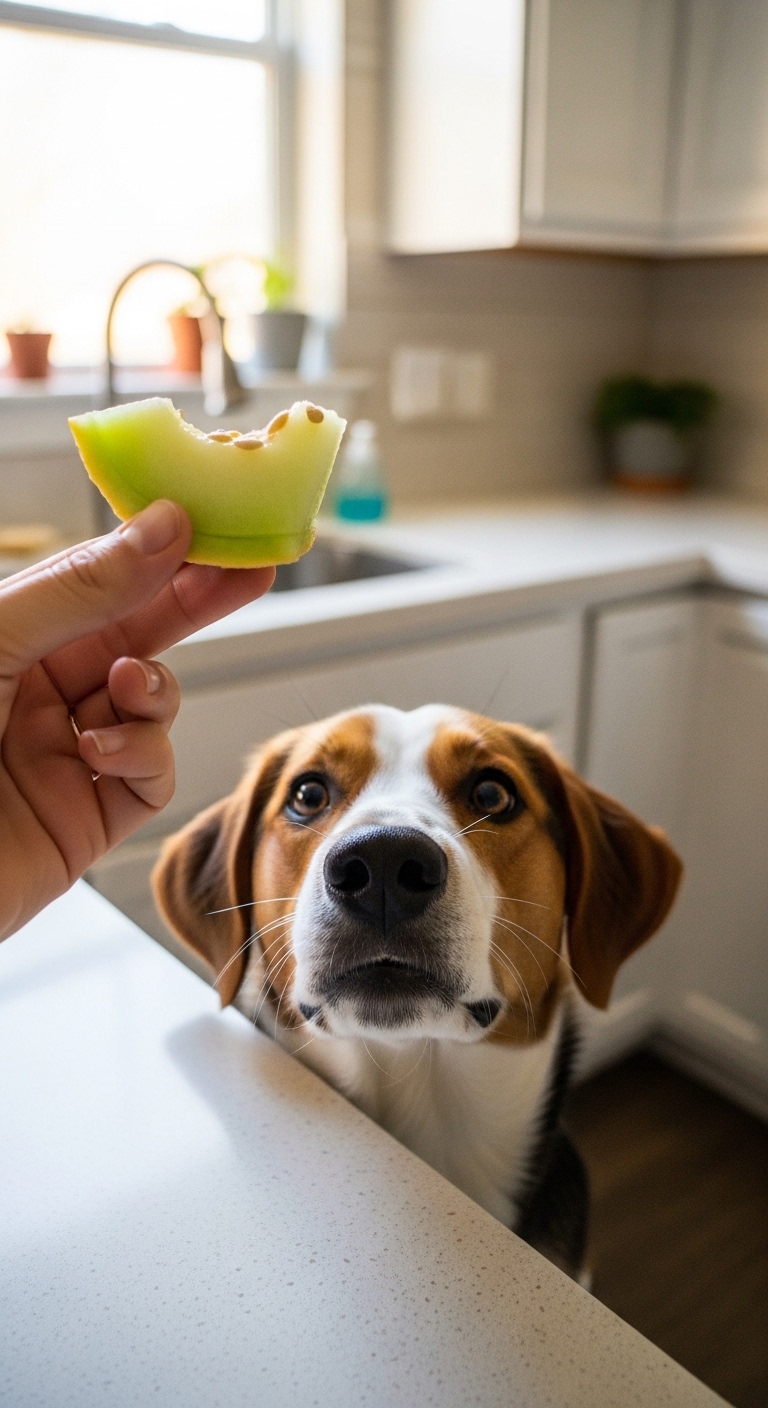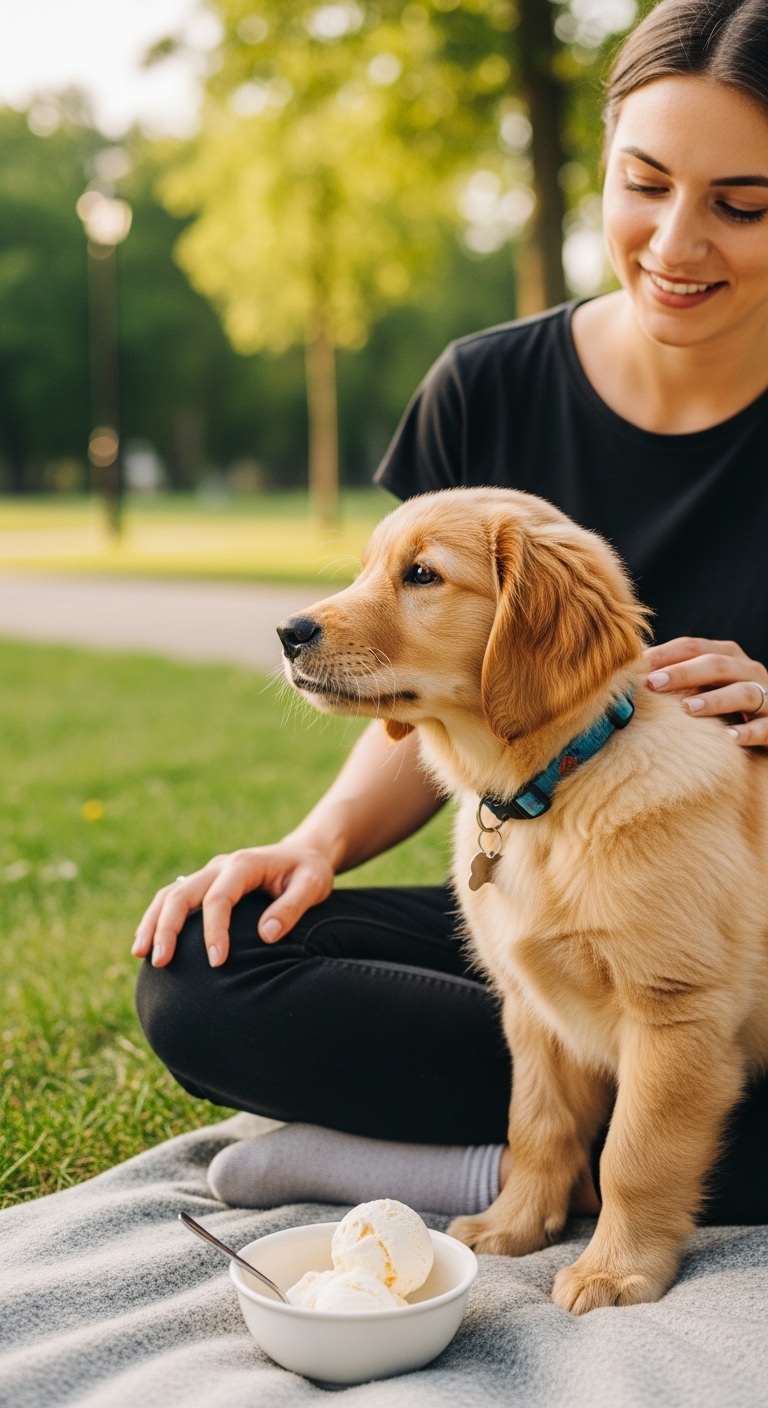
It’s a question many pet owners wonder about when their furry friend seems sad or upset: can dogs cry? While dogs don’t shed emotional tears like humans do, they absolutely express distress in other ways. Understanding how your dog communicates their feelings can help you respond better to their needs and strengthen your bond.
I remember my own dog, a big golden retriever, would flop down dramatically whenever I left the house. At first I thought he was crying, but it turned out he just missed me. That’s when I realized how much dogs rely on body language to show their feelings.
Key Things to Understand
- Dogs don’t produce emotional tears like humans do: Their eyes stay dry even when they’re upset.
- They communicate distress through sounds: Whining, howling, or whimpering instead of crying.
- Puppies may whine more: When separated from their mother or littermates.
- Excessive tearing could signal an eye problem: Like allergies or infection, not sadness.
- Some breeds naturally have more vocal expressions: Than others.
What to Look For
Watch for changes in your dog’s usual behavior when they seem upset. A dog that suddenly stops eating or becomes unusually quiet may be trying to tell you something. Pay attention to their posture too: if they’re cowering, tucking their tail, or avoiding eye contact, those are clear signs of discomfort. Their ears can also give clues; pinned back ears often mean fear or submission. If your dog starts licking their lips or yawning frequently when you’re around, it might be a stress signal rather than just tiredness.
I once saw a dog owner assume their pup was crying because they were whining during a thunderstorm. In reality, the dog was terrified of the noise. That’s why it’s important to look at the bigger picture of your dog’s behavior rather than just one sound or expression. Always consider what’s happening in their environment when trying to understand their emotions.
Daily care habits
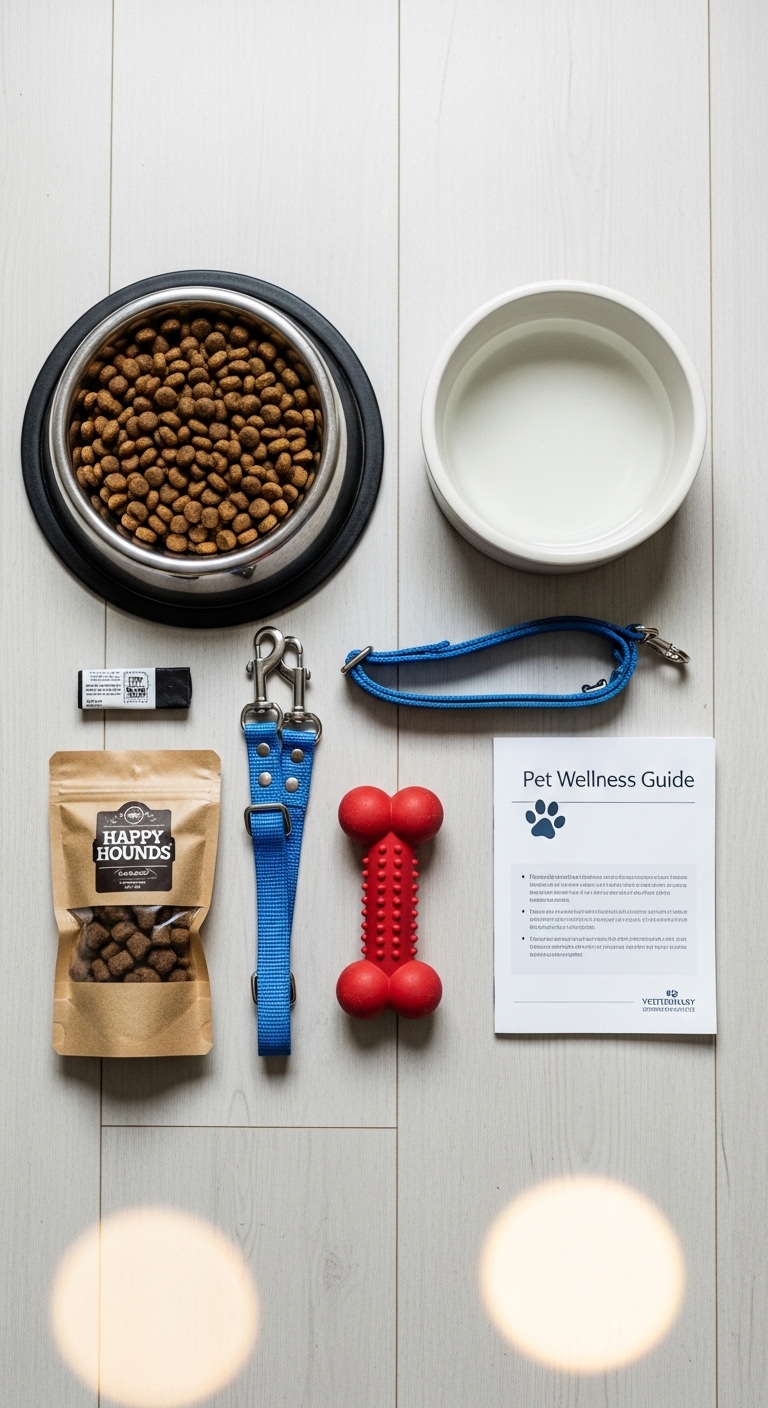
If your dog seems unusually quiet or withdrawn, check their routine first. Have they been getting enough exercise? Changes in activity levels often affect mood. Sometimes a simple walk or play session can lift their spirits more than you’d expect. Also consider their diet: poor nutrition can make any dog feel lethargic or irritable.
Safety and comfort
When your dog shows signs of distress, avoid punishing them for whining or howling. That can make anxiety worse. Instead, create a calm space with their favorite blanket or toy. If the behavior continues, consult your vet to rule out pain or illness. Some dogs develop separation anxiety that needs professional guidance to manage properly.
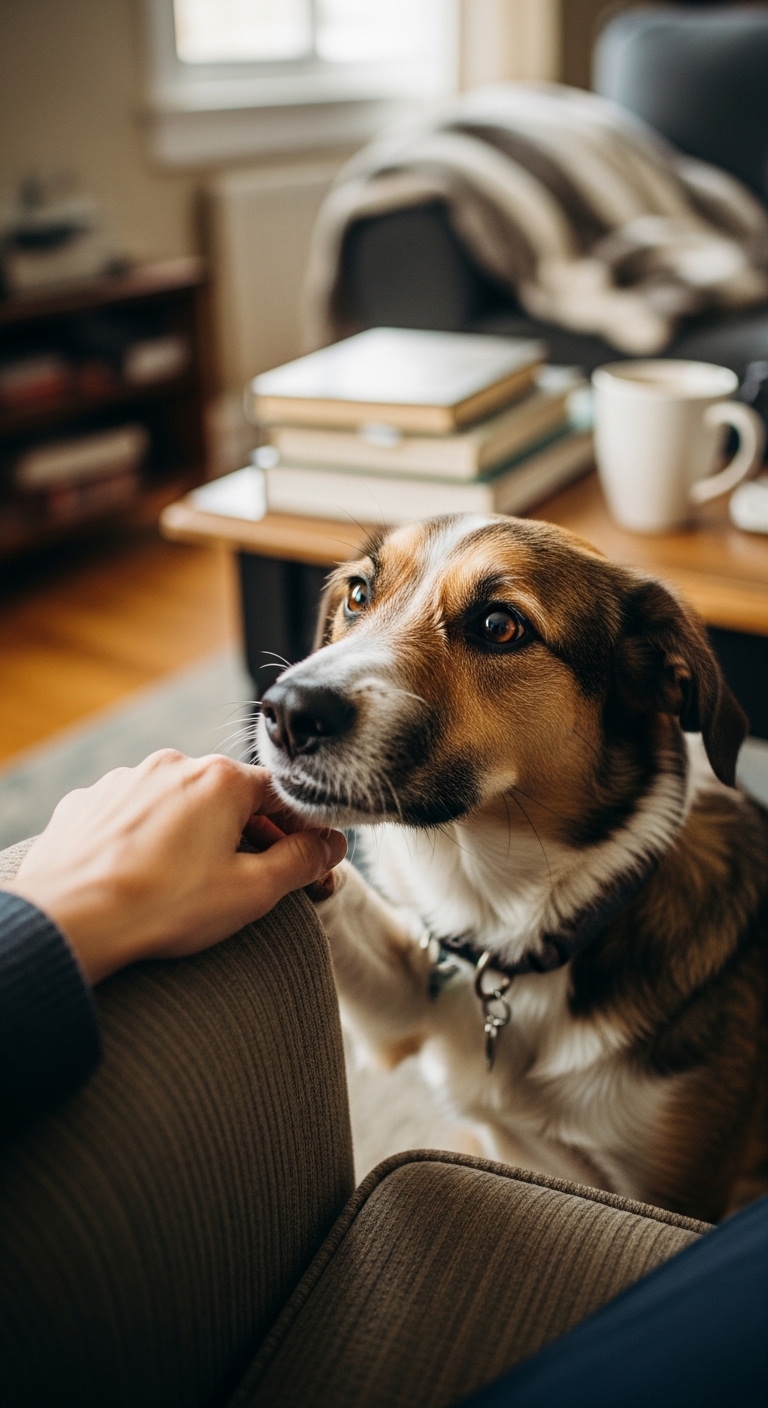
Remember that dogs live in the moment. If they seem sad now, they won’t stay that way forever: just like a child who cries and then moves on to play. The key is to stay patient and observant.
Frequently Asked Questions
- → Do dogs cry tears when sad?
No, dogs do not produce emotional tears like humans do. Their tear ducts primarily serve to keep their eyes moist and free from debris. If your dog’s eyes are watery, it’s usually due to physical factors like dryness, irritation, or a health issue rather than sadness.
- → Why do dogs get watery eyes?
Watery eyes in dogs can result from allergies, infections, blocked tear ducts, or irritants like dust or pollen. Breeds with flat faces, such as Pugs or Bulldogs, are more prone to this issue due to their facial structure.
- → Can dogs feel emotions like humans?
Yes, dogs experience a range of emotions, including joy, fear, and anxiety, but they express them differently. They may not cry tears, but they show feelings through behaviors like tail wagging, whining, or changes in body language.
- → How can I tell if my dog is sad?
Signs of sadness in dogs include lethargy, loss of appetite, excessive sleeping, or avoiding interaction. They may also exhibit behaviors like pacing, whining, or clinginess. Observing changes in their routine can help identify emotional distress.
- → What should I do if my dog’s eyes are always watery?
If your dog’s eyes are consistently watery or red, consult a veterinarian to rule out infections, allergies, or other underlying conditions. Regular eye cleaning with a vet-approved solution can also help prevent irritation.
- → Do certain dog breeds cry more than others?
Breeds with prominent eyes or flat faces, such as Shih Tzus, Pugs, or Boston Terriers, are more prone to watery eyes due to their facial structure. However, excessive tearing in any breed should be evaluated by a vet.